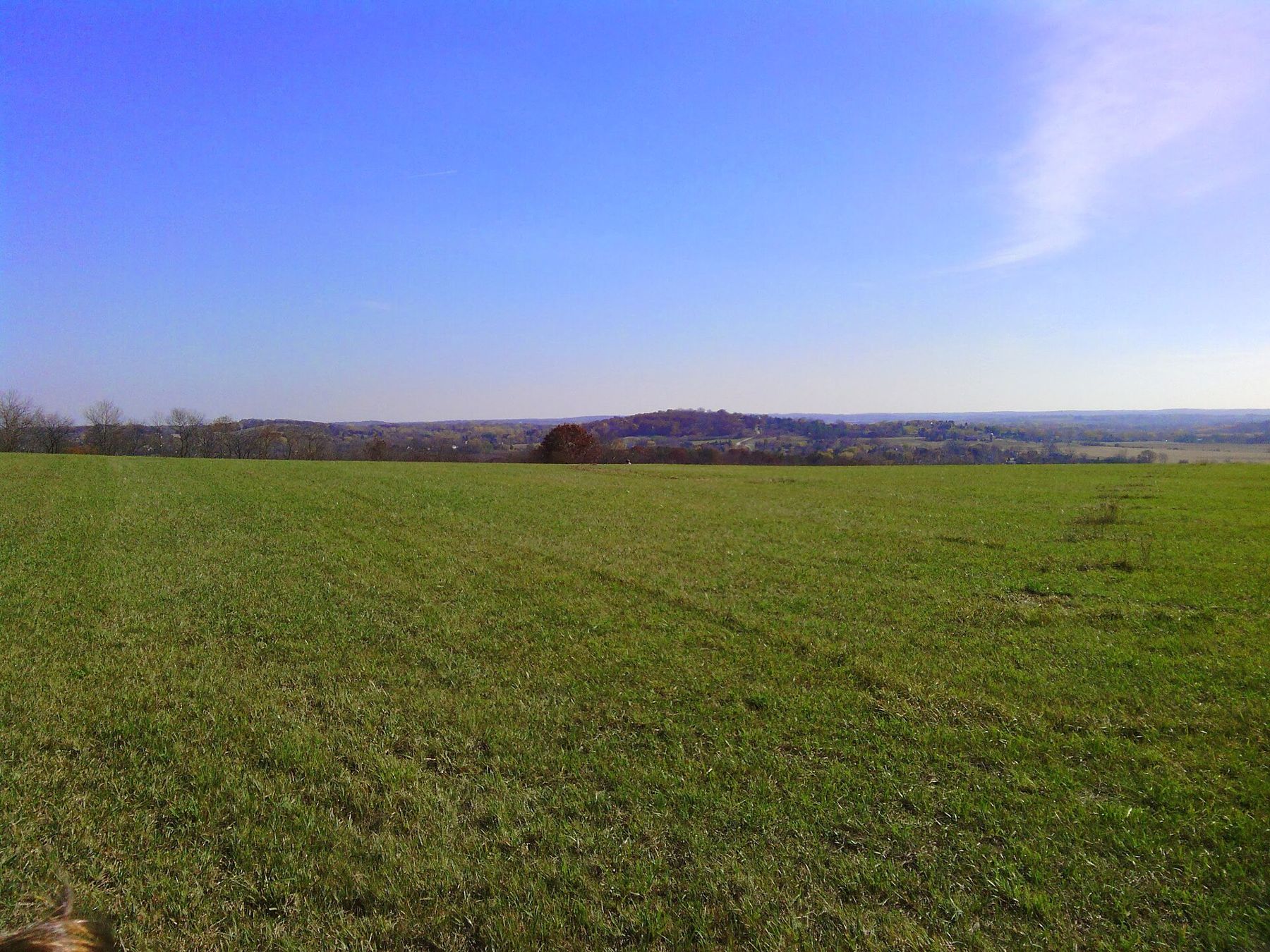
Go late in the afternoon in August. The prairie grasses at Retzer Nature Center stand taller than most adults by then, the light comes in low from the west, and the path ahead disappears into big bluestem and goldenrod after a few yards. It is one of the easiest places near Milwaukee to stand inside a tallgrass prairie rather than look at one from a road.
Retzer is a Waukesha County park on the west side of Waukesha. It mixes restored prairie, oak woods, old fields and wet low ground, with a nature center building, demonstration gardens and a planetarium. It is not wilderness. You will hear traffic on some trails and see houses from the high points. But the ground rolls the way the rest of the glaciated country does, and the prairie restoration is large enough to feel like open land.
How to arrive
Drive to the west side of Waukesha and follow the county park signs off Madison Street. The park sits just beyond the edge of the city, so the last stretch runs past newer subdivisions before the land opens up. There is a paved lot by the nature center building; on busy program days it fills and overflow parking is signed.
From Milwaukee, the drive is roughly half an hour west in light traffic. From Eagle and the Southern Kettle Moraine, head north toward Waukesha and allow a little longer for the town roads. There is no practical public transport to the trails themselves, so plan on a car or a bike on the road shoulder.
Check opening hours and any fees before you go. The grounds, the building and the planetarium do not keep the same hours, and program times change by season.
The trails and the overlooks
Start at the nature center building. Pick up a paper map at the desk if it is open, or read the board outside. The trail network is a set of interlocking loops, none of them long, so you can walk an hour or most of a day by stringing them together.
Walk the prairie first. The mown paths run out across the restored grassland and back toward the woods. In June the early flowers come up through last year's dead stems. By late July and August the compass plant, coneflowers and blazing star are in bloom and the grass is at full height. In fall it all turns copper and tan, and the seed heads rattle in the wind.
Then head for the high ground. Retzer has wooden observation towers and raised viewpoints at the edges of the prairie. From the northern tower you look out over a green bowl of shrubs and young trees toward the woods beyond, and on a clear day you can see far across the rolling country west of Waukesha. Climb slowly on wet days; the boards get slick.
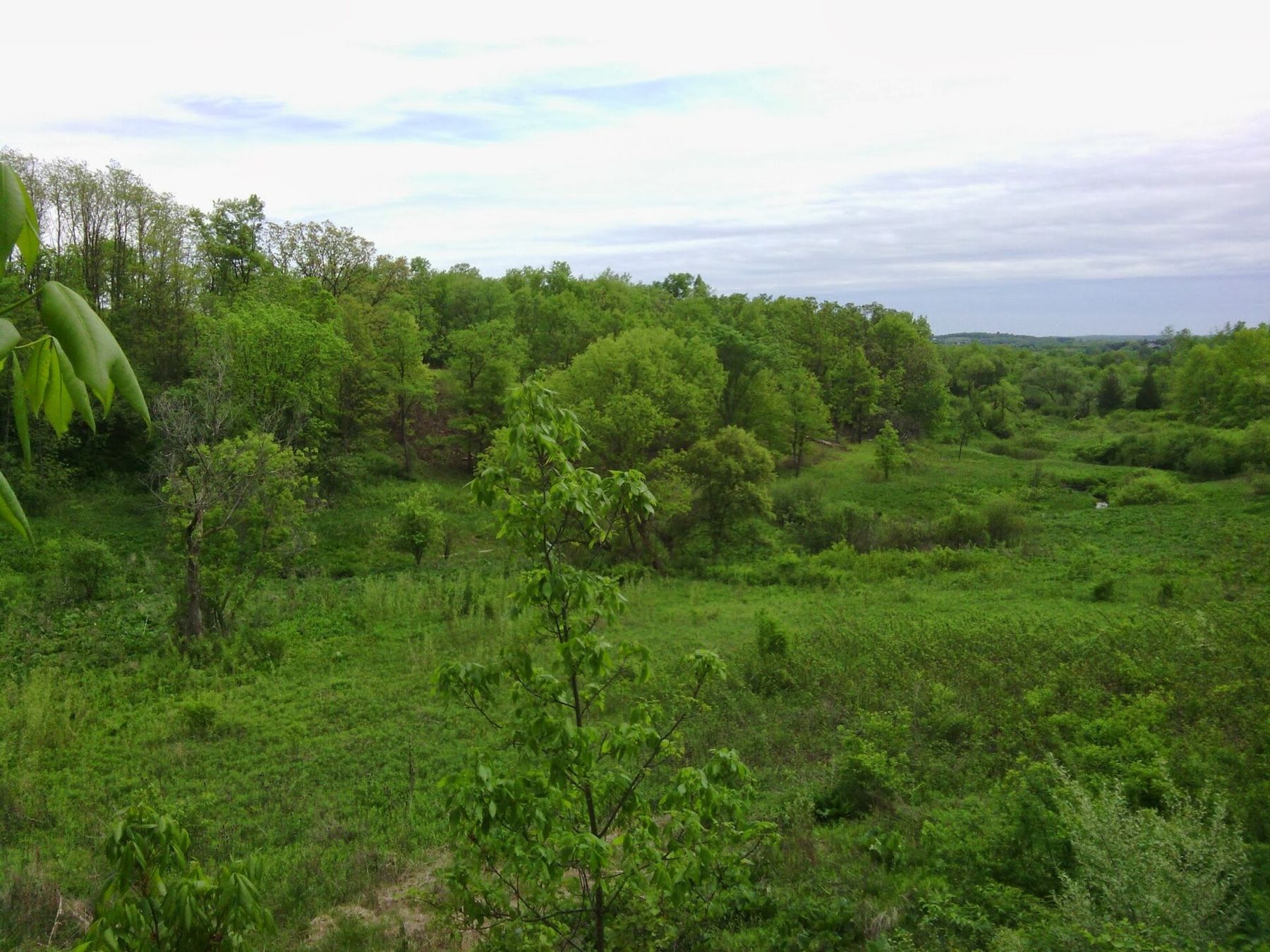
The wooded loops are shorter and shadier. They pass through oak and hickory with a shrub layer that thickens every year without cutting. In late April and May, look for spring wildflowers under the trees before the canopy closes. The low ground near the wetter sections draws frogs in April and mosquitoes from June on.
Stay on the marked paths. Much of the prairie is maintained with prescribed burns and careful cutting, and footpaths through the grass spread fast once people start using them. If you find a section closed for a burn in spring, walk the woods instead and come back in a few weeks to see the new green coming through the black.
The planetarium and the programs
The Charles Z. Horwitz Planetarium sits beside the nature center. It runs scheduled public shows under its dome, along with school and group programs. Shows are aimed at a range of ages; read the descriptions before you buy tickets for small children, since some run long and the room goes fully dark.
Pair an evening show with a walk before sunset. You come out of the dome into the real dusk over the prairie, which is the right order. For seeing stars with your own eyes, though, you need darker sky than a city edge can give you. Read our notes on finding dark skies in southeastern Wisconsin and drive further west on a moonless night.
The county runs guided walks, nature programs and seasonal events from the building. Some need advance registration and some are drop-in. The calendar changes every season, so check it before you plan a trip around a particular program.
Waukesha next door
Retzer is a short drive from downtown Waukesha, which grew around its springs and later its railroads. If you want a meal or a walk along the Fox River after the trails, the old downtown is the closest place for it. See our guide to downtown Waukesha for a walking plan.
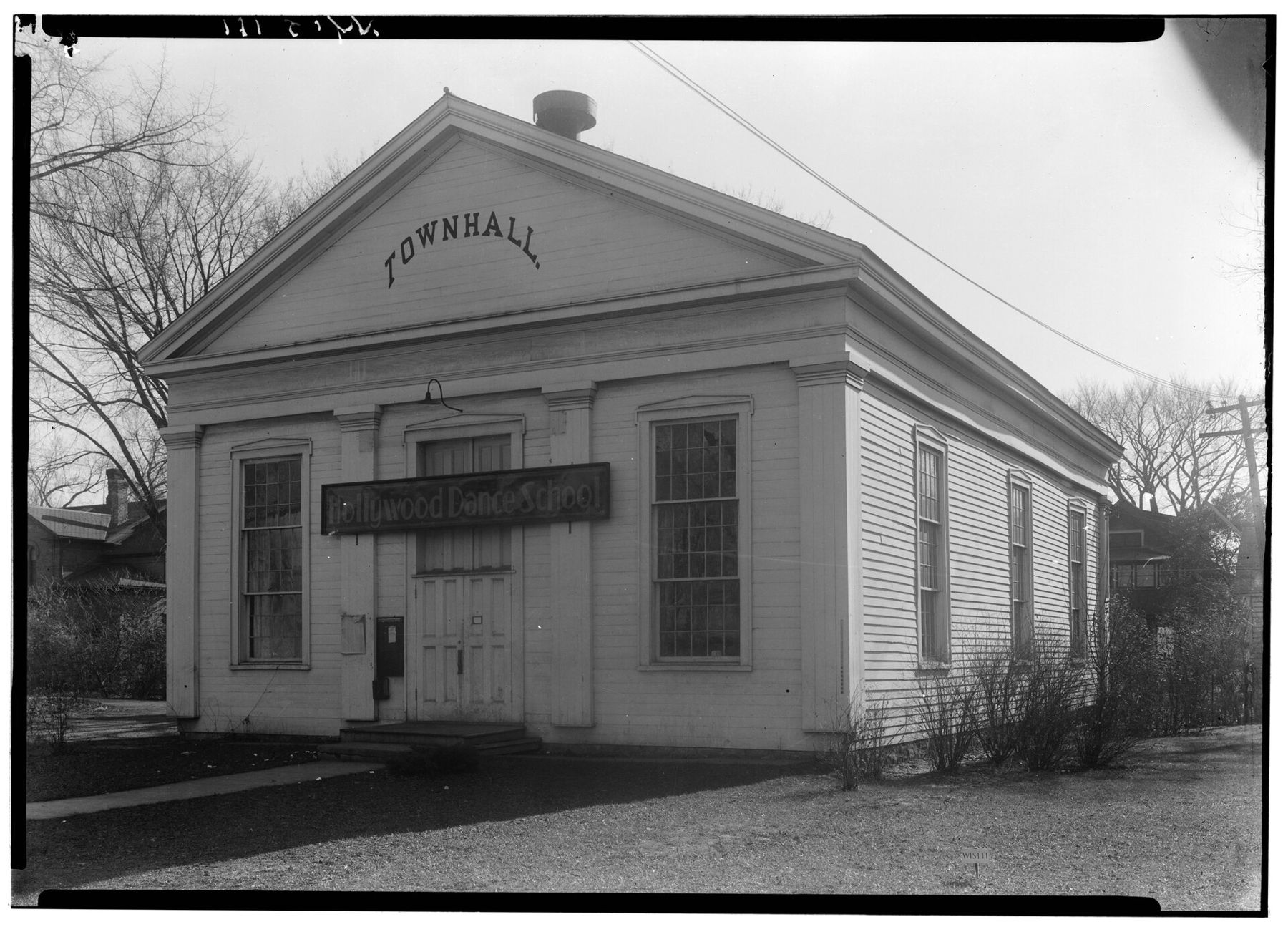
The town and the countryside around it hold a good number of mid-1800s buildings. Several were photographed for a federal survey of historic architecture in the twentieth century. The old wooden town hall, a white Greek Revival building with a plain front, served the community long before the modern government buildings went up.
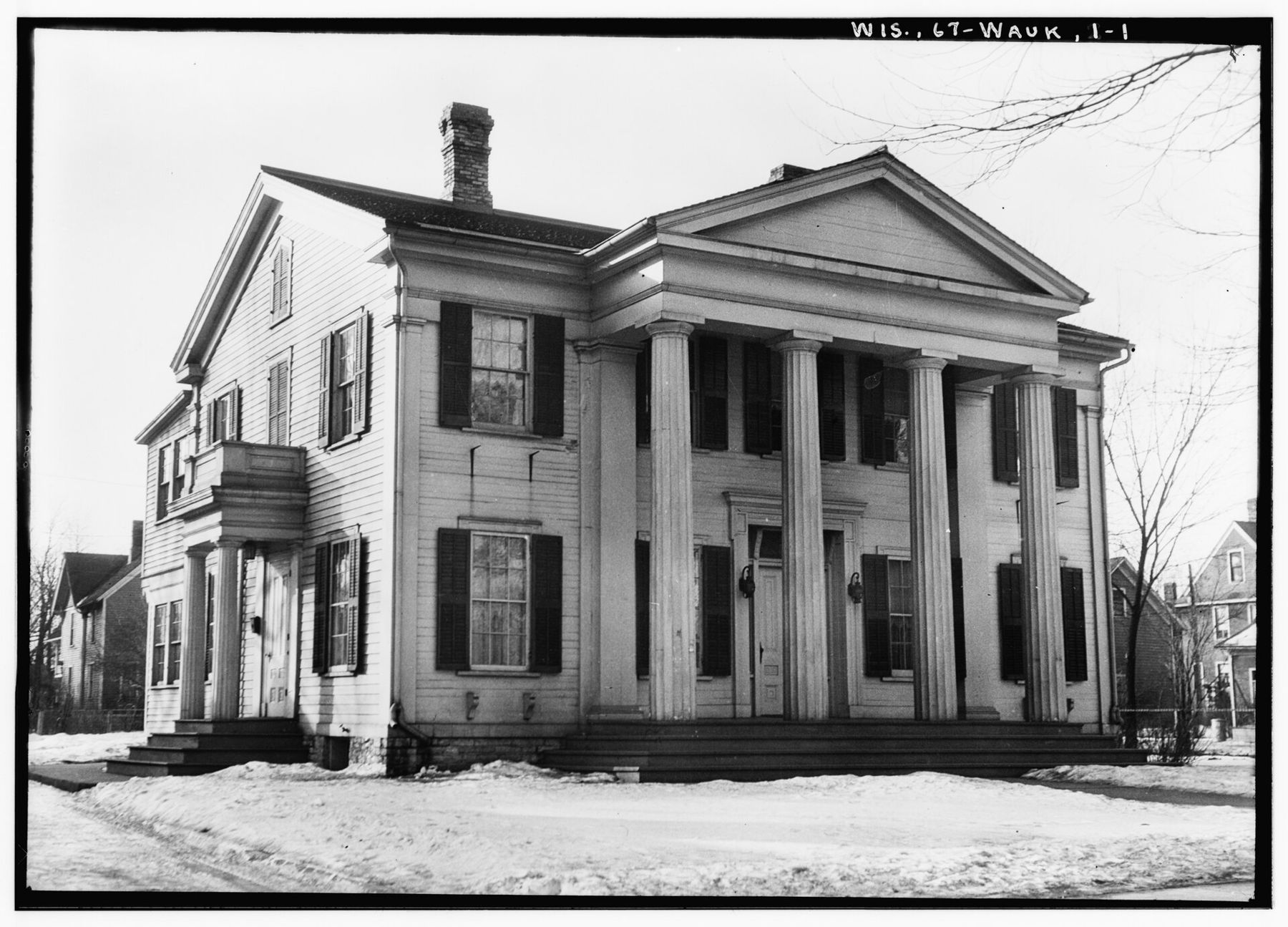
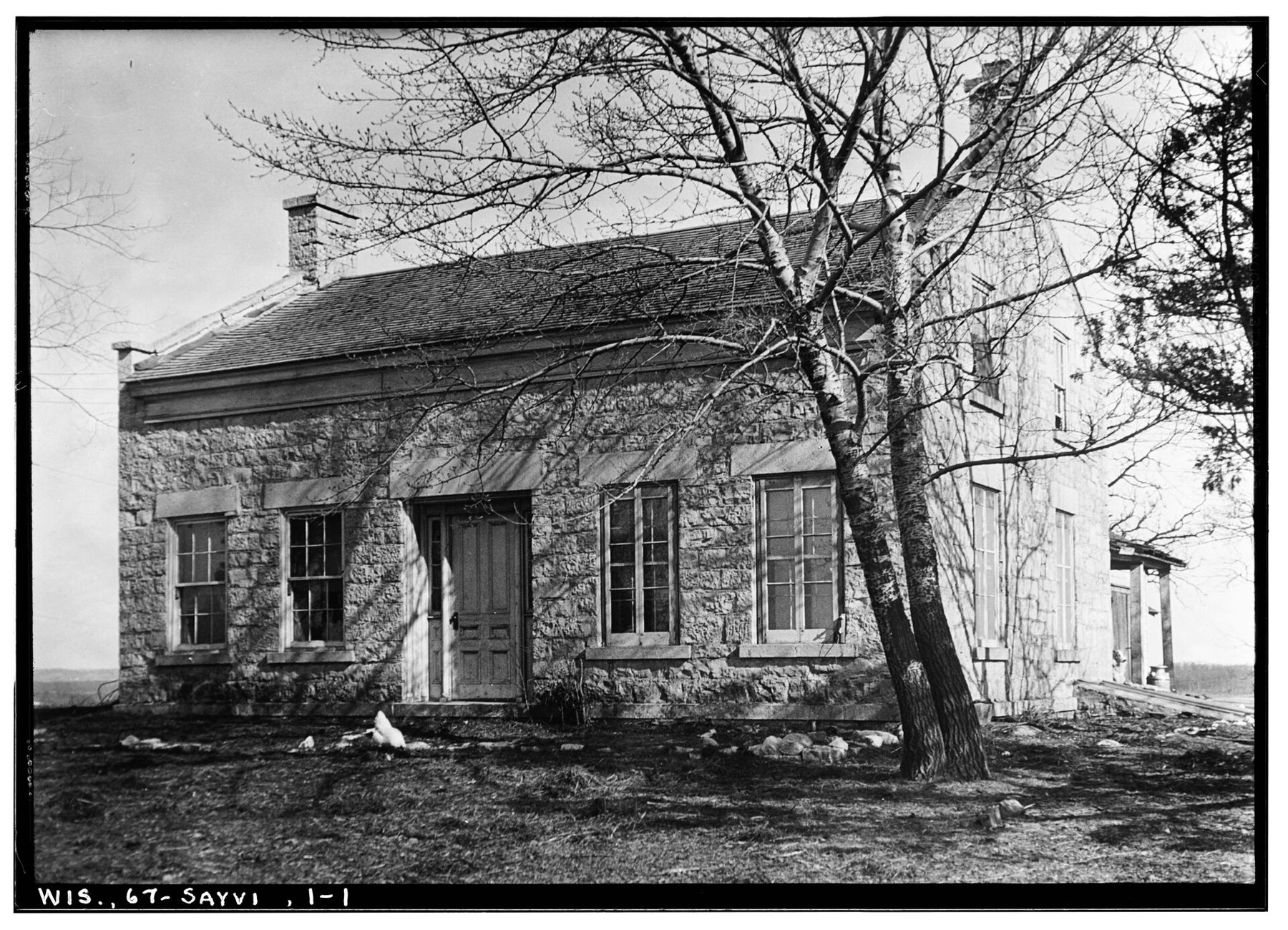
Out in the country, early settlers built with the stone the glaciers left behind. Fieldstone and quarried limestone farmhouses still stand along some of the town roads in Waukesha County, many of them lived in today. Look but do not trespass: almost all of them are private homes.
Seasons at Retzer
Spring is wet and loud with birds. Red-winged blackbirds call from the cattails from March, and the woods fill with migrants in May. Bring boots: the low trails hold standing water.
Summer belongs to the prairie. Walk early in the day to beat the heat and the deer flies, and carry water. There is little shade once you are out in the grass.
Fall is the best all-round season. The paths are dry, the views from the towers are sharp, and the grass colour peaks in October. If you want a longer day, combine Retzer with a walk at Lapham Peak, a short drive northwest, where the tower looks out over the Kettle Moraine.
Winter is quiet. When there is snow, the trails make an easy first outing on snowshoes, and the prairie seed heads stand up out of the drifts. Ask at the building which paths are packed before you head out.
Whatever the season, finish where you started, at the edge of the prairie, and give it ten minutes standing still. That is when the sparrows come back up onto the stems.