The year here does not start in January. It starts in the first warm week of March, when the sap begins to run in the sugar maples, the snow pulls back from the south slopes and the first red-winged blackbirds call from the cattails. From then on, every few weeks bring something new to the Kettle Moraine.
Spring: sap, mud and wildflowers
March is maple syrup season. Freezing nights and thawing days make the sap flow, and some nature centers and farms around the moraine hold sugaring programs. It is also the start of mud season. As the frost leaves the ground, trails turn soft and slick, and some close to bikes and horses until they dry out.
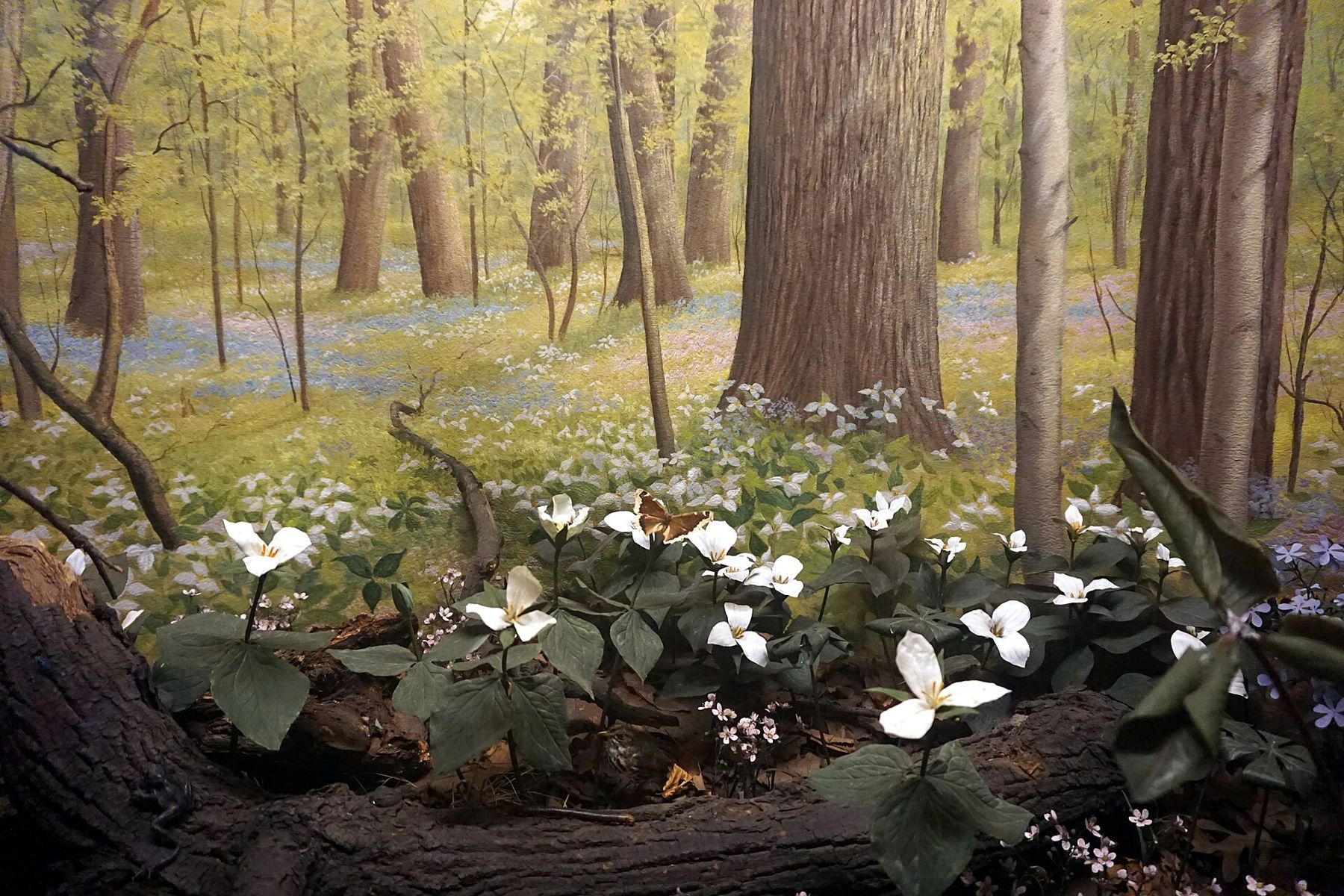
April and May bring the spring wildflowers. In the rich hardwood hollows, look for hepatica and bloodroot first, followed by trillium, wild geranium and mayapple, all racing to bloom before the leaves close over them. By mid-May the woods turn green and the warblers come through in waves.
Spring weather changes fast. A sunny 70-degree day can be followed by sleet. Pack layers and expect wet feet.
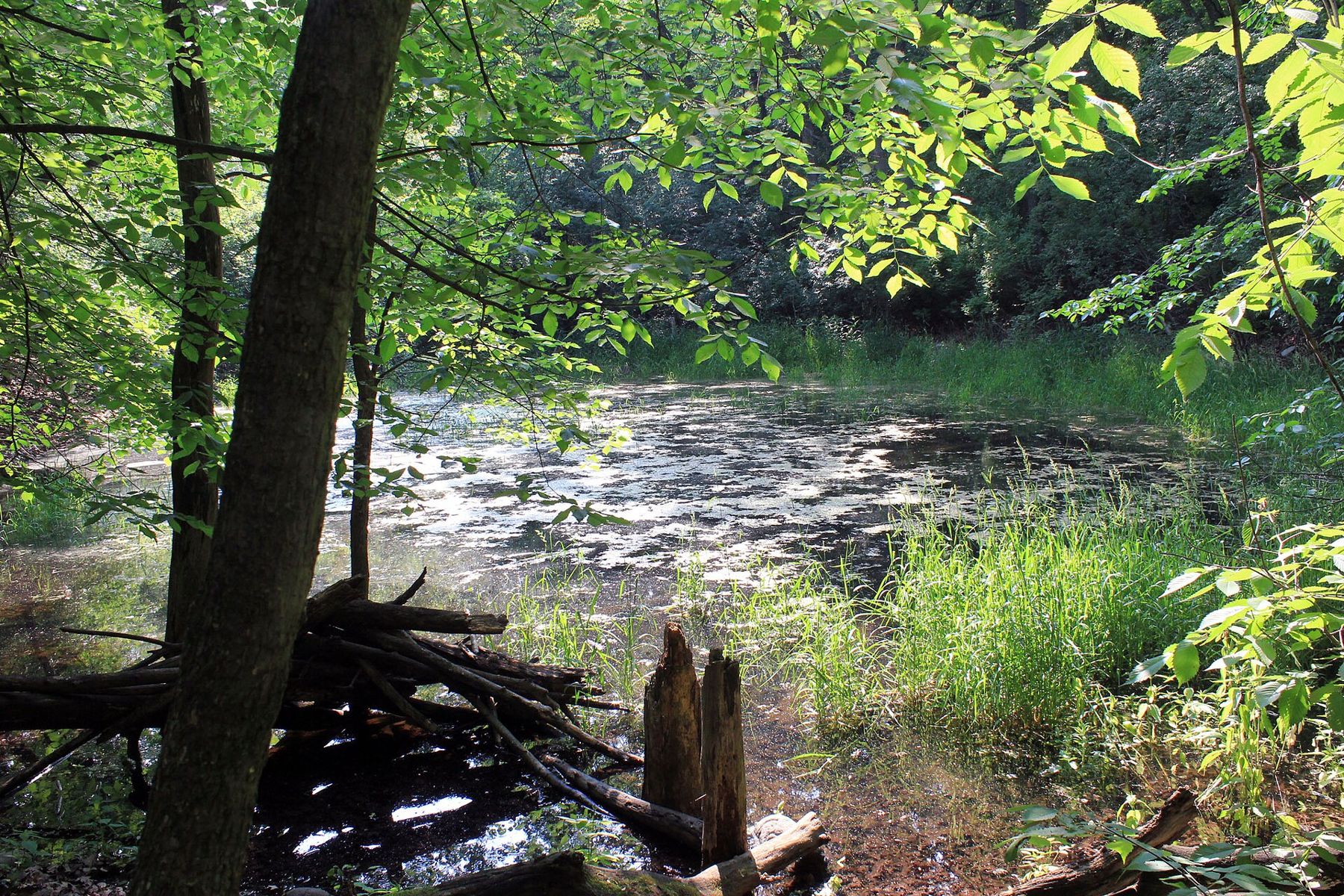
Spring is also the season to watch the water. Ice goes out on the kettle lakes in late March or early April, the marshes fill with returning ducks, geese and cranes, and frogs start calling from every flooded hollow on the first mild evenings. Walk the edge of a marsh at dusk in April and the chorus can be loud enough to drown out conversation.
Summer: lakes, festivals and long evenings
June brings long days, lush woods, and the first swimming weather. The kettle lakes warm through the summer, and the beaches at Ottawa Lake and Whitewater Lake get busy on hot weekends. Paddle in the morning, hike the ridges at midday when the breeze keeps the bugs down, and swim in the late afternoon.
July and August are festival season in the towns around the moraine, with county fairs, lake festivals, church picnics and summer concerts. See our page on summer festivals for the kinds of events to look for, and check the dates each year.
Expect heat, humidity and thunderstorms. Mosquitoes are thick in the wet hollows at dusk, and deer ticks live in the tall grass. Carry water and repellent, and check yourself after every walk.
Fall: color, cranes and harvest
For many people, fall is the best season in the Kettle Moraine. September brings cool nights, quieter trails and the first red sumac along the roads. Apple orchards and pumpkin farms open around the area, and the campgrounds empty out after Labor Day.
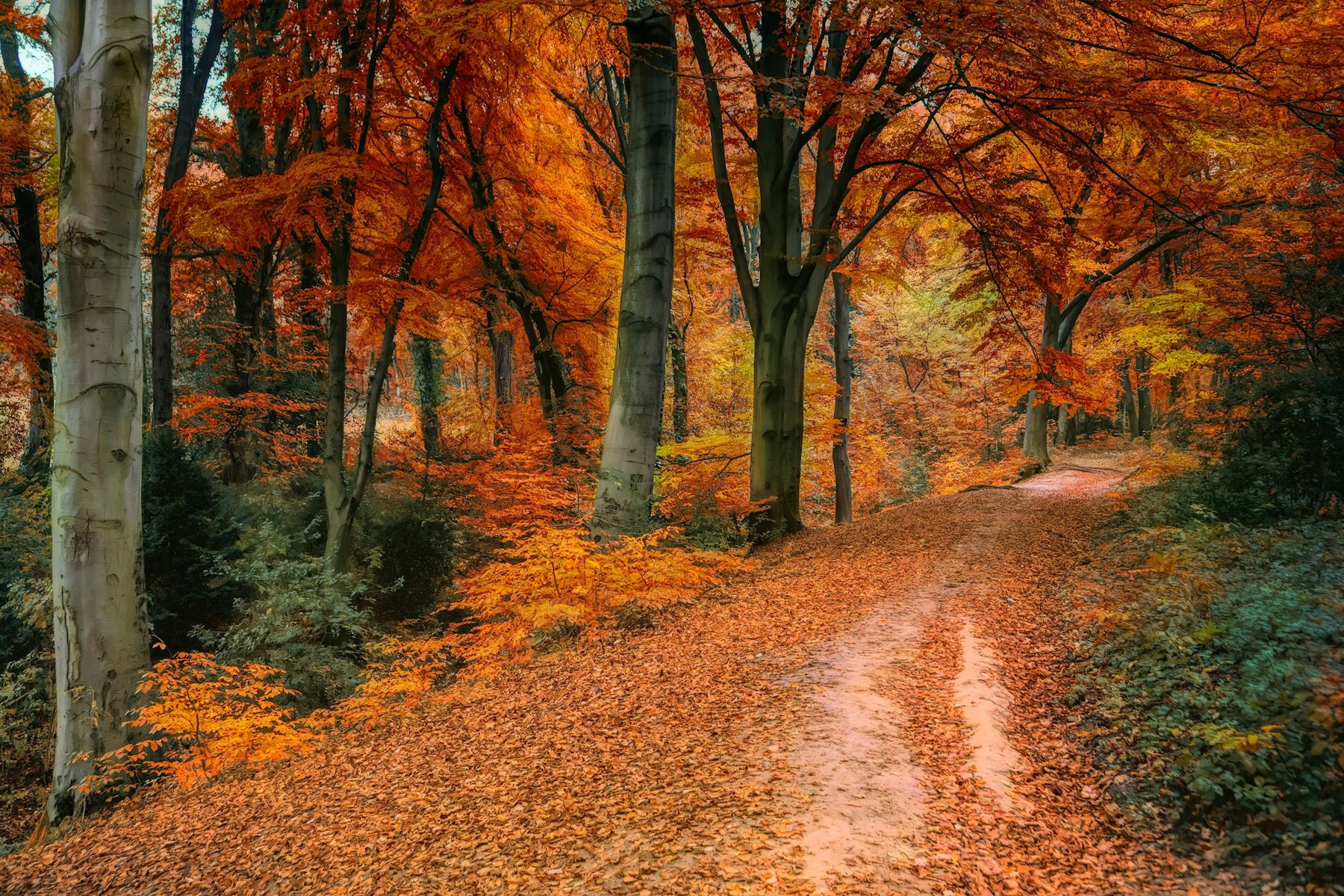
Fall color usually peaks in early to mid-October, when the maples turn orange and red, followed by the bronze of the oaks later in the month. At the same time, fall bird migration brings hawks overhead, flocks of cranes in the marshes and ducks and geese on the lakes.
Hunting seasons open in fall too. Wear blaze orange on the trails, and keep dogs leashed and visible.
November: the in-between month
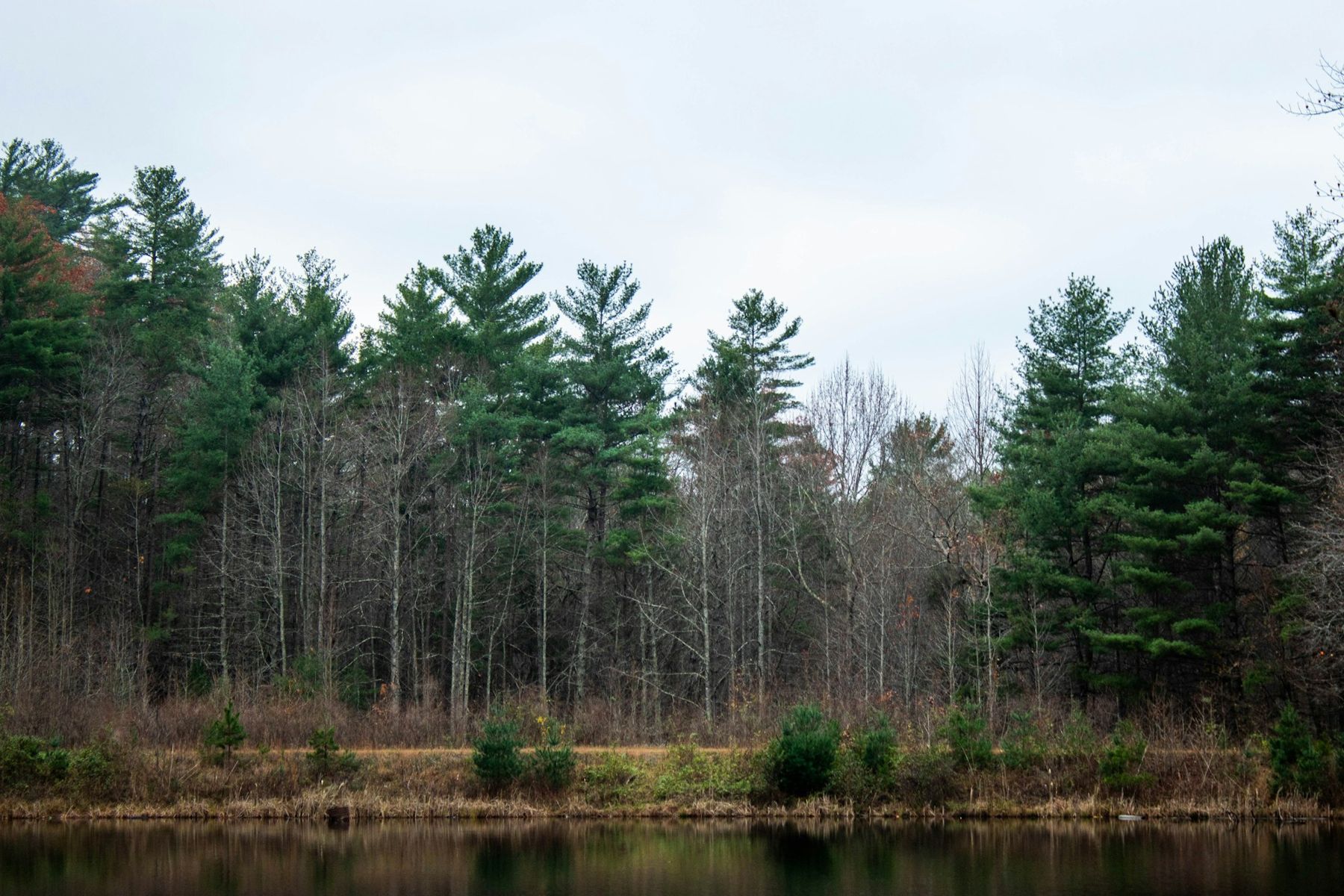
November is the month most visitors skip, and it has its own rewards. The leaves are down, the light is low and gold in the afternoons, and the long views across the kettles open up. The ridges and kettles left by the glaciers are easiest to read now, with nothing in leaf to hide them.
It is also the busiest stretch of the hunting year. The gun deer season usually falls around Thanksgiving, and many people stay off the trails that week. If you do go out, wear blaze orange from head to waist, keep to the main trails and leave the dog at home. Check the season dates each year, since they shift with the calendar.
By late November the first skim ice forms on the small ponds, and the moraine settles in to wait for snow.
Winter: snow, skis and quiet
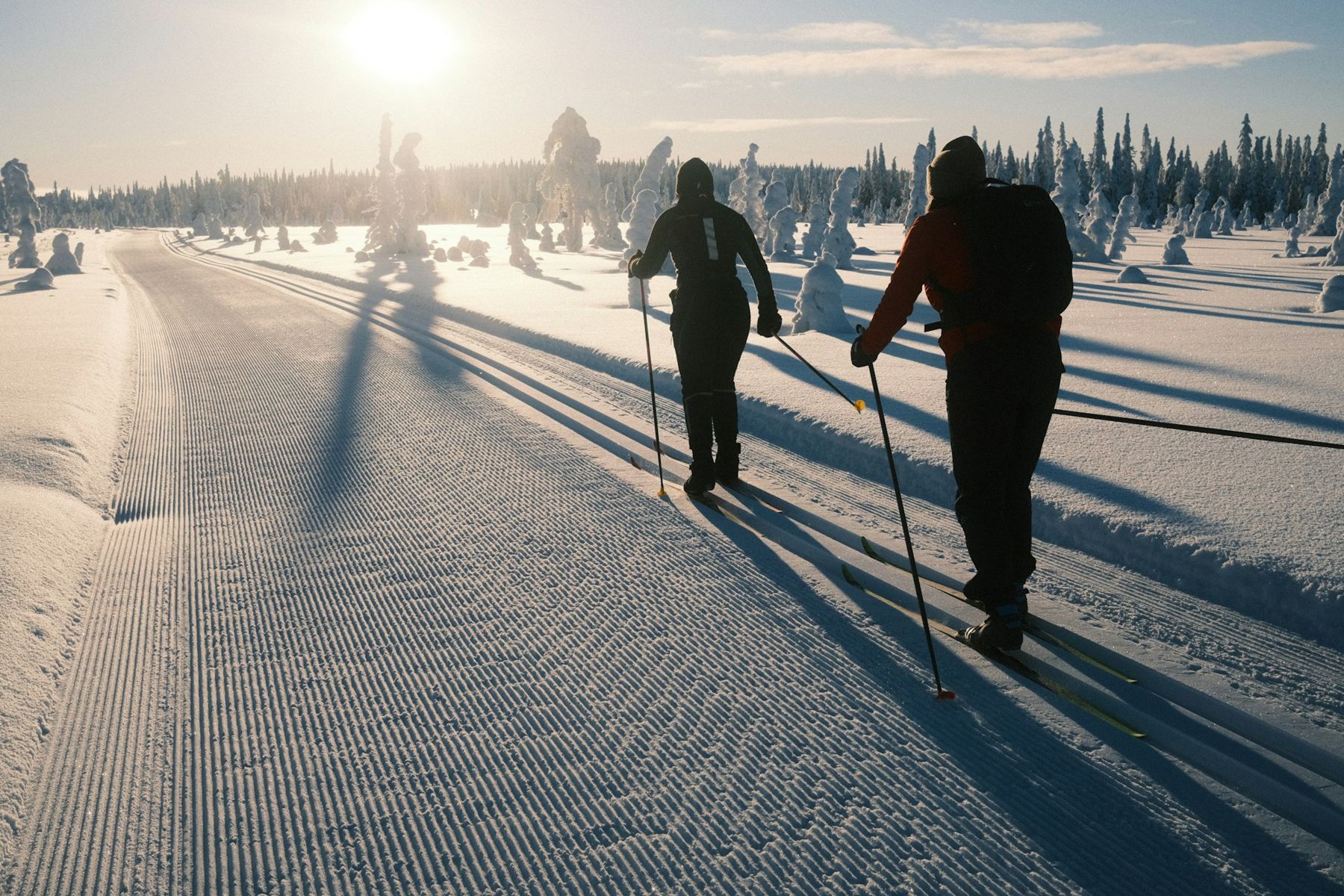
Snow can come any time from November, but steady cover usually waits until late December or January. Once it does, the groomed trails open for cross-country skiing, and snowshoers have the rest of the forest to themselves. Lapham Peak has lit trails and, in some winters, man-made snow, so skiing can start there earlier than on the natural-snow trails.
Winter is the quietest season. The trails are empty, the oaks hold their brown leaves, and you can see the shape of the land, its kettles and ridges, far better than in summer. On clear, cold nights, the dark skies away from the towns are good for stargazing.
Once the lakes freeze solid, shanties and anglers appear on the ice, and on calm days you can hear the ice boom and crack as it settles. Never walk on lake ice unless you know its thickness; conditions vary across a single lake, especially near inlets, springs and pressure ridges.
Roads can be slick, especially the hilly county roads. Check conditions before you head out, and keep a winter kit in the car.
Picking your season
- For hiking: late May to mid-June, or September to October, when the weather is mild and the bugs are fewer.
- For swimming and paddling: July and August, when the lakes are warm.
- For color: the first three weeks of October.
- For skiing: January and February, when the snow is most reliable.
- For solitude: any weekday from November to March.
Whichever month you choose, start early. The light is best in the morning, the parking lots are emptier, and the deer are still out at the edge of the fields when you pull in.