Stand on a hilltop in the Southern Kettle Moraine on a clear night and look east. A dome of orange light sits on the horizon: that is Milwaukee. To the south there is a fainter glow from northern Illinois. Turn west, toward Jefferson County, and the sky goes darker. These are not truly dark skies, but they are far darker than any city, and on a moonless autumn night the Milky Way runs plainly overhead.
This page covers where to go, when to look, and the observatory on Geneva Lake that made this corner of Wisconsin famous among astronomers.
Finding a dark enough spot
The rule is simple: put distance and a hill between you and the nearest town. Every mile west of the Milwaukee suburbs helps, and a ridge or a stand of trees on your eastern side blocks the worst of the glow.
- Look for open ground. Prairie openings, big fields and lake shores give you a low horizon all round. A forest trail shows you a strip of sky and little else.
- Stay legal. Use a public lot or pull-off, never a farm lane or a narrow road shoulder. Most state properties close late in the evening to anyone who is not camping, so check the hours.
- Camp for the late hours. A campsite lets you stay out past closing. At a campground such as Ottawa Lake, walk away from the lit areas and the campfires before you look up.
- Tell someone. Phone signal is patchy in the kettles, and the ground is uneven in the dark.
Snow on the ground and a bright moon both raise the sky's brightness. Haze does too: after a cold front clears the humidity out, the sky is at its sharpest.
Yerkes Observatory
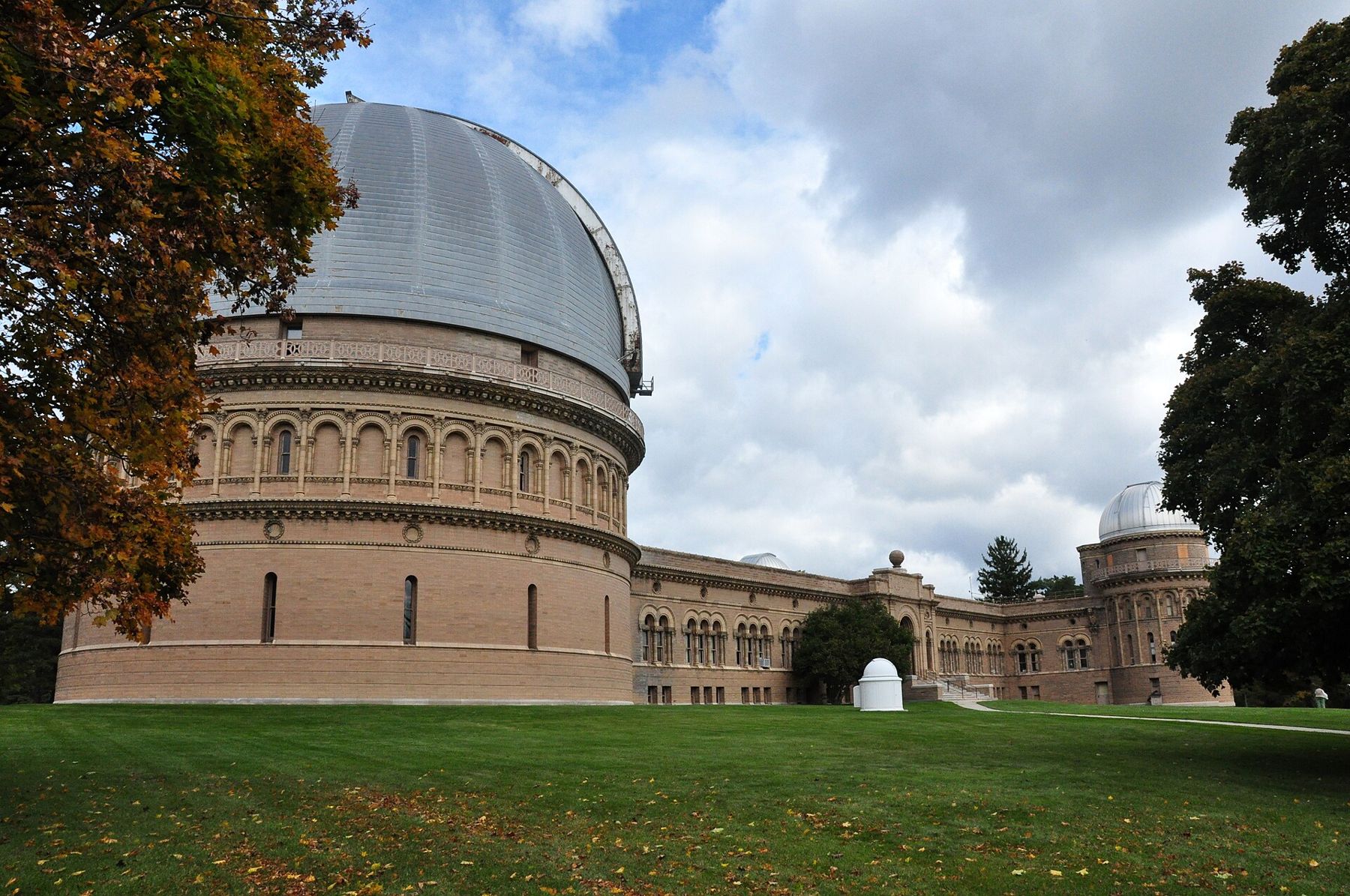
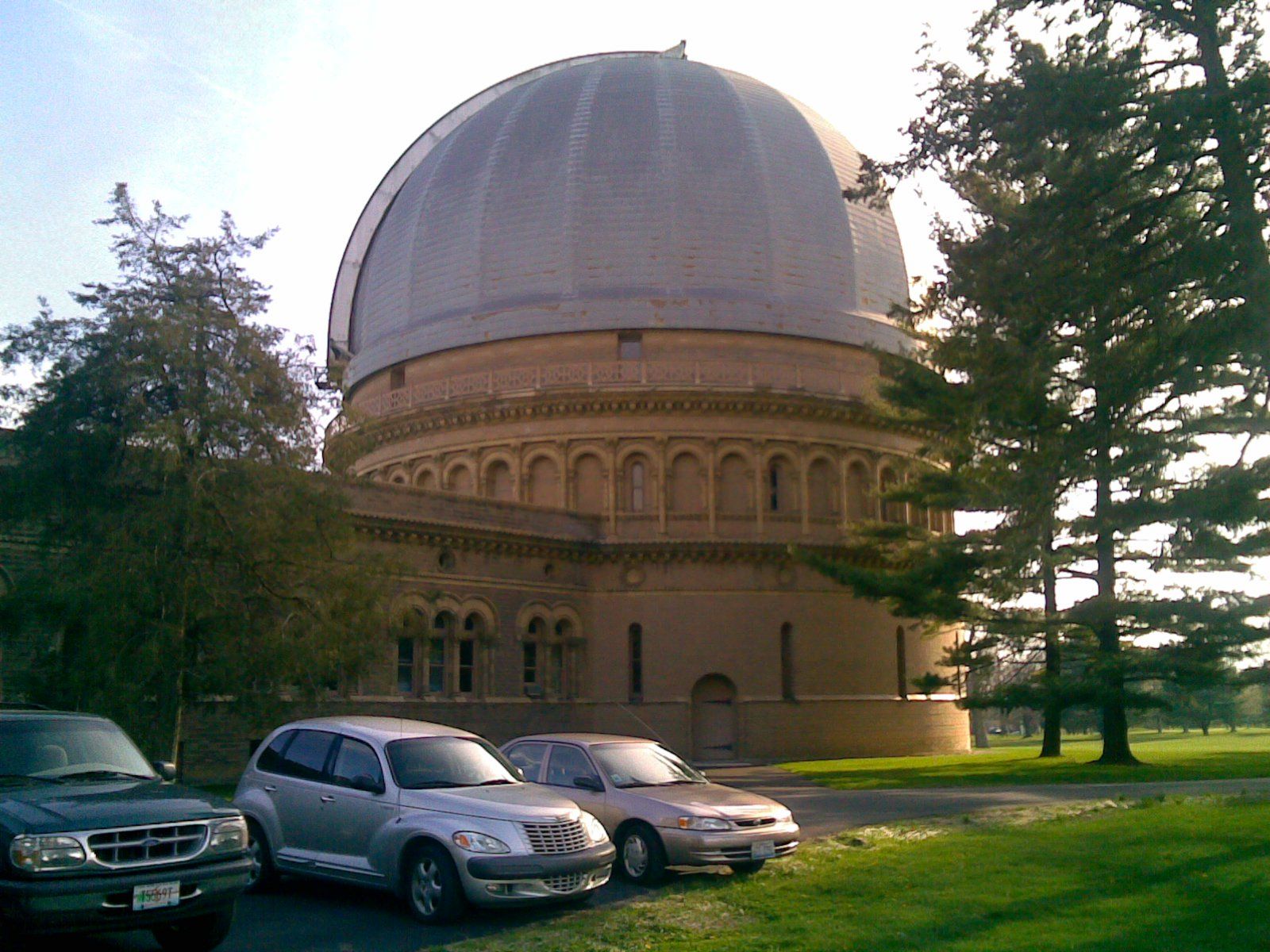
On the north shore of Geneva Lake at Williams Bay stands a domed observatory built for the University of Chicago and opened in 1897. It was paid for by Charles Yerkes, a Chicago streetcar magnate, and placed far enough from the city to escape its smoke and lights. Its 40-inch telescope is a refractor, using a lens rather than a mirror, and it is one of the largest refracting telescopes ever built.
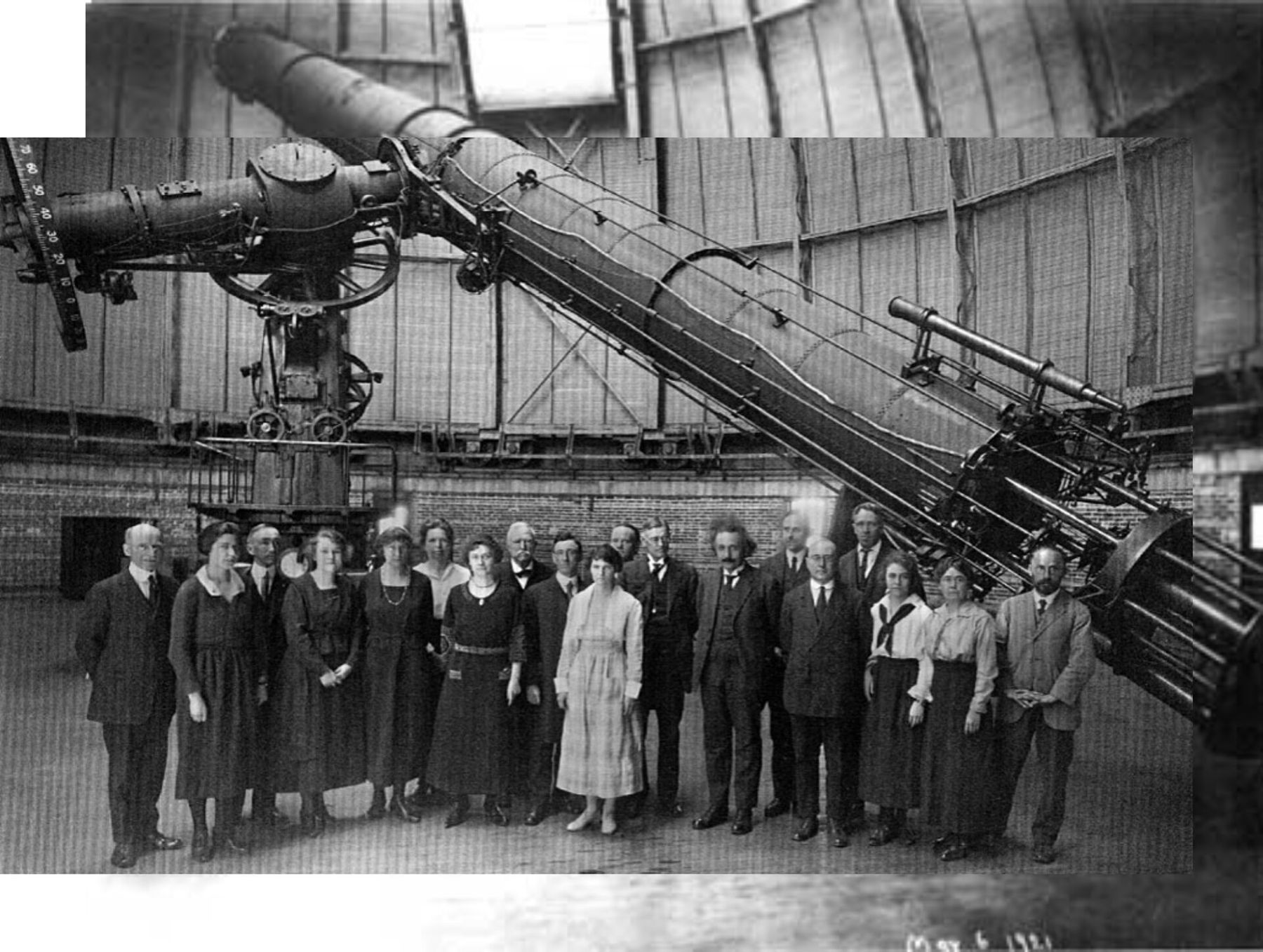
For much of the twentieth century Yerkes was one of the leading observatories in the country. Albert Einstein visited in 1921 and was photographed with the staff beneath the great telescope. The university ended its work there in 2018, and a nonprofit has since taken the observatory over and opened it for tours and programs. Check the current schedule before you go. Our page on Yerkes Observatory tells the full story, and Lake Geneva covers the rest of the lake.
Meteor showers
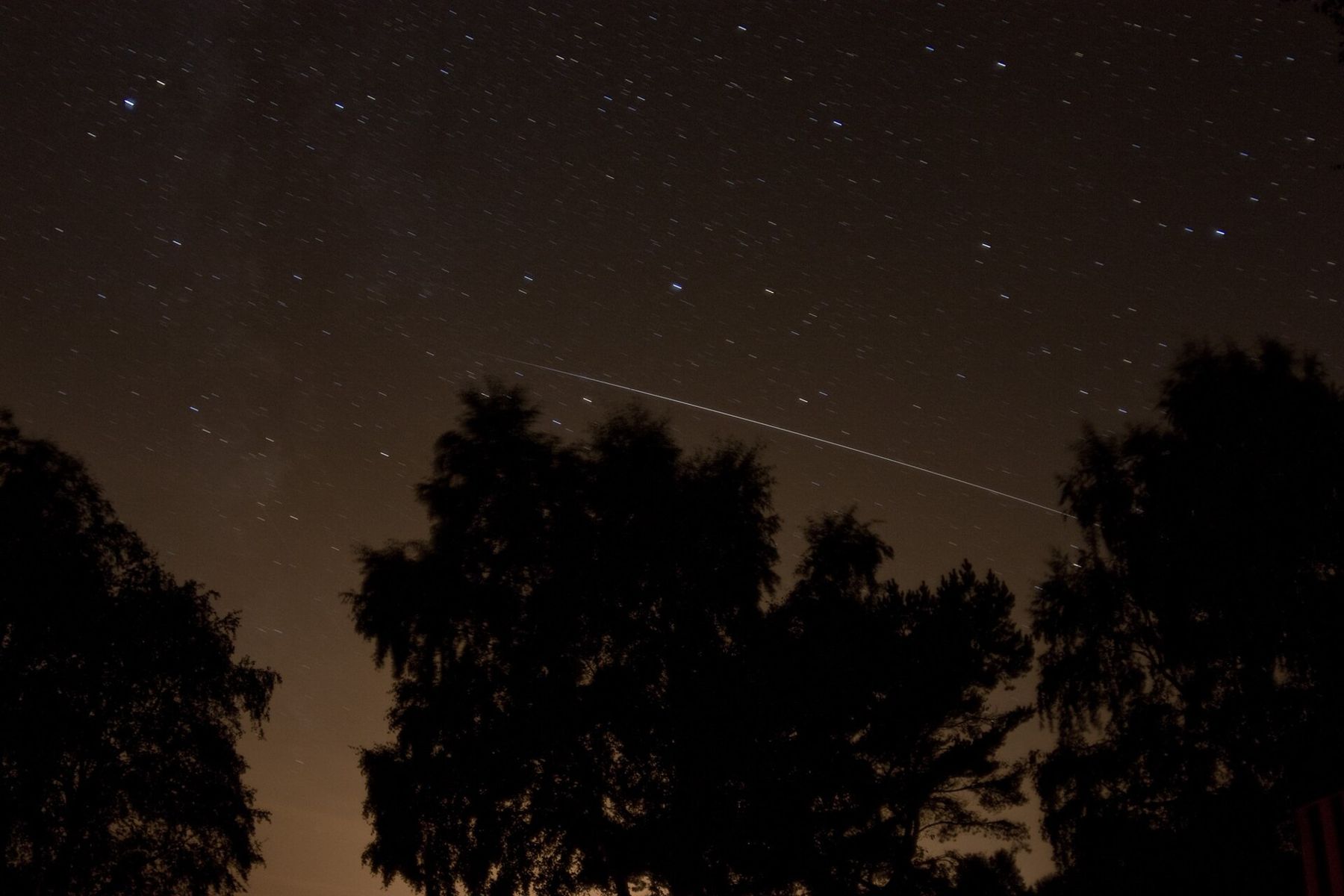
The big showers come back on roughly the same nights every year. How many meteors you see depends on the moon and on how dark your spot is, so check the moon phase for this year's peak.
- Perseids, around August 12. The favorite of the year: warm nights, school still out, and a steady rate of bright meteors after midnight.
- Orionids, around October 21. A modest shower, best in the hours before dawn, on crisp autumn nights.
- Geminids, around December 13 and 14. Often the strongest shower of the year, and active from mid-evening, but you will be standing in the cold.
- Quadrantids, early January. A short, sharp peak that is easy to miss. Watch only if the timing and the weather line up.
Lie back on a reclining chair or a pad, face a broad patch of dark sky rather than one point, and give it at least 45 minutes. Meteors come in clusters and lulls.
Summer sky, winter sky
On summer evenings the brightest part of the Milky Way lies low in the south, in Sagittarius and Scorpius. From here that means looking toward the glow of northern Illinois, so the view is better from a spot with a dark southern horizon, such as a lake shore facing south. The Summer Triangle of Vega, Deneb and Altair stands high overhead. Summer air is often hazy, and mosquitoes are thick near water; see our note on mosquito season.
September and October are the best months for most people. The air dries out, darkness comes early enough for an evening outing, the Milky Way arches straight overhead after dark, and the insects are gone. From a dark spot, look for the Andromeda Galaxy as a faint smudge high in the eastern sky.
Winter brings the brightest stars: Orion, the Pleiades, Taurus and Gemini, sharp and steady after a cold front. It also brings cold that stops you enjoying them. Dress as if you were going ice fishing, and keep sessions short.
Through a telescope
If you would rather look through a real telescope than buy one, watch for public observing nights. Astronomy clubs in the Milwaukee and Madison areas and some nature centers set up telescopes for visitors on clear evenings, often around the first-quarter moon, when craters stand out sharply along the shadow line. Retzer Nature Center near Waukesha has a planetarium with public shows. Schedules depend on the weather and change from year to year, so check on the day. Bring children: a first look at the rings of Saturn tends to stay with people.
What to bring
- A reclining chair or a foam pad, and a blanket.
- More warm layers than you think. Dew falls even on August nights.
- A red light, or a headlamp with a red setting.
- Binoculars. A pair of 7x50 or 10x50 shows star clusters and the moons of Jupiter.
- A star chart, or a phone app set to night mode with the screen dimmed.
- Insect repellent in summer and a hot drink in winter.
Give your eyes 20 to 30 minutes in full darkness before you judge the sky. Then switch off the car's interior light before you open the door, stand still, and let the faint stars come.