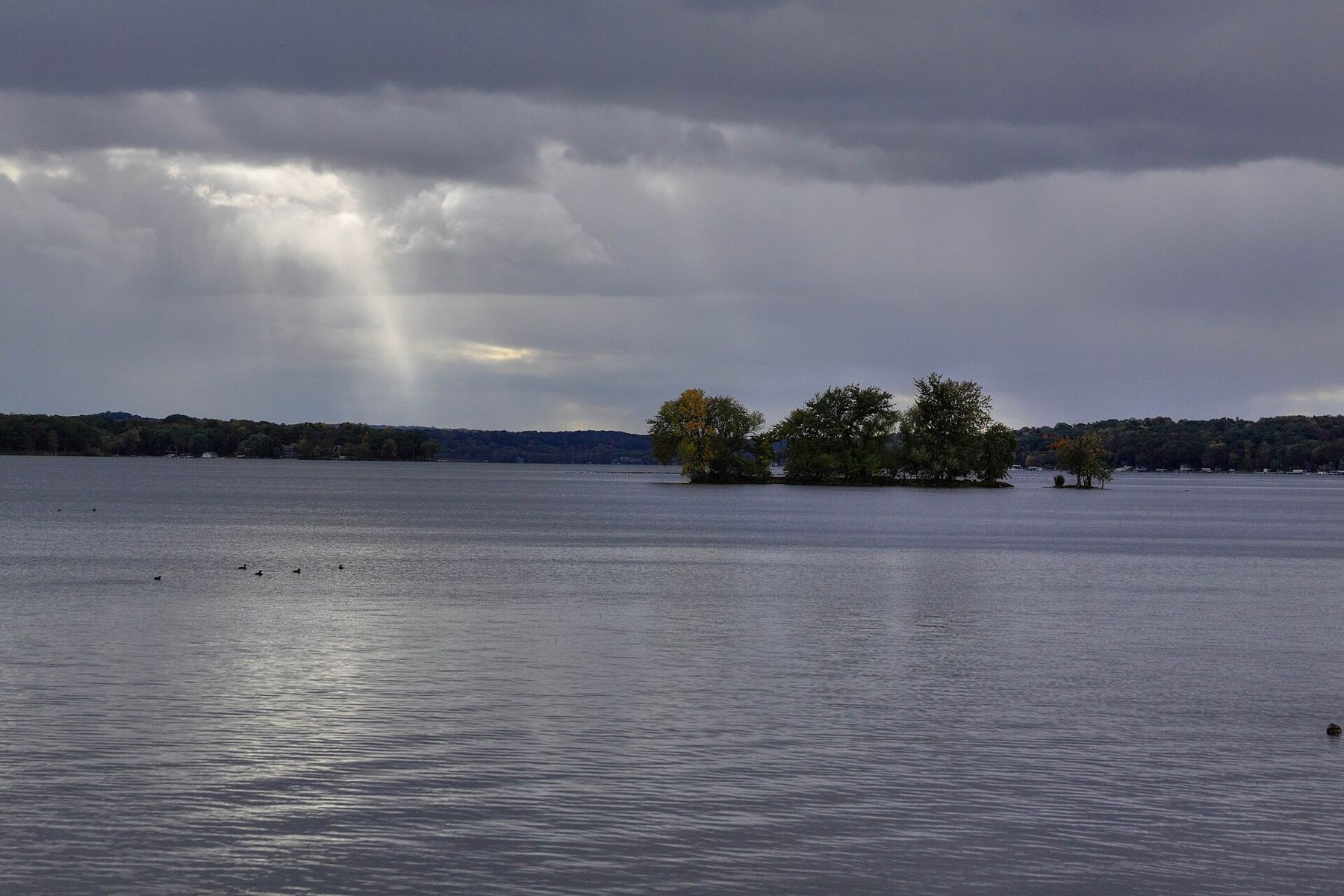
Pewaukee Lake runs east to west for about four and a half miles, from the village of Pewaukee at its eastern tip to the farmland and marshes near Delafield at the west end. At roughly 2,500 acres it is the largest lake in Waukesha County, big enough for open-water sailing, and close enough to Milwaukee that on a summer Saturday it feels like half of Waukesha County is out on it.
The lake is a working playground. Sailboats race on weeknights and weekends in summer, ski boats circle the open middle, fishing boats tuck into the weed beds, and in winter the ice fills with shanties. The village end gives you a beach, a lakefront walk and places to eat within a few steps of the water.
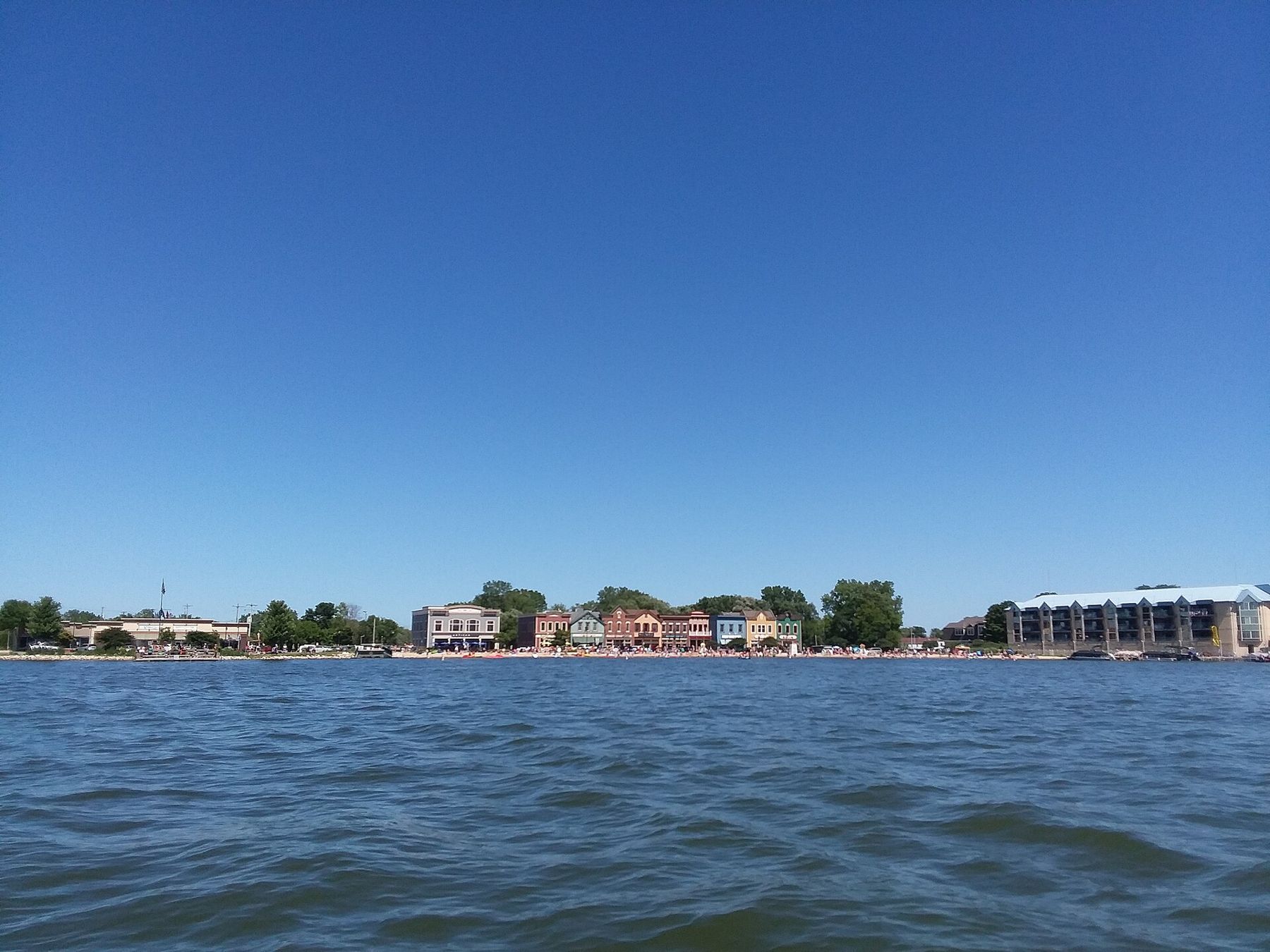
The village beach and lakefront
At the east end, the village of Pewaukee has built its lakefront into a small public park: a sand beach with a marked swimming area, lawns, benches and a walkway along the shore. The beach is open in summer with set hours and charges for entry. Lifeguards are on duty at some times and not others, so watch children closely regardless.
The east end is the shallow end of the lake, which keeps the water warm early in the season. It also means weeds grow thick by midsummer, and blooms of algae can appear after hot, still spells. If the water looks green and soupy or carries a scum, stay out and keep dogs out. Our page on lake safety and algae explains the signs.
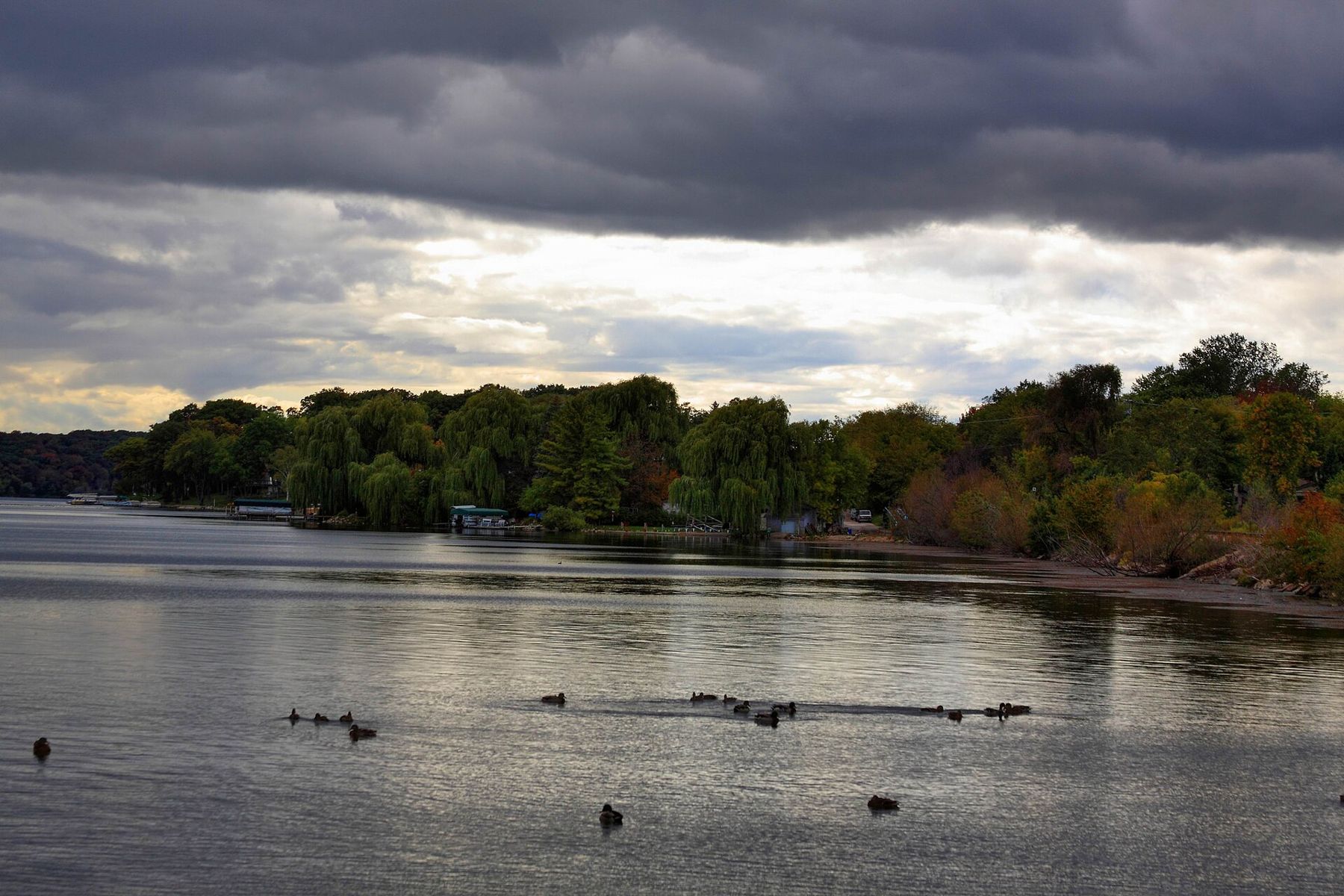
In the cooler months the lakefront walk is still worth the stop. Come on a clear October afternoon to watch the last sailboats come out of the water, or in December to see the first skim of ice spreading from the shallow east shore.
Walk from the beach into the village for ice cream, a fish fry or a beer on a deck over the water. The streets nearest the lake hold most of what you need, and you can leave the car parked for the afternoon.
On the water
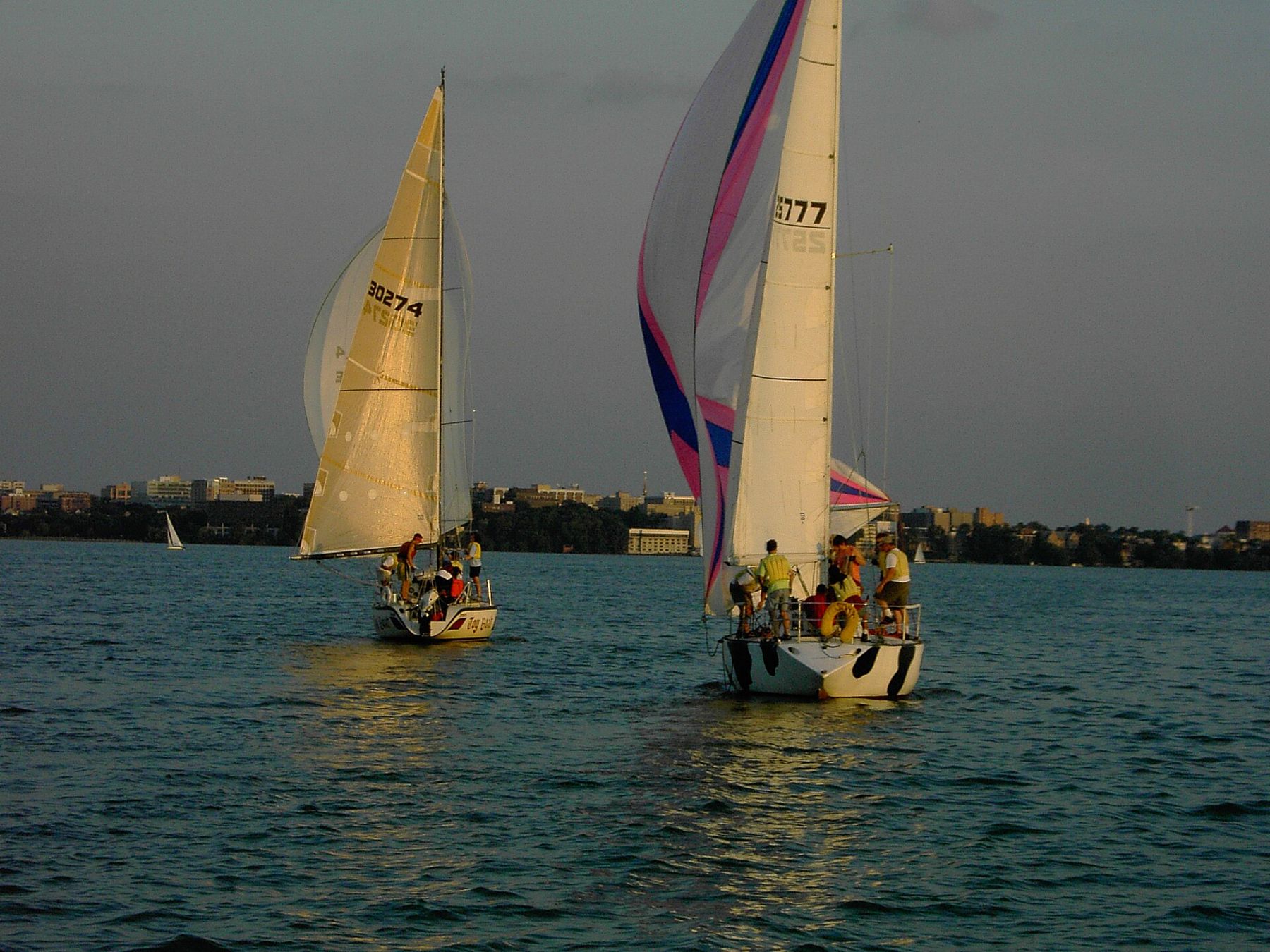
Pewaukee Lake has a long sailing tradition, with a yacht club and sailing school on its shores and regular racing through the summer. The prevailing winds blow along the lake's long axis, giving sailors room to run. If you are in a small boat, give the race courses a wide berth on weeknight evenings and weekend mornings.
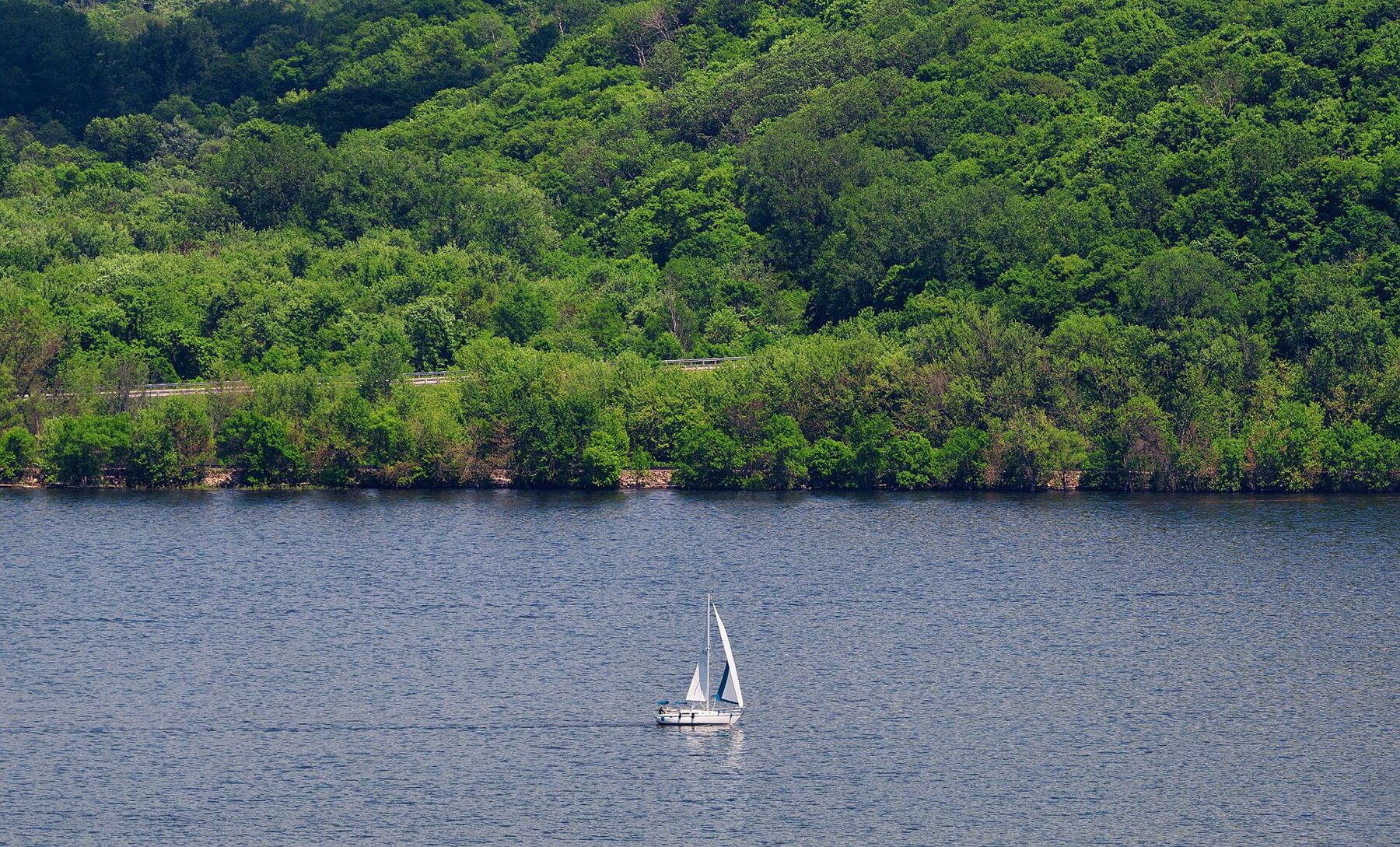
Powerboats and personal watercraft share the open middle. Slow-no-wake rules apply near shore and at certain hours, and the lake district posts its own rules at every launch. Read them. On a crowded weekend afternoon, the safest place for a kayak or paddleboard is close to shore in a quiet bay, or on the water before nine in the morning.
Wear a life jacket on any small craft. The open water can kick up a steep chop when a westerly builds, and the waves from passing boats bounce off seawalls along the developed shore.
Fishing
The lake holds largemouth and smallmouth bass, northern pike, walleye, muskellunge and plenty of panfish: bluegill, crappie and yellow perch. The weed edges and drop-offs are where most anglers start. A Wisconsin fishing licence is required for anyone sixteen or older, and size and bag limits apply; check current regulations for Waukesha County waters before you go, and see our fishing licences page.
The weed beds that frustrate swimmers are what make the fishing. Work the outside edge of the weeds in early summer, and move deeper as the water warms. Early morning and the last hour of light are the most productive times, and also the quietest on the water.
Ice fishing on Pewaukee Lake
When the lake freezes, usually some time in late December or January, Pewaukee becomes one of the busiest ice fishing lakes in southeastern Wisconsin. Shanties cluster over the weed edges and drop-offs, and on a mild Saturday the lake looks like a small village of plywood and pop-up tents.
Ice on a lake this size is never uniform. Springs, inlets, channels near the village and pressure ridges all create weak spots, and vehicles and snowmobiles add their own risk. Check thickness yourself as you go out, follow established trails when you can, carry ice picks around your neck and never go out alone. In early winter and late February into March, stay off entirely unless you are sure. Read our page on ice fishing basics before your first trip.
Dress for the wind. Pewaukee Lake is long and open, and a west wind across the ice feels far colder than the thermometer says. Bring a sled for your gear, cleats or spikes for your boots, and a thermos.
Bait shops near the lake are the best source of up-to-date reports on ice and on where fish are biting. Stop at one on your way, buy your minnows and ask.
How to arrive
Pewaukee sits just north of Interstate 94 about twenty miles west of downtown Milwaukee. From the interstate, take the exit for Pewaukee and follow the signs north into the village; the lake appears at the end of the main street. Allow about thirty minutes from Milwaukee in normal traffic. Highway 16 runs along the north side of the lake and gives access to the western end.
Public launches serve the east end near the village and the west end of the lake. Each has its own lot, fees and rules, and the trailer parking fills early on summer weekends. Clean, drain and dry your boat before and after: Wisconsin law requires it, and moving invasive weeds from lake to lake is how they spread.
If you are staying in Lake Country, Pewaukee pairs well with Nagawicka and the Nemahbin lakes a few miles west, or with an afternoon on the bike trails that run out of nearby Delafield.
When to go
June and early July give you warm water before the weeds are at their thickest. August is busiest. September brings quiet weekdays, warm water and the first colour in the trees on the west end. For ice fishing, the safest weeks are usually mid-January to mid-February, but every winter is different; let the ice decide.
Whatever the season, walk out to the end of the village lakefront at sunset and look west down the long axis of the lake, the water going from silver to orange as the last sails come in.