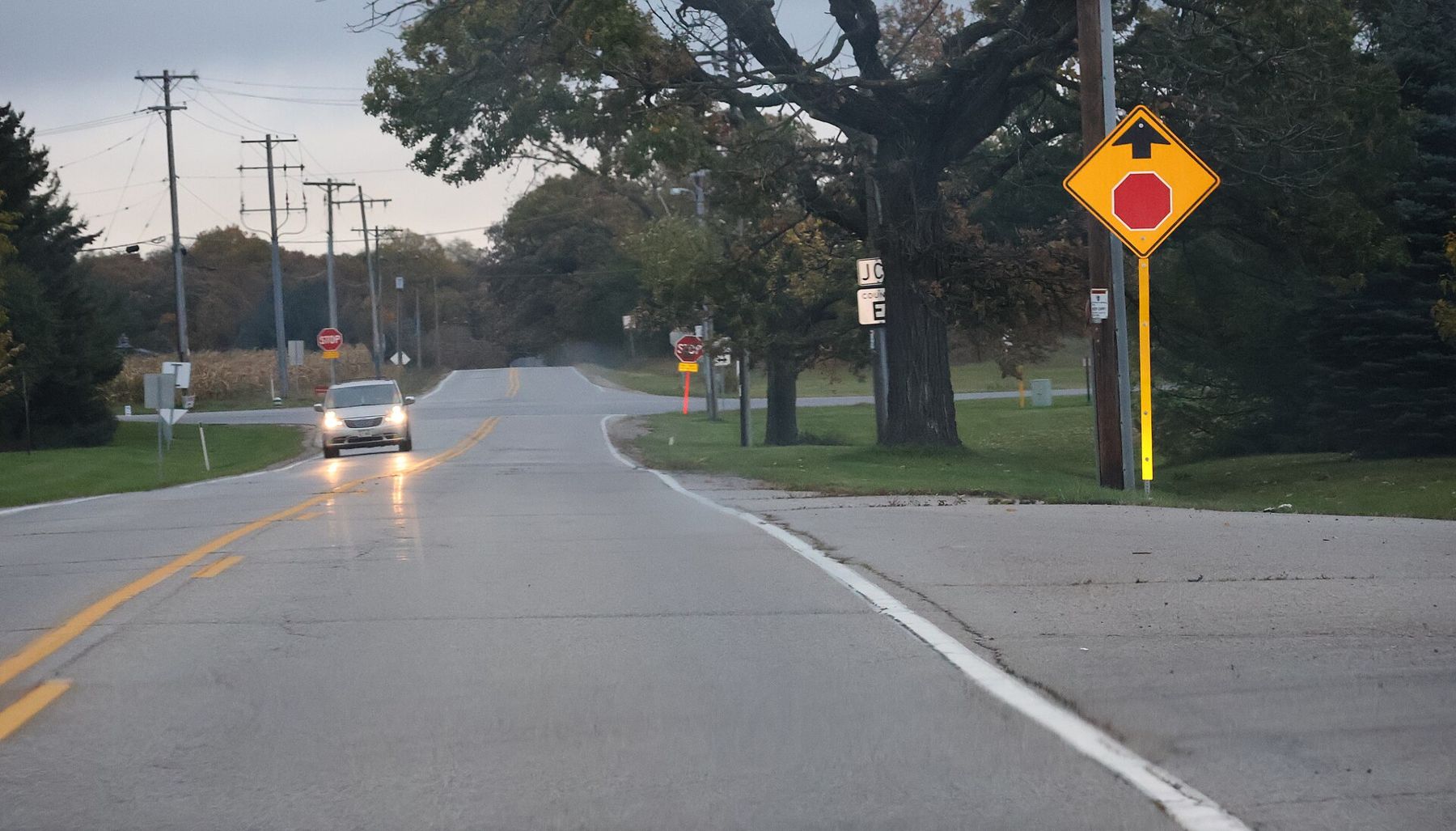
Two state highways cross in the middle of Eagle. WIS 59 runs east to Waukesha and west to Palmyra and Whitewater; WIS 67 runs north to Dousman and Oconomowoc and south past Old World Wisconsin toward Elkhorn. Stand at that corner and the whole Southern Unit of the Kettle Moraine State Forest is within a 15-minute drive.
Eagle is a village of a couple of thousand people in the southwest corner of Waukesha County. It has a downtown of a few blocks, a grain-and-railroad past, churches with tall steeples, and the kind of small-town services you need before a day outside: fuel, groceries, a hardware counter, a few places to eat. It is not a resort town. That is its use to you. You sleep, eat and fill a water bottle here, then spend the day on the moraine.
How to arrive in Eagle
From Milwaukee, drive west on I-94 and take WIS 67 south through Dousman, or take I-43 southwest and come in on WIS 59 or the county roads past Mukwonago. Either way it is roughly an hour from downtown Milwaukee, longer at rush hour. From Madison, take I-94 east to WIS 67 south, or follow US 12 to Whitewater and WIS 59 east through Palmyra; both take a little over an hour. From the Chicago area, come north on I-43 or US 12 and cut west on the county roads; allow two hours or more.
There is no passenger rail and no regular bus service to Eagle, so plan on a car or a bicycle. The freight line that runs through the village is active: don't walk the tracks and watch for trains at the crossings.
Inside the village, park on the street or in the small public lots near the center. Parking is free and rarely tight except during the village's summer festival weekends.
Old World Wisconsin, south of the village
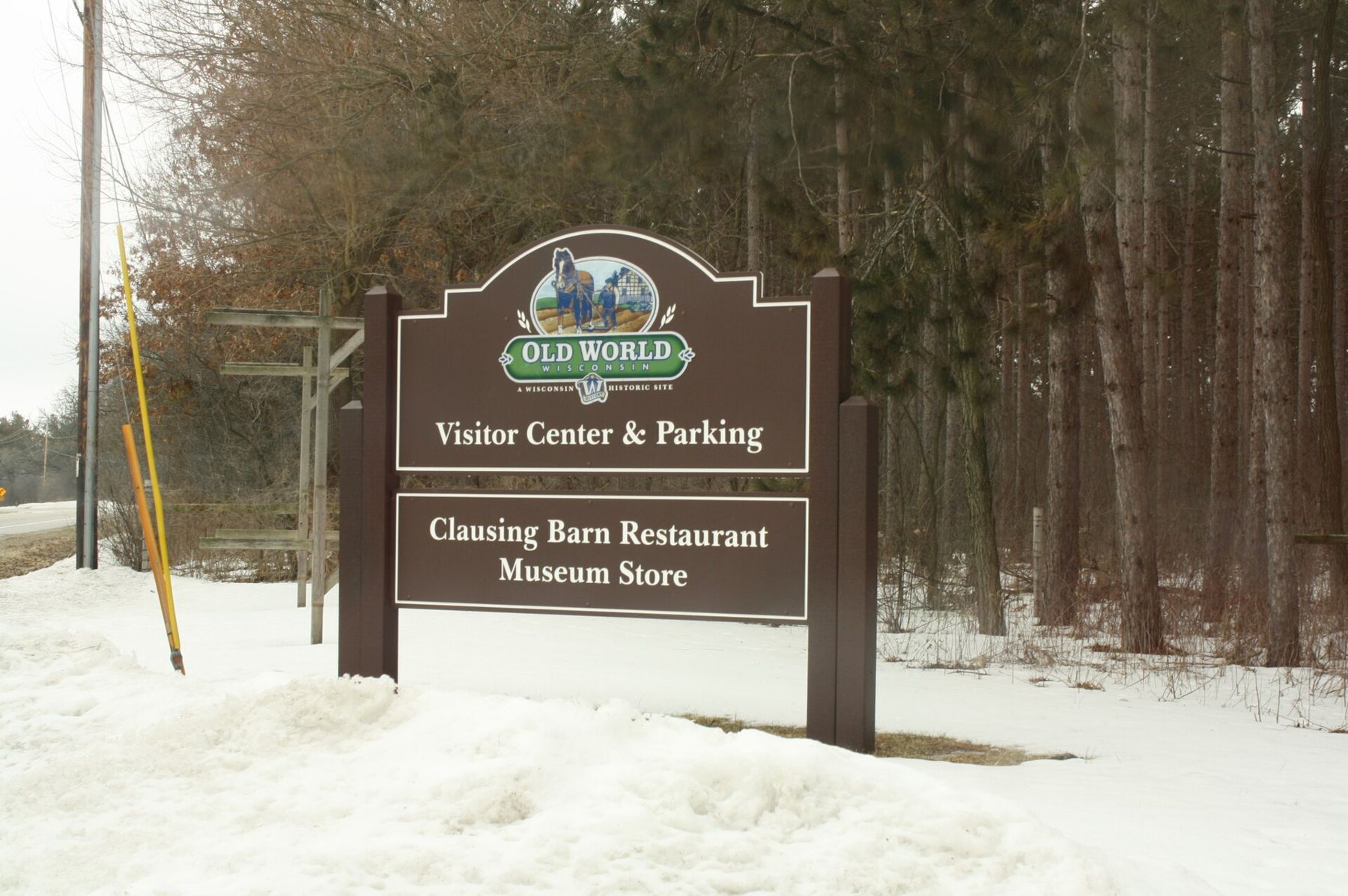
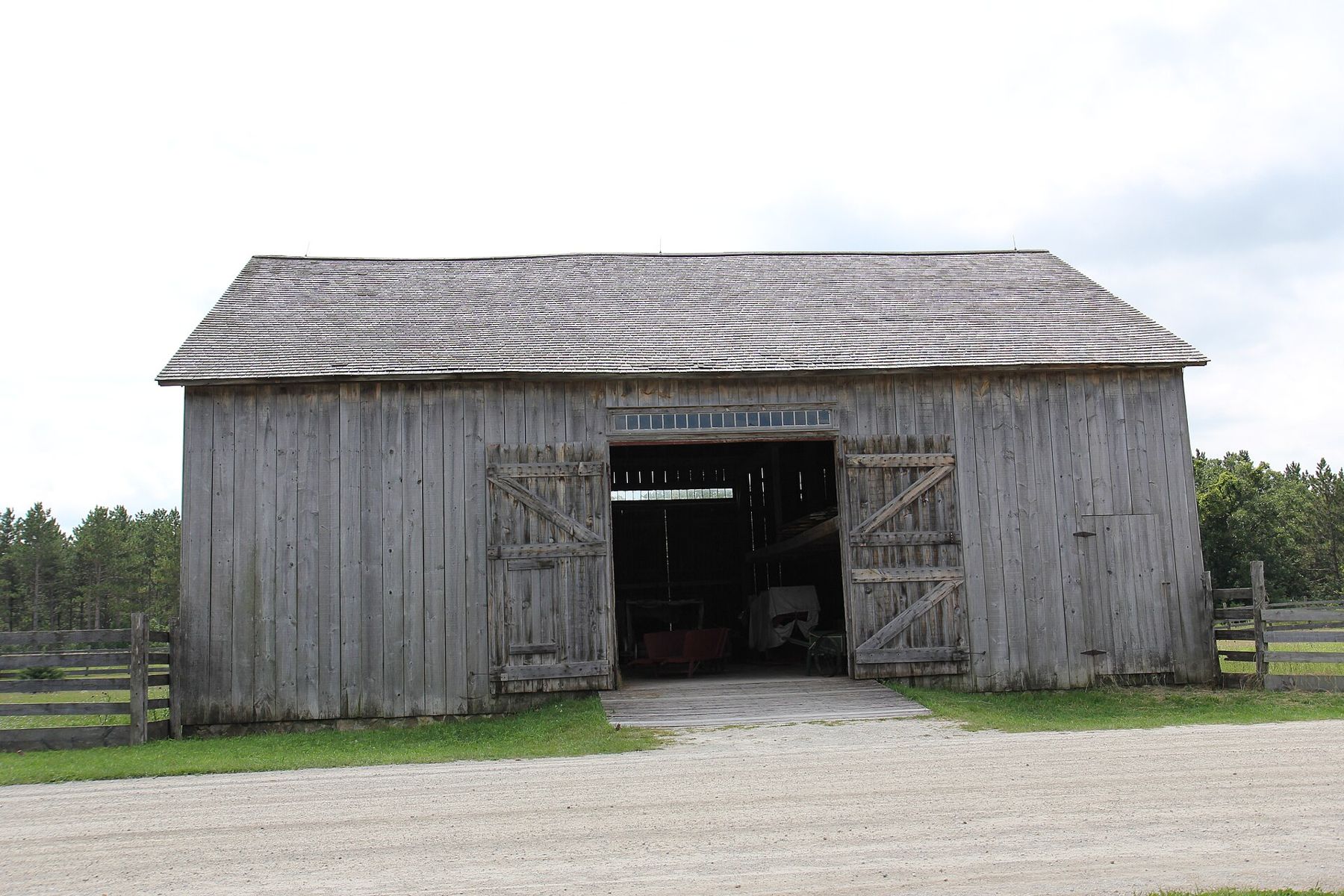
Drive about a mile and a half south on WIS 67 and you reach Old World Wisconsin, the open-air museum run by the Wisconsin Historical Society. It spreads across several hundred acres of the forest edge: farmsteads moved here from across the state, each with its house, barns, gardens and fences, grouped by the immigrant communities who built them. Costumed interpreters work the fields and kitchens. A small crossroads village shows the shops a farm family would have driven to.
Plan on most of a day if you want to see the whole site. The distances between farmsteads are real; wear shoes you can walk a few miles in, and check whether a tram is running the day you visit. The museum opens for a summer and fall season and for special events at other times, and its days and hours change from year to year, so check before you go. Our longer page on Old World Wisconsin covers the farmsteads one by one.
Trailheads within a short drive
Eagle sits at the southern end of the Kettle Moraine's long ridge of glacial hills. The forest headquarters for the Southern Unit is a few miles west on WIS 59, and you can buy a vehicle pass and pick up paper maps there. From the village you can reach:
- The Scuppernong trails, off County ZZ northwest of Eagle: three loops through pine plantations and hardwoods, popular with skiers in winter. See the Scuppernong page for the loops.
- The Ice Age Trail, which follows the moraine through the forest. You can pick it up at several road crossings on WIS 59, County ZZ and County N and walk an out-and-back of any length.
- Ottawa Lake, north on WIS 67, with a campground, a swimming beach and a short loop through the marsh.
- The John Muir and Emma Carlin trails, southwest on County H, for longer hikes and the forest's mountain bike loops.
If you only have an hour, our list of short hikes near Eagle picks the walks that fit a morning.
The ground around the village
The land around Eagle changes quickly. East of the village you are on the gentler outwash plain, flat to rolling, with farm fields and scattered woodlots. West and north you climb into the moraine itself: steep, wooded ridges of sand and gravel, round kettle ponds in the hollows, and fields of glacial stones piled along the fence lines. South of town, Eagle Spring Lake and the headwaters of the Mukwonago River sit in low, wet ground.
The soil is mostly sand and gravel, so trails drain faster here than on clay further east. Low spots still hold water in April and after heavy summer storms. Expect deer flies in July in the oak woods and ticks from spring through fall in the long grass.
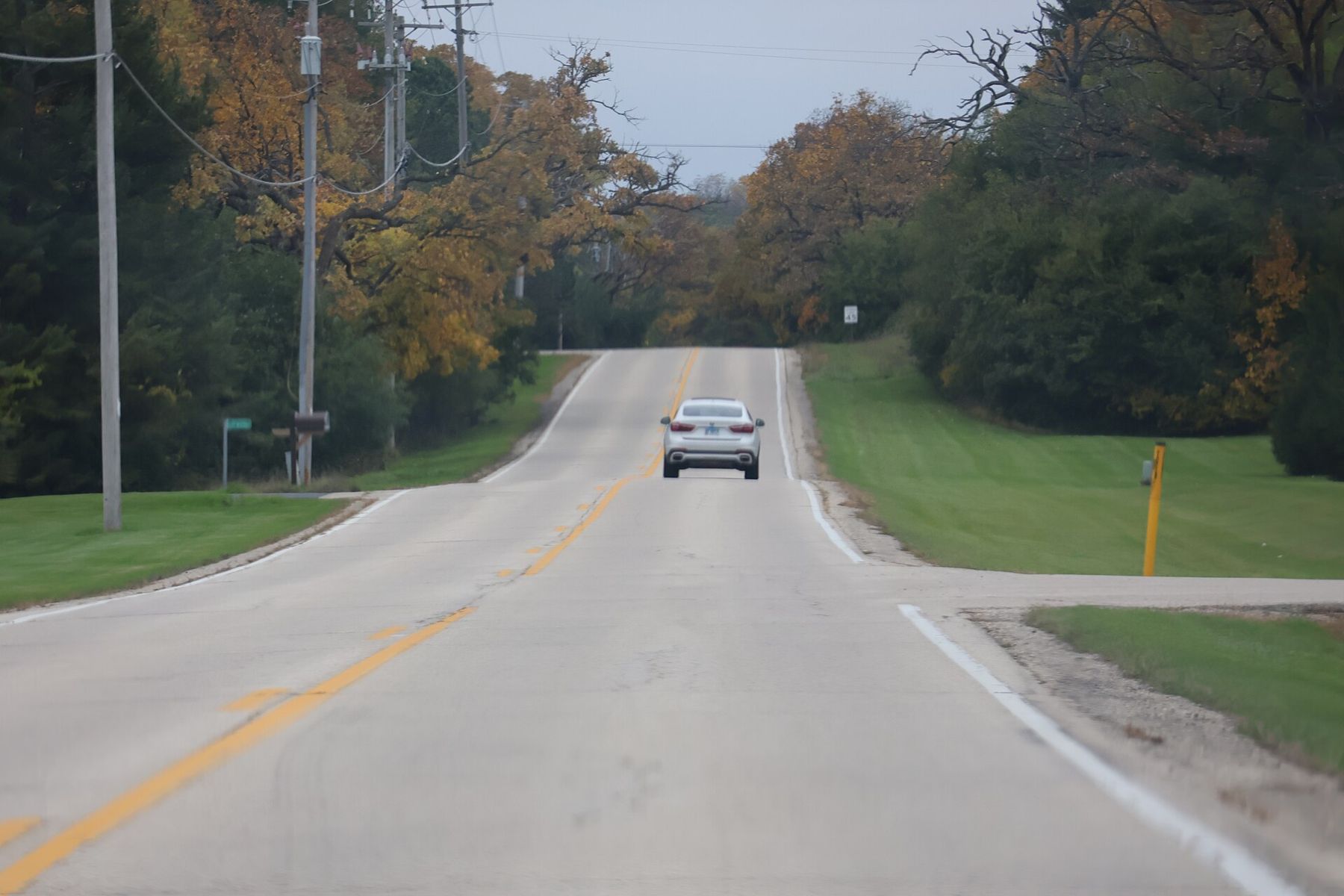
The roads are the other thing to know. County roads in this corner are lettered (ZZ, N, NN, H, LO) and change direction at farm corners without much warning. Many have no shoulder. If you are cycling, the quietest riding is early on weekend mornings; if you are driving, watch for horse trailers, farm machinery and cyclists on blind hills.
Eagle through the year
Spring comes late to the moraine. The woods are open and brown into early May, then green up fast. Morel hunters and birders are out first. Trails can be soft.
Summer brings the village's festival weekends, swimming at Ottawa Lake and the forest's other beaches, and busy campgrounds. Arrive at popular trailheads before 10 a.m. on weekends.
Fall is the season most visitors come for. The oaks turn bronze and rust rather than bright red, and the sugar maples in the hollows go orange in the first half of October. Old World Wisconsin's harvest weekends are busy, so aim for a weekday visit when the farmsteads are quiet.
Winter belongs to cross-country skiers when there is snow. The Scuppernong and John Muir trails are groomed for classic and skate skiing in good years; check conditions before you drive out, because the snow can be thin in this southern corner of the state. Old World Wisconsin has held holiday events in some recent winters; look for current dates.
A first day from Eagle
Start with breakfast in the village. Drive west on WIS 59 to the forest headquarters, buy your pass and walk part of the Ice Age Trail north from a road crossing for an hour or two. Come back through Eagle for lunch, then spend the afternoon at Old World Wisconsin while it is open. In the evening, drive the county roads north toward Dousman with the sun low over the fields. For the longer history of the village itself, read the Eagle history page.
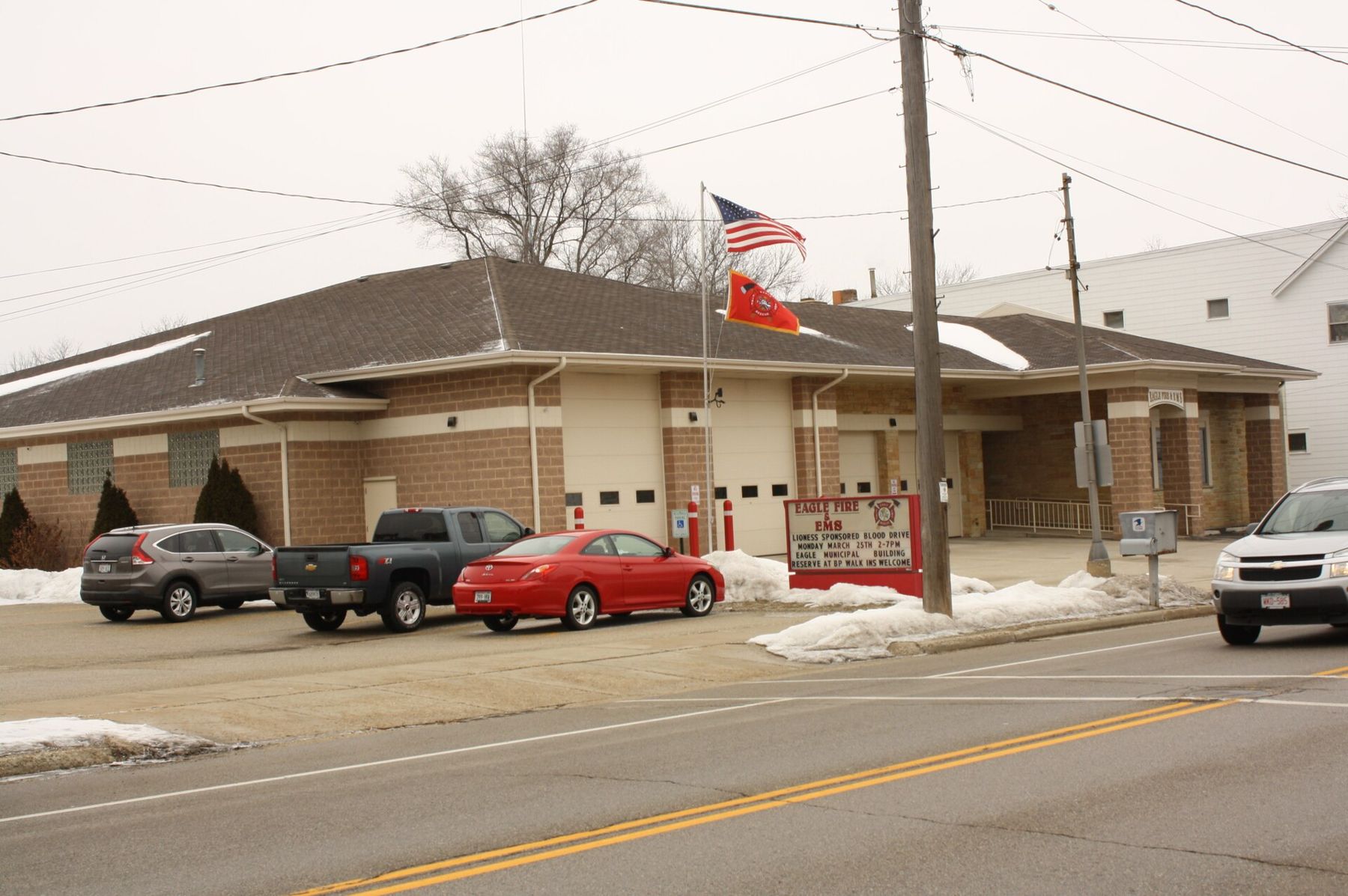
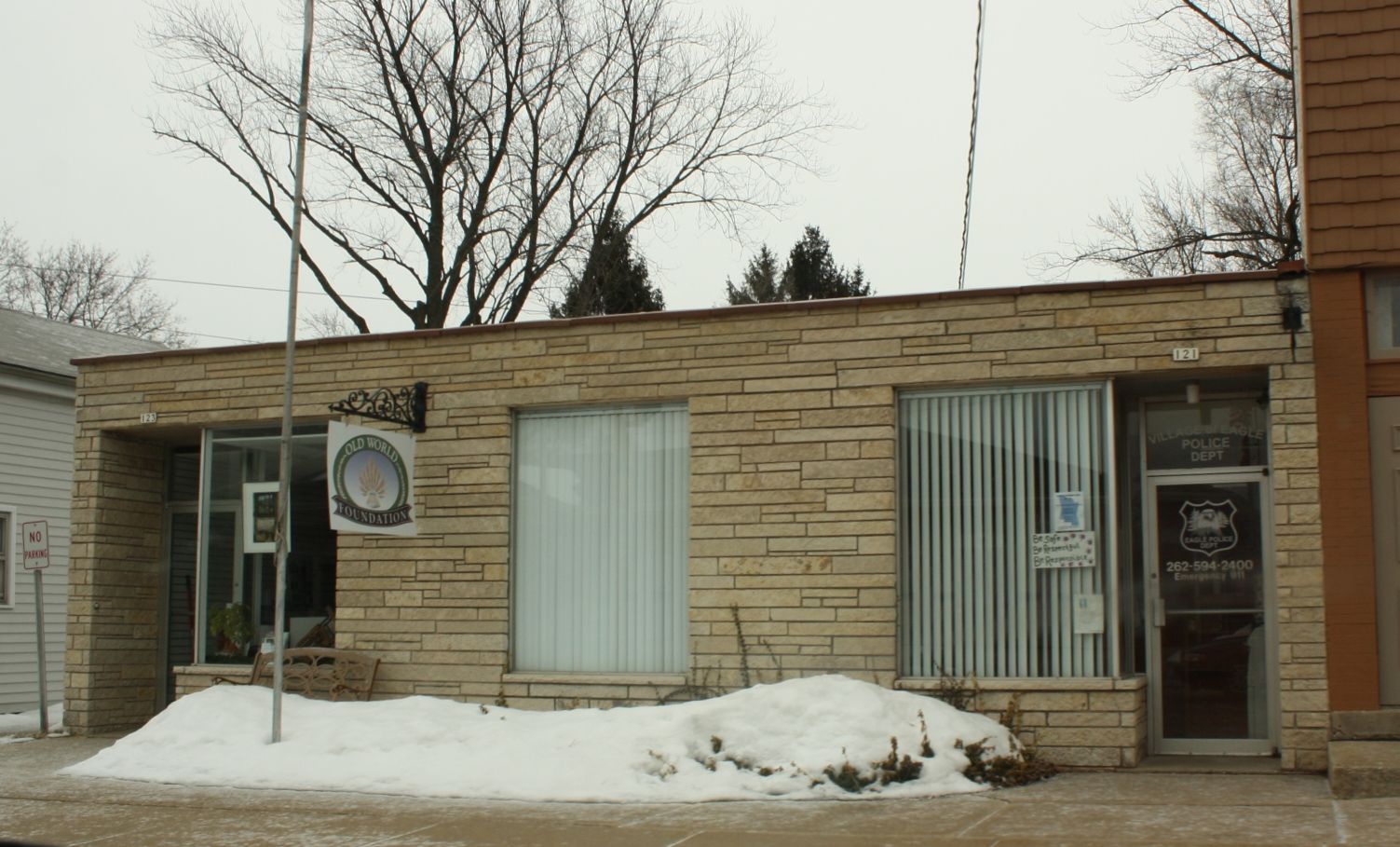
If anything goes wrong on a trail, dial 911 and give the nearest road crossing or parking lot name. The Eagle fire and police departments sit in the village and respond to calls in the surrounding countryside.
On your last morning, drive out on WIS 67 north with the window down as the road climbs into the hills. The first ridge past the village edge is where the moraine begins.