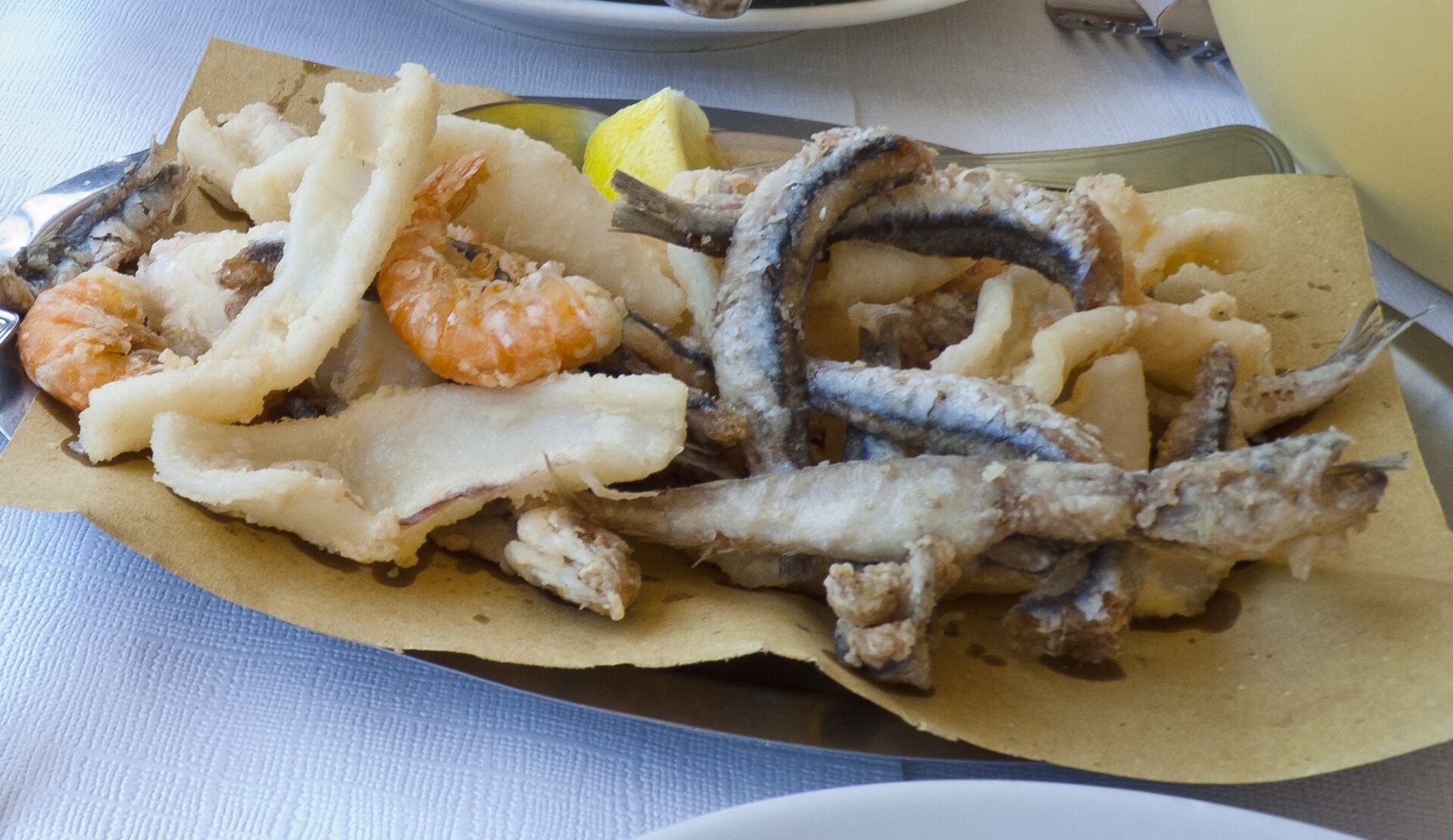
Count the cars outside a parish hall at five o'clock on a Friday in Lent and you will learn something about southeastern Wisconsin before anyone hands you a plate. The Friday fish fry is the state's weekly habit: fried fish, a scoop of coleslaw, a slice of rye bread and a choice of potato, served in taverns, supper clubs, bowling alleys, legion halls and church basements, in most places all year round.
It looks like a simple meal. The story behind it runs through religion, immigration, Prohibition and the Great Lakes, and knowing that story makes the plate easier to read.
Meatless Fridays and the families who kept them
For centuries the Catholic Church asked its members to give up meat on Fridays, and fish was the accepted substitute. In the 1960s the rule was relaxed for most of the year, but abstaining from meat on the Fridays of Lent remains, which is why fish fries swell between Ash Wednesday and Easter.
Wisconsin drew a large share of Catholic immigrants in the 1800s: Germans above all, with Poles, Irish, Czechs and others close behind. Milwaukee became one of the most German cities in the country, and parishes across Waukesha, Jefferson and Walworth counties were built by the same kinds of families. A town where many households skipped meat on the same night was a ready market for anyone who could fry fish well and cheaply.
The fish was close to hand. Lake Michigan, the inland lakes and the rivers supported commercial and sport fishing, and yellow perch, whitefish, smelt, pike and bluegill were all common catches. Lutheran and other Protestant neighbours joined in with no rule asking them to. By the middle of the twentieth century the Friday fish fry was simply how Wisconsin ended its working week.
Prohibition and the tavern fry
The custom moved out of the parish kitchen and into the tavern. Saloons in Milwaukee and the river towns had long used cheap food to bring drinkers in, and the version of the story most often told is that during Prohibition, from 1920 to 1933, taverns that could no longer live on beer leaned on Friday fish fries to keep customers coming. When repeal came, the beer returned and the fish stayed.
Whatever the exact share of credit, the tavern fry set the pattern you still find: a small bar, a busy kitchen in back, a handwritten board with the week's fish and a crowd that knows the bartender. The supper clubs that grew up on the roads out of town in the same years took the fish fry with them, and the pairing of a Friday plate with a brandy old fashioned has been fixed ever since.
The fry also suited the kitchen. A deep fryer, a tub of batter and a cooler of fillets could feed a crowded room quickly with one cook, and fish bought frozen by the case kept for weeks. Bowling alleys, which filled with league teams on weeknights, picked up the habit for the same reason, and many still fry on Fridays.
What goes on the plate
The fish depends on the kitchen, the price of the week and the decade.
- Cod is the default. It is mild, flaky and available frozen in quantity, which matters when a hall serves hundreds of plates in an evening. Most all-you-can-eat fries are cod.
- Yellow perch is the prize: small, sweet fillets, often served butterflied with the skin on and priced well above the cod. Lake Michigan's perch numbers fell sharply in the 1990s and Wisconsin closed its commercial perch fishery there, so most perch on menus now comes from other lakes. A menu that says "lake perch" is worth a polite question.
- Walleye is the other freshwater favourite, thicker and firmer than perch and usually the most expensive line on the board.
- Bluegill, smelt and whitefish turn up seasonally or at older places. Spring smelt fries were once an event of their own along the lakeshore.
- Baked or broiled fish is almost always offered for anyone who would rather not have fried.
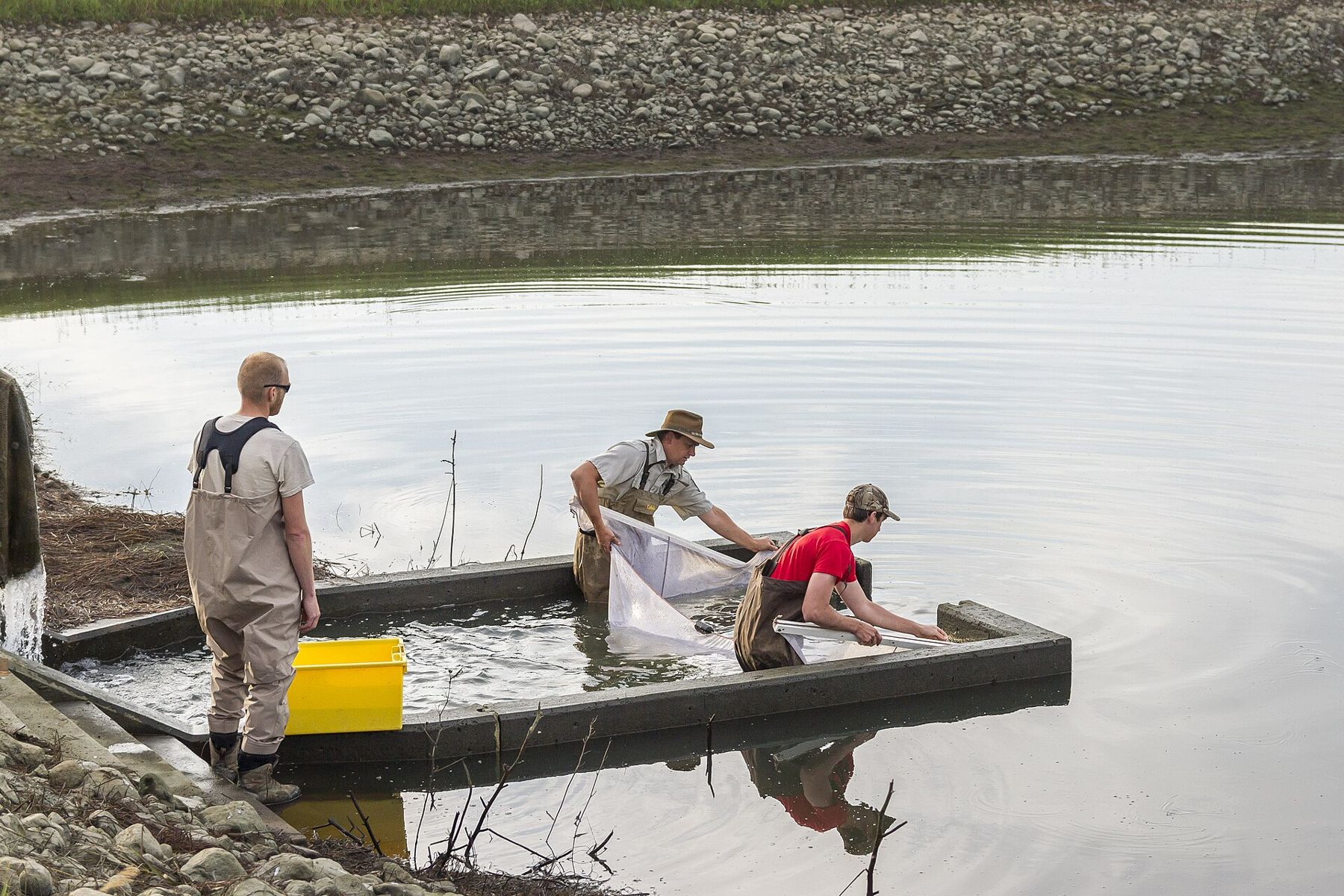
The coating is usually a beer batter, puffed and crisp, or a lighter breading of seasoned flour or crumbs. Lemon wedges and tartar sauce come alongside, and at some places a small cup of malt vinegar for anyone raised on the British habit. Ask whether the fish is fried in fresh oil and whether the batter is made that day; the best kitchens answer without hesitating, and you can taste the difference in a coating that stays crisp to the last bite instead of going limp under the lemon. For more on the fish themselves, and where they are still caught, read perch and walleye in their own right.
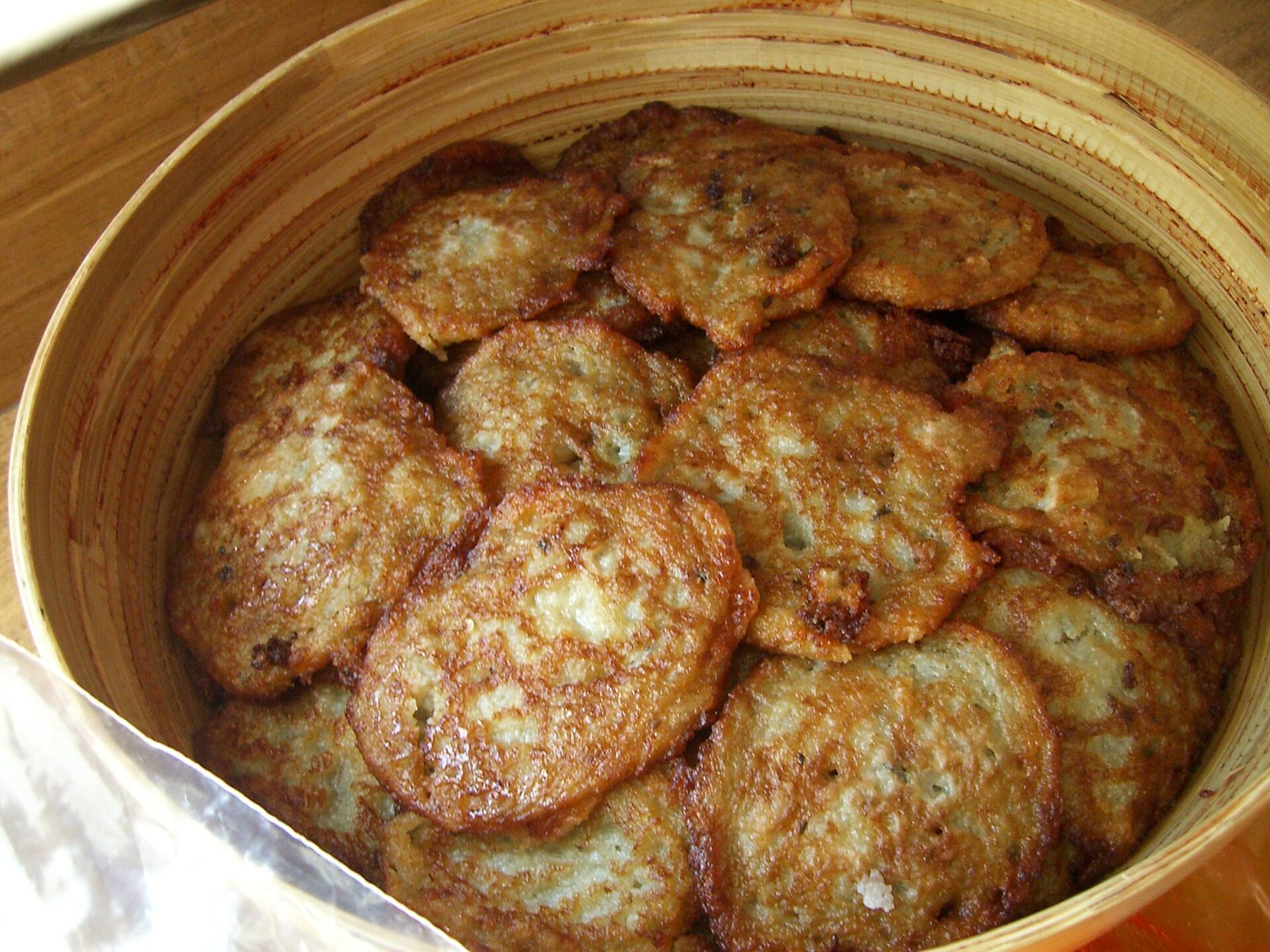
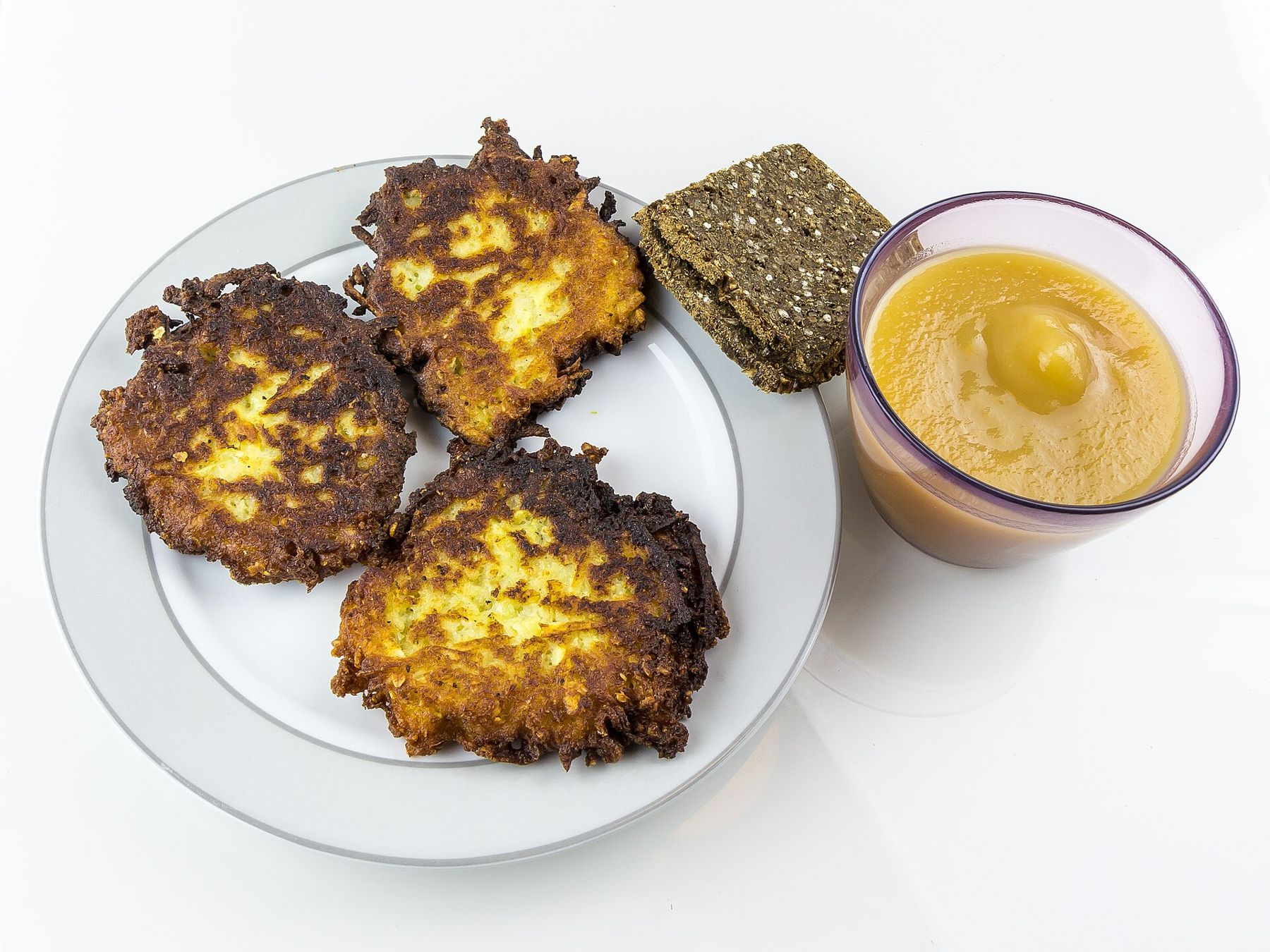
Then come the sides, and these are what make it a Wisconsin plate rather than fish and chips. Creamy coleslaw, sweet rather than sharp. A slice or two of rye bread, often marbled, with a pat of butter. And the potato choice: French fries, sometimes German potato salad, or potato pancakes with applesauce. The pancakes are the German inheritance showing, grated potato and onion fried until the edges lace and crackle. When a kitchen makes them in house, order them.
Halls, taverns and supper clubs
You will meet three main kinds of fish fry, and each has its own manners.
The parish or hall fry runs on volunteers. It is often Lent only, served at long tables in a school gym or church basement, with a ticket bought at the door, cod by the platter, a dessert table of donated bars and pie, and a raffle or two. Prices are low, the line moves quickly and the money goes to the parish or the post. Bring cash, share a table and clear your own plate if you see others doing it.
The tavern fry runs every Friday of the year. Seating is tight and the wait happens at the bar. The fish is often the best in town, because the same cook has fried it for years. Expect a choice of two or three fish and a short list of sides.
The supper club fry is the slow version: a drink at the bar while you wait, a relish tray, bread, soup or salad, then the fish. It takes most of the evening and is meant to. Read more on the supper club and its rituals before you go.
Lenten fries also run at fire halls, legion and VFW posts and some lake associations, and a few combine the fish with the kind of fundraising supper described under church picnics.
How to find a fish fry today
The tradition has not faded into a museum piece; the thing that remains is the Friday evening itself, and you can join it almost anywhere in the region. A few habits help.
- Look for signs on parish lawns and hall marquees in the weeks before Lent. Church fries are announced locally and many keep the same hours year after year.
- Arrive early. Most kitchens fry from about four or half past until eight or nine, and the perch and walleye can sell out before the cod does.
- Ask what the fish is that week and where it comes from. Kitchens that buy carefully are glad to say.
- Order the potato pancakes at least once, and the rye bread every time.
- Check whether the place is all-you-can-eat. Many halls and some taverns bring a second plate of cod at no charge; perch and walleye are almost always a single portion.
- Bring a little patience in Lent. The wait at a popular hall can run an hour, and nobody there will apologise for it.
- If you are drinking, choose a driver or stay close. Friday roads home from the lake taverns are busy and dark.
Sit at a long table, pass the tartar sauce and watch the pace of the room: tables turning over every forty minutes, the cook in the back calling out plates, the bar three deep with people waiting their turn. That rhythm, more than any single recipe, is what the immigrants' Fridays left behind.