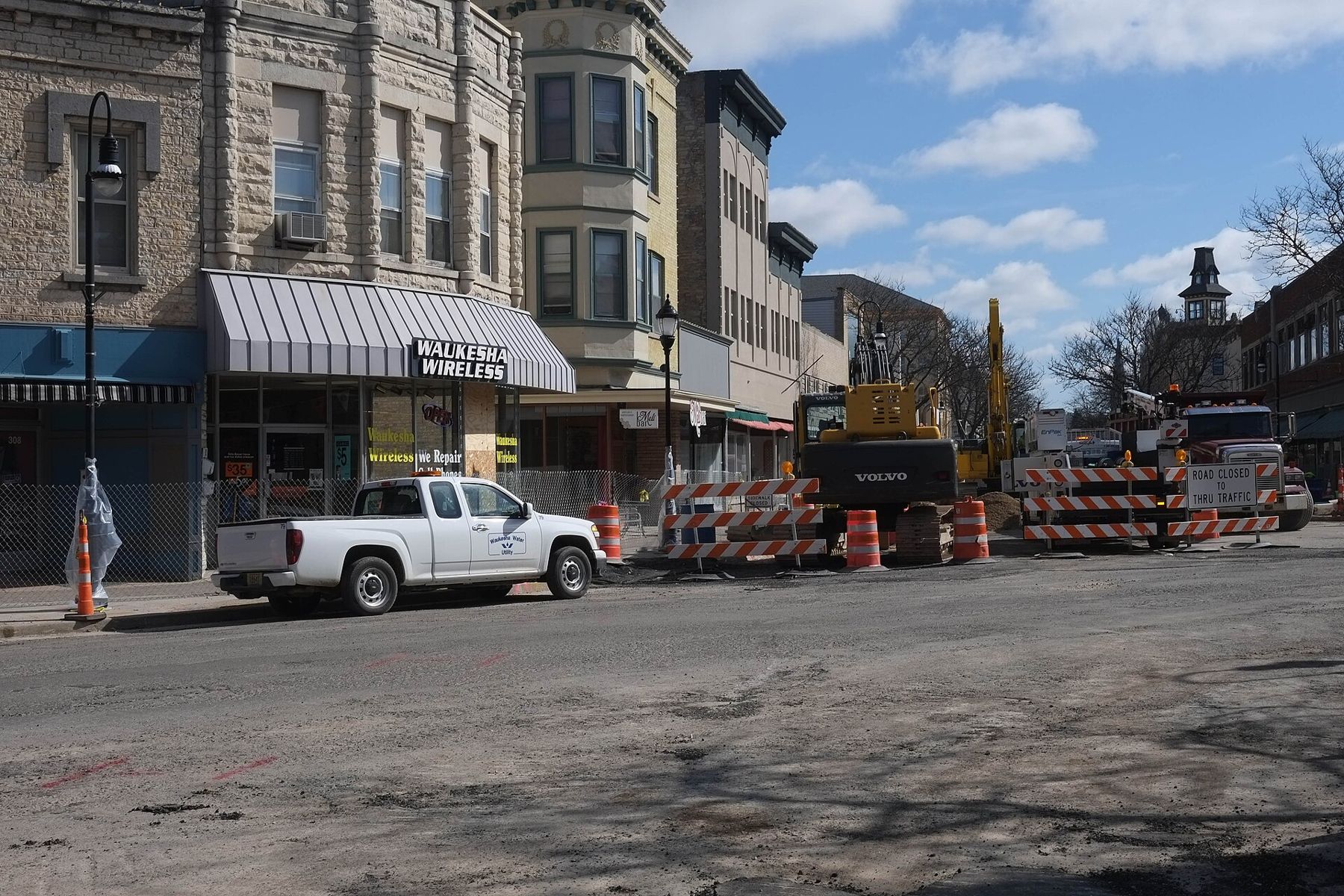
Several streets meet at odd angles in the middle of downtown Waukesha, bent to follow the river and the old roads in from the prairie. Stand at that junction and look down each one. Most of what you need to know about the old downtown is visible from that spot: limestone and brick commercial blocks, church spires, the drop toward the Fox River, and the curve of Main Street as it follows the old road west.
Waukesha is the seat of Waukesha County and one of the oldest cities in southeast Wisconsin. It is about 20 miles west of downtown Milwaukee and the natural gateway to Lake Country and the Kettle Moraine. Its downtown is not large, and that makes it easy: you can walk it in an hour and spend a morning there without trying.
How to arrive in downtown Waukesha
From Milwaukee, take I-94 west to WIS 164 or County J south, or take I-43 and WIS 59 west. Either way, it is about half an hour. From Eagle and the Southern Unit, take WIS 59 east through Genesee; it runs straight into the south side of the city, about 25 minutes.
Waukesha has local bus service and connections toward Milwaukee, but no passenger rail. Most visitors drive. Park in one of the public structures or lots near Main Street and leave the car for the morning. Cyclists can come in on the Lake Country Recreation Trail, which runs west from Waukesha toward Delafield and Oconomowoc.
The Spring City
In the second half of the 1800s Waukesha was a spa town. Mineral springs bubbled up all over the area, and after a visitor in the late 1860s credited one of them with curing his illness, the city's water became famous. Hotels went up around the springs. Visitors came by train from Chicago, St. Louis and the South to drink the water, bathe and stay for weeks. Water from Waukesha was bottled and shipped across the country.
The boom faded in the early twentieth century, as tastes changed and claims about healing water fell out of favor. Most of the springs were capped, and the grand hotels burned or were torn down. But the name stuck: Waukesha still calls itself the Spring City, and you will see it on signs and in the names of businesses all over town.
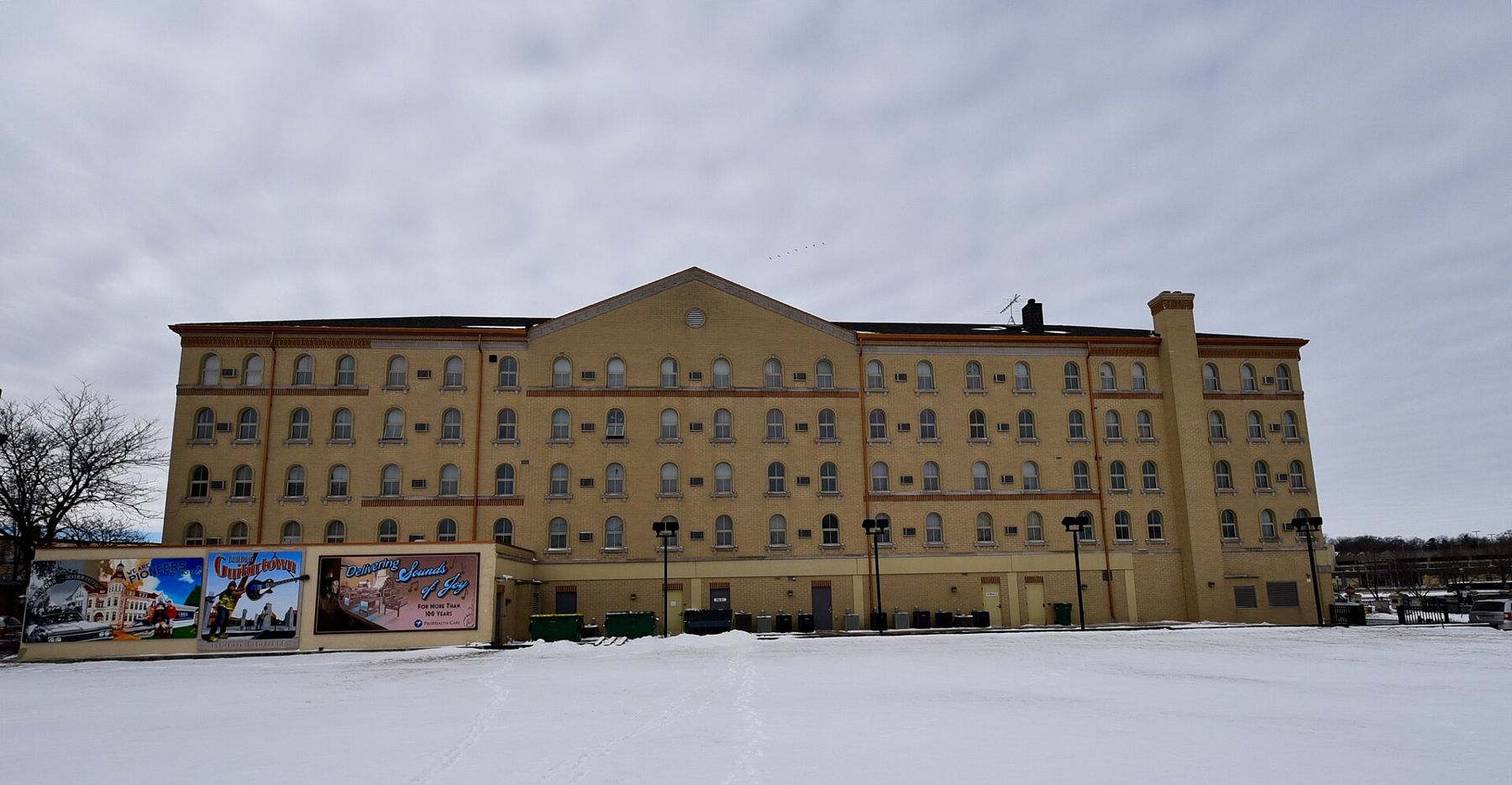
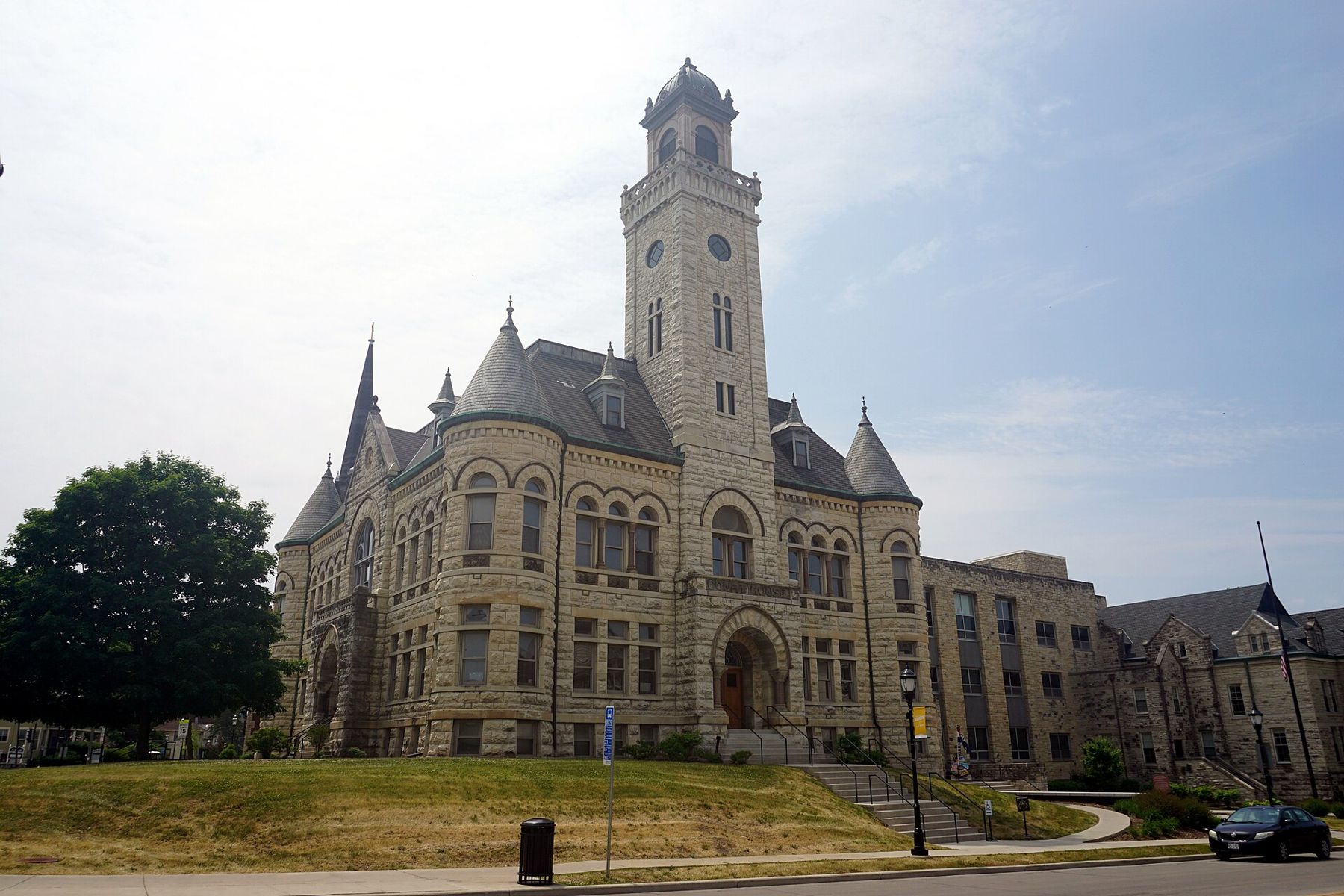
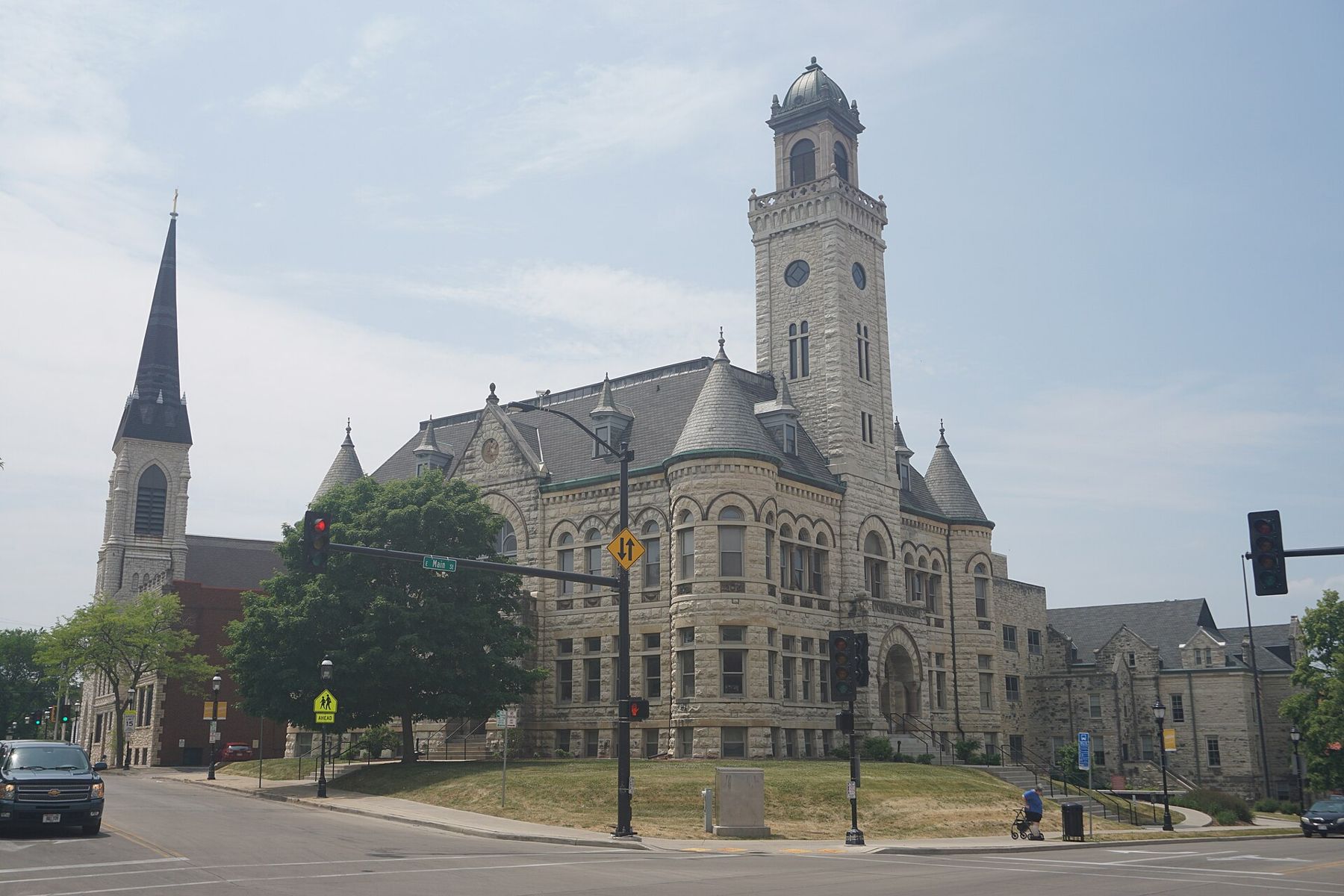
Look for traces as you walk. Some of the parks near downtown occupy ground where spring houses once stood, and historic markers note several sites. The county's historical museum, in the old courthouse downtown, covers the resort era along with the rest of the county's past. Check its hours before you go.
The resort years left the city something more lasting than hotels: a habit of drawing visitors from far away, and a downtown built to serve them. Many of the commercial buildings you walk past today went up when the springs were at their height, and their size and solidity are out of proportion to a farm-county seat. That is the clearest trace the spa era left.
Les Paul's hometown
Les Paul was born in Waukesha in 1915. As a boy here he tinkered with radios, harmonicas and guitars, and as an adult he became one of the most important figures in modern music: a guitarist, an early builder of the solid-body electric guitar and a pioneer of multitrack recording.
The city has made a point of remembering him. You will find his name on signs, murals and public art downtown, and the county museum has given space to his life and work. Exhibits change, so check what is on show before you go. If you know his music, listen to a few of his old records on the drive in; the sound of them, layered and bright, is a good companion for the walk.
The Fox River and the riverwalk
Walk downhill from Main Street to the Fox River. A riverwalk runs along the banks through downtown, with paved paths, bridges and benches above the water. The Fox here is a modest river, slow and shallow over a rocky bed, and on a summer evening it is a pleasant place to sit.
Follow the river upstream and you reach Frame Park, a long green park with gardens, paths and open lawns. It makes a good loop: down Main Street, along the riverwalk to the park and back on the other bank. Allow an hour on foot without stops.
On Saturday mornings through the growing season, a farmers market sets up near the river downtown. It is one of the larger markets in the area, with vegetables, fruit, meat, cheese, flowers and baked goods. Bring cash and a bag, and come early. Our page on farmers markets in southeast Wisconsin lists others nearby.
A morning on foot
Downtown Waukesha is small enough to walk in a loop. We'd do it in this order on a Saturday.
- Park in a public structure near Main Street and walk to the junction in the center of downtown. Look down each street before you choose one.
- Walk Main Street west, looking at the old commercial blocks, the churches and the former courthouse that now holds the county museum.
- Drop down to the river and the farmers market while the stalls are still full.
- Follow the riverwalk upstream toward Frame Park, cross the river and come back on the other bank.
- Finish with coffee or lunch downtown, and look up at the upper storeys as you walk back to the car.
The walk is about two miles with gentle grades, all on pavement. Allow two to three hours with stops. In winter, the riverwalk may be cleared only in places; stick to the streets if it is icy.
Around downtown
Carroll University, founded in the 1840s, sits on the hill just north of downtown, with older stone buildings among the newer ones. The campus is open to walk through. South and west of downtown are blocks of nineteenth-century houses, many of them built in the resort years.
Waukesha is also the county seat, and on weekdays downtown fills with people on court and county business. Weekends are calmer for walking, apart from market mornings and festival days. Summer brings outdoor concerts and events along the river; check the city calendar if you want to catch one or avoid the crowds.
From Waukesha, the country opens out fast. Retzer Nature Center is a short drive west, with prairie trails and a planetarium. Lapham Peak and its observation tower are a little farther, near Delafield. Spend the morning downtown, eat lunch near the river, and then drive west into the hills while the afternoon light is still good.