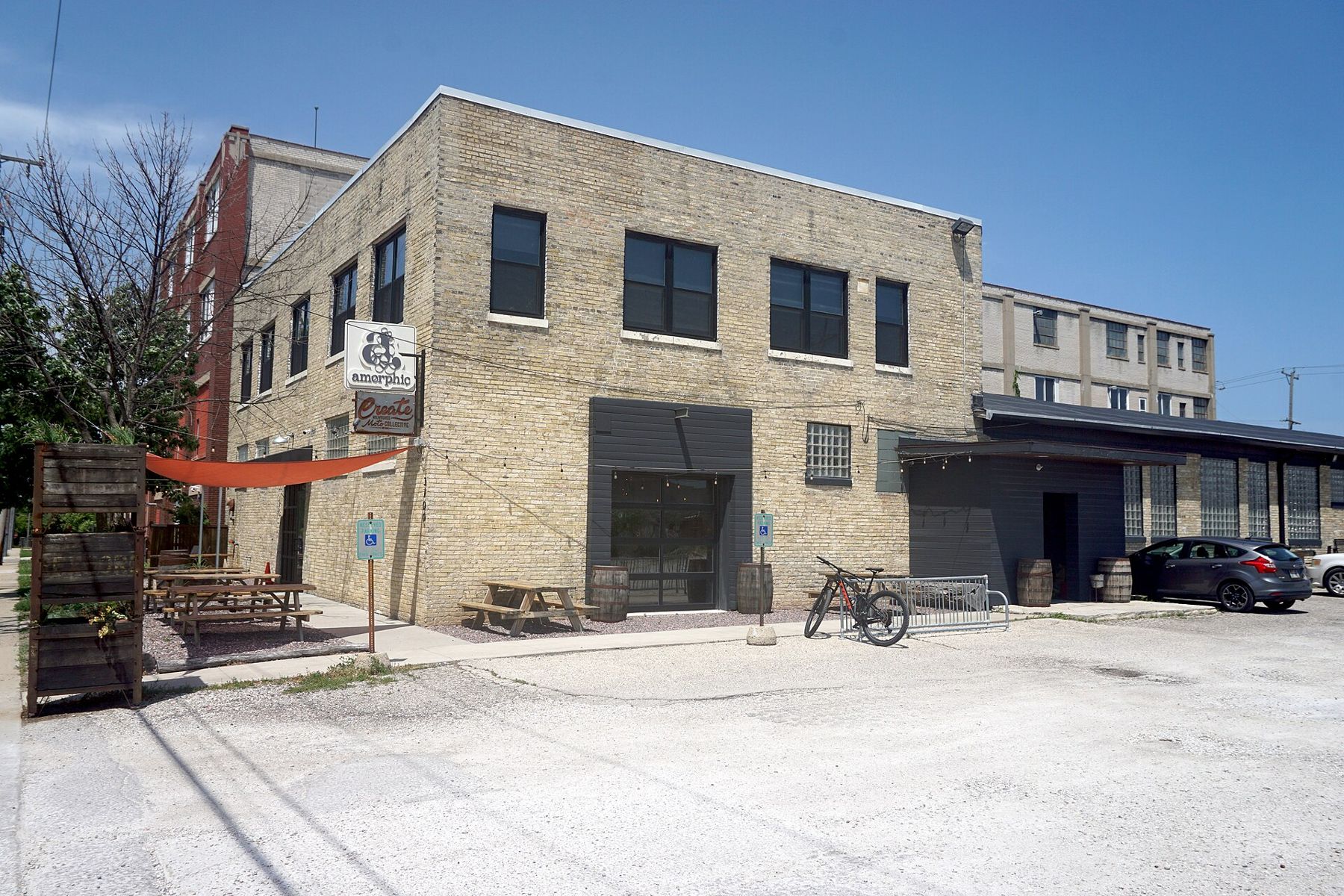
West of Milwaukee the land rises into hills and the lakes begin, and the towns that grew along the old plank roads and railroads each once had their own brewery. Many of those buildings still stand. Today, Lake Country again has small breweries in its towns, with taprooms where you can sit beside the tanks that made what you are drinking.
A brewing state from the start
German immigrants arrived in southeastern Wisconsin in large numbers from the 1840s and brought lager brewing with them. Milwaukee's brewers grew into some of the largest in the country, and the city's name became tied to beer. Smaller breweries opened in nearly every county seat and many villages, serving their town and the farms around it. Waukesha, already known for its spring water, had brewing of its own, and towns along the rail lines described under railroad towns shipped beer as readily as milk.
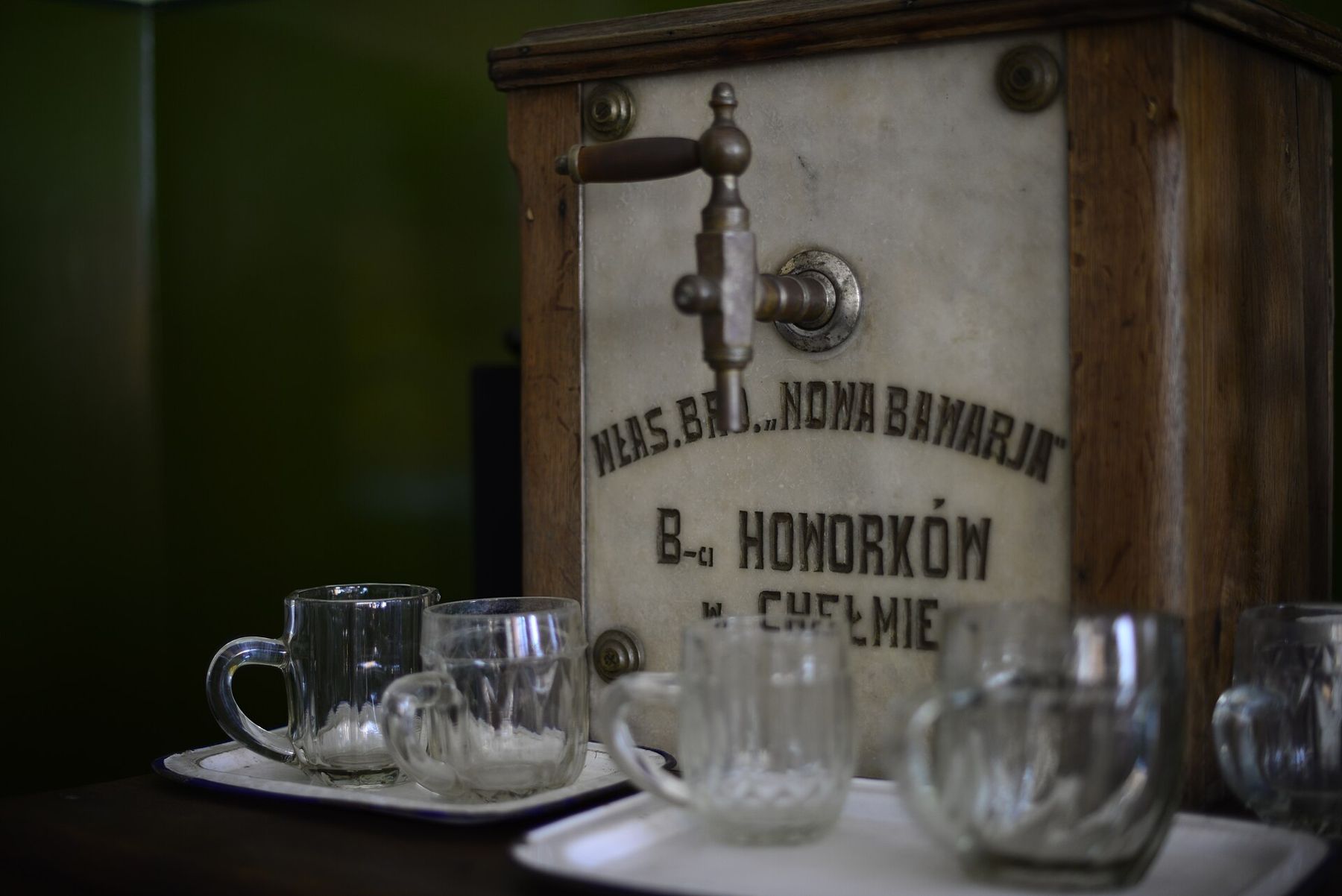
Prohibition, from 1920 to 1933, closed them all as breweries. Some survived on soft drinks, malt syrup or ice; many never reopened. After repeal, and through the decades that followed, the big brewers absorbed the market, and small-town breweries became a memory, their buildings turned into warehouses, shops and homes.
The revival began in the 1980s and 1990s with brewpubs and small craft breweries, and it has grown steadily since. Wisconsin now has well over a hundred breweries, and the suburbs and lake towns west of Milwaukee have their share.
What you will find in Lake Country
The breweries around Delafield, Oconomowoc, Pewaukee, Hartland and Waukesha come in a few shapes. Names and owners change often, so think in types rather than lists.
- Brewpubs make beer to serve with a full menu, often in a downtown building or near the lake. They suit a meal more than a tasting.
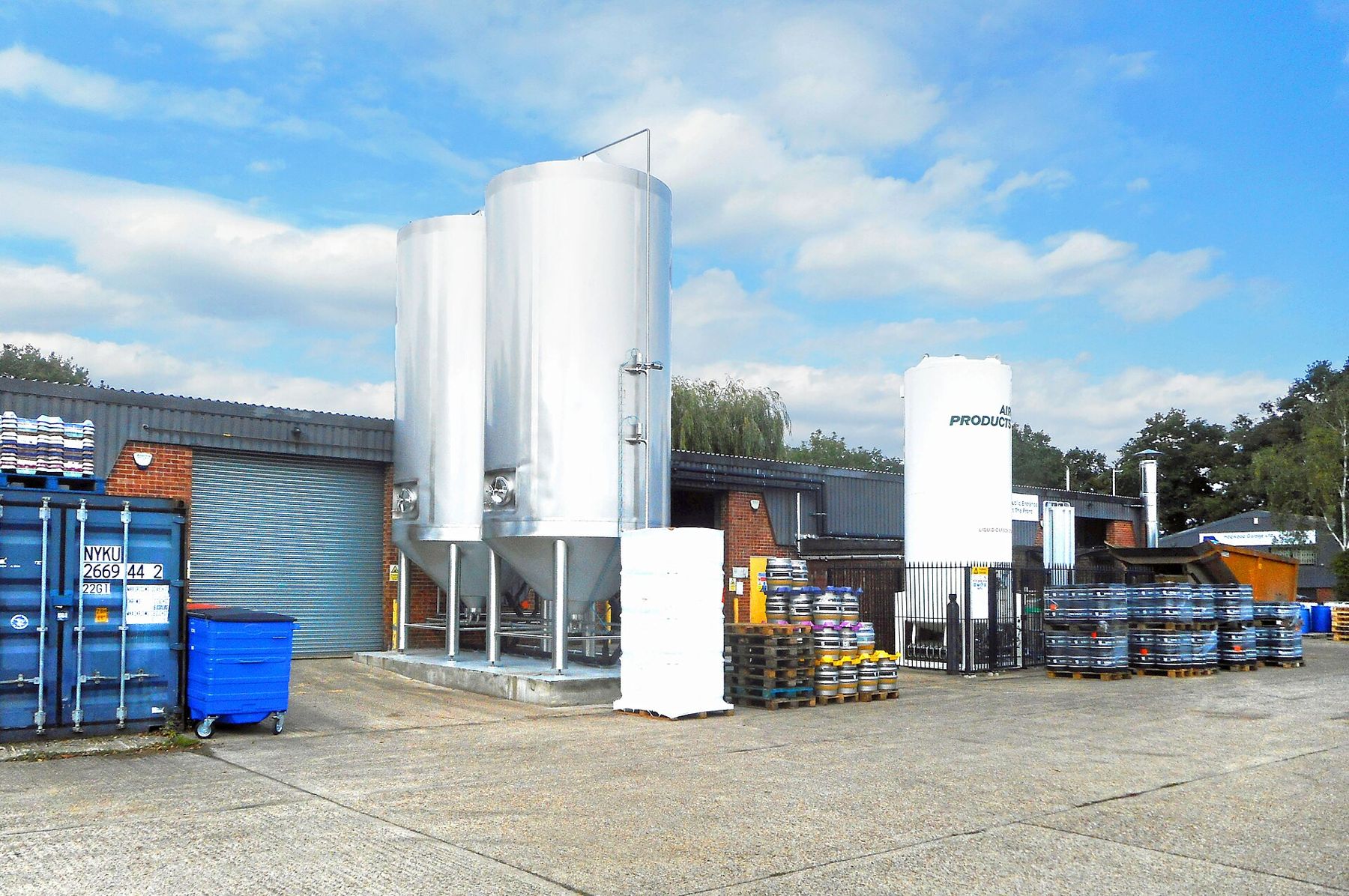
- Production taprooms sit in industrial parks or converted buildings beside the brewing tanks, with a bar, long tables and a rotating list of a dozen or more beers.
- Small nano-breweries brew in tiny batches and pour a short, changing list, sometimes open only a few days a week.
Expect German styles, lagers, pilsners, bocks and Oktoberfest beers, alongside pale ales, IPAs, stouts and fruit beers. Wisconsin's own leaning shows in amber lagers, cream ales and seasonal releases tied to fall and winter. Many taprooms also pour local root beer or soda and a cider or two.
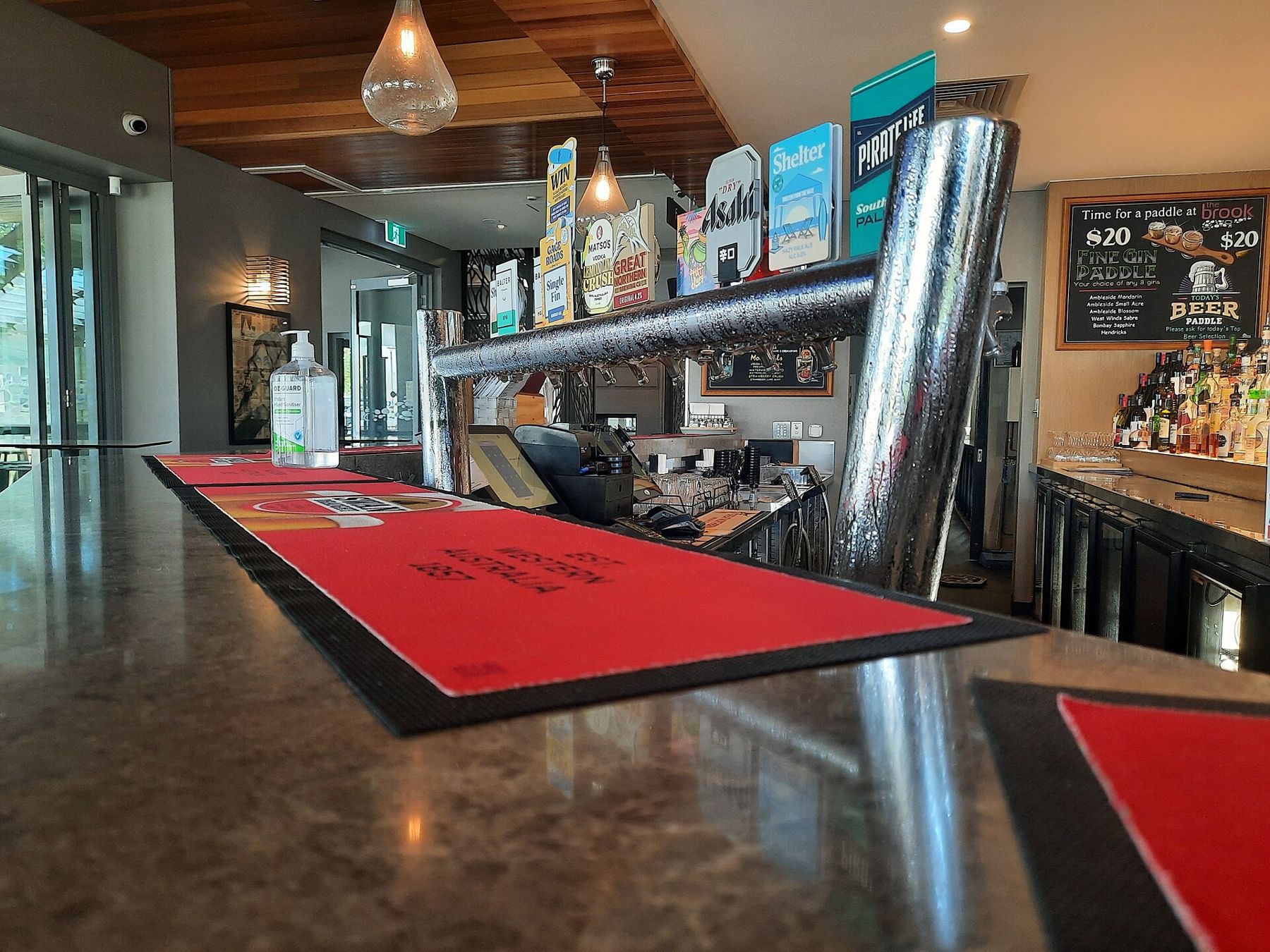
A taproom visit usually feels more like a neighbourhood hall than a bar. Families sit at long tables with board games, a food truck parks in the lot on Friday, and trivia or live music fills a weeknight. Many breweries host fundraisers for local groups, run trail cleanups or brew a beer for a town festival. Summer brings patios and beer gardens, often with lawn games; winter brings fire pits and darker beers.
Beer and the Wisconsin year
Beer runs through the rest of the Wisconsin calendar. It is poured at every summer festival and church picnic, it goes into the batter at the Friday fish fry, and it simmers brats with onions before they hit the grill. German-style beers mark the seasons in many taprooms:
- Late winter and spring: bocks and maibocks, strong malty lagers once brewed to carry through Lent.
- Summer: pilsners, lighter lagers, wheat beers and fruit beers for the patio.
- Fall: Oktoberfest or Märzen lagers, amber and toasty, released from late summer, along with pumpkin beers and harvest ales.
- Winter: stouts, porters, spiced holiday ales and barrel-aged releases.
Release days for seasonal and barrel-aged beers can draw lines. If one interests you, check the brewery's own announcements, and plan the day around getting home afterward.
How to arrive and get home
Most Lake Country breweries are a short drive from Interstate 94 and the main state highways. Plan the trip before the first pour.
- Check hours. Many taprooms open in the afternoon and close earlier on weeknights. Some keep shorter winter hours.
- Choose a driver. Wisconsin enforces its drunk-driving laws firmly, and the county roads between towns are dark at night. Rideshare is available in the larger towns but can be slow farther out.
- Visit one or two, not five. Craft beers are often stronger than standard lager. A flight of small pours is the best way to taste several without drinking much.
- Ride with care. Some breweries sit near the Lake Country Recreation Trail, and cyclists stop in. Keep to a single small pour or a soda if you are riding on; the trail crosses busy roads.
Ordering at a taproom
Read the board first. Most taprooms list each beer with its style and its strength, and many note which are brewed on site and which are guests. Strength is shown as alcohol by volume. A standard Wisconsin lager sits around four to five percent; many IPAs run six to seven, and imperial stouts and barrel-aged beers can pass ten. Pour sizes often shrink as the strength rises, and a ten-ounce glass of a strong beer carries more alcohol than a full pint of lager.
If you are not drinking, ask what else is on. Many breweries now make their own root beer, ginger beer or sparkling water, and some brew non-alcoholic beers. Nobody at a Wisconsin taproom will think twice about the order.
- Order a flight of four to six small glasses to taste across the list.
- Ask the bartender which beer is freshest or newest; they usually know.
- Drink water between pours and eat something. Pretzels, brats and cheese are the local accompaniments; bratwurst and beer are an old Wisconsin pairing.
- If you want something to take home, buy cans or a sealed crowler, keep it closed in the trunk, and drink it another day.
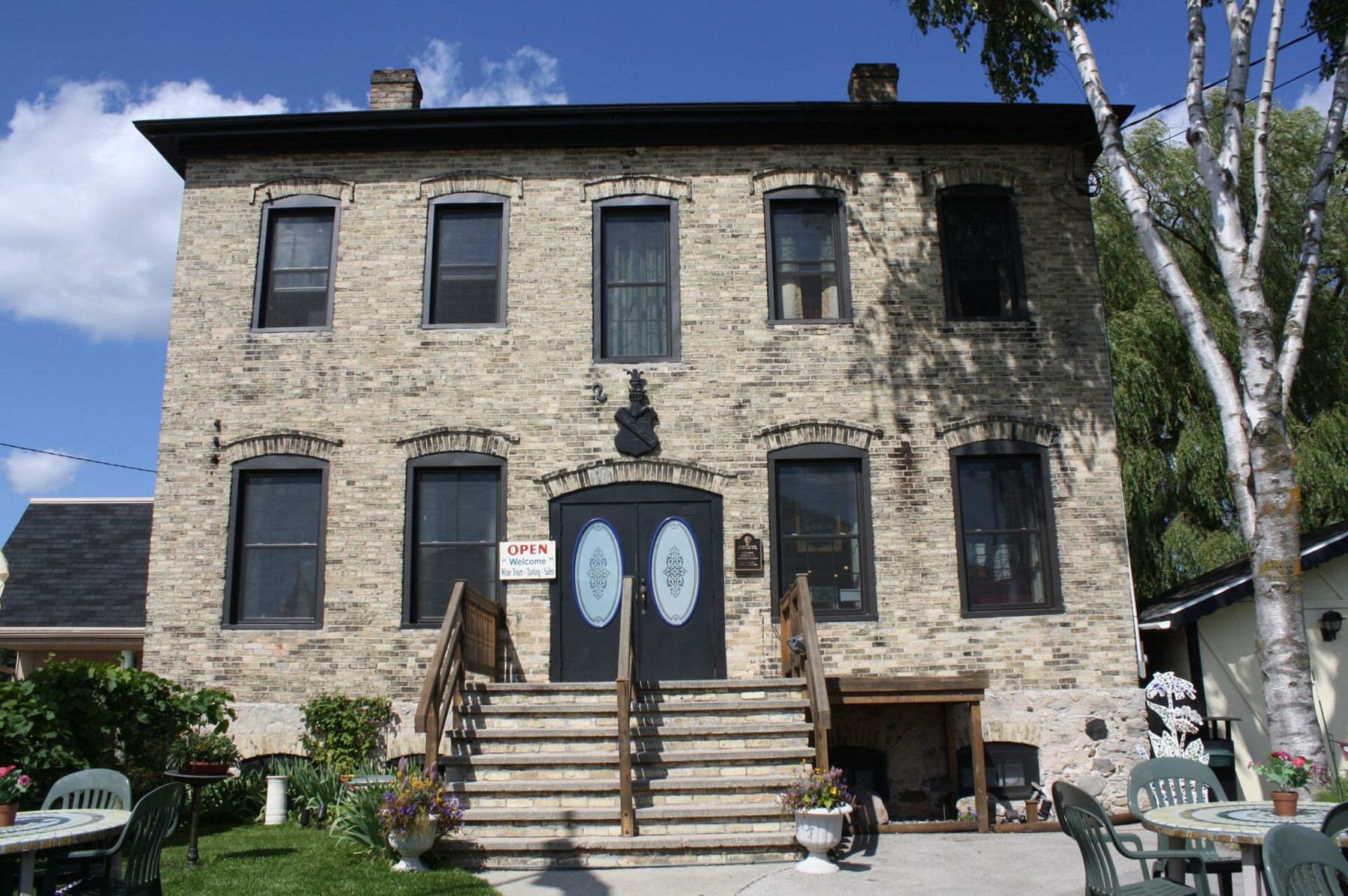
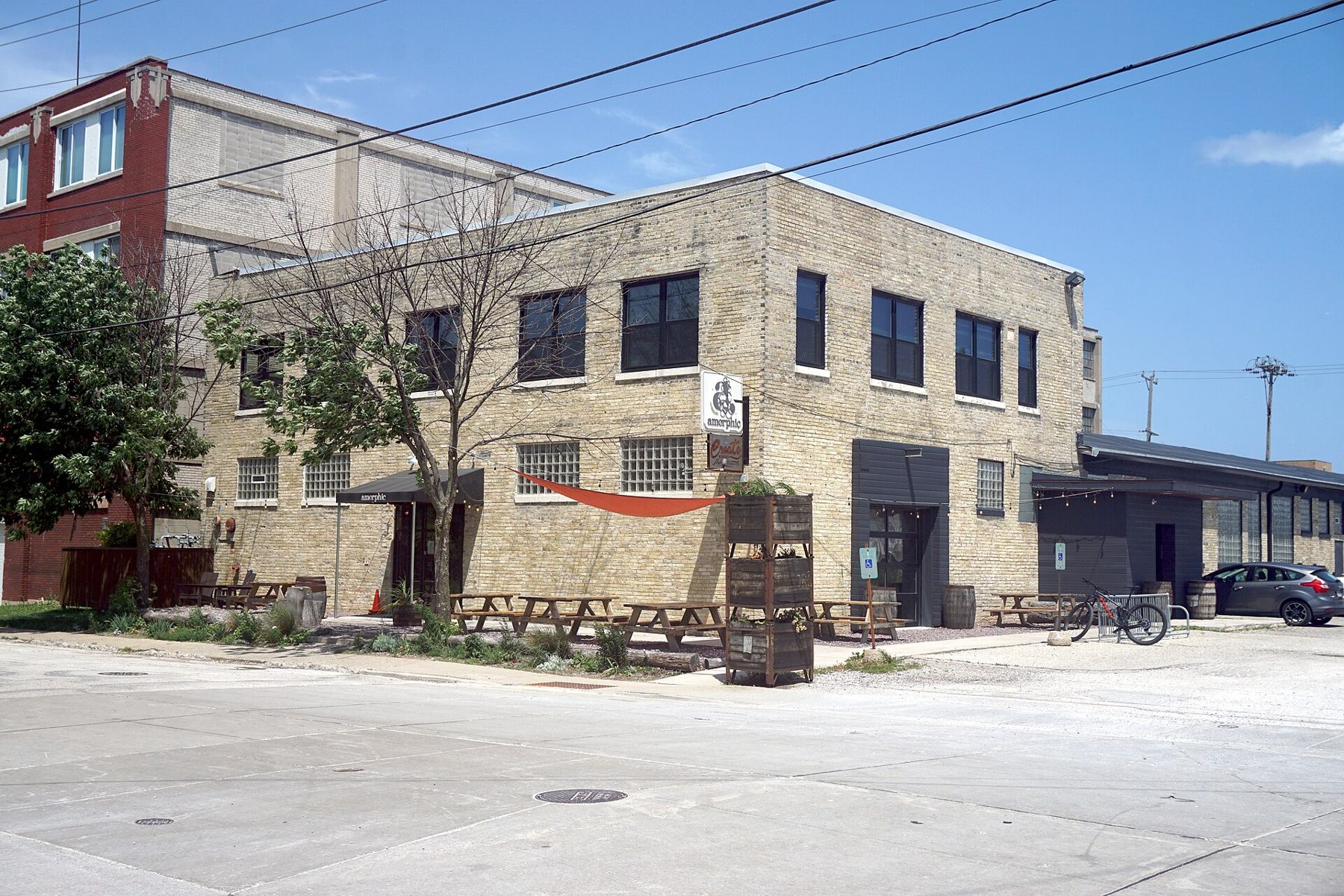
Look for the old brewery buildings as you travel. In several lake towns a cream brick or stone building near the river or rail line, with a cellar dug into the hillside for cool storage, marks where a nineteenth-century brewer once worked. Some now hold shops or apartments; a few hold beer again.
Take your flight to a table by the window, start with the lightest beer and work toward the darkest, and leave the last glass half full if it is time to go.