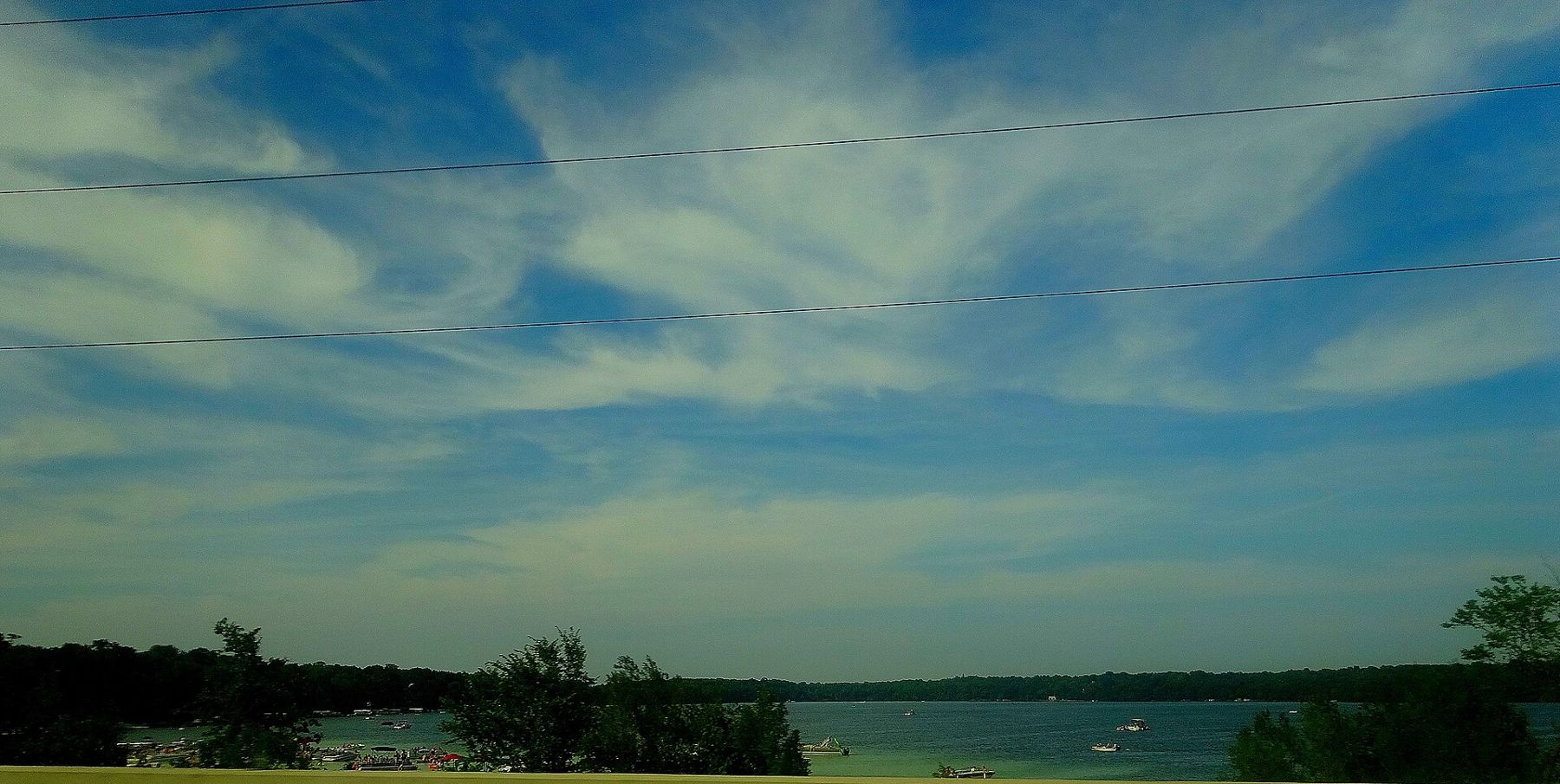
Drive west on I-94 past Delafield and watch the water: first a glimpse of Nagawicka off to the north, then, a few miles on, lakes on both sides of the road as it crosses the low ground of the Bark River. Those are the Nemahbins. Together with the Bark River they form a short chain of glacial lakes threaded through the hills of western Waukesha County, the heart of what locals call Lake Country.
The lakes are busy in summer and lined with homes, but they are easy to reach, easy to combine with a walk through Delafield, and very good for a morning on the water.
Nagawicka Lake
Nagawicka is the biggest lake of the chain, a long, deep basin running north to south just east of downtown Delafield. On summer weekends it is a powerboat lake, with water skiers, pontoons and sailboats sharing the main basin. Early in the morning and on weekdays it is calmer, and the bays along the edges give kayaks and fishing boats room to work.
A Waukesha County park on the lake's eastern side gives the public a way to the water. Check what the park currently offers for launching, swimming and parking before you go, and expect a fee in summer.
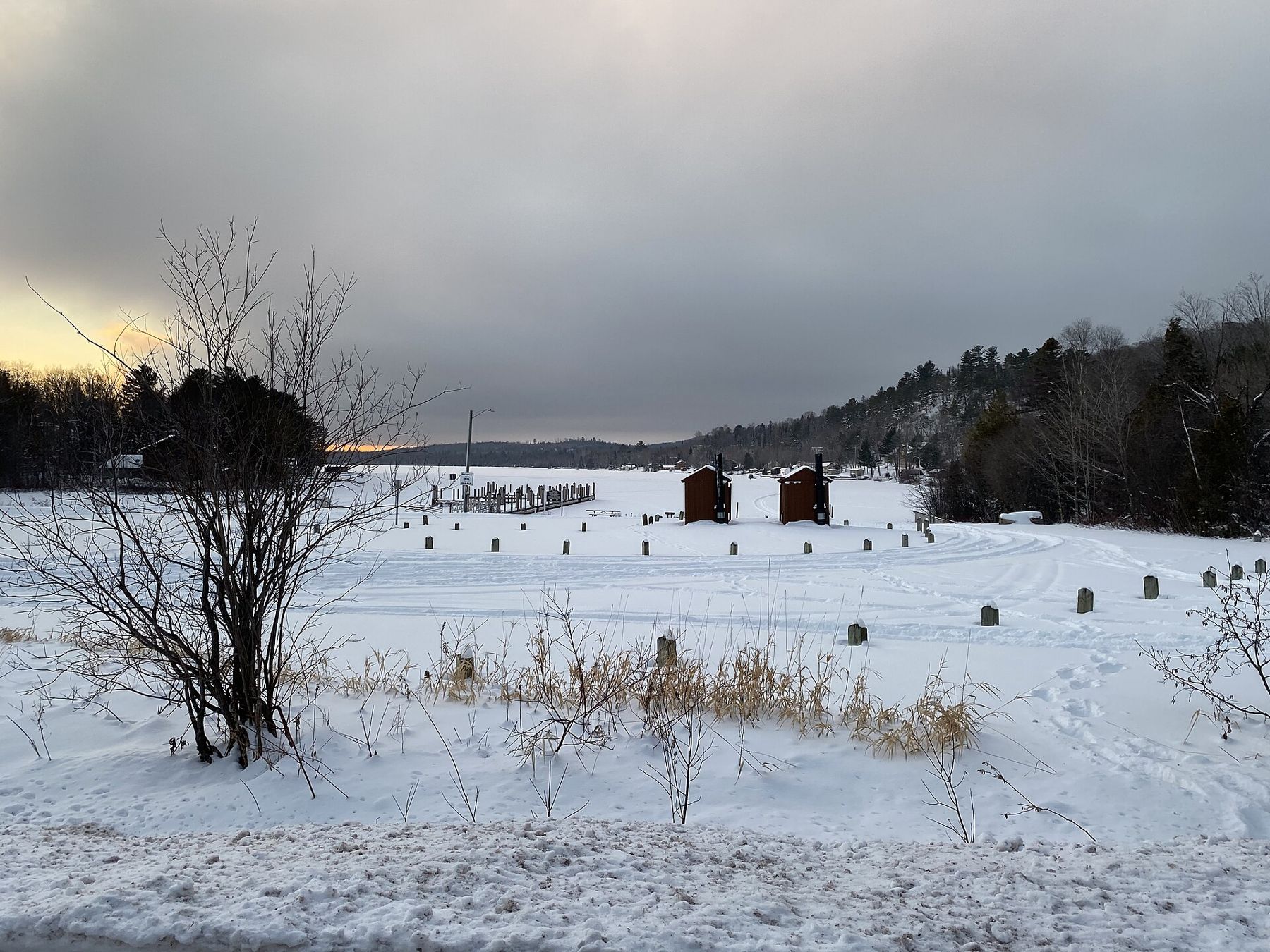
In winter, once the ice is safe, anglers spread across the bays with shanties and tip-ups. Judge the ice yourself every time, and read our page on ice fishing basics before you walk out.
The lake holds bass, northern pike, walleye and panfish, as you would expect from a deep glacial lake. You need a Wisconsin license to fish if you are sixteen or older; read our page on fishing licenses for what to buy.
The Bark River and the Nemahbins
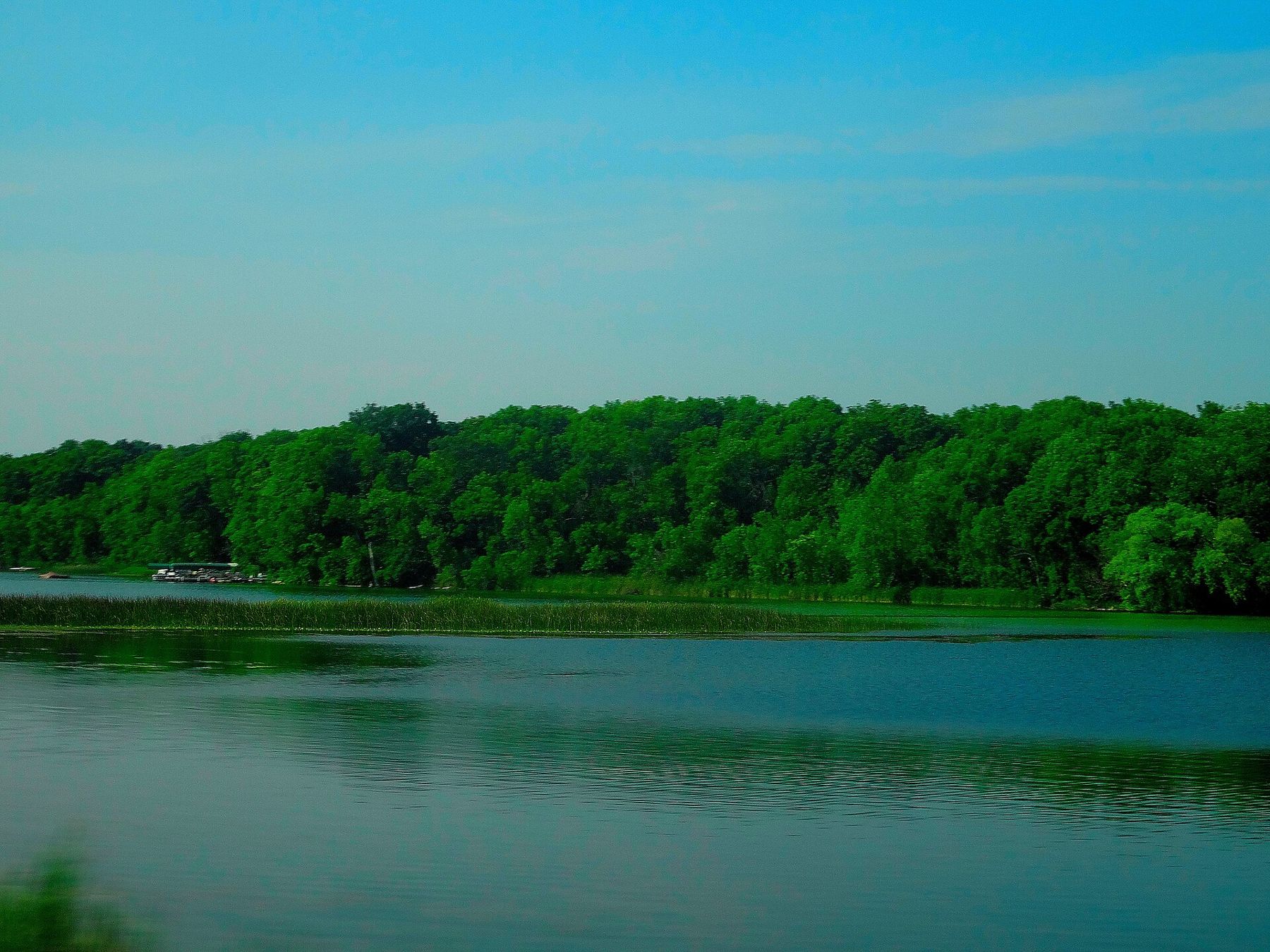
The Bark River leaves Nagawicka at Delafield and winds southwest, under the interstate, into Upper Nemahbin Lake, then on into Lower Nemahbin and away toward Dousman. The two Nemahbins are smaller and quieter than Nagawicka, with marshy edges and wooded shores that suit a canoe or kayak.
Paddle the connecting channels slowly. They are shallow and weedy in places, and you will share them with herons, turtles and the occasional fishing boat. A morning on the Nemahbins pairs well with a longer trip down the river; our page on paddling the Bark River covers the stretches below the lakes.
The interstate is never far away on these lakes, and on a weekday the traffic hum carries across the water. Paddle along the far shore, away from the highway, for the quietest water.
A morning on the chain
The best way to know these lakes is a slow paddle that links them. We'd do it like this:
- Start early. Launch by seven on a summer weekend, before the wakes and the wind. On a weekday you have more time.
- Begin on Upper Nemahbin. Follow the shoreline clockwise, keeping to the edges where the water is shallow and the birds feed.
- Look for the river. Find where the Bark enters and leaves the lake, and paddle up the channel as far as it stays easy. Turn back where it narrows or the current builds.
- Cross only in calm water. If the wind is up, stay in the lee of the wooded shore and skip the open middle.
- Be off the water by late morning on busy weekends, when powerboat traffic peaks.
Wear a life jacket, carry water and a phone in a dry bag, and give fishing boats a wide berth: they are often anchored over a weed edge they have worked for years.
Seasons on the lakes
Spring arrives with ice-out, usually in late March or early April, and brings migrating ducks, loons and grebes resting on the open water for a few days at a time. Bring binoculars and scan the lakes from public shore spots on a calm morning. The water is cold until June, so paddle close to shore and dress for a swim you hope not to take.
Summer is boating season. Swimming is best from July into early September, from a public beach or a boat well away from traffic. In the hottest, calmest weeks of late summer, check for algae advisories before anyone goes in, and stay out of water that looks green or scummy.
Fall is the quiet season and, for many, the best. The boats come out of the water after Labor Day, the oaks and maples on the hills turn, and a midweek paddle in early October can feel like a different lake. Winter brings ice anglers and, on cold clear days, skaters on the smaller bays once the ice is thick enough; never trust ice you have not checked.
On the water
Wisconsin law requires boats to run at slow-no-wake speed close to shore, piers, rafts and swimmers, and local ordinances on these lakes add their own zones and hours. Read the posted rules at the launch before you go. Most of the shoreline is private, so land only where access is public, and keep your voice down when you paddle close to homes early in the morning.
Delafield
Delafield sits at the head of the chain, where the Bark leaves Nagawicka. The old downtown along Genesee Street is compact and walkable, with shops, cafes and taverns. The Hawks Inn, a restored stagecoach-era inn, recalls the years when the road west from Milwaukee came through here. Our page on Delafield has more on the town.
The Lake Country Recreation Trail runs east and west through the area on an old rail line, an easy ride or walk that links Delafield with the towns around it. To the south, the tower at Lapham Peak looks out over the whole chain of lakes from the highest point in Waukesha County.
How to arrive
From Milwaukee, take I-94 west for about twenty-five miles and leave at the Delafield exits. Downtown Delafield and Nagawicka are a minute or two north of the interstate. The Nemahbins lie just west, on either side of the highway; follow the local roads and check for public access before you unload a boat.
From Eagle, drive north through the Kettle Moraine and Dousman on Highway 67 and county roads, about twenty-five minutes. From Madison, come east on I-94 for a little over an hour.
Clean your boat before you launch and again before you leave, and drain every drop of water. The Bark River links these lakes to each other and to the waters downstream, so anything you carry in can travel far.
Put in early on a summer Saturday, paddle the length of Upper Nemahbin before the boats wake up, and finish with coffee on Genesee Street.