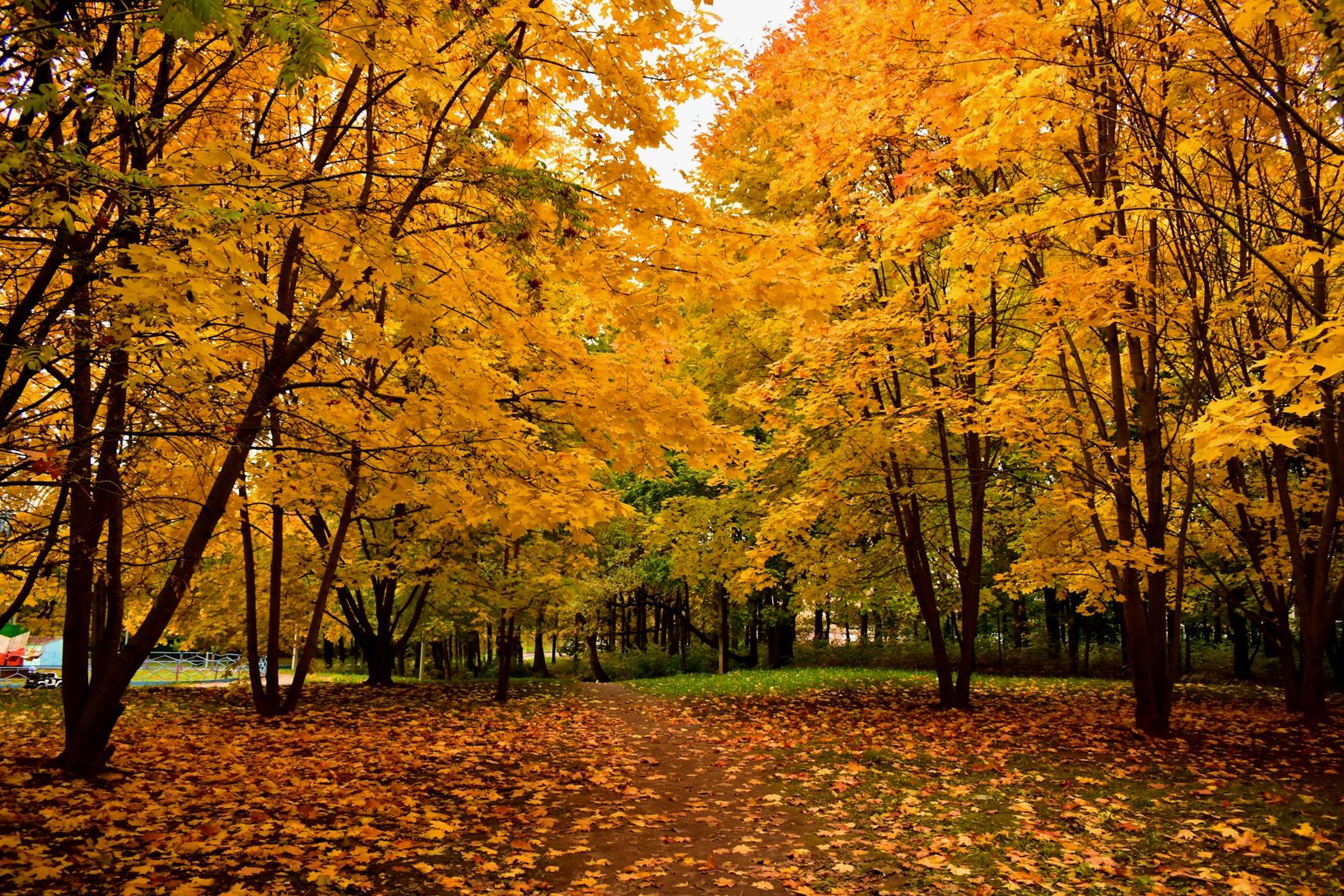
The sumac goes first. Some time in mid-September the low thickets along road cuts and old fields of the Kettle Moraine flush scarlet, weeks ahead of the trees above them. Treat that as your signal: you have roughly a month before the woods are at their best, and about six weeks before the oaks let go.
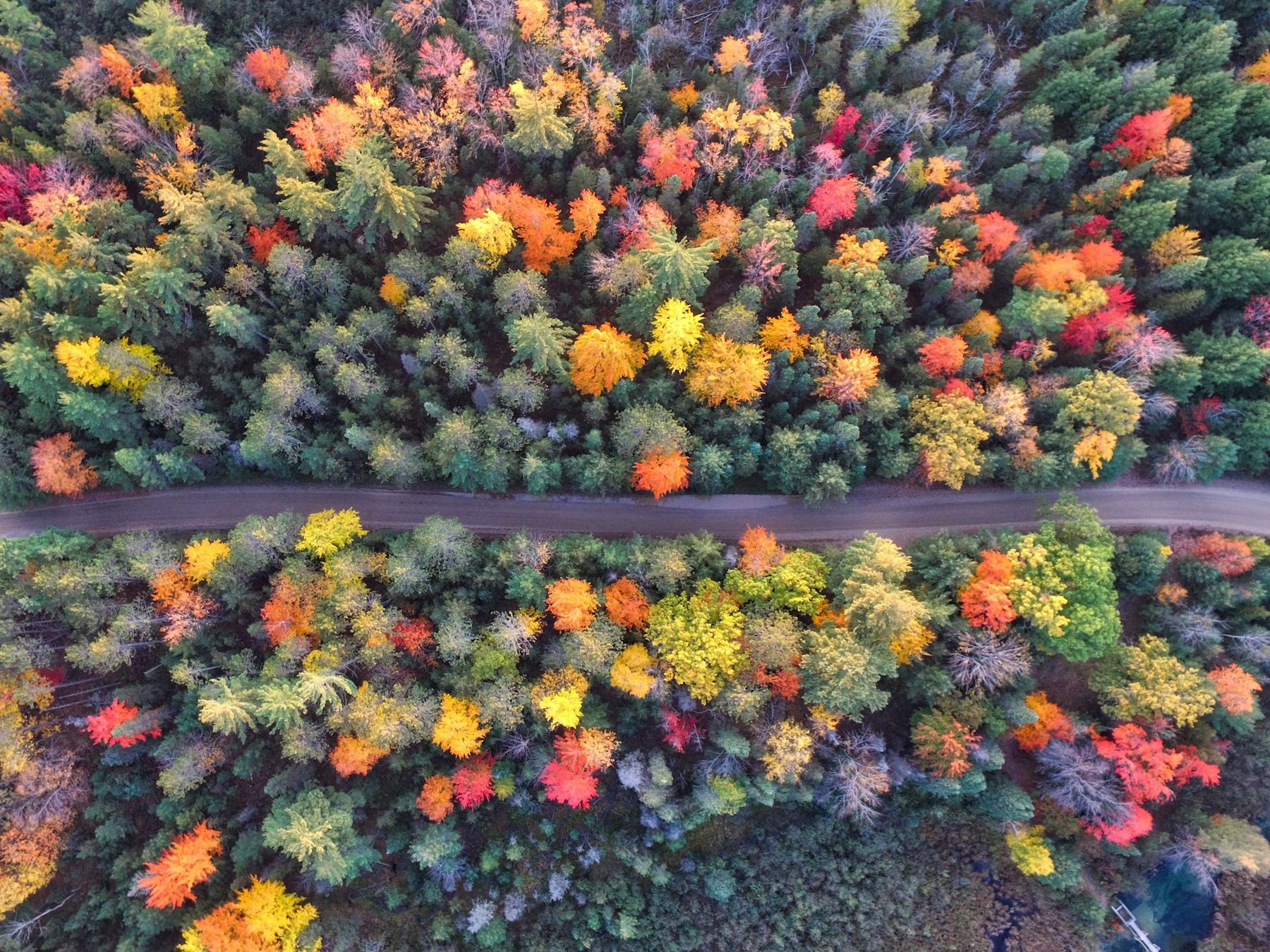
Color here usually peaks from early to mid-October, a little later than the north woods and a little earlier than the Chicago suburbs. The exact week moves with the weather. A warm, dry September tends to bring muted color and an early drop; cool sunny days and nights just above freezing bring the strongest reds. A hard wind or a cold soaking rain at the wrong moment can strip a ridge in an afternoon, so if the color looks good on a Wednesday, go on Wednesday rather than waiting for the weekend.
What turns, and when
The forest is mostly oak and hickory on the dry gravel ridges, with sugar maple, basswood and ash in the richer hollows. That mix gives you a long, staggered season instead of one sharp peak.
- Sumac and Virginia creeper turn red first, usually mid- to late September.
- Sugar maples follow in orange, scarlet and yellow, usually early to mid-October. Look for them on north-facing slopes and in the bottoms of the kettles.
- Hickories and aspens go clear gold at about the same time.
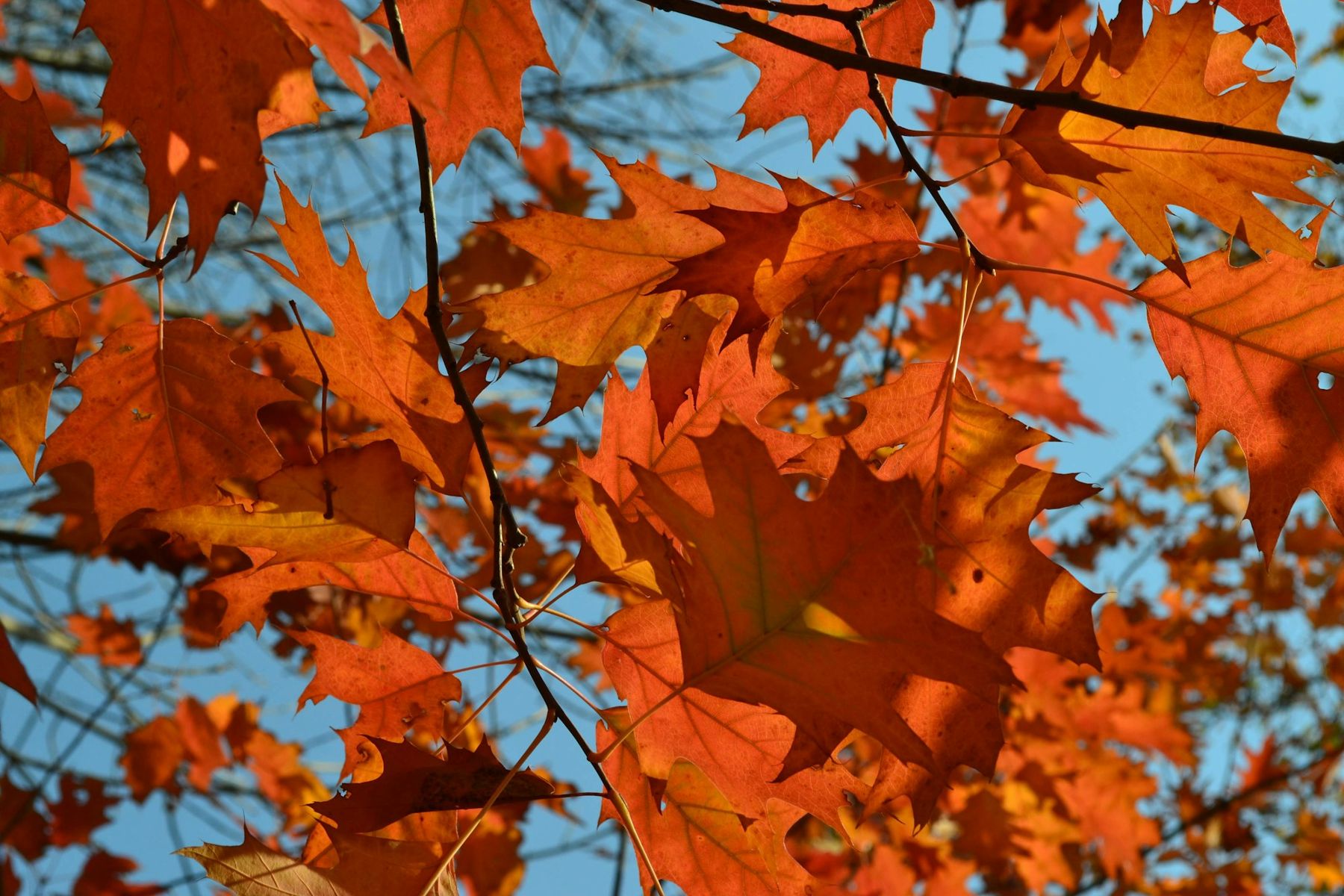
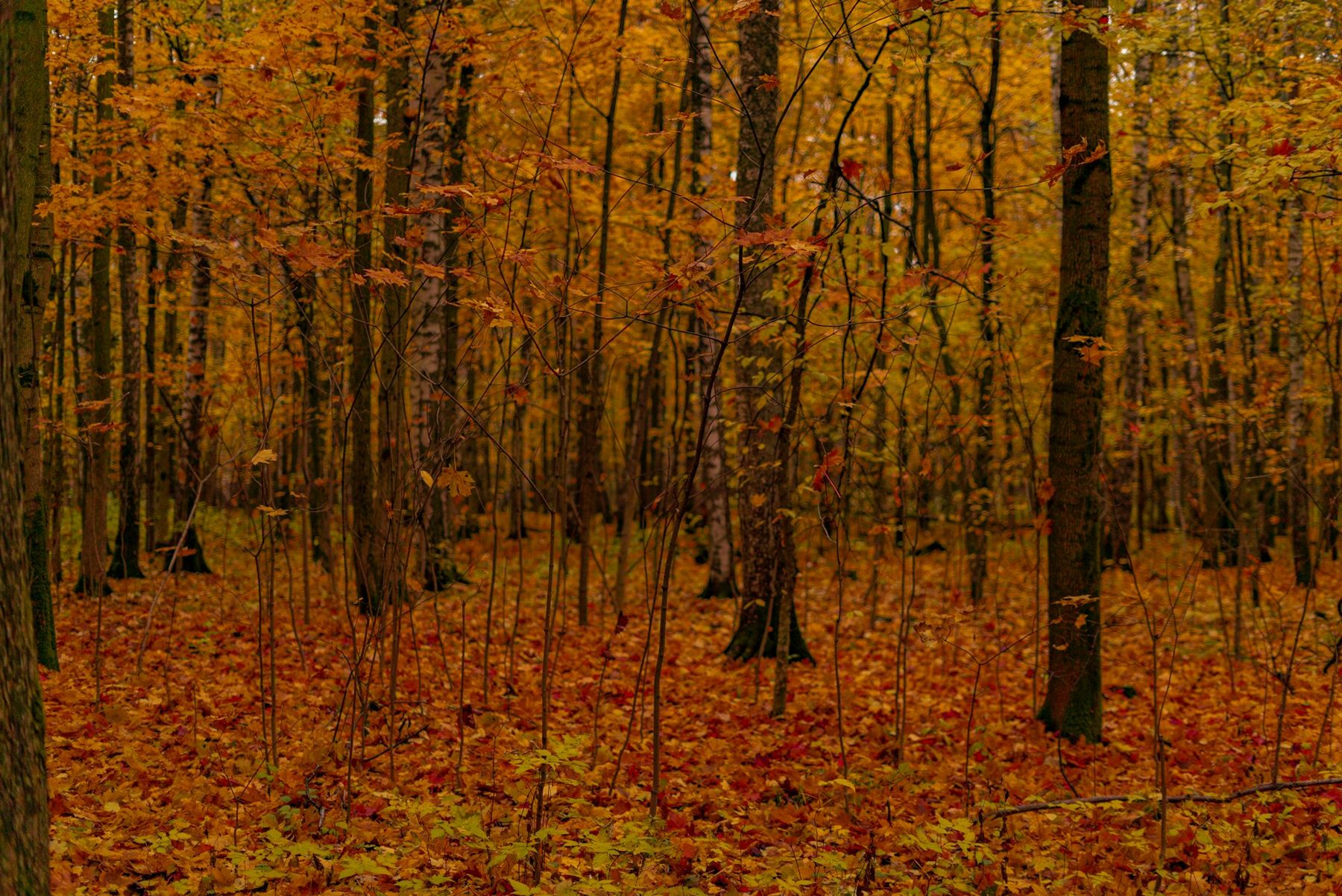
- Red and black oaks turn deep red and russet from mid- to late October, and many hold their brown leaves into winter.
- Tamaracks in the bogs and wet lowlands turn smoky gold late in October, often after the hardwoods are bare.
If you miss the maples, you have not missed the season. The oak ridges in the third and fourth weeks of October are quieter, and on a low-sun afternoon they are every bit as rich.
Climb above the trees
The moraine is a landscape of short horizons. Inside the woods you see a hundred yards of trunks. To see the color as a whole, get above it.
The best-known view is from the observation tower at Lapham Peak near Delafield, which stands on the highest ground in Waukesha County. From the top platform you look out over rolling woodland and farm fields in every direction. It is a short, steep walk from the upper parking lot to the tower. Go early on a weekday; on a clear Saturday in mid-October the stairs and the lot both fill.
Farther north, the twin spires of the basilica at Holy Hill rise out of the woods of Washington County, and the hilltop gives a long view over the northern ridges of the moraine. It is a working church and shrine, so dress and behave as you would at any service, and check whether the scenic tower is open before you plan your day around it.
Drive the acorn route
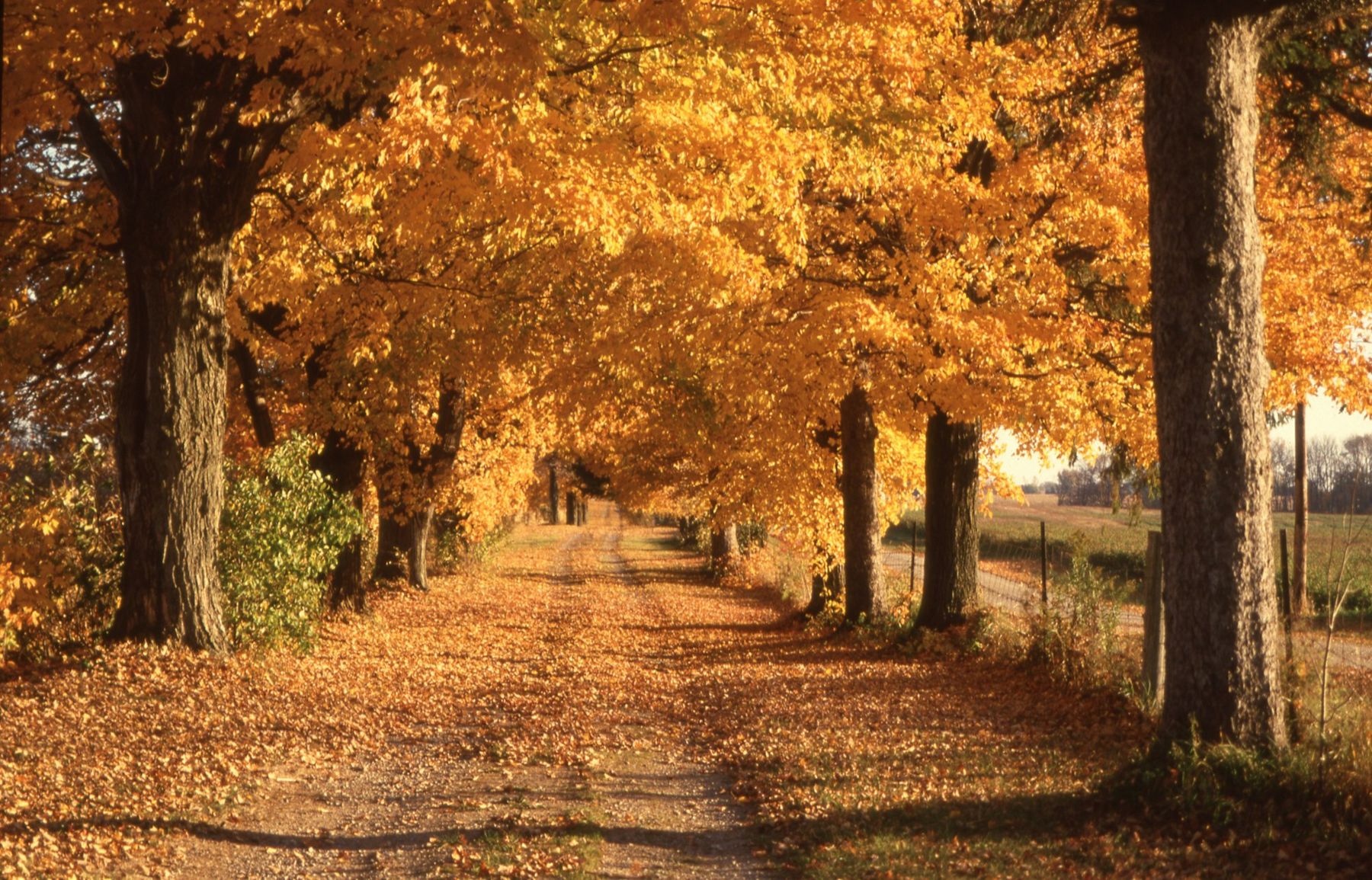
The Kettle Moraine Scenic Drive strings the units of the state forest together on a signed route of county and town roads, marked with acorn signs. You do not need to drive all of it. In the south, the stretches through the oak woods between Eagle, La Grange and Whitewater Lake make a good half day; our scenic drive page breaks the route into sections.
These are narrow roads with soft shoulders, blind hill crests and farm equipment moving between fields at harvest time. Drive under the limit, pull over only at parking lots and wide turnouts, and watch for cyclists, who come out in numbers on fine October weekends.
Walk into it
Any trail in the Southern Unit is worth walking in October, but the Ice Age Trail through the Southern Unit gives you the most variety in the shortest distance: ridge-top oaks, maple hollows, pine plantations and the edges of open prairie. Pick it up at a road crossing and walk an out-and-back of whatever length suits you.
Fallen leaves hide roots, loose cobbles and the edges of steep kettle slopes, and wet oak leaves are slick on a downhill. Wear boots with real tread and slow down on the descents. Hunting is allowed in much of the state forest in fall, so wear something bright orange and stay on the marked trail.
Find still water
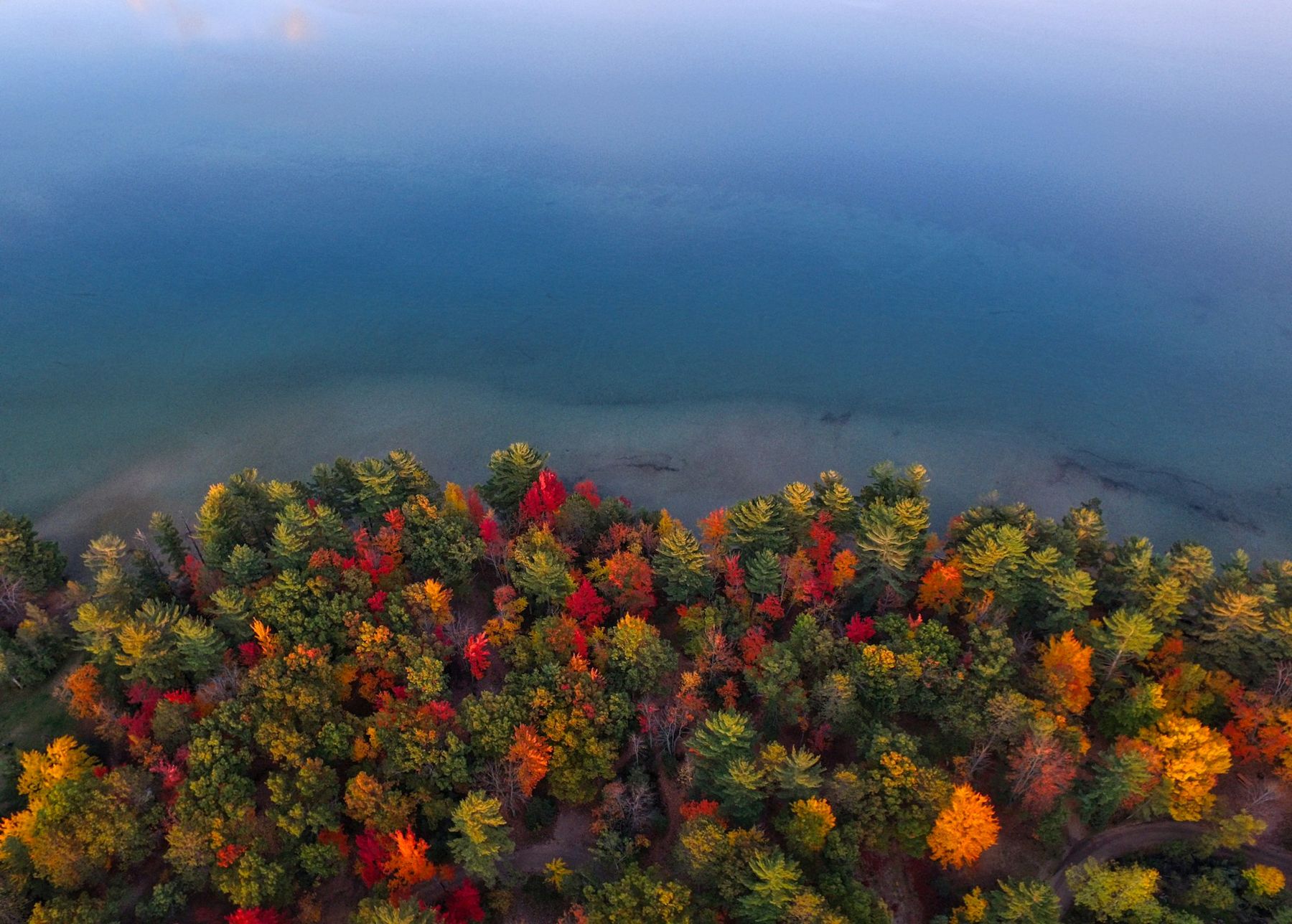
Color looks twice as strong reflected in a calm lake. The kettle lakes of the Southern Unit, Ottawa Lake north of Eagle and Whitewater and Rice lakes at the southwest end of the forest among them, are ringed by wooded slopes that come right down to the shore. Go early, before the wind gets up and breaks the surface. On a still, cold morning you may also get mist lifting off the water as the sun reaches it, which is worth an early alarm on its own.
The pine plantations are worth a look too. Most were planted on worn-out farm fields decades ago, and in October their dark rows set off the yellow of the young maples and aspens growing up between them. Walk in on any trail that crosses one and look back toward the hardwoods from inside the pines.
Crowds and timing
The two weekends nearest the peak are the busiest of the year in the forest. The Lapham Peak lot, the main trailheads on WIS 59 and County ZZ, and the roads to the orchards and pumpkin farms all fill at once. On those weekends, arrive before 9 a.m. or come after 3 p.m., when the light is better anyway.
Weekdays are far quieter. A Tuesday morning in the second week of October can give you an empty tower platform and a trail to yourself.
Every state forest parking lot needs a vehicle admission sticker or daily pass; see state park admission for how it works, and check current prices before you go. Carry water and a layer: an October morning can start near freezing and end in the sixties.
On the way home, look west from any open ridge in the last half hour of light. The low sun turns the oaks copper, and that is the color most people remember.