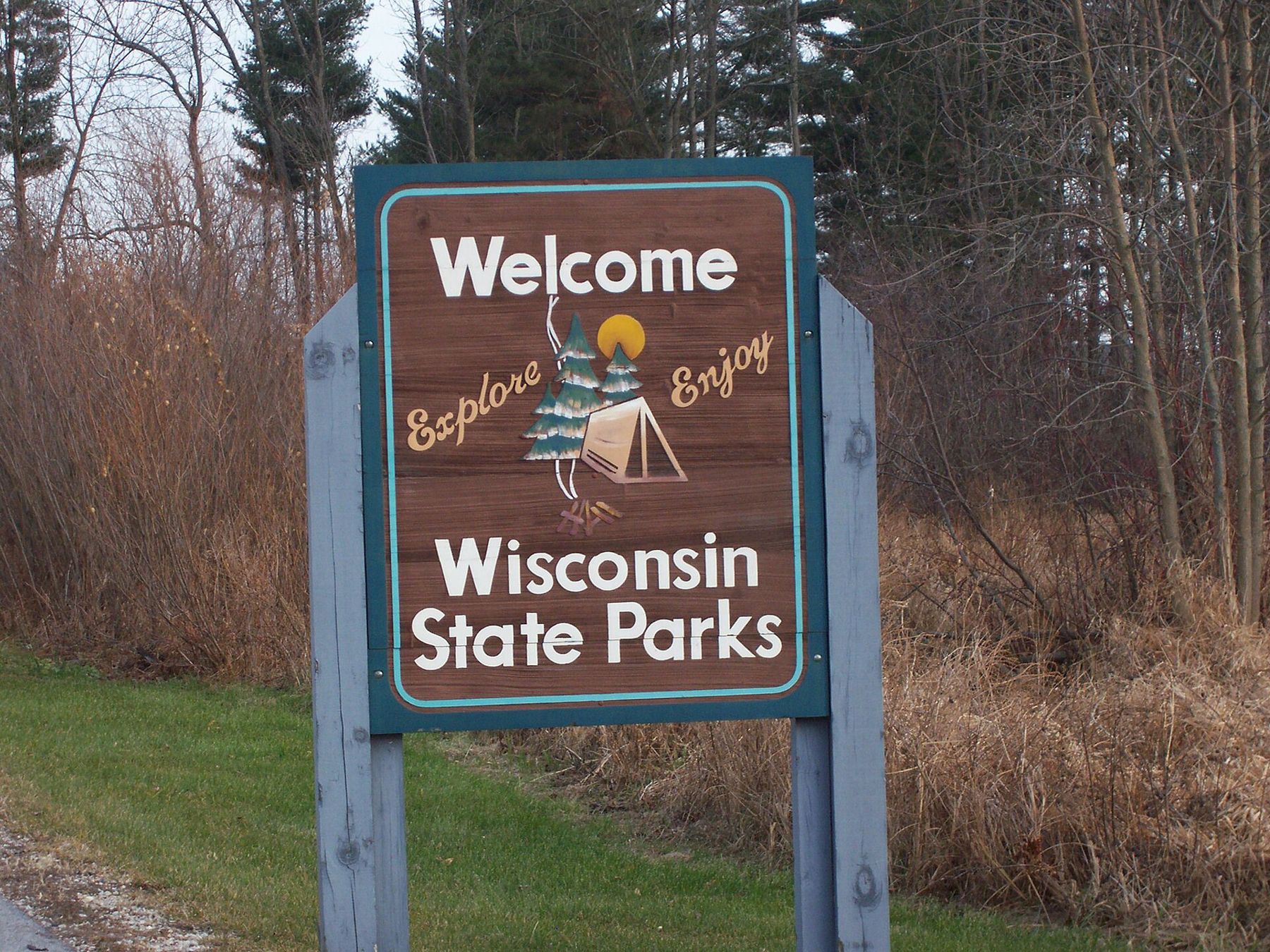
Look at the corner of your windshield before you leave home. If there is a current Wisconsin state park sticker there, you are set for most of the parking lots in the Kettle Moraine. If not, you will need to buy admission for the day, and it pays to know how before you are standing at a self-registration post in the rain.
Wisconsin charges vehicle admission at its state parks, state forests, recreation areas and some other state properties. The money goes toward running them. The Kettle Moraine State Forest, Lapham Peak, Pike Lake and many other places covered on this site require it at their main parking areas.
Rates, discounts and the ways you can pay change from time to time, so treat this page as a guide to how the system works and check the current details before you go.
Vehicle admission: daily or annual
There are two basic choices.
- A daily pass covers one vehicle for one day, at any state property that charges admission. Useful for a one-off visit.
- An annual sticker covers one vehicle for the calendar year at all of those properties. If you expect to visit more than a handful of times, it usually works out cheaper.
Wisconsin residents pay less than out-of-state visitors, and there are reduced-price options for some groups, such as seniors. A household with more than one vehicle can generally add a second annual sticker at a discount. Check which categories apply to you.
The annual sticker runs on the calendar year, not twelve months from purchase. Buying one in November gets you very little; buying one in early spring gets you the whole season.
Where to buy
- Online, before you go. The state sells admission online. This is usually the least hassle, though a physical sticker for an annual purchase may need to be mailed or picked up.
- At a park or forest office during open hours. Staff can answer questions about trails and closures at the same time.
- At a self-registration station at many trailheads, where you pay for a daily pass and display the receipt. Bring the payment method the station accepts.
- From some outdoor retailers and license agents, for annual stickers.
If you arrive early in the morning or late in the evening, the office will often be closed. Plan for that: buy online the night before, or carry the right payment for the self-registration post. Some stations take only certain kinds of payment, and cell signal at rural trailheads can be too weak to buy online on the spot.
Display the sticker or daily receipt as instructed. Forest staff check parked cars, and an unpaid vehicle can be ticketed.
State trail passes
The trail pass is separate from vehicle admission and applies to people, not cars. On designated state trails, riders aged 16 and over generally need one when biking, cross-country skiing, horseback riding or in-line skating. Walkers and hikers do not need a trail pass.
That matters in the Kettle Moraine. If you ride the John Muir and Emma Carlin trails or ski the groomed loops in winter, you need a trail pass on top of your vehicle admission. If you are hiking the same loops in October, the vehicle sticker is all you need. Rail trails such as the Glacial Drumlin State Trail also require a trail pass for cyclists, even though there may be no admission charge to park.
Like vehicle admission, trail passes come as daily or annual versions. Carry yours with you, since you may be asked on the trail.
A few things people get wrong
- County and state are not the same. County parks, such as those run by Waukesha County, have their own fees and passes. A state sticker does not cover them, and a county pass does not cover state land.
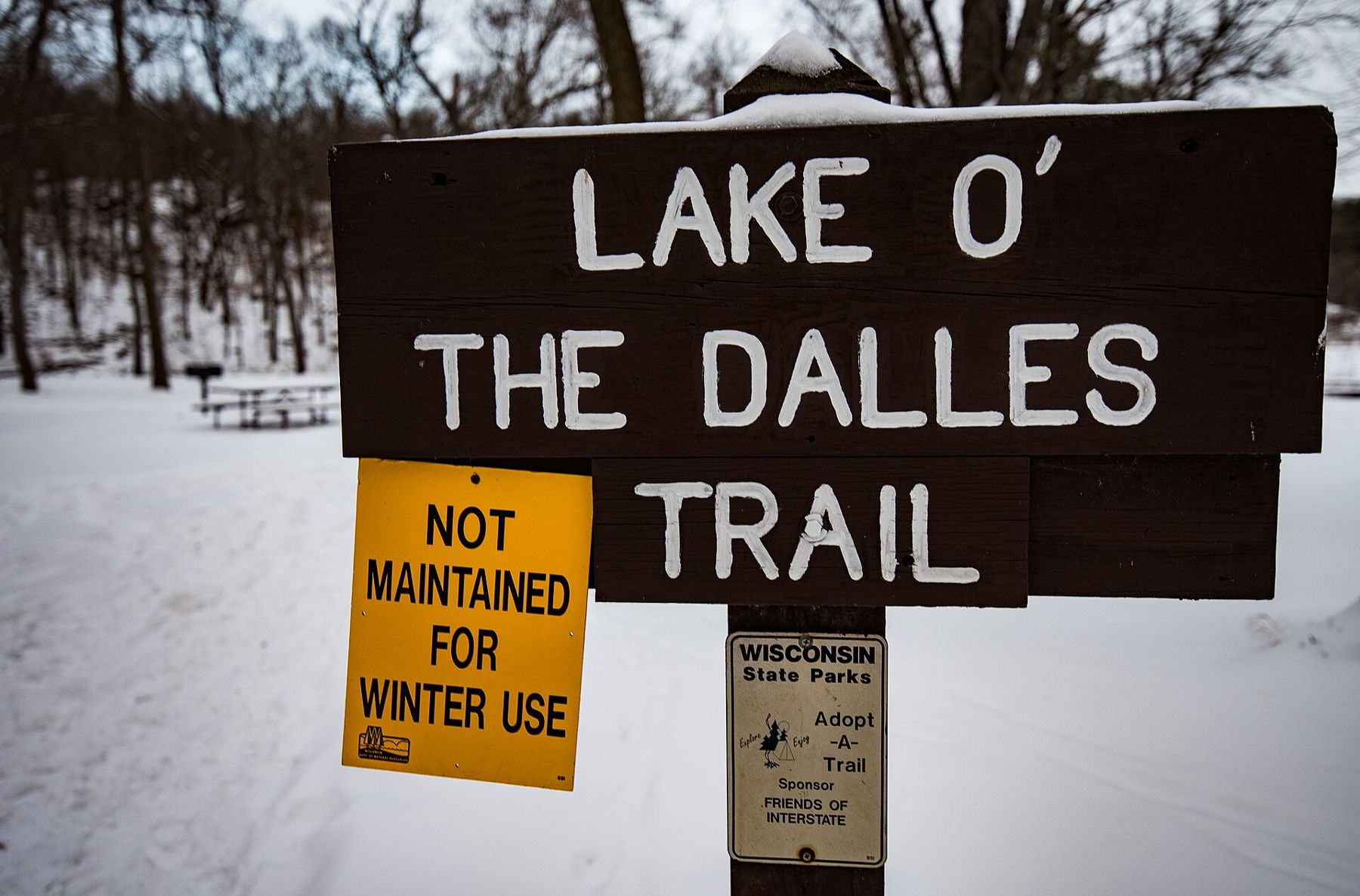
- Not every lot charges. Some small trailheads and road-crossing parking areas on the Ice Age Trail do not require admission, while the main lots in the same forest do. Read the sign at each lot, and at each trailhead: some trails are not maintained in winter.
- Camping is separate. A campsite reservation is paid on its own, and you still need vehicle admission. See our page on camping season in the Kettle Moraine.
- Free days happen. The state has run admission-free days at times, often around holidays or special events. They are announced in advance, and the parks are busy.
Is the annual sticker worth it?
Count your likely trips. If you live in the Milwaukee area or Lake Country and walk, ski or swim at state properties a few times a season, the annual sticker usually pays for itself quickly. It also removes the small friction of paying at the trailhead, which makes a short evening walk more likely.
Think about who else might use the car. The annual sticker belongs to the vehicle, so anyone driving it gets the benefit. If one member of the household does most of the trail trips in a different car, put the sticker on that one.
If you are visiting from out of state for a long weekend, compare the daily rate against the annual non-resident price. On a trip that takes in several properties over several days, the annual sticker can come out ahead.
Buy it, stick it on, and keep the receipt in the glove box until the sticker is on the glass.