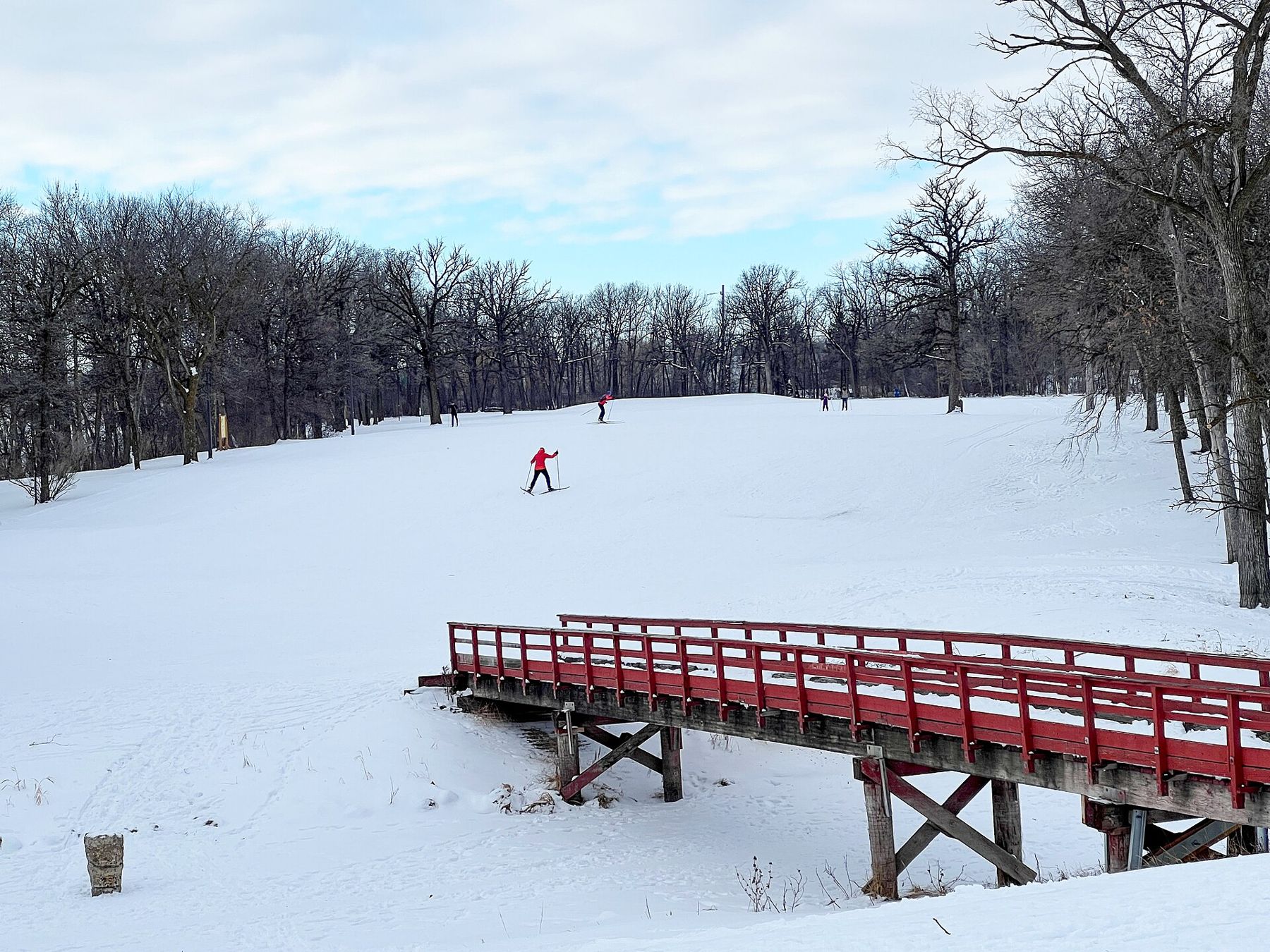
Snow in southeast Wisconsin is never a sure thing. Some winters bring weeks of good skiing; others bring a few inches, a thaw and rain. That is why the trail with the most dependable snow in the region is the one where people make it. Learn the trails below, keep your skis waxed and by the door, and when a storm leaves six inches on a frozen base, go that day.
The southern Kettle Moraine has some of the best groomed cross-country skiing in the southern half of the state: long, rolling loops through oak woods and pine plantations, groomed for both classic and skate skiing, most of them within half an hour of Eagle.
Classic or skate
Groomed trails here usually carry two things side by side. Classic tracks are a pair of parallel grooves set into the snow, for the familiar kick-and-glide stride. The skate lane is a wide, flat strip of corduroy for skate skiing, where you push off the edges of your skis like a speed skater.
Classic is easier to learn and works on narrow trails and in fresh snow. Skating is faster and harder work, and needs a firm, groomed surface. Use the right part of the trail for your skis, ski in the direction of the arrows on one-way loops, and never walk or snowshoe on either.
Where to ski
- Lapham Peak, near Delafield. The most reliable snow in the area. A loop is covered with machine-made snow when the weather allows, and part of the system is lit for evening skiing. Expect it to be busy on weekend mornings and on weeknights after work. See Lapham Peak for the layout of the park.
- The Nordic trails, north of La Grange. A set of color-coded loops of increasing length and difficulty in the Southern Unit, groomed for classic and skate, through rolling hardwoods and pines. Good for a long day.
- Scuppernong, off County ZZ. Three loops through pine plantations and oak woods northwest of Eagle, with steady climbs and fast descents. See the Scuppernong trails.
- McMiller, near Eagle. The state forest's sports area west of Eagle has groomed ski loops on gentler ground that suit beginners and families.
Trail lengths, grooming and lighting change from season to season. Check the forest's current trail information before you plan a route.
Reading the trail
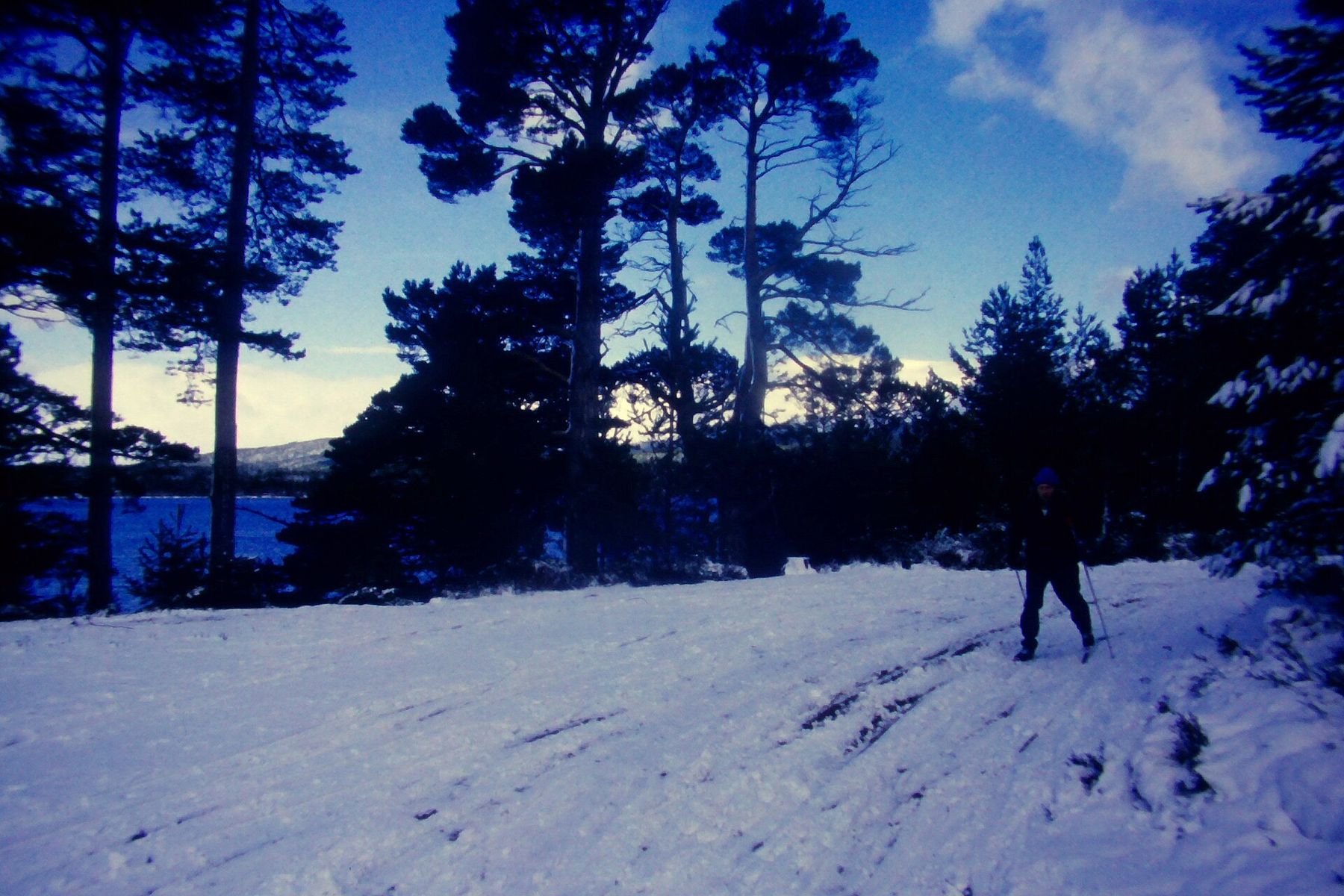
Each loop is usually marked with colored or numbered signs at every junction, and many carry a difficulty rating. The ratings are relative: an easy loop in the Kettle Moraine still has short climbs and quick descents, because the whole forest is built on glacial hills. If you are new, ski the shortest loop first and see how the downhills feel before committing to a longer one.
On a descent, stay in the tracks if you are skiing classic and they are good, or step out into the skate lane and snowplow if you need to slow down. If you fall, get yourself and your skis off the trail quickly; another skier may be coming down behind you. Fill any hole you leave in the corduroy.
Skiers keep right, pass on the left, and call out before passing. On two-way sections, the skier going downhill has the right of way.
Passes and rules
Every state forest and park lot needs a vehicle admission sticker or daily pass. On the groomed state ski trails, skiers 16 and older generally also need a state trail pass. Buy both before you go or at the trailhead, and check current prices. See state park admission for how the system works.
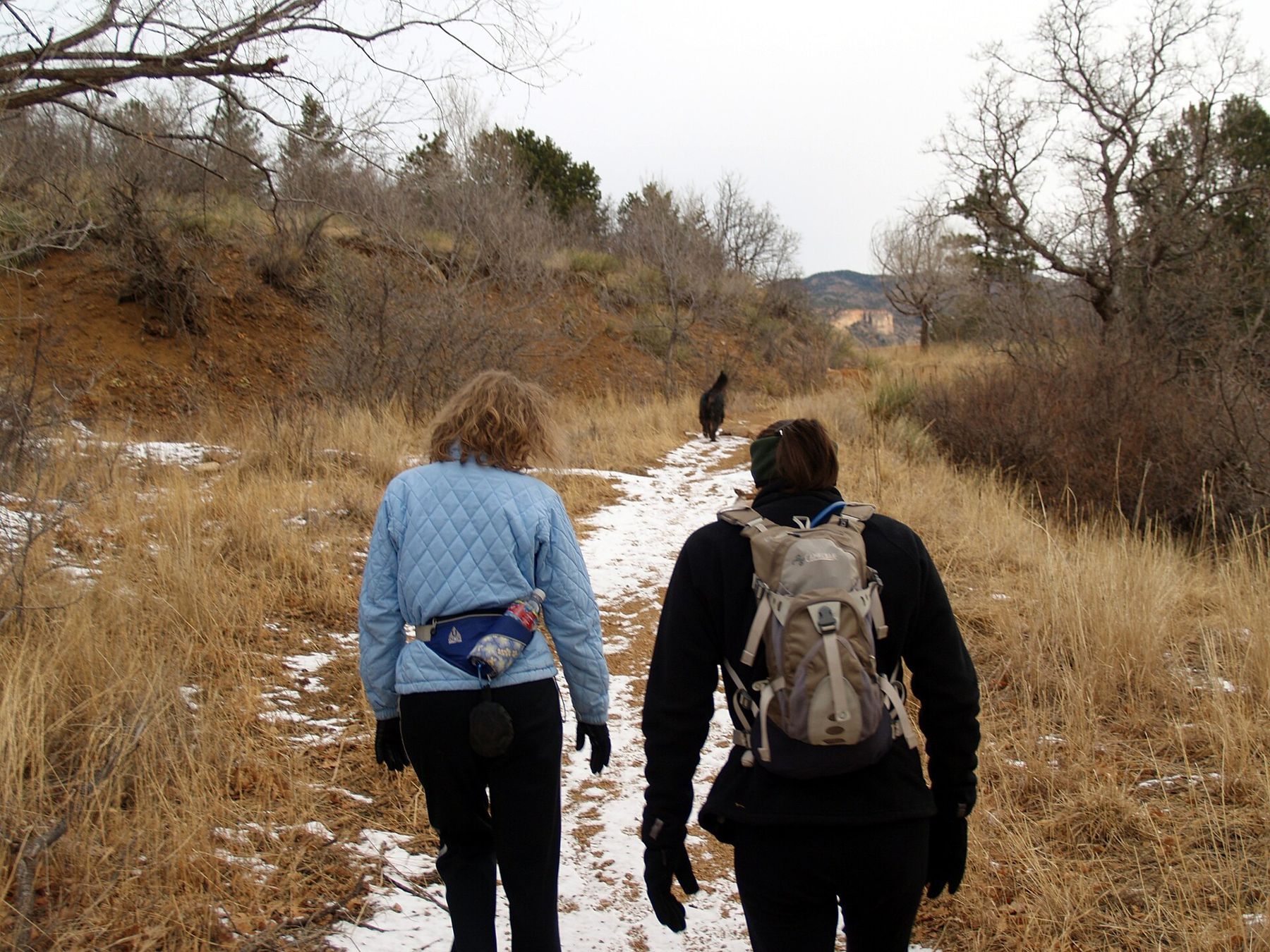
Dogs are generally not allowed on groomed ski trails, and walkers and snowshoers should stay on separate trails. If you snowshoe, our snowshoeing page lists the places to go instead.
Gear and rentals
Few trailheads in the area rent skis. Outdoor and ski shops in Lake Country and the Milwaukee suburbs rent classic and skate packages by the day or the season; call ahead after a big snow, when rental stock goes fast. Waxless classic skis are the simplest place to start.
Dress in thin layers. Skiing is hard work, and you will heat up within ten minutes. A light jacket, a hat you can stuff in a pocket and thin gloves are usually enough while you are moving. Carry a dry layer and something warm to drink for the stop at the end.
Waxing and care
Waxless skis need little more than a glide wax on the tips and tails now and then. Waxable classic skis grip with a kick wax matched to the temperature: harder, colder waxes for cold, dry snow, and softer ones as it warms. The wrapper tells you the range. If you are unsure, start harder and go softer; it is easy to add wax and hard to remove it on a cold trail.
Wipe your skis dry when you get back to the car, and store them indoors. Snow that melts and refreezes on the bases makes the next day's skiing slow.
When to go
January and February usually have the best and most dependable snow. December can be good or bare; by March the sun is strong and the trails turn icy in the morning and slushy by afternoon. Ski early in the day after a cold night for the fastest, firmest snow.
The roads to the trailheads are rural and slower to be plowed than the highways; see winter driving in rural Wisconsin before you set out after a storm. On a cold weekday morning after fresh grooming, the Nordic loops can be nearly empty. Put your skis in the first set of tracks and follow them into the pines.