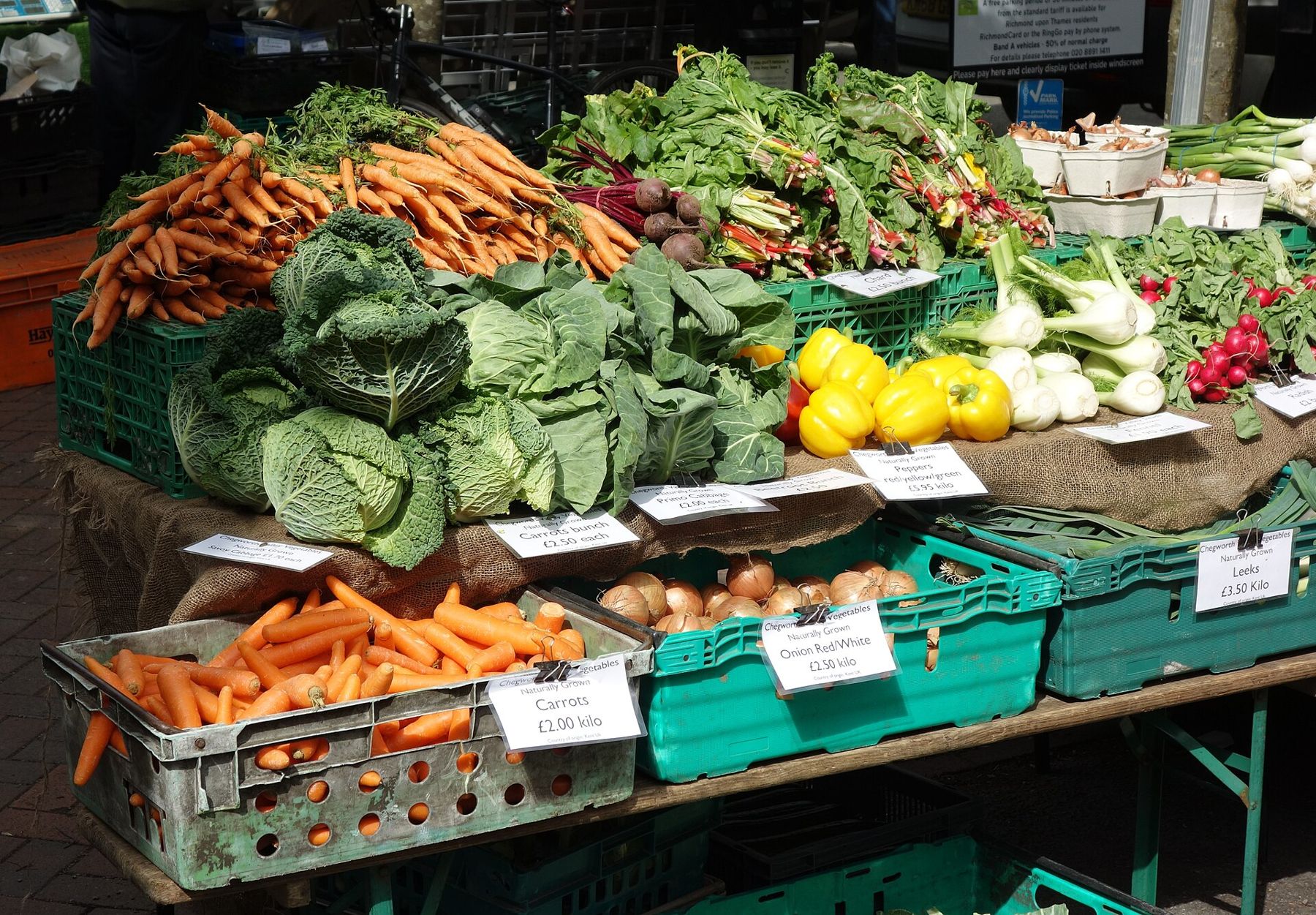
Saturday at seven in July, in a downtown parking lot or along a riverfront, white tents go up in rows and pickup trucks back in behind them. By eight the first sweet corn is gone. Southeastern Wisconsin's farmers markets run on that early clock, and if you want the pick of the week, you keep it too.
The farmland around Lake Country, the Kettle Moraine and the Rock River grows vegetables, fruit, flowers, honey, maple syrup, eggs, meat and cheese, and from late spring to late fall much of it comes to town once a week. Here is how the markets work, where the main ones run and what you will find in each month.
The town markets
Days, hours and locations change, so treat these as typical patterns and check this year's schedule.
Waukesha holds one of the larger markets in the area, usually on Saturday mornings downtown near the Fox River, running from spring into fall. It draws growers from across Waukesha County and beyond, and it is a good reason to walk the rest of downtown Waukesha afterwards.
Oconomowoc has typically held a Saturday morning market in the downtown area through the summer season, a short walk from the lakes. Pair it with a stroll along the shore described under Oconomowoc.
Delafield runs a smaller market, usually on a Saturday morning, close to its main street. It suits a slow morning before a walk or a ride on the trail through Delafield.
Lake Geneva holds a market through the growing season, and its day has not always been a weekend one. Check the day and place before you plan around it, and combine it with a walk in Lake Geneva.
Many smaller towns, including Mukwonago, Elkhorn, Whitewater and Fort Atkinson, have their own markets on weekday evenings or weekend mornings, some with only a dozen stalls. Small markets often have the most direct conversation with the growers.
What is in, month by month
Wisconsin's growing season is short and late. Everything below shifts by a week or two with the spring weather.
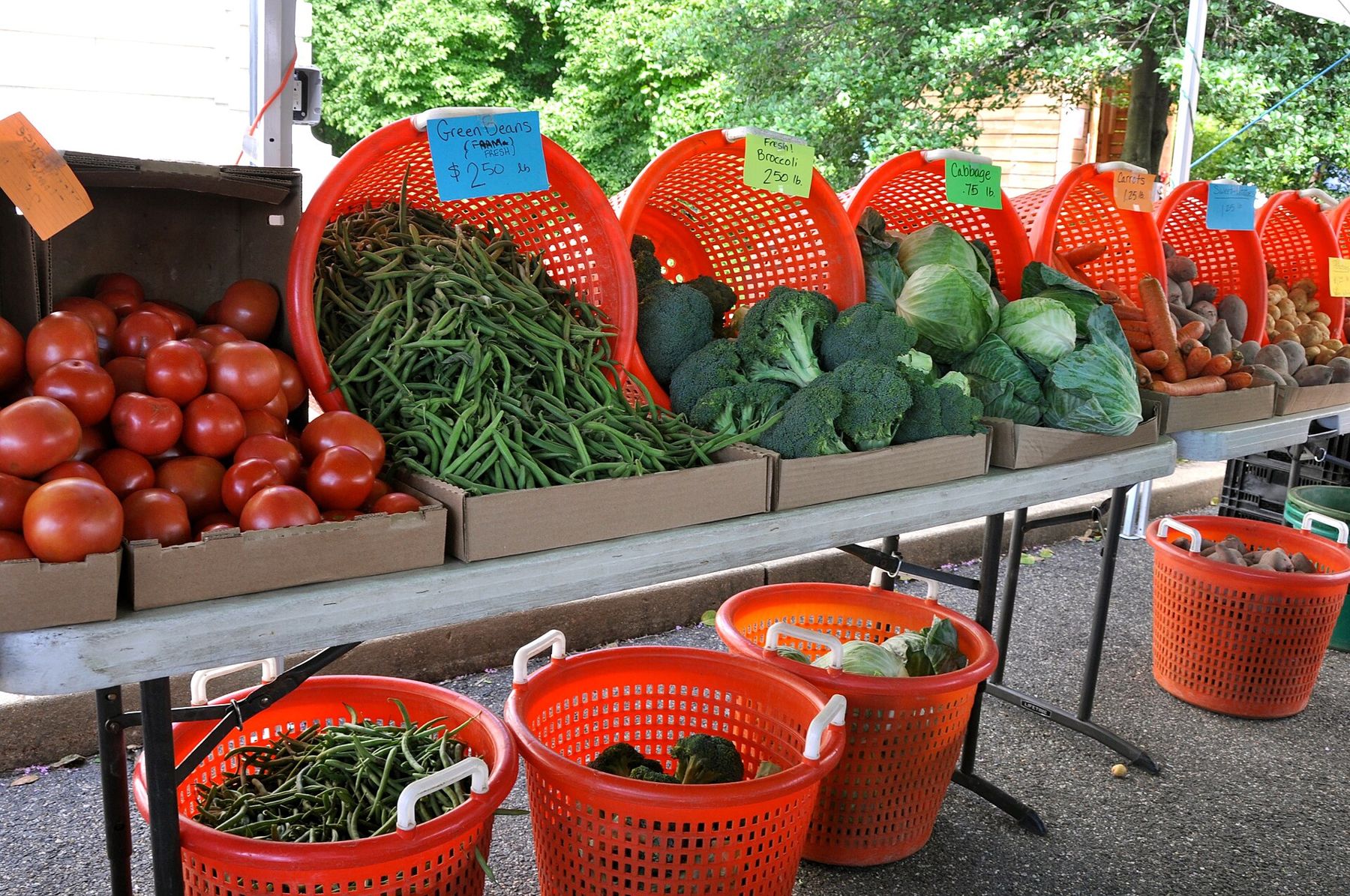
- May: asparagus, rhubarb, spinach, radishes, green onions, bedding plants, eggs, maple syrup and honey.
- June: strawberries, usually from about mid-June for a few weeks, along with peas, lettuce, early herbs and the first garlic scapes.
- July: raspberries, blueberries, cherries, new potatoes, zucchini, cucumbers, green beans, and the first sweet corn, usually from mid to late July.
- August: the height of the year. Tomatoes, peppers, melons, eggplant, sweet corn by the dozen, peaches from farther afield, and flowers by the bucket.
- September: apples, pears, the last tomatoes and corn, potatoes, onions, cabbage and the first winter squash.
- October: pumpkins, squash, apples, cider, Brussels sprouts, root vegetables, and the last market days of the season.
Year round, look for meat sold frozen from coolers, cheese and curds, bread, jams, honey and maple syrup. When the apples arrive, the orchards and pumpkin farms are open too.
More than vegetables
A good market is also where you meet the rest of the region's farm economy.
Meat and eggs. Small livestock farms sell beef, pork, lamb and chicken frozen from chest coolers, along with eggs by the dozen. Prices are higher than the supermarket and the animals are usually raised within an hour's drive. Ask how they were raised; most farmers are glad to explain.
Cheese. Cheesemakers and resellers bring cheddar, colby, flavoured jacks and fresh curds, some from plants a few counties away. Curds bought on market morning are often the freshest you will find in town.
Honey and maple syrup. Beekeepers sell honey by the jar, often labelled by season, light in early summer and darker in fall. Maple syrup comes from the spring sugaring in the woodlots of the region.
Bread and baking. Bakers bring loaves, kolaches, cinnamon rolls, cookies and fruit pies. These sell out fastest of all.
Flowers and plants. Bedding plants and herbs in May, cut flowers by the bucket from July, and mums and gourds in fall.
Some towns also hold indoor winter markets, monthly or every few weeks from about November to April, with storage vegetables, meat, cheese, baked goods and crafts. They are smaller but worth seeking out on a grey Saturday.
How to arrive and shop
- Arrive early. The best berries, corn and baked goods go in the first hour. Late morning brings smaller crowds and sometimes end-of-day prices.
- Park a block or two away. Town markets usually close a street or a lot, and nearby parking fills quickly. Street parking a few blocks off is often easier than circling.
- Bring bags and a cooler. A cooler in the car keeps meat, cheese and berries in good shape on the drive home in July.
- Walk the whole market once before you buy. Prices and quality vary from stall to stall.
- Ask the grower. Ask when it was picked, how they grow it and what is coming next week. Many will tell you how they cook it, too.
- Buy what is abundant. When every table is stacked with zucchini or tomatoes, that is when they are best and cheapest.
Not every stall is a farm. Some markets admit resellers or craft vendors; if it matters to you, look for signs naming the farm and its town, or simply ask. Early-season tomatoes and peaches in June, for example, did not grow in a Wisconsin field.
Most markets also run music, a children's corner or a food stall or two, and a few hold special days around strawberries, sweet corn or the harvest. Weather rarely stops them; growers set up in drizzle and leave only for lightning.
Roadside stands
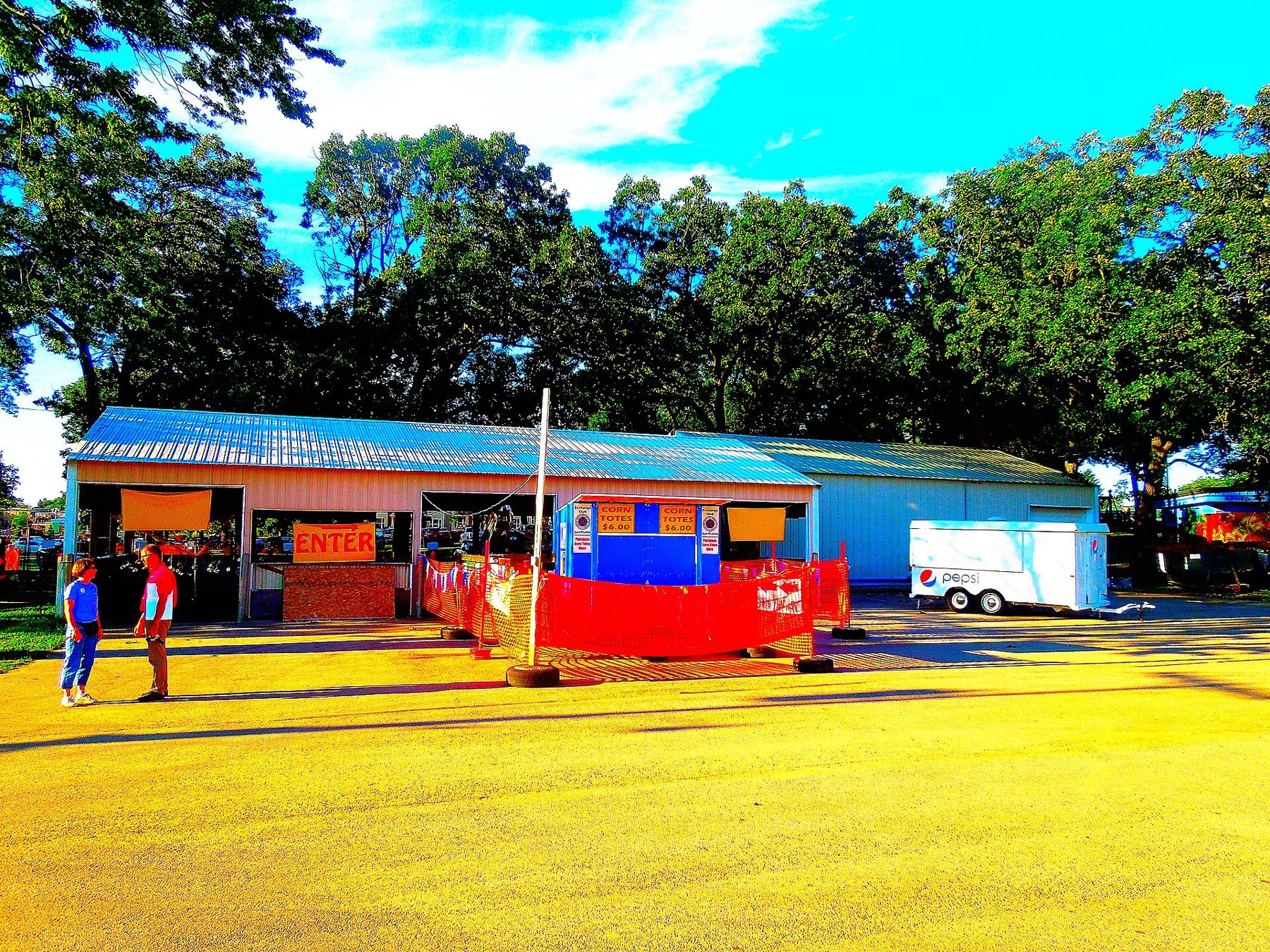
Between market days, the farm stand carries on. Drive the county roads in late July and August and you will pass hand-painted signs for sweet corn, tomatoes and melons, often a table under a canopy at the end of a driveway, sometimes an honour box for payment. Sweet corn picked that morning is the reason to stop; cook it the same day while the sugar is still high.
Pick ears with green, tight husks and moist, pale silk tips. Do not peel back the husk to check; the grower will not thank you, and a fresh ear from a good stand rarely disappoints. Boil it for only a few minutes, or grill it in the husk, and serve it with butter and salt. Tomatoes from the same stand should sit on the counter, not in the fridge.
Leave a few dollars in small bills in the car through August for exactly these stops, and husk the corn on the back step before supper.