Summer Saturdays in Lake Geneva start early. By ten o'clock the lots near the water are filling, the boat ticket lines have formed, and Main Street traffic slows to a crawl. Get there by eight, park once, and walk. That single decision will shape your day more than anything else on this page.
Lake Geneva is a small city at the east end of Geneva Lake, about 50 miles from Milwaukee and 80 from Chicago. It has been a summer resort for Chicago since the late 1800s, when the railroad arrived and wealthy families began building estates around the shore. The estates are still there. So are the crowds, in July and August. Plan around them and the place works well.
How to arrive in Lake Geneva
From Milwaukee, take I-43 southwest to WIS 50 or US 12 and drive east into the city; a little over an hour. From Chicago, take I-94 or US 12 north; allow two hours, more on a Friday afternoon in summer. From Eagle, drive south on WIS 67 through Elkhorn's edge and on to the lake, about 40 minutes.
No passenger train runs to Lake Geneva today. The nearest commuter rail ends across the state line in Illinois, so you will need a car for the last stretch.
WIS 50 runs straight into downtown and is the slowest way in on a busy day. If you are staying on the north or west shore, use the county roads instead. Once downtown, leave the car and stay on foot; everything near the water is within a few blocks.
The Riviera and downtown
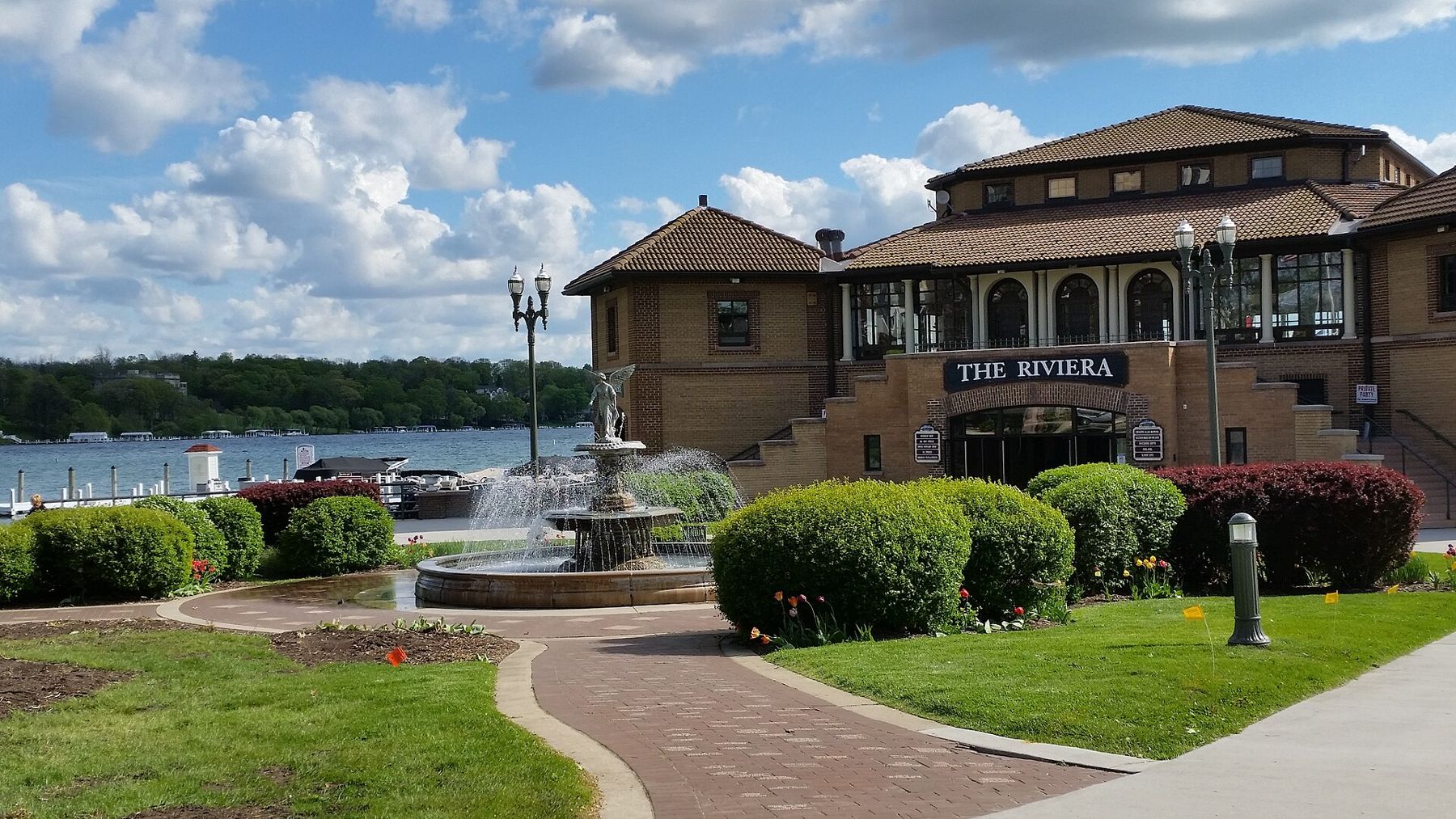
Walk to the Riviera first. It is the long two-storey building on the water at the foot of downtown, built in the early 1930s as a public pier and ballroom. The ground floor holds the boat docks and a few small shops; the ballroom upstairs is used for events. In front of it is a small public beach, and beside it the lawns of the lakefront parks.
Main Street and Broad Street run up from the water with shops, restaurants and ice cream counters. Most are busy and tourist-priced in summer. Walk them, but give more of your time to the lakefront itself.
Getting on the water
The single best way to see Geneva Lake is from a tour boat. Several boats leave from the Riviera docks through the warm months, with routes of one to a few hours that circle the lake and pass the old estates while a guide narrates. There are lunch and dinner cruises too. Book ahead on summer weekends, and check current schedules and prices before you go.
The most unusual ride is the mail boat. Through the summer, a mail carrier jumps from the moving boat to the piers along the shore and back, delivering to lakefront homes as the boat slows. Tickets sell out on busy days. Our page on the Lake Geneva mail boat covers it in detail.
You can also rent boats, kayaks and paddleboards in the city and around the lake. The water is clear and deep, but it is a big lake: wind builds in the afternoon and the wakes from larger boats are heavy. Paddle early, stay close to shore, and wear a life jacket.
The shore path and the estates
A footpath runs almost all the way around Geneva Lake, more than 20 miles of it, crossing the lawns of private homes right along the water. It follows a very old route, and by long tradition and local rules it stays open to walkers. From downtown you can walk west along it toward the estates in an hour or two, or take a boat to Williams Bay or Fontana and walk back.
Stay on the path, keep off the lawns and docks, and remember that the houses are people's homes. The surface changes every few yards: flagstone, gravel, grass, wooden steps and the odd stretch of rough ground. Wear proper shoes. Our guide to the Lake Geneva shore path has sections, distances and where to start, and our page on the Geneva Lake estates tells the story of the houses you walk past.
Give the lakefront parks beside the Riviera an hour of their own. Benches face the water, the lawns are good for a picnic, and in the early morning you can watch the boats being readied for the day. In summer the small public beach near the Riviera charges a fee and can be crowded; check current rules and prices before you go.
Eating and staying
Lake Geneva has a lot of places to eat and sleep, from old resort hotels and lakeside inns to chain motels on the roads into town. Prices climb sharply on summer weekends and holidays, and many places set minimum stays. Book well ahead for July and August, or stay in Elkhorn, Delavan or one of the smaller towns and drive in early.
Downtown restaurants cluster on the blocks above the Riviera. Most are busy at the usual hours in summer; eat early or late to avoid waits. For a picnic, buy food in town and carry it to the lakefront parks or along the shore path, and take everything back out with you.
Timing your visit
July and August are peak season, and summer weekends are the busiest of all. If you can, come midweek. If you can't, arrive early, take the first boat, walk the path in the cool of the morning and leave the city to the crowds after lunch.
May, June, September and October are better months for most visitors. The boats run, the path is open, the air is cooler and you can find parking. Fall color on the wooded shores is at its best in the second half of October.
Winter is quiet. The boats stop, many lakefront businesses cut their hours, and the lake can freeze across in a cold year. Early February brings a winter festival with snow sculpting downtown, which draws its own crowd. The rest of the winter, you can walk stretches of the shore path almost alone.
Big Foot Beach State Park, just south of the city, has a swimming beach, picnic grounds and wooded trails when you want a break from downtown. On the far shore, Yerkes Observatory in Williams Bay is worth the drive around. End your day back at the Riviera, on the pier, when the last boat ties up and the water goes still.