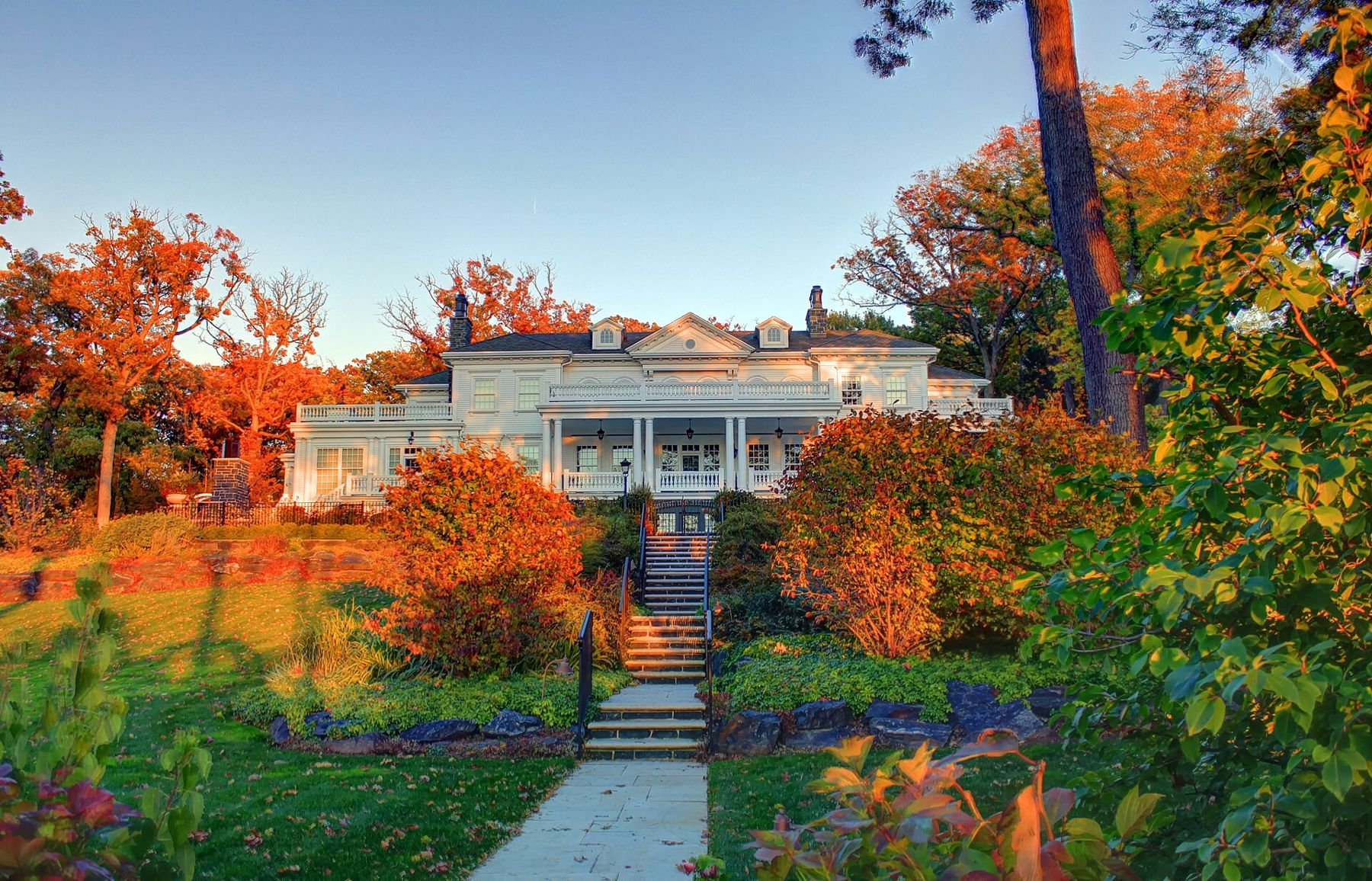
Late in the afternoon, from a boat a few hundred yards off the north shore of Geneva Lake, you can count the houses. Lawns run down to the water. Boathouses with cupolas stand at the ends of long piers. Above them, half hidden in oak and pine, are the roofs of houses with dozens of rooms. Most of them were built for summers only.
A lake for Chicago
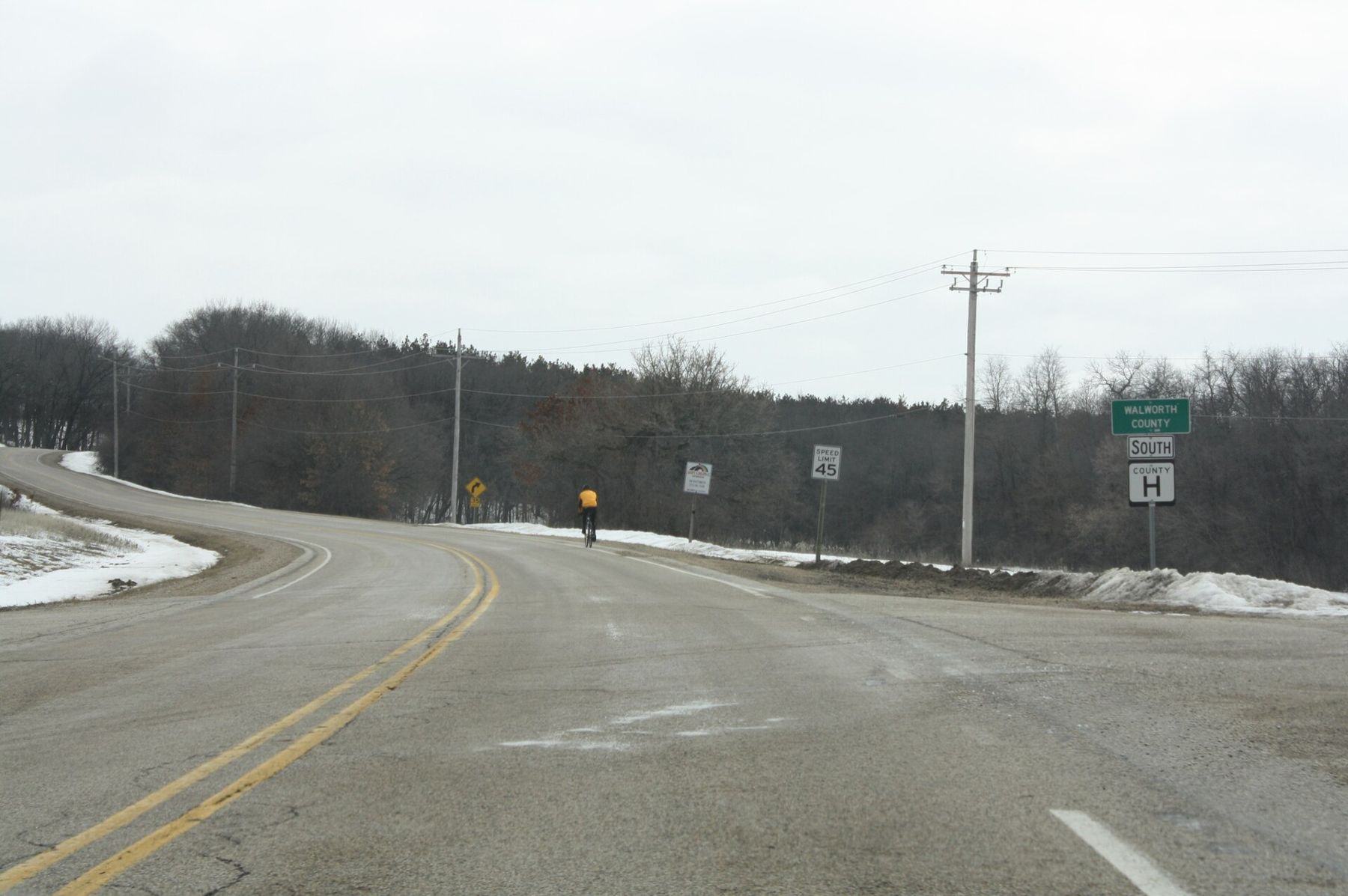
Geneva Lake is a deep, clear, spring-fed glacial lake in Walworth County, about seven miles long, just north of the Illinois line. In the mid-1800s its shores were farms and woodlots, with a small mill town at the east end. Then two things happened close together.
In 1871 the railroad reached the town of Lake Geneva, putting the lake within an easy ride of Chicago. And in October of that year, the Great Chicago Fire burned much of the city. Many wealthy Chicago families, rebuilding their city and their fortunes, began to look for summer places outside it, away from the heat, smoke and disease of a crowded city in July. Geneva Lake was close, beautiful and suddenly easy to reach.
In the decades after, families made rich in brewing, meatpacking, lumber, retail, banking and manufacturing built summer houses around the shore. Some started with modest cottages and rebuilt them larger. Others built on a grand scale from the start. The lake came to be called the Newport of the West.
Life on the estates
A summer on the lake followed a pattern. Families came out in June, often with servants, horses and trunks, and stayed until the end of August. Fathers might ride the train in from the city on weekends. Steam yachts and launches carried guests between estates and into town, and many estates built boathouses grand enough to match the houses above them.
The estates were small worlds of their own. Many had gardens, greenhouses, stables, farms and staff housing as well as the main house. The houses reflected the tastes of their age: Queen Anne towers and porches in the late 1800s, then Italian villas, Tudor manors and classical mansions in the early 1900s. Landscape designers laid out lawns and woodland walks down to the water.
The lake's social life revolved around the water. A yacht club was organized, and sailing races became part of the summer. The mail was delivered by boat, from a launch to the end of each pier, a custom that still survives. Our page on the Lake Geneva mail boat describes the ride today.
The shore path
One of the oddest features of the estates is that the public can walk right past them. A footpath circles the lake close to the water, crossing the lawns of private homes, many of them grand ones. Its origins go back to the paths used by the lake's Native residents before settlement, and to the early years of the summer colony, when residents walked between neighboring houses along the shore.
The path has stayed open by long tradition and by local rules that keep a strip of shoreline open for walking. Owners maintain the stretch in front of their own property, so its surface changes from one lawn to the next: flagstones, brick, gravel, grass or wooden boards. Some owners have built steps, small bridges and benches; others leave a narrow trodden track.
Three houses
Black Point Estate stands on a point on the south shore. It was built in the late 1880s for a Chicago brewer, Conrad Seipp, as a big Queen Anne summer house with a tower looking over the lake. It stayed in the family for generations and kept much of its original furniture. Today it is a state historic site, and it is the one great estate on the lake you can tour inside.
Stone Manor, on the south shore, was built in the early 1900s for Otto Young, a Chicago businessman, and is usually described as the largest house ever built on the lake. Later owners converted it to other uses, and it has been divided into private residences. You can see its long stone front from the water.
Wychwood, near Williams Bay, was the summer home of Charles Hutchinson, a Chicago banker and longtime president of the Art Institute of Chicago. He and his wife cared more for the woods than for display, and much of their land was kept as natural woodland, later protected as a preserve. It is a reminder that not every estate was about the house.
Many other estates remain, some in the hands of the founding families' descendants, some sold and rebuilt. Several of the best-known names in Chicago business history had places here, and on a boat tour you will hear a long list of them.
Behind the big names were the people who made the estates work. Gardeners, cooks, maids, coachmen, boatmen and caretakers came with the families or were hired locally, and many local residents made their living from the summer houses. Some caretakers lived on the estates year round, keeping the houses safe and the grounds in order through the long winters. The towns around the lake, Lake Geneva, Williams Bay and Fontana, grew partly on the work and trade the estates brought.
Change and survival
The Depression, income taxes and changing habits brought hard times to the estates. Servants grew expensive and the summer-long stay faded as families took shorter vacations and traveled farther. Some estates were divided into lots and sold. Others became camps, schools, religious retreats or conference centers. A few were torn down.
A surprising number survived. The lake's shoreline is still dominated by large houses on big lots, and new houses built in recent decades have often followed the old scale. On the water, the steam yachts gave way to motor launches and then to modern boats, but the shape of the summer colony is still plain to see.
Another of the colony's legacies is scientific. Yerkes Observatory in Williams Bay, opened in the 1890s, was funded by a Chicago fortune and built on lakeside land, part of the same flow of Chicago money and ambition to the lake.
How to see the estates today
Take a boat first. Tour boats leave from the Riviera docks in the city of Lake Geneva through the warm months, and their narrated routes pass the most famous estates. Choose a longer route if you want to circle the whole lake. To see Black Point Estate inside, book the tour that combines the boat ride with a visit to the house; it runs on a seasonal schedule and sells out on summer weekends, so check and book before you go.
Then walk the shore path. A public footpath runs more than 20 miles around the lake, close to the water and right across the estates' lawns, past boathouses, gardens and garden walls. It is the closest view of the houses most visitors will get. Our guide to the Lake Geneva shore path has the best sections and starting points; the stretch west of the city toward Williams Bay passes some of the grandest houses.
Stay on the path. Keep off the piers, beaches and lawns, keep dogs leashed and voices down, and remember that these are private homes. Walk early in the morning, before the boat traffic picks up, and look back up the lawns as the sun clears the trees and lights the windows of the big houses one after another.
Go in late September or early October if you can. The boats still run, the summer crowds have gone home, and the oaks and maples above the lawns begin to color. It is also the season the summer families once left, and on a cool morning, with the docks bare and the houses shut, you get a sense of how quiet the lake was between summers.
For a base and the rest of what the city offers, see our page on Lake Geneva.