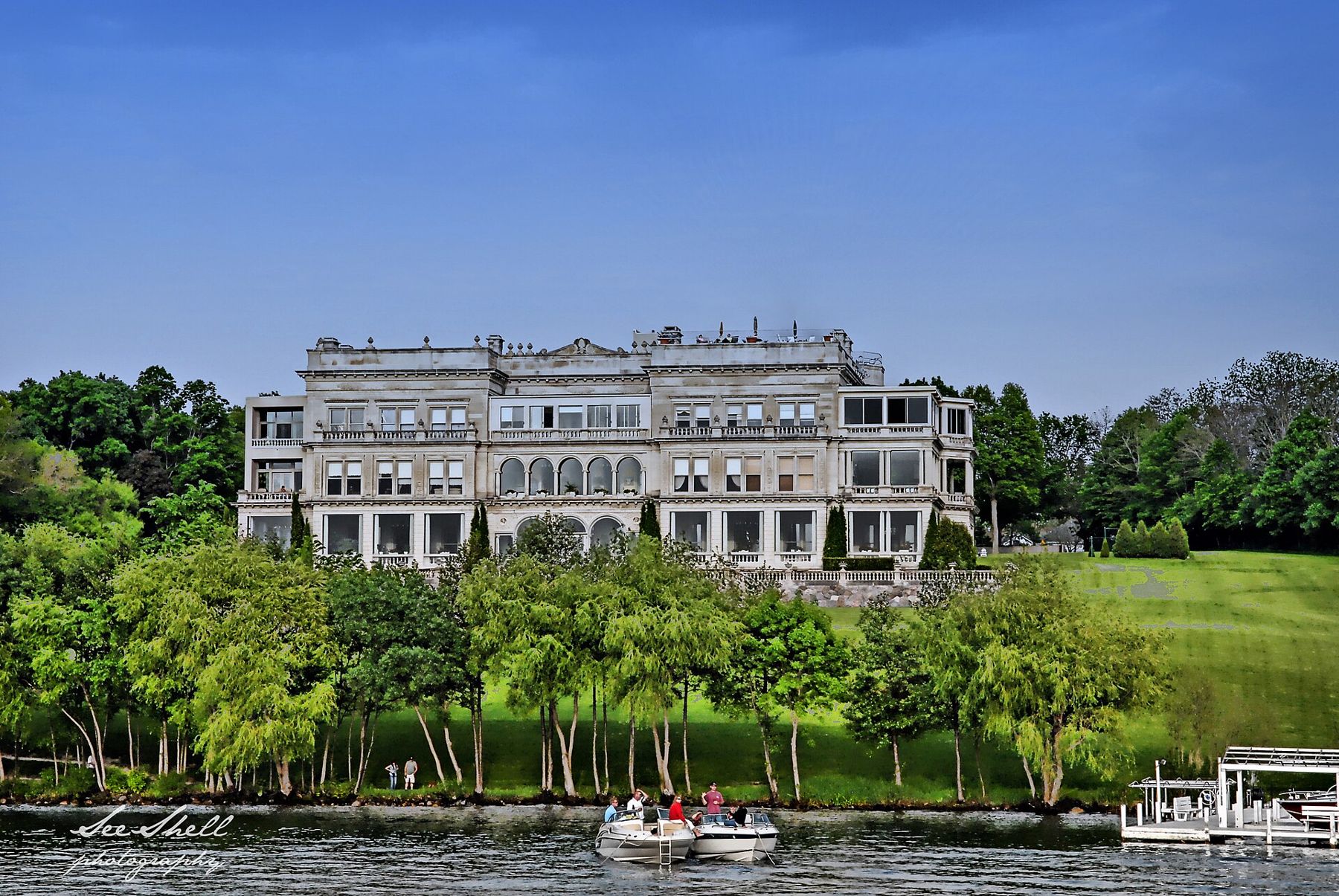
Geneva Lake is about seven and a half miles long, spring-fed and deep, with towns at three of its corners: Lake Geneva at the east end, Williams Bay on the north shore near the west, and Fontana at the western tip. Around its whole shore runs a path, roughly twenty-one miles long, that crosses the front lawns of nearly every house on the lake. It is public, and it has been for a very long time: the right to walk along the shore was kept open as the land was settled and the estates were built, and it has been defended ever since.
The result is a walk unlike any other in Wisconsin. One minute you are on flagstones beside a Victorian boathouse, the next on a strip of grass between a hedge and the water, then on a narrow board walkway over a little stream. Walk it in sections. The full loop in a day is a long, hard push on uneven ground.
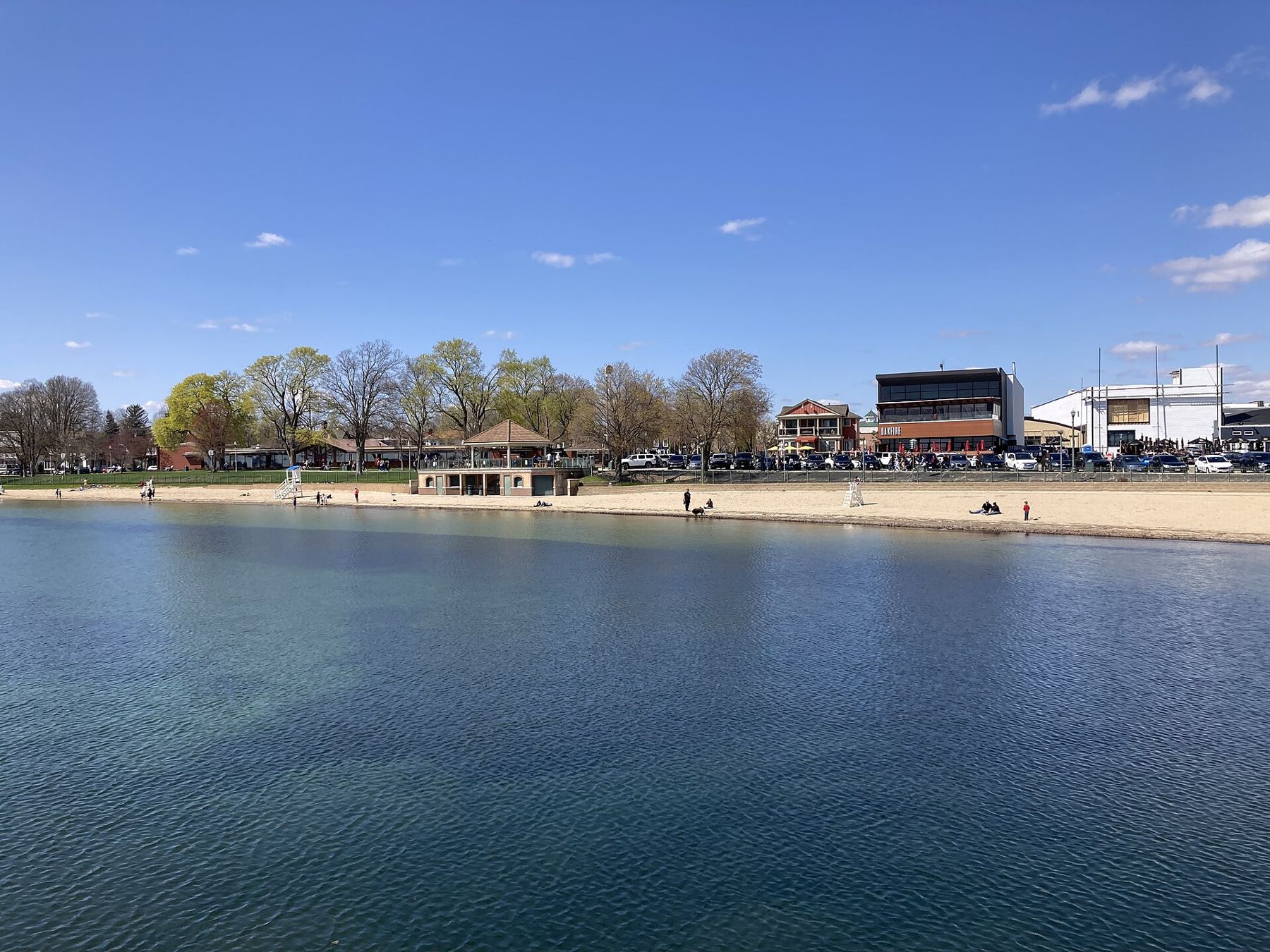
- The Riviera and Library Park Start in the city of Lake Geneva, at the lakefront by the Riviera, the old ballroom and boat pier building on the bay. Look along the water to the west and you will see the path leave the town park and slip into the first of the private yards. Fill your water bottle and use the restrooms here; there are few public facilities between towns.
- The north shore estates Heading west and north from town, the path passes some of the lake's oldest and largest summer houses: stone mansions, timbered lodges and long sweeping lawns. Stay on the path and keep your voice down. The house you are admiring is someone's home, and the owners have every right to ask you to move along if you stray. Our page on the Lake Geneva mansions tells the story behind them.
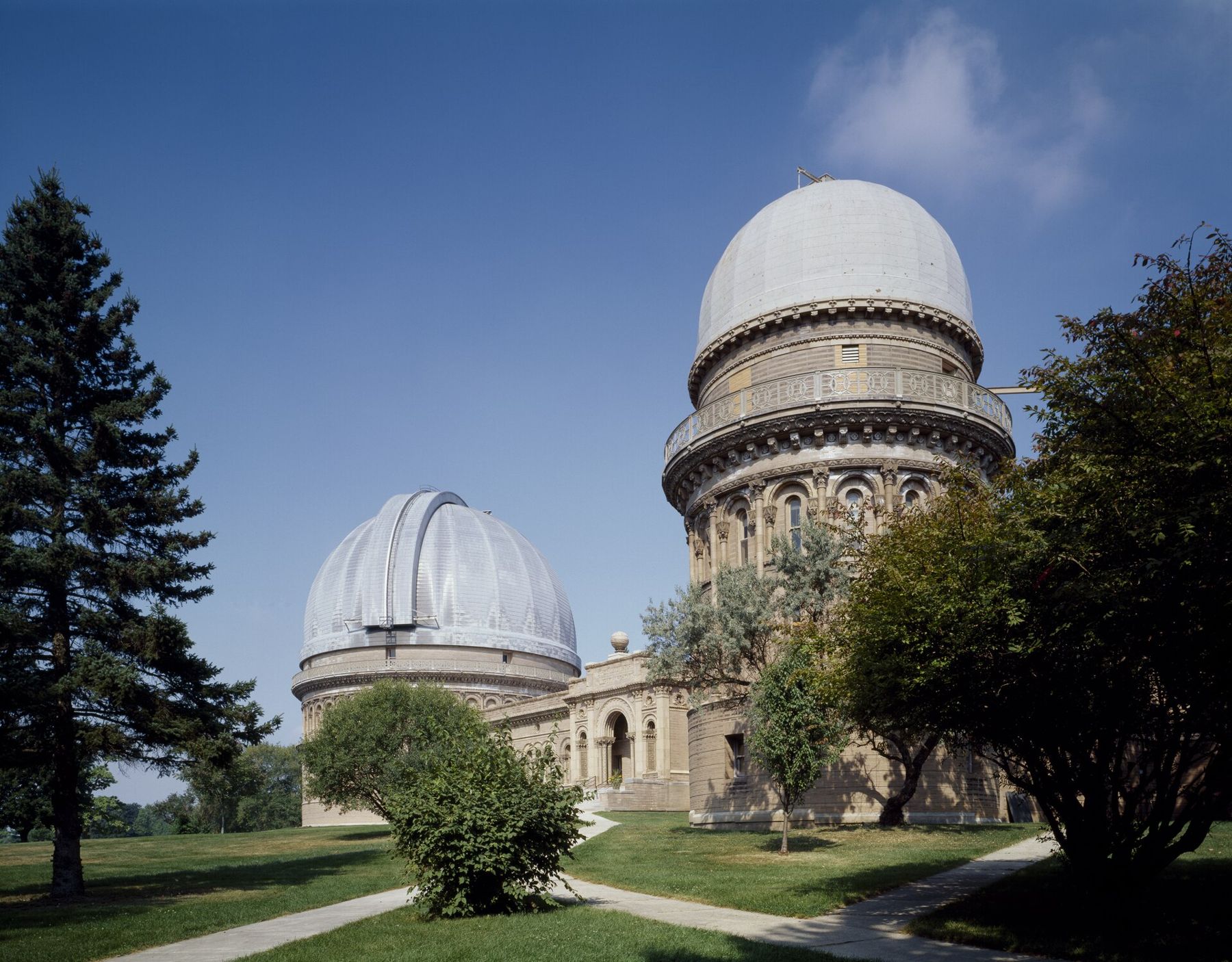
- Williams Bay The path rounds into Williams Bay, a village wrapped around a sheltered bay on the north shore. This is a natural break: a beach, a few places to eat and a short walk to the main road. The domes of the old Yerkes Observatory stand on the rise above the lake near the village, a short detour from the shore.
- The west end to Fontana From Williams Bay the path follows the shoreline west and south through the quieter stretch toward Fontana. The houses are a little more spaced out here, and you get longer views across open water. Fontana, at the far west end, has its own beach and a small village centre.
- The south shore The longest stretch runs along the south side of the lake from Fontana back toward Lake Geneva. It is the most wooded and the least visited part of the path, and the footing gets rougher: roots, steep steps, narrow ledges above the water. Large estates stand back from the shore here, including some of the most elaborate on the lake. Allow plenty of time.
- Big Foot Beach and the return Near the eastern end, the path comes back toward the city past Big Foot Beach State Park, which has a public beach and picnic grounds. From there it is a short walk along the shore back into Lake Geneva to close the loop.
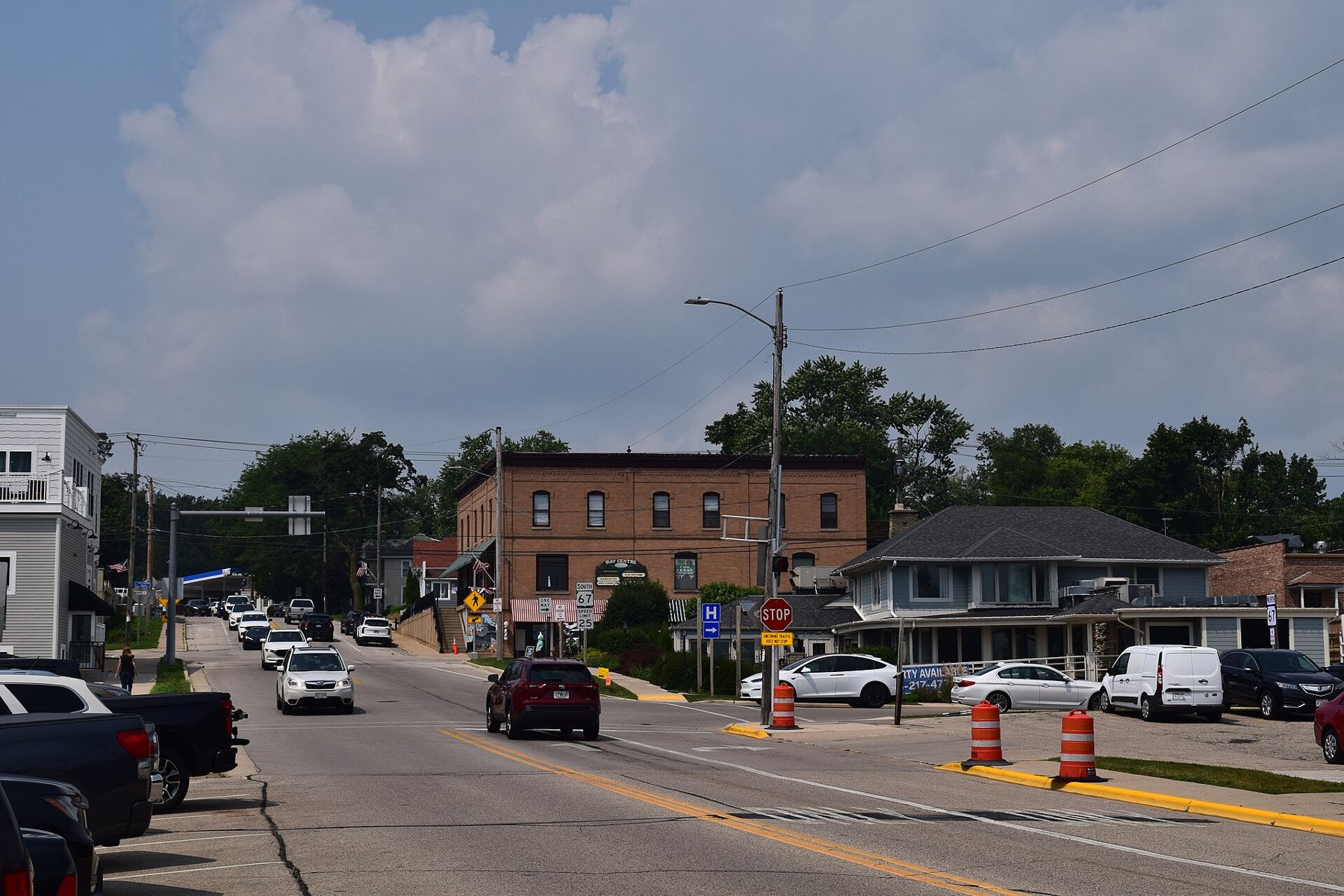
Distances between towns are long enough to plan around. Lake Geneva to Williams Bay along the north shore is the most popular half-day; Williams Bay to Fontana is shorter and quieter; the south shore from Fontana back to Lake Geneva is the longest single stretch. Pick one section per outing and walk it at an easy pace.
Underfoot
Every property owner maintains the stretch in front of their own house, so the surface changes constantly: cut stone, poured concrete, gravel, mown grass, brick, timber steps and even short bridges. Some sections are smooth enough for a stroller. Others are narrow, uneven ledges a few feet above the water. Wear real walking shoes, carry water and expect to slow down often.
After rain or in the early morning the stones and wooden steps get slick, and moss grows on the shaded south shore. Mind your step near the water's edge. Leave the bike at home; the path is for walking only.
Rules of the path
The path is a right of way, not a park. You may walk along it; you may not sit on lawns, use piers, swim from private shores, picnic or wander up toward houses. Keep dogs on a short leash if you bring one, and clean up after them. Keep the noise down, especially early and late. Respect any posted hours or detours where they exist, and check before you go whether any section is closed for construction or shoreline work.
Give way to residents and to other walkers on narrow sections, and step aside on wide spots rather than on lawns. Groups should walk in single file where the path narrows. If you meet a gate or a private sign, look for the path continuing along the water's edge: it nearly always does.
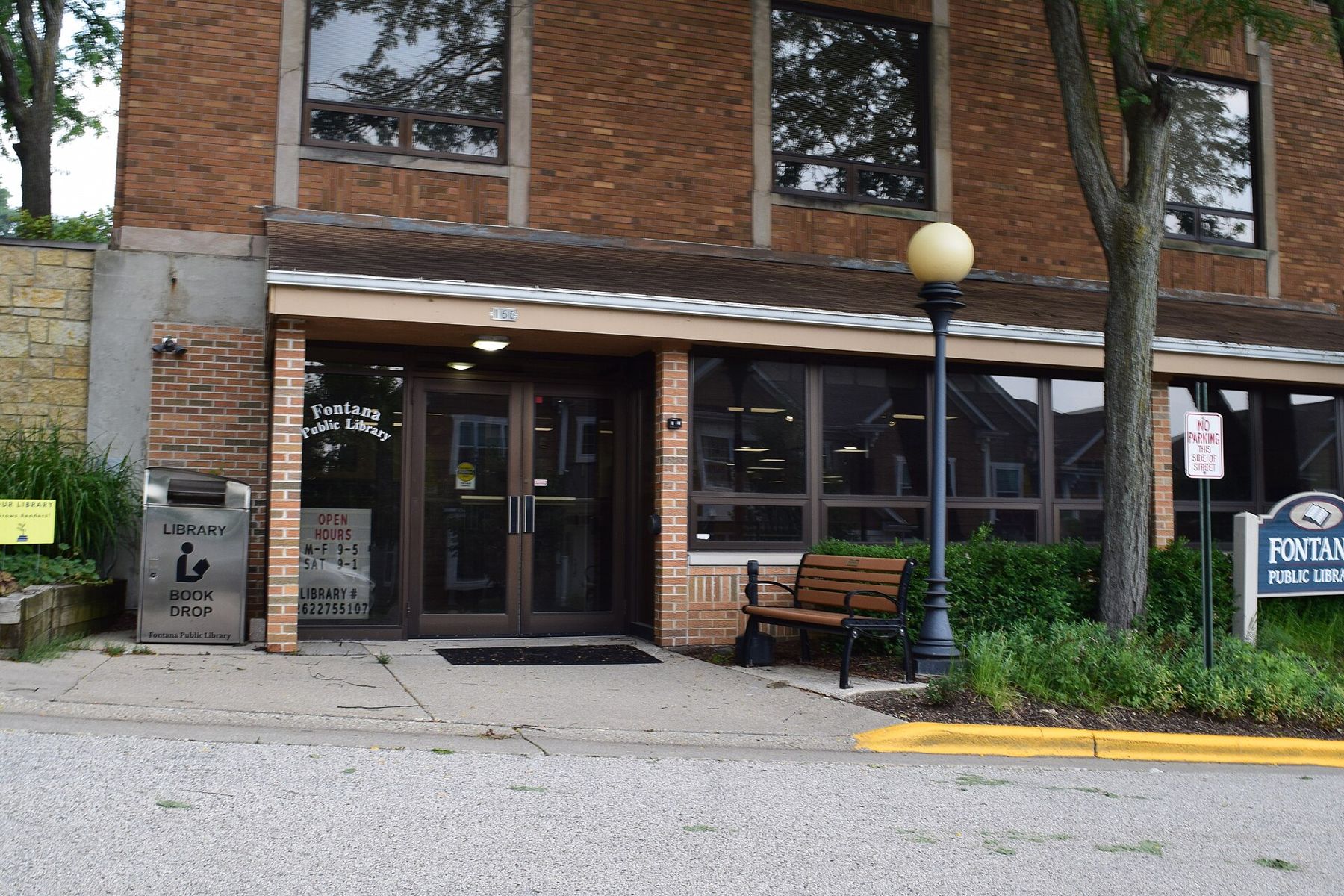
There are no public restrooms between the towns and the state park, and very few places to buy anything. Plan your stops at Lake Geneva, Williams Bay, Fontana and Big Foot Beach.
When to go
May and June are good months: gardens in bloom, the lake cold and clear, and fewer people than in high summer. July and August bring the heaviest foot traffic, especially on the stretches near Lake Geneva. September and early October are the best of all: cool air, warm water, quiet paths and maples turning on the estates.
Weekday mornings are the quietest time on any stretch. On summer weekends, start early or walk the south shore, where you will meet far fewer people.
Getting back
Most walkers do one or two sections and then need a ride back. Leave a second car at your finish, call a taxi or rideshare from one of the towns, or plan a shorter out-and-back walk. Cruise boats run from Lake Geneva in season; schedules change, so check what is running before you plan around one. The mail boat is a classic way to see the same shore from the water; see our page on the Lake Geneva mail boat.
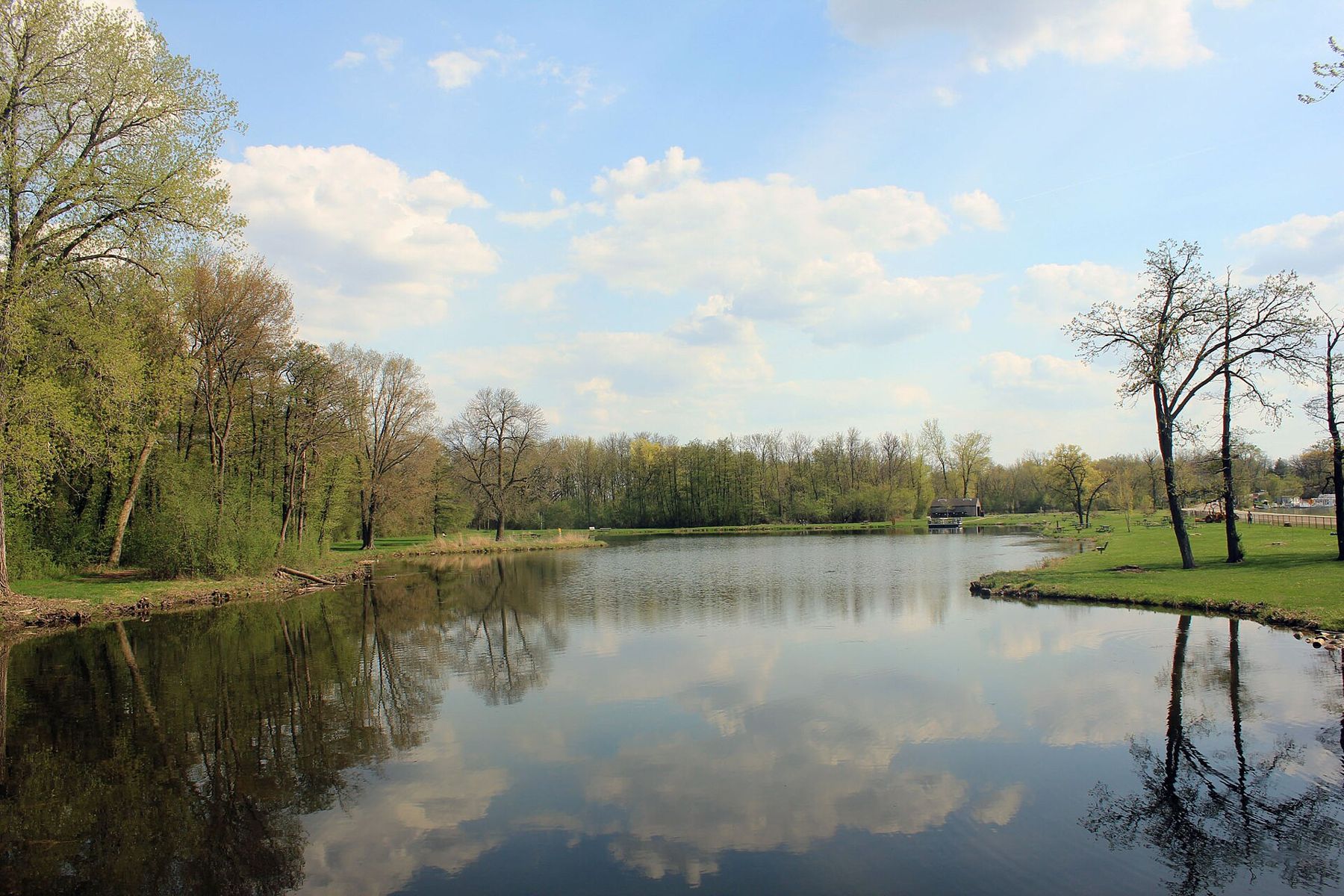
Big Foot Beach State Park makes a good start or finish for a south shore walk, with parking, restrooms in season and a swimming beach. A state park vehicle admission sticker is required to park there; check current prices.
For more on the city itself, its restaurants and places to stay, see our Lake Geneva page.
Whatever section you choose, stop at least once where the path crosses a quiet lawn above the water. Stand still, look along the line of boathouses and piers, and listen to the water slap against the stone.