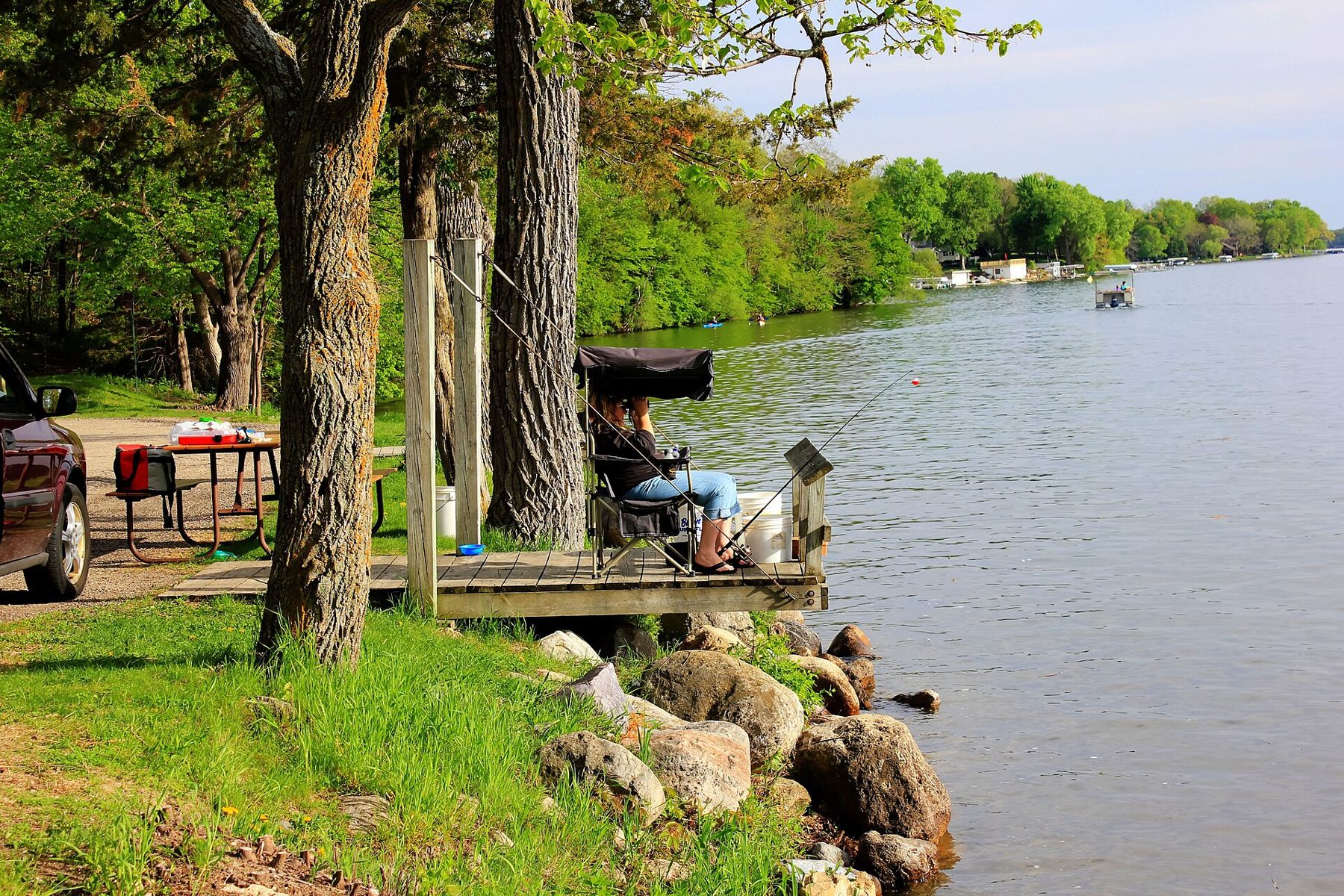
The license comes before the bait. If you are sixteen or older and you plan to fish any water in Wisconsin, from a farm pond to Geneva Lake, you need a state fishing license with you. Buying one takes a few minutes, and license money helps pay for the fish stocking, habitat work and wardens that keep the fishing good.
This page covers the basics. The details, prices and dates change, so check the current rules from the state each season before you fish.
Who needs a license
- Anyone sixteen or older needs a license to fish, on open water or through the ice.
- Children under sixteen fish without a license, but they follow the same rules on seasons, sizes and bag limits.
- Residents and non-residents buy different licenses at different prices. Residency has a set definition; check it if you have recently moved to Wisconsin.
- Some groups, such as certain veterans and people with disabilities, may qualify for reduced-price or special licenses. Check what you are eligible for before you buy.
If you fish in more than one state, remember that a Wisconsin license covers Wisconsin waters only. Boundary waters shared with a neighboring state can have their own agreements; check them before you cast from the far bank.
Each person who is fishing needs their own license. Helping a friend net a fish is one thing; holding your own rod without a license is another.
What to buy
For most visitors, the choice comes down to how long you will fish.
- An annual license covers the license year. If you live here or visit often, this is the one to buy.
- Short-term licenses cover a day or a few days. They suit a weekend visitor who wants one morning on a lake.
- A combination or patron license bundles fishing with hunting privileges and stamps, which can save money if you do both.
- Discounts for first-time buyers have been offered in recent years. Check whether one applies to you.
Licenses are sold online through the state's licensing system and at license agents, including many sporting goods stores and bait shops. Carry your license, or the proof the current rules allow, whenever you fish. A warden can ask to see it on the water or on the ice.
Stamps for trout and salmon
A basic license is not enough for every fish. Two stamps matter most:
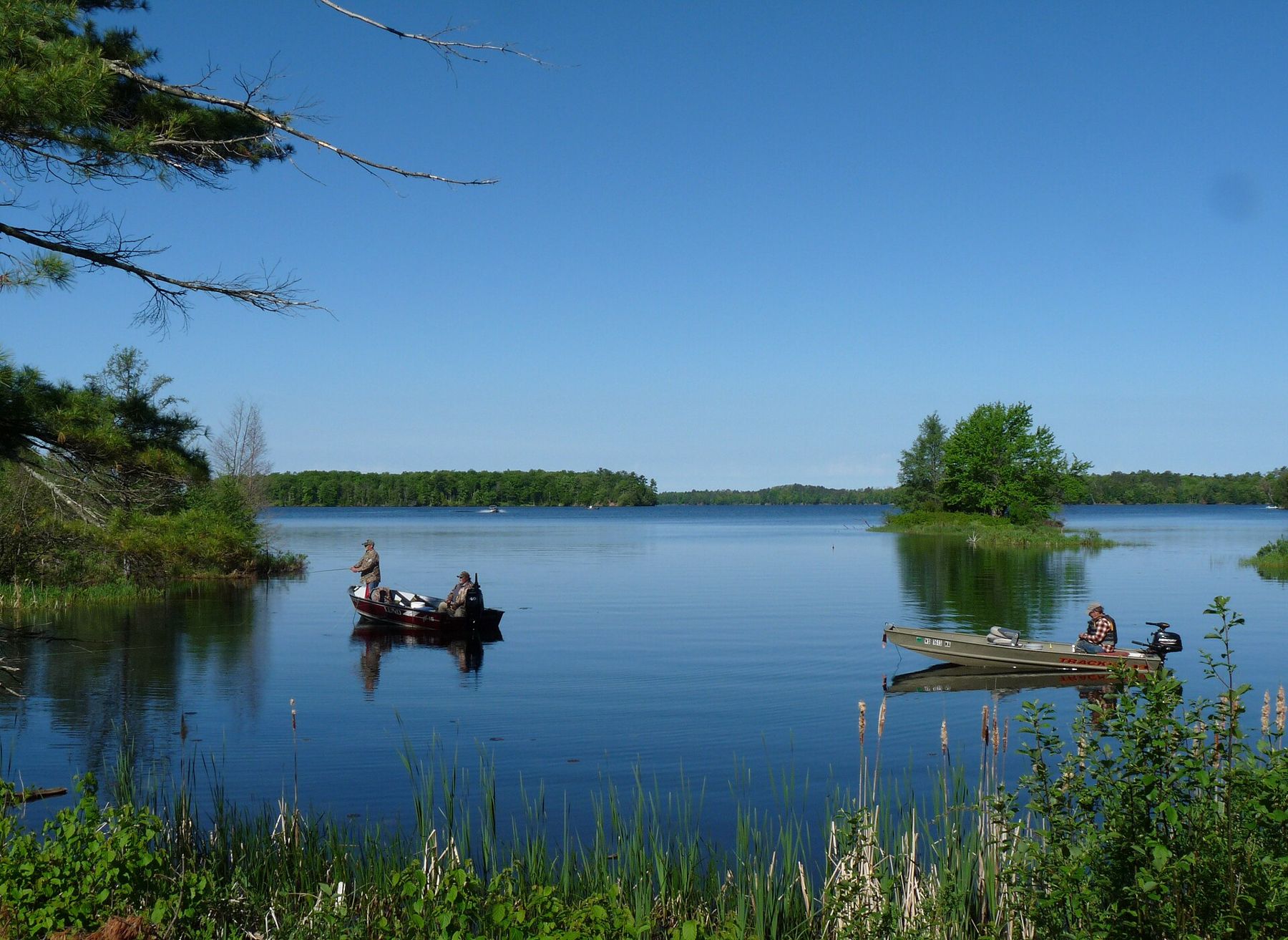
- The inland trout stamp is needed to fish for trout in inland waters, such as the cold spring-fed streams of the Kettle Moraine.
- The Great Lakes salmon and trout stamp is needed to fish for trout and salmon in Lake Michigan and its tributaries, including charter trips out of Milwaukee and Racine.
Trout streams also have their own seasons, often with early catch-and-release periods and special regulations on certain stretches. Read the rules for the exact stream before you go.
Free fishing weekends
Wisconsin sets aside free fishing weekends each year, one in winter and one in early summer. During those weekends you may fish without a license or stamp. Everything else still applies: seasons, size limits, bag limits and the rules on how many lines you may use. The dates are announced each year; check them if you want to introduce a friend or a child to fishing before anyone buys a license.
Rules that come with the license
The license lets you fish. The regulations tell you what you can keep. Before you take any fish home, check:
- The open season for that species on that water.
- The minimum size and the daily bag limit, which can differ from one lake to the next.
- Special rules for a specific lake or stream, such as slot limits or catch-and-release only.
- The number of lines you may fish at once, which differs between open water and ice.
- Rules on bait, especially live bait and minnows moved between waters.
Lakes in Waukesha, Walworth and Jefferson counties do not all share the same limits. A bass you may keep on one lake may have to go back on the next. Carry a ruler, and when in doubt, release the fish.
Bait and invasive species
Never dump leftover bait into a lake, and never move live fish from one water to another. Buy minnows from a bait dealer, drain your bait bucket and live well before you leave a landing, and throw unused bait in the trash. The same clean-boat steps described on our page about launching a kayak apply to every angler.
Where to use it first
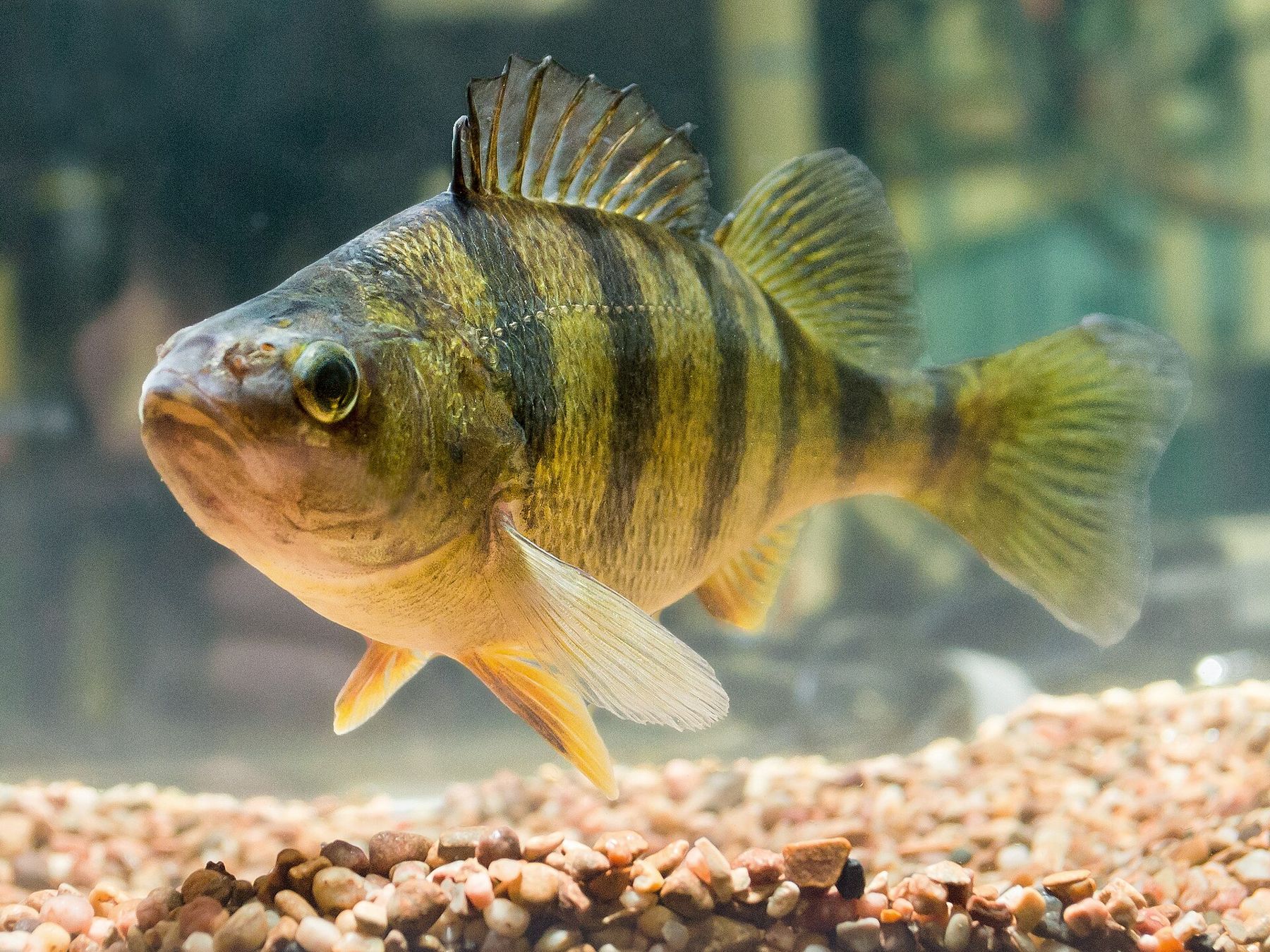
Once you have your license, start with a lake that has easy public access and steady panfish, such as the waters around Whitewater Lake, or try your luck through the ice in January with the help of our page on ice fishing basics. Planning supper around your catch? Our page on perch and walleye tells you what the local fish fry is built on.
Put the license in your wallet or on your phone the night before, check the limits for tomorrow's lake, and set the alarm for first light.