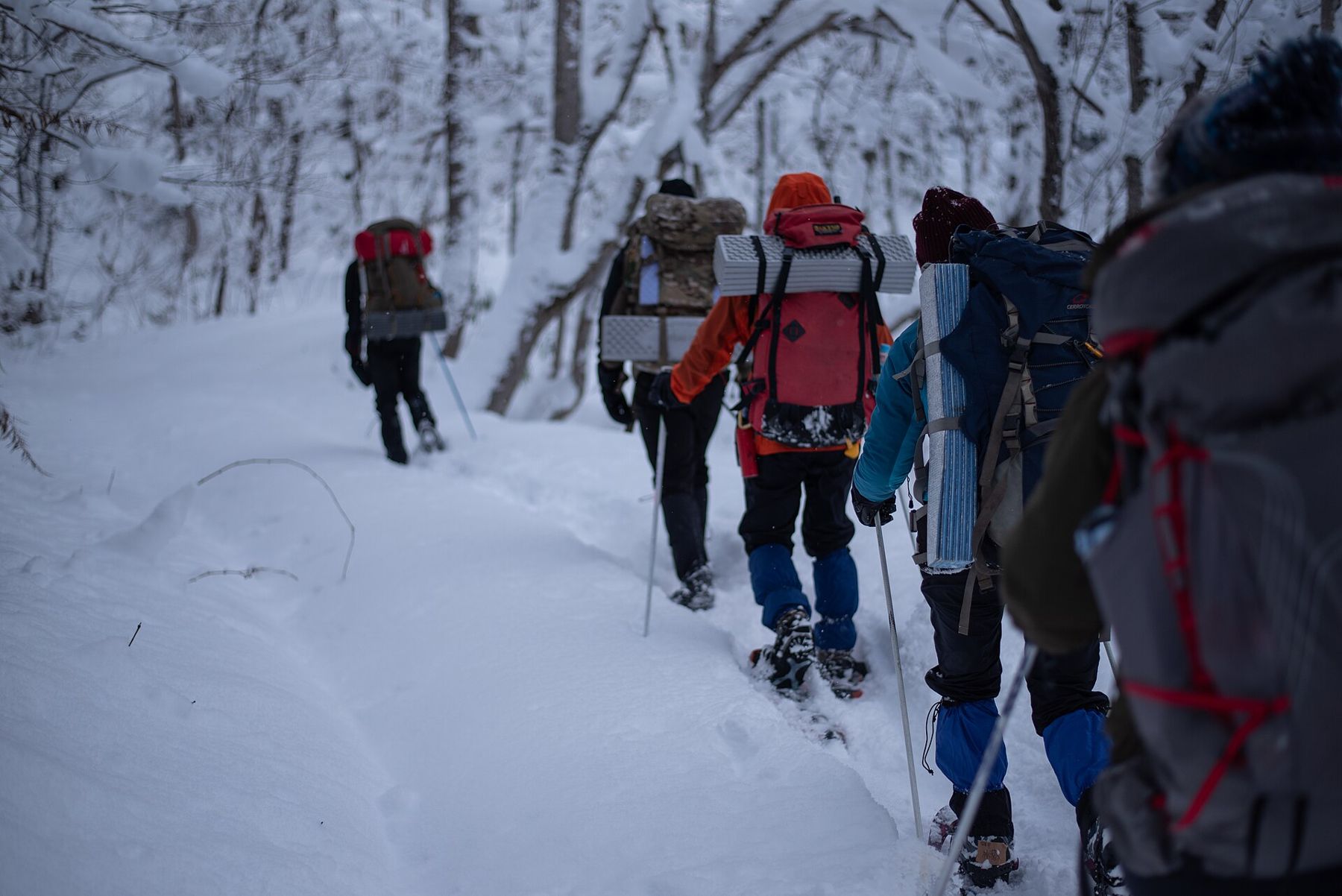
Six inches. That is about how much snow you need on the ground before snowshoes do anything boots cannot. Southern Wisconsin does not always deliver it, and a thaw can take it away in two days, so the season here comes in windows rather than months. When a storm leaves a deep, settled snowpack, usually some time between late December and early March, drop what you were going to do and go.
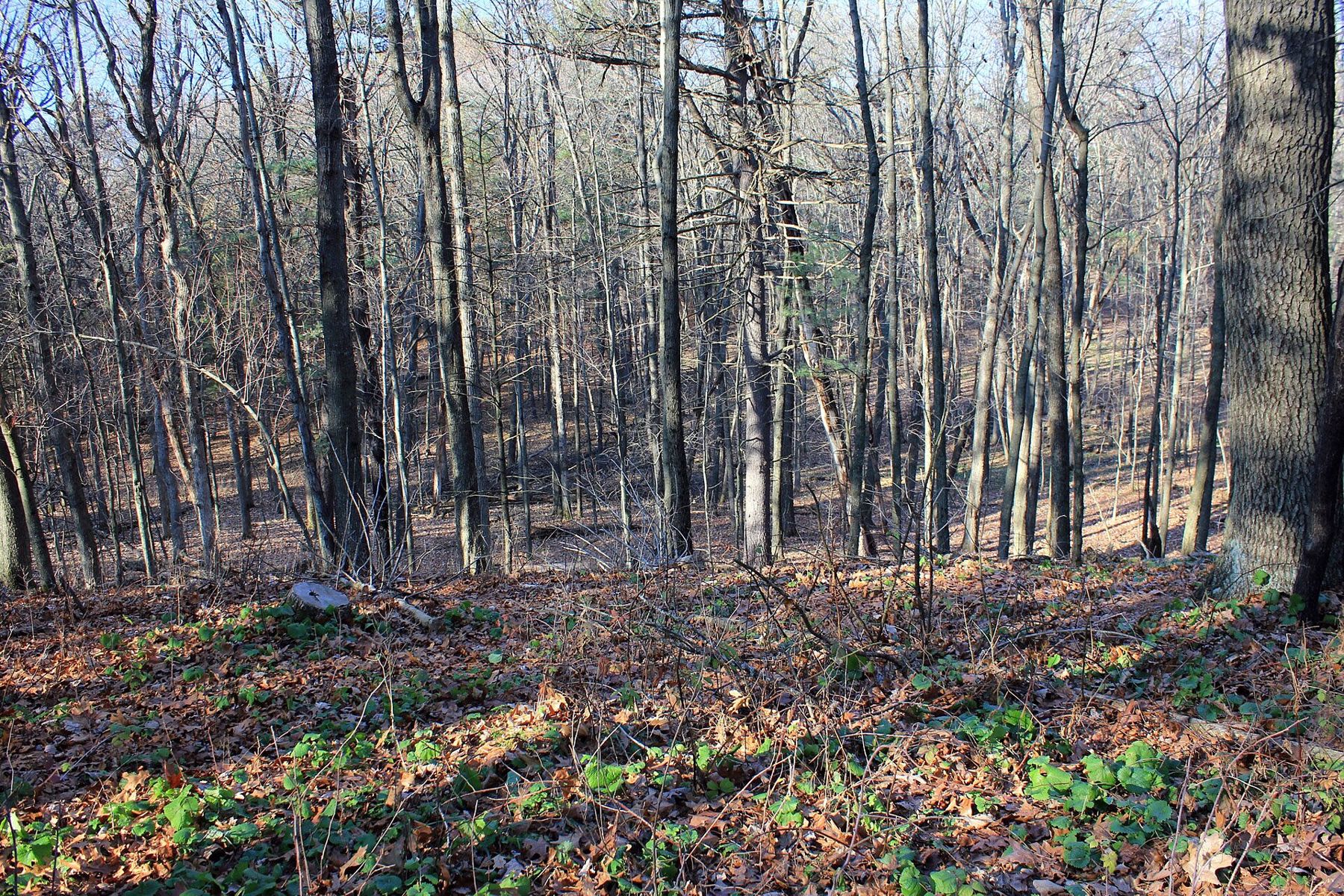
The reward is a forest you will not recognize from summer. The kettles fill with blue shadow, the oak ridges stand out bare against the sky, and the only sounds are your own steps and a woodpecker somewhere downhill. You can read the tracks of deer, fox and mice across the snow on almost any trail.
Where you can go
The one rule that matters: stay off the groomed ski trails. In winter the state forest and parks groom set tracks for classic skiing and a wide corduroy lane for skating, and footprints of any kind ruin them. Skiers pay for those trails with a state trail pass, and they will not thank you. If a trail has twin parallel grooves or fresh corduroy, it is not for you. Our page on cross-country skiing lists the main groomed systems so you know where to avoid.
That still leaves plenty of ground:
- The Ice Age Trail. The Ice Age Trail through the Southern Unit is a footpath, not a ski trail, and it makes the best snowshoe walking in the area. Pick a road crossing, walk out an hour, and walk back.
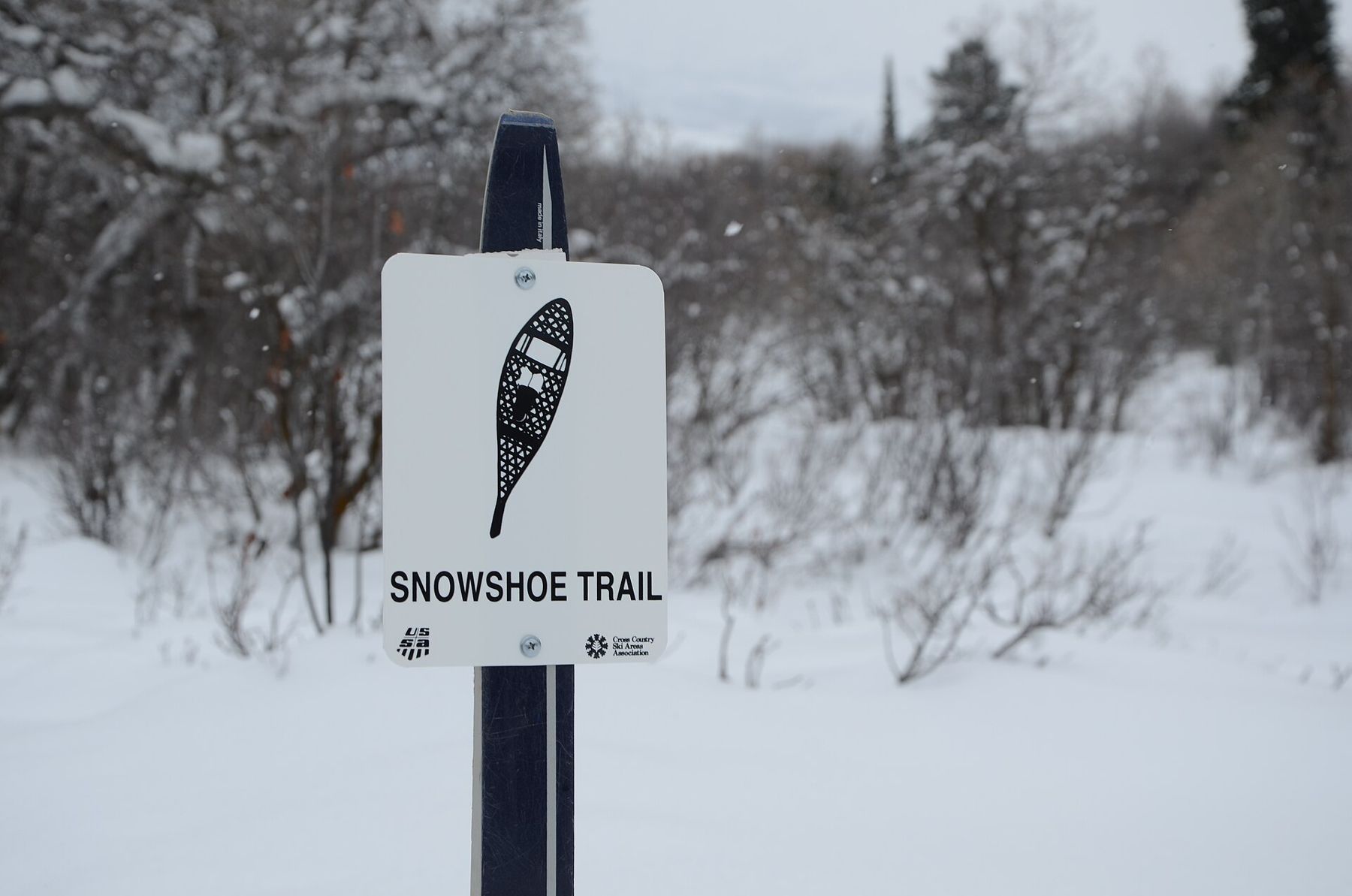
- Marked hiking and snowshoe trails. Several properties keep hiking or snowshoe routes separate from the ski loops. At Lapham Peak, look at the trailhead map before you set out, because ski and foot trails sit side by side.
- Nature centers and county parks. Places such as Retzer Nature Center near Waukesha keep their trails open in winter. Rules on snowshoes vary, so check before you go.
- Off trail. Much of the state forest is open to travel on foot away from the trails. Snowshoes make the open oak woods easy going, but bring a map and know your way back.
Gear and renting
Modern snowshoes are aluminum frames with a solid deck and a toothed crampon under the ball of the foot. Pick a size rated for your weight with your pack on. For the rolling moraine you do not need mountain snowshoes with big climbing bars; a basic trail model is enough.
If you do not own a pair, rent first. Some outdoor shops in Lake Country and Waukesha rent snowshoes by the day, and some nature centers and parks rent them on winter weekends. Availability changes from year to year, so call ahead, especially after a fresh snowfall when everyone has the same idea.
Wear waterproof winter boots, gaiters to keep snow out of your boot tops, and layers you can open as you warm up. Snowshoeing is harder work than walking. Most people overdress at the car, sweat on the first hill, and get cold at the first stop. Start a little chilly. Poles help on the kettle slopes and with balance when the snow is soft.
Reading the snow
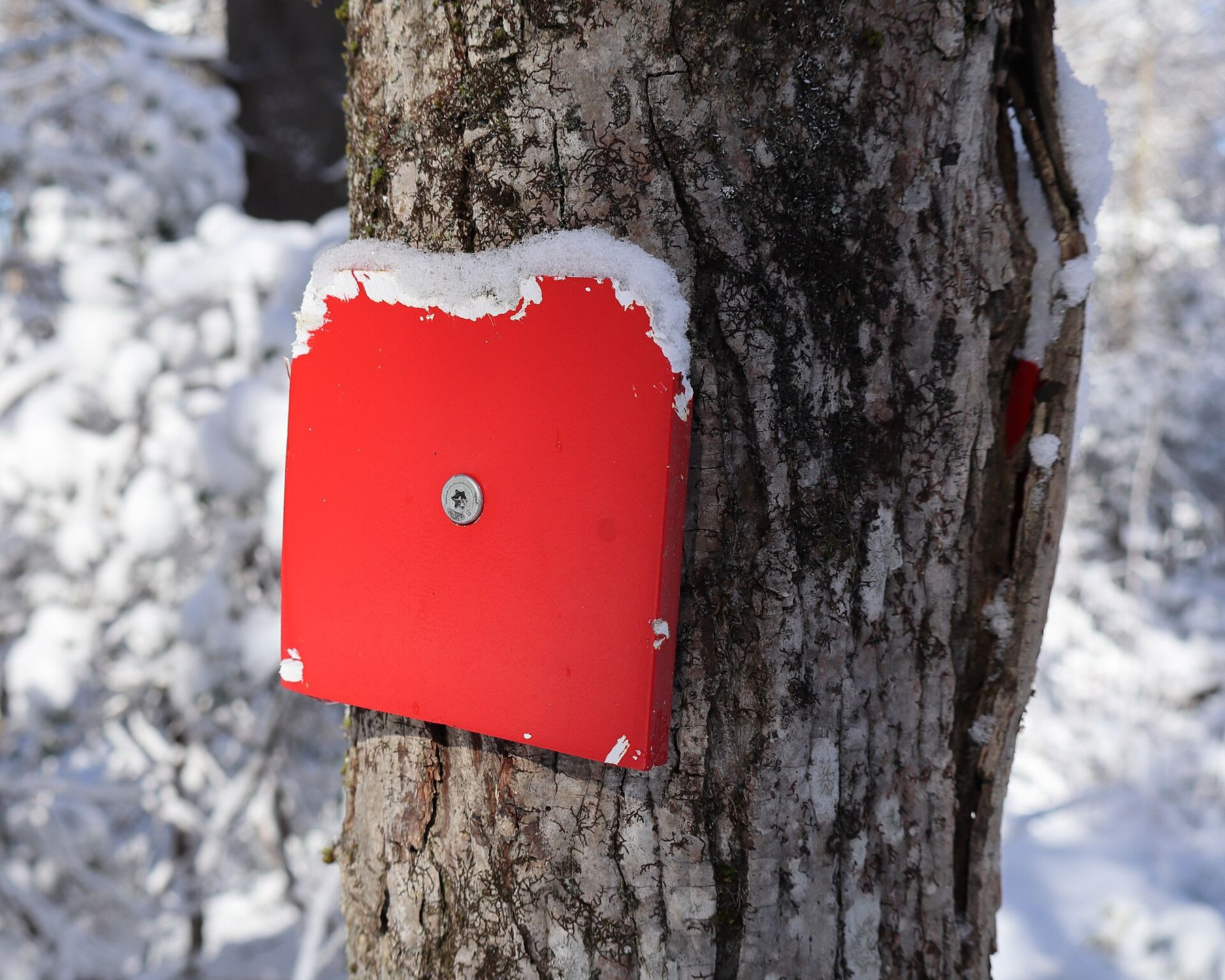
Snow conditions change from day to day. Light, fresh powder is easy to float on. Wet March snow balls up under the deck and gets heavy. After a thaw and a hard freeze, the crust can carry you without snowshoes at all, and boots with traction cleats are better.
A thin cover is worse than none. Under two or three inches of snow, the cobbles and roots of the moraine are hidden but still there, and the snowshoe crampons will scrape and catch on them.
A first outing
If you have never been on snowshoes, keep the first trip short and simple:
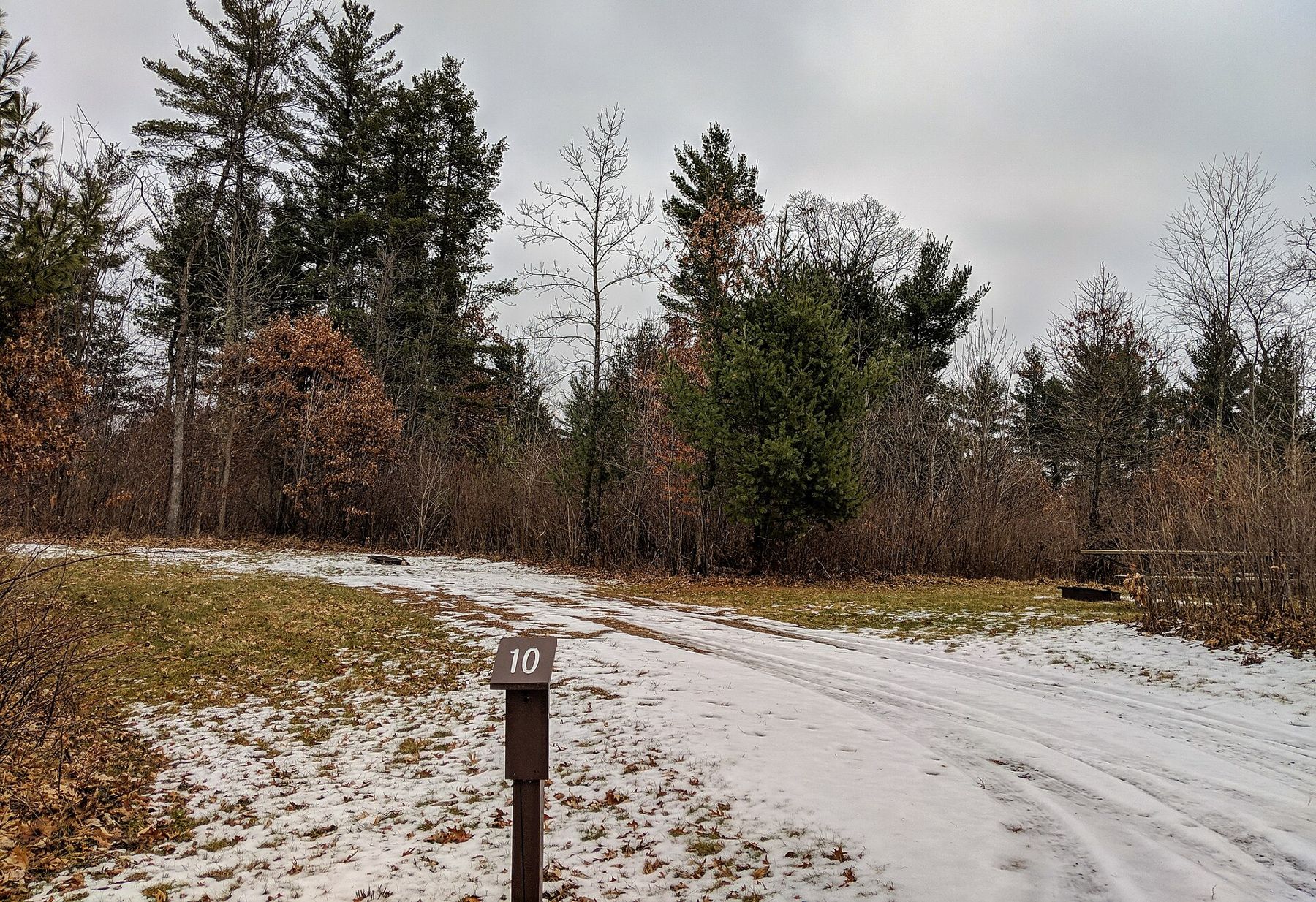
- Pick a loop of two or three miles on a marked foot trail, with a parking lot at the start and no long climbs.
- Put the snowshoes on at the car, on packed snow, and check that the bindings are snug before you leave the lot. Loose bindings are the most common reason a day goes wrong.
- Walk with a slightly wider stance than usual, so the frames don't clip each other. Lift your feet a little more than feels natural.
- Climb with your toes, letting the crampon bite, and come down with your weight back and your knees soft. On a steep kettle side, side-step.
- Stop before you are tired. The walk back is the same distance, and the light goes fast.
Reading the tracks
Fresh snow turns every trail into a record of the night before. White-tailed deer leave pointed, split-hoof prints in lines through the oaks. Fox tracks run in a single, almost straight line. Rabbits leave the same four-print pattern again and again around the brush piles, and mice stitch tiny tracks between the stems with a tail line dragging behind. A field guide to tracks weighs almost nothing. Take one.
Winter safety
Keep off lake and pond ice unless you know it is thick enough, and never cross ice near inlets, outlets or springs, where it stays thin all winter. Stay on the shore path.
Daylight is short. Plan for half the distance you would walk in summer, carry a headlamp and a spare layer, and tell someone where you are going. Phone batteries drain fast in the cold, so keep yours in an inside pocket. Some hunting seasons run into January, so a bright orange hat is sensible on state land.
The roads to the trailheads are rural and plowed later than the highways; read our notes on winter driving in rural Wisconsin before you set out after a storm.
Some winters the state forest and parks hold candlelight evenings, when a trail is lined with lanterns for skiers, hikers and snowshoers. Check the events calendar in January. If one is on, go on the first clear, cold night, and walk it slowly.