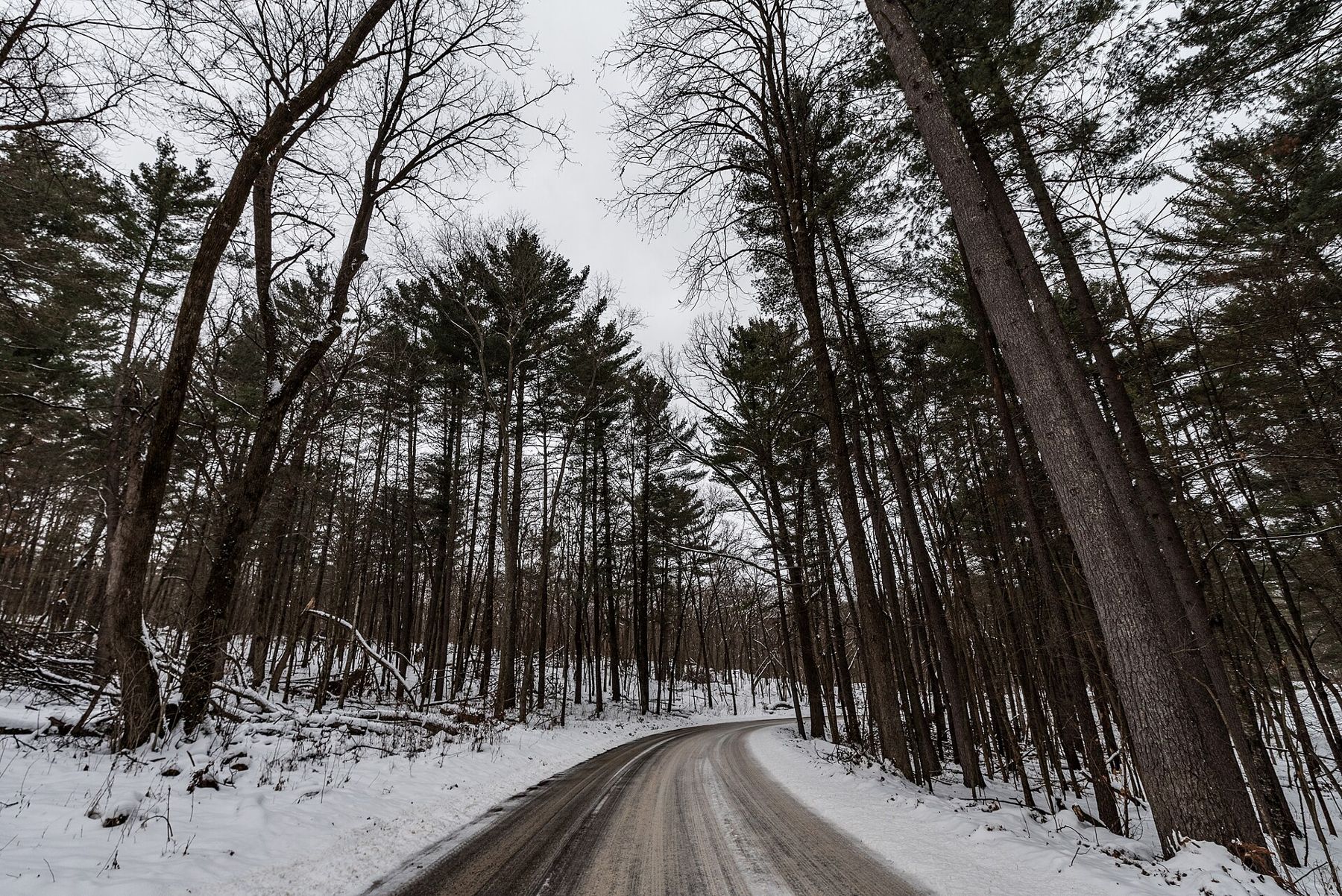
County ZZ looks harmless on the map: a short lettered road between farm fields and woodlots. On a January evening after a light snow it can be the slickest road you drive all winter, with drifting on the open stretches and glaze in every shaded hollow. Rural driving in the Kettle Moraine is mostly about knowing which roads to trust and when.
How the roads are cleared
Wisconsin names its county highways with letters (County E, County NN, County ZZ) and its state highways with numbers. That system also hints at the order in which roads are cleared after a storm.
- Interstates and major state highways come first, usually with salt and repeated passes. I-94 and the main numbered highways are generally your best routes in a storm.
- Other state highways and busy county roads follow, often within hours of the snow ending.
- Quieter county roads are plowed by county crews in turn, and may be sanded rather than salted.
- Town roads, the small named roads that lead to farms and trailheads, are cleared by the town and can be last on the list.
So if a storm is still going, add miles and stay on the numbered highways. A route that is twelve miles longer on a cleared state road beats a short cut over a drifted town road every time.
Where the ice hides
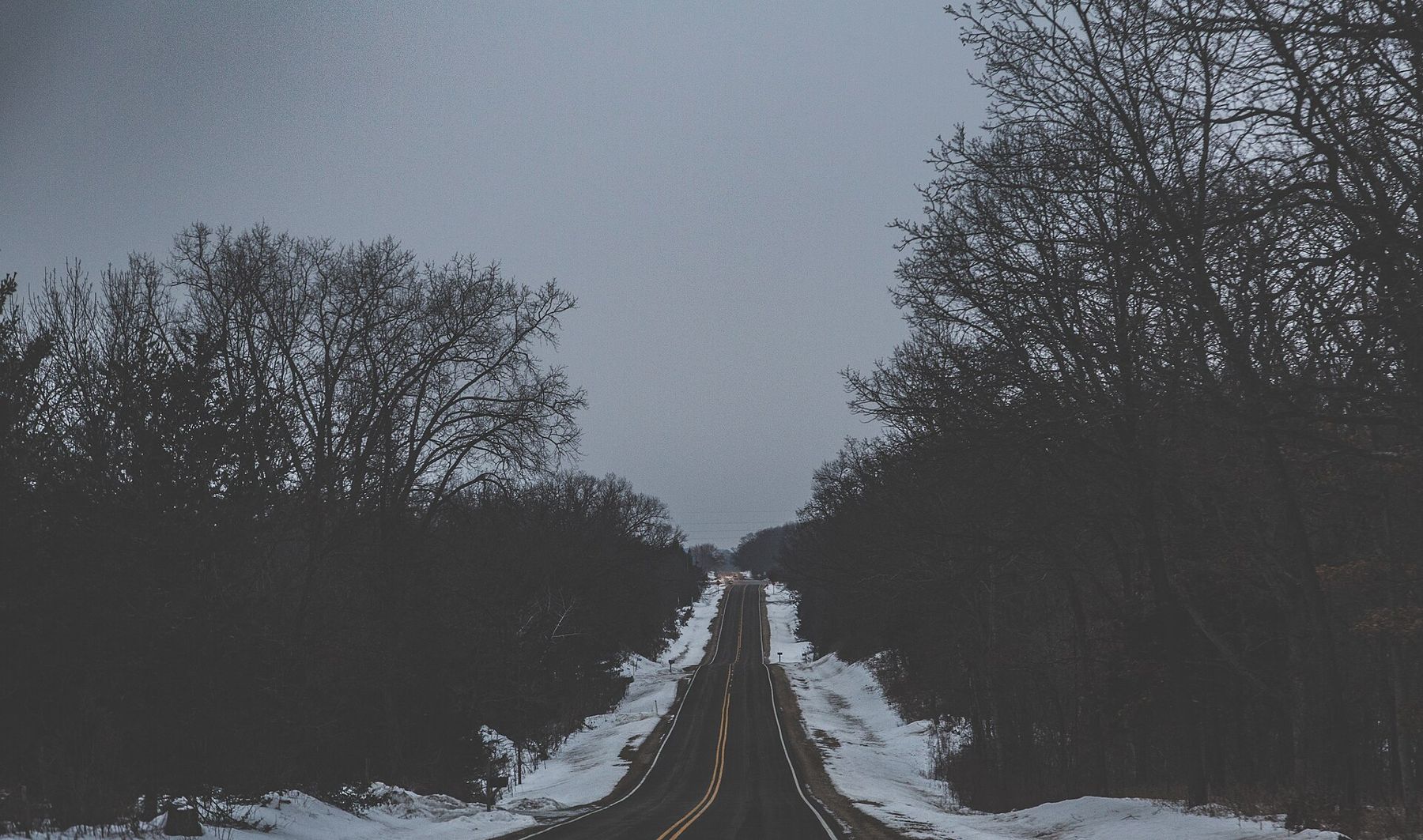
Black ice is a thin, clear glaze that looks like wet pavement. You will find it in the same places every winter:
- Bridges and culverts over creeks, which freeze before the road around them.
- Low spots between moraine hills, where cold air settles overnight.
- Road cuts and stretches shaded by pines, which stay frozen long after the sun has cleared the open fields.
- Open farmland on the west side of a road, where wind drifts snow across the lanes and polishes it.
The worst hours are early morning, when overnight melt has refrozen, and the first hour after sunset. If the thermometer reads near freezing and the road looks wet, assume it is ice. Ease off the accelerator, brake gently and early, and never use cruise control on a slick surface.
Hills, curves and farm traffic
The moraine is all short hills and blind crests. In winter, plan to carry a little speed into a climb rather than stopping on the slope, and slow well before the top, because you cannot see what is stopped on the other side. Curves on county roads are often unbanked and narrow, with soft, snow-filled ditches.
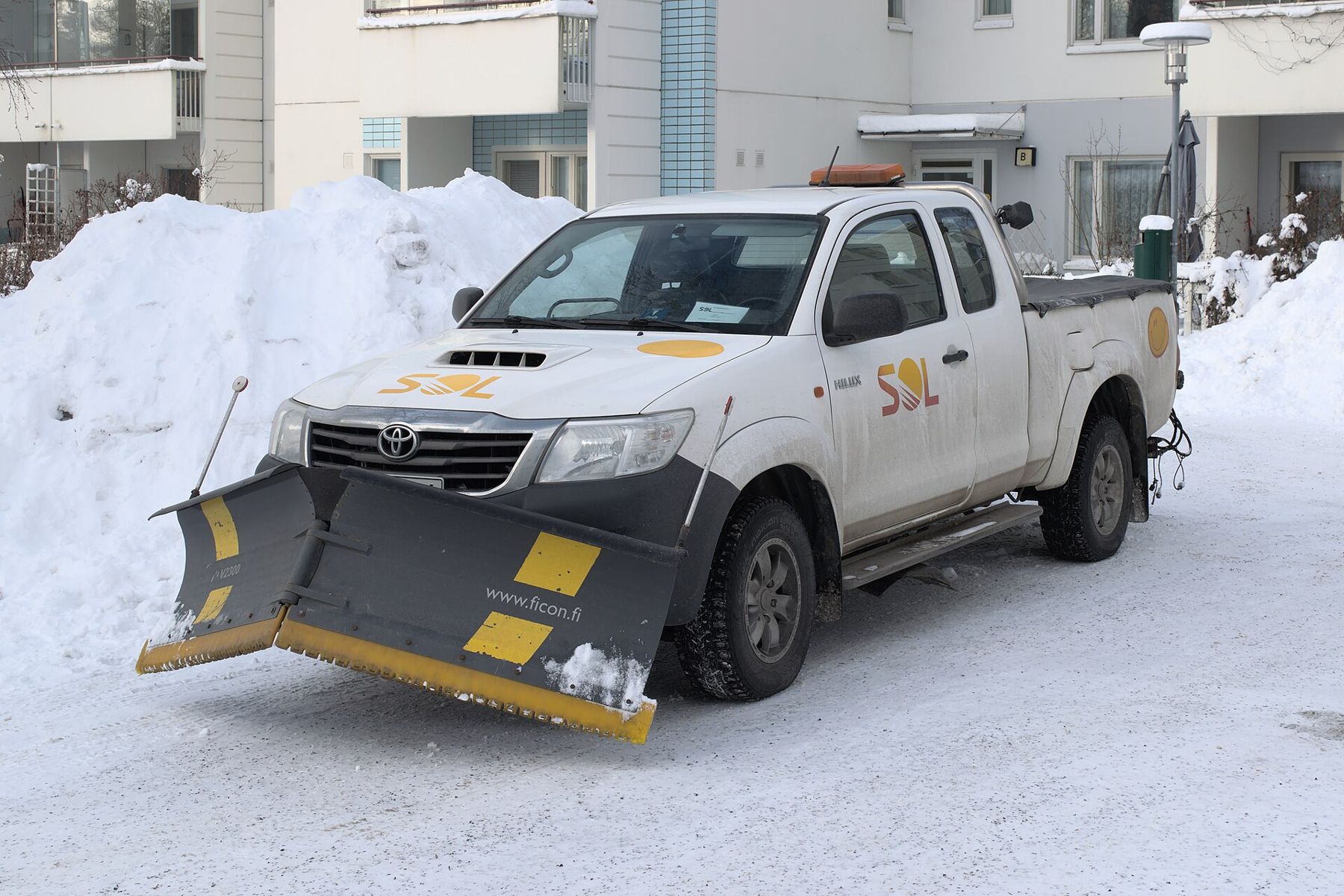
Farm equipment and milk trucks use these roads year-round. Give them room, and pass only when you can see far ahead on dry pavement. If you meet a plow, stay well back; it throws snow, salt and sometimes gravel, and the driver may not see you. Pass a working plow only when it pulls over.
Deer
Deer are the most common hazard on these roads, in winter as in fall. They move at dawn and dusk and cross at woodlot edges, creek bottoms and anywhere a strip of trees meets the road. When one crosses, expect a second and a third.
If a deer steps out, brake firmly and stay in your lane. Swerving into a ditch or an oncoming car usually does more harm than the deer. If you hit one, pull off as far as you safely can, turn on the hazard lights and call the local sheriff's office or the non-emergency number.
Keep a kit in the car
A breakdown on a rural road in January can mean a long wait. Keep these in the car from November to March:
- A snow brush, an ice scraper and a small shovel.
- A bag of sand or cat litter for traction, and a tow strap.
- Jumper cables or a charged jump pack.
- A warm blanket or sleeping bag, spare hat, gloves and dry socks.
- A flashlight with fresh batteries, a phone charger and a bright cloth to tie to the antenna.
- Water and a few high-calorie snacks.
Before the season starts, put on good winter or all-season tires with plenty of tread, top up the washer fluid with a winter mix, and check the wiper blades. Salt spray from the highways coats the windshield in minutes, and you will go through a jug of fluid faster than you expect.
Keep the gas tank at least half full. If you slide off and cannot get out safely, stay with the car, run the engine only in short bursts for heat, and keep the exhaust pipe clear of snow.
Getting to the trailheads
Winter is a fine time for the trails, and many of the best ones sit at the end of small roads. Trailhead lots are plowed on their own schedule and may be cleared later than the road outside. Before you set out for cross-country skiing or a morning of snowshoeing, check that the lot you want is open, and have a second trailhead in mind.
The Kettle Moraine Scenic Drive is lovely under fresh snow, but it uses narrow, hilly county and town roads. Drive it a day or two after a storm, in daylight, when the plows have been through and the sun is on the hills.