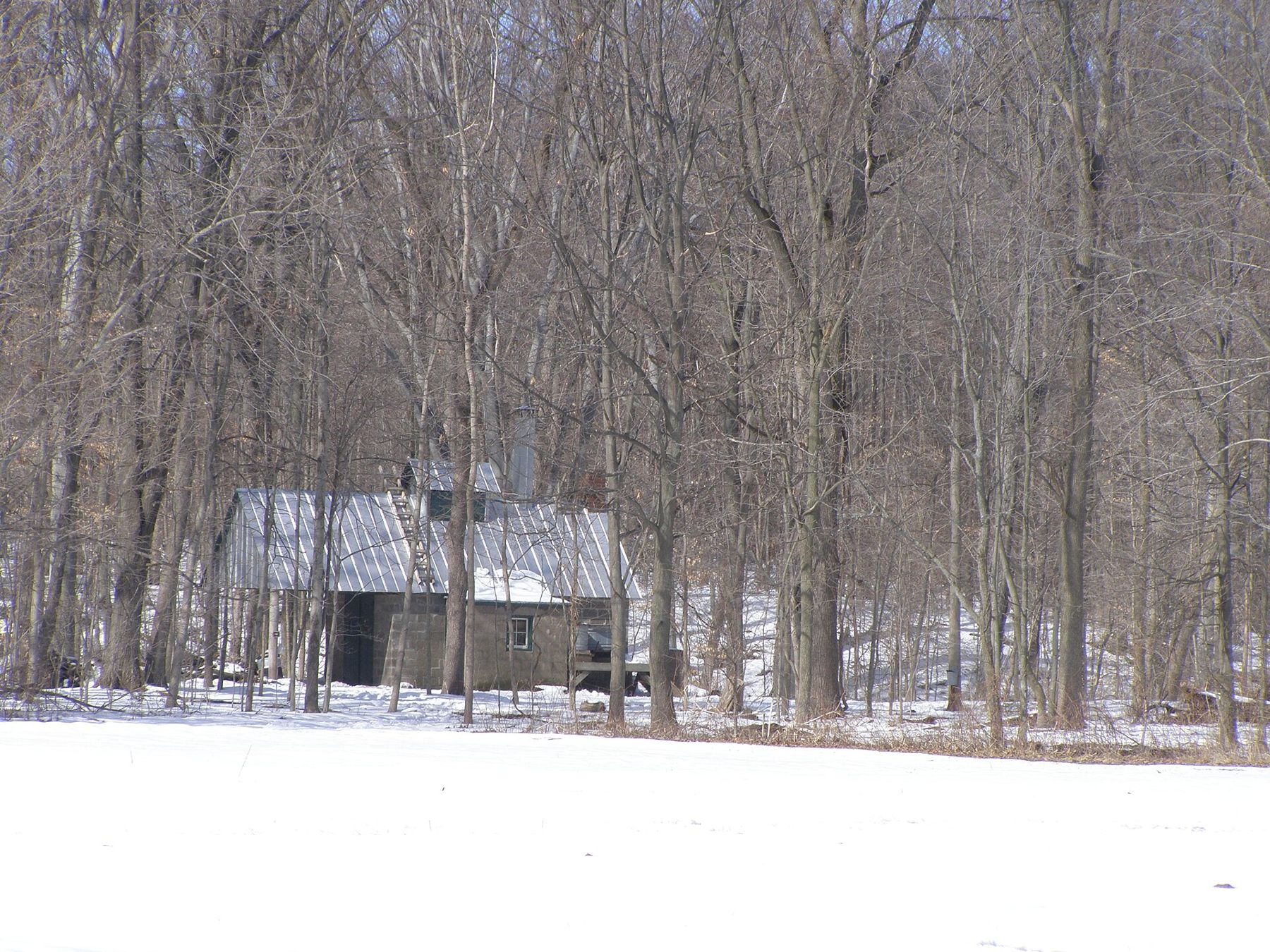
Read the forecast, not the calendar. Sap season starts when the weather settles into a rhythm of nights below freezing and days that climb into the upper thirties or forties. In southeast Wisconsin that usually happens some time from late February into March, and the season usually lasts four to six weeks before the trees bud out and the sap turns bitter.
It is the first outdoor work of the year, done when the woods are still gray and the snow is rotting in the hollows. If you want a reason to be in the forest at the end of winter, this is it.
Why the sap runs
A maple stores sugar in its wood over the winter. On a cold night the tree draws water up from the roots; on a warm day the pressure inside the trunk rises and pushes sap out of any wound, including a small hole drilled by a sugarmaker. Every freeze and thaw is one pumping stroke. A week of warm nights, and the pump stops. A hard cold snap, and the sap freezes in the tap.
Sugar maples give the sweetest sap, typically around two percent sugar. Red and silver maples and box elder can be tapped too, but their sap is thinner. It takes something like forty gallons of sugar maple sap to make one gallon of syrup, which is why syrup costs what it does.
From tree to syrup
The work goes in a fixed order:
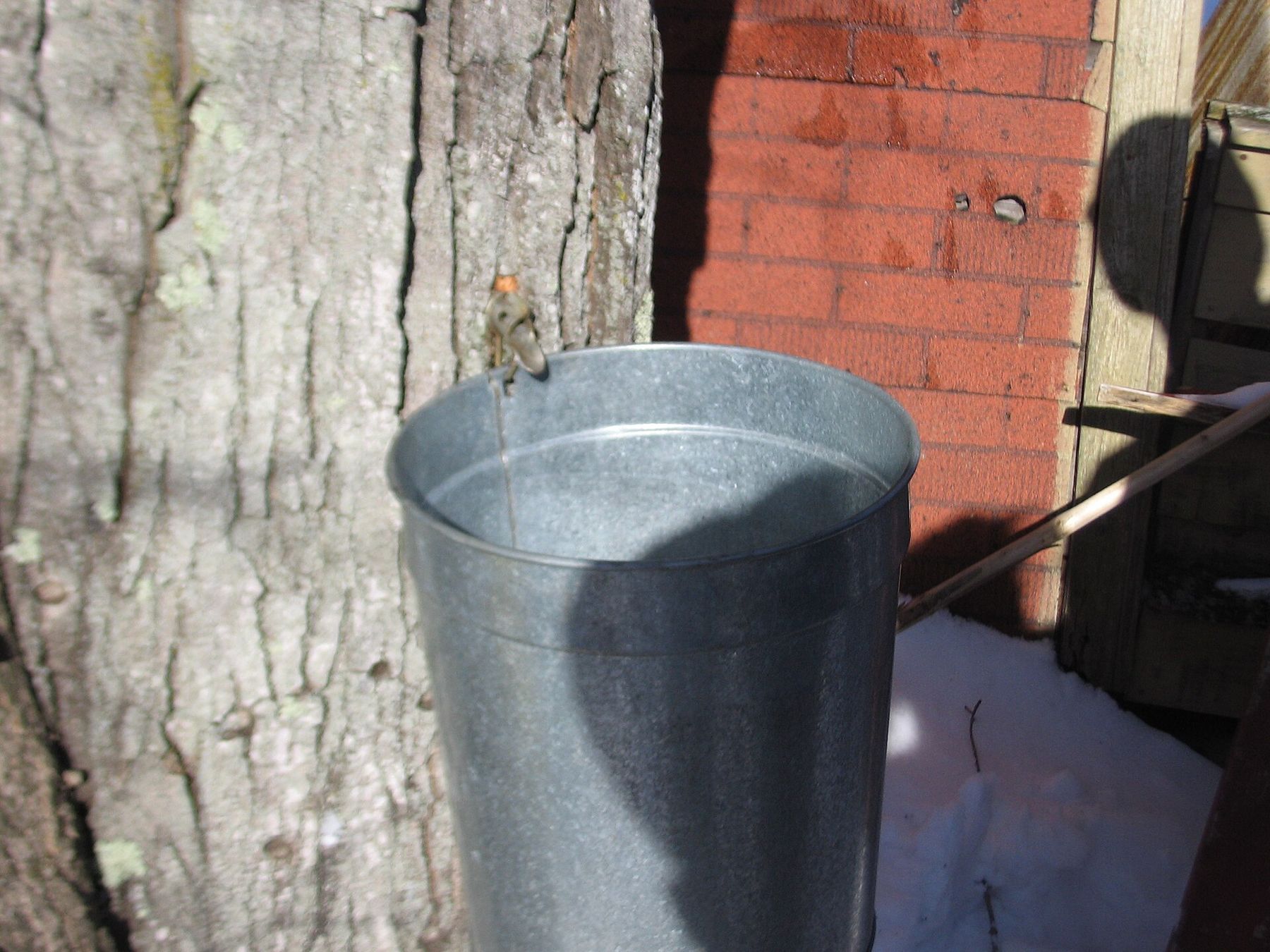
- Tapping. A sugarmaker drills a shallow hole, a couple of inches deep, into the sunny side of a healthy maple and taps in a spout. Bigger trees can take more than one tap.
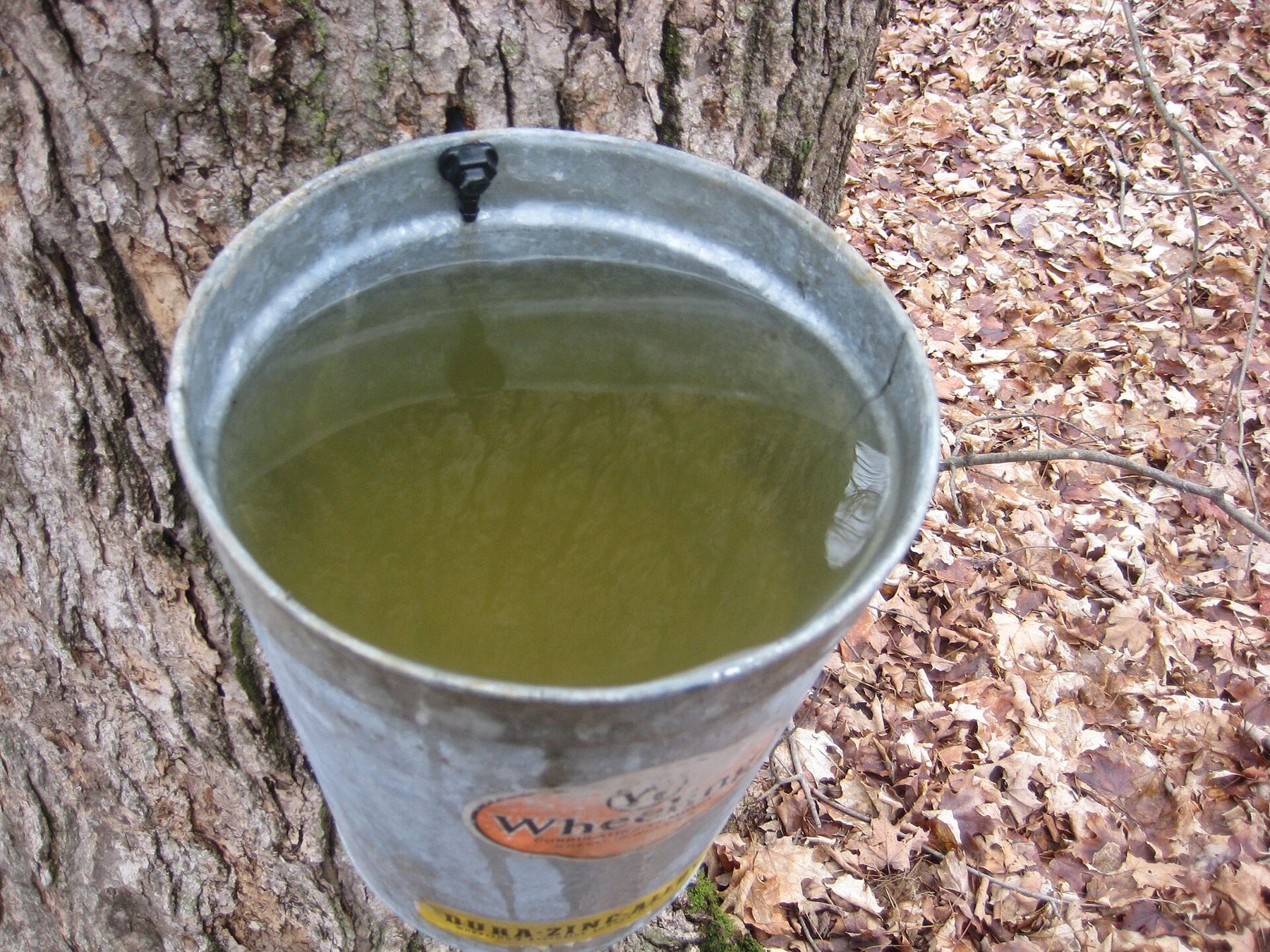
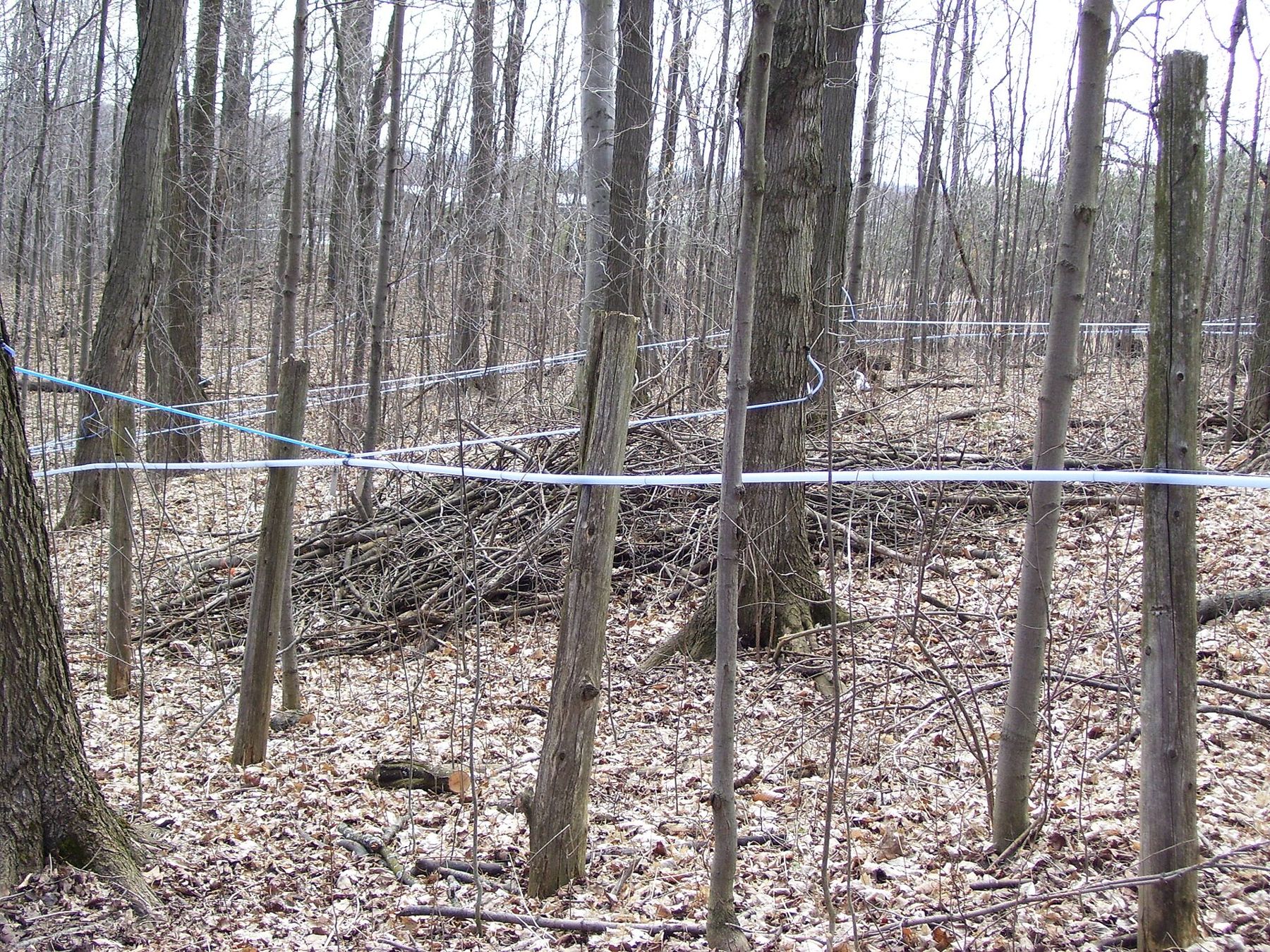
- Collecting. Small operations hang a bucket from each spout and empty it by hand. Larger sugar bushes run plastic tubing from tree to tree, downhill to a collecting tank.
- Boiling. The sap goes into a long, shallow pan called an evaporator, set over a hot wood or oil fire. Steam rolls out of the vent in the roof of the sugarhouse for hours.
- Finishing. Syrup is done when it boils at about seven degrees above the boiling point of water. It is filtered while hot and bottled.
Syrup made early in the season is usually lighter and milder; late-season syrup is darker and stronger. When the buds swell, the flavor turns off, and sugarmakers pull their taps.
An old Wisconsin practice
Native nations in what is now Wisconsin made maple sugar in late winter long before European settlement, boiling sap down into hard sugar that kept through the year. Settler farm families took up the same work, and many farms in the region kept a sugar bush, a stand of maples set aside for tapping. Some still do.
Where to see it
The easiest way in is a public demonstration. In late winter, nature centers, county parks and historic sites around southeast Wisconsin often run sugaring programs: a walk to the tapped trees, a look inside a steaming sugarhouse, and usually a taste. Check the program calendars of places such as Retzer Nature Center near Waukesha from January on, because popular sessions fill early. Dates depend on the weather, so confirm the week before.
On the back roads you may also see buckets on roadside maples by a farmhouse. Admire them from the road; the trees and the sap belong to somebody.
Buy syrup from local producers at farm stands, general stores and farmers markets. It keeps for a long time unopened; refrigerate it once the seal is broken.
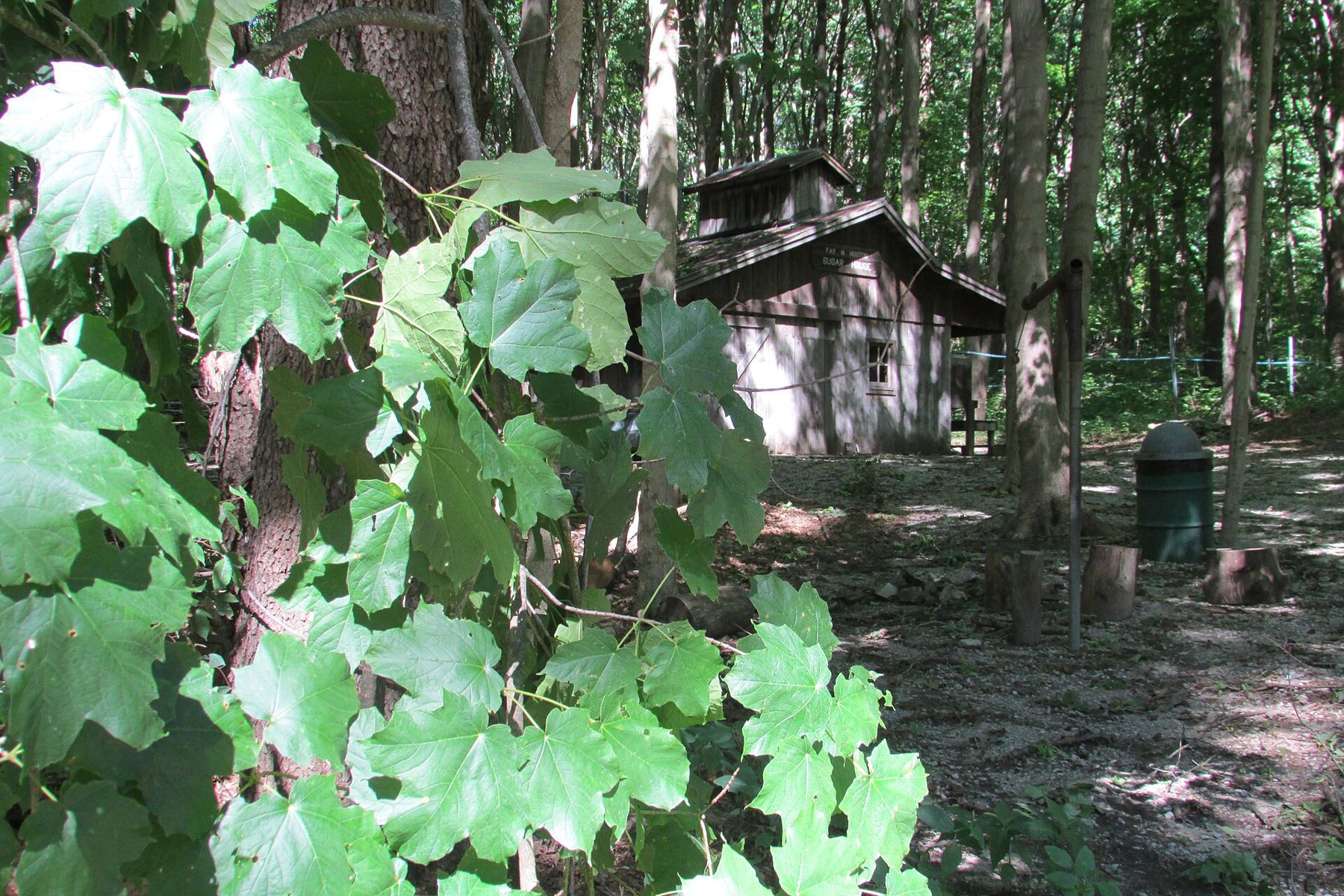
At a sugaring demonstration
Dress for standing still outdoors on a raw day. The woods in March are often colder than the forecast suggests, and the ground is a mix of old snow, ice and mud. Wear waterproof boots you don't mind getting dirty, and bring gloves you can take off to taste the sap.
Ask to taste raw sap straight from a bucket if it is offered. It looks like water and tastes only faintly sweet, which tells you more about forty-to-one than any sign. Then stand by the evaporator, in the steam, and watch the color deepen as the sap moves through the pan. Children usually remember that part longest.
What the grades mean
Maple syrup is sold by color and flavor. The names on the label run from golden with a delicate taste, through amber with a rich taste and dark with a robust taste, to very dark with a strong taste. None is better than another; they simply come from different points in the season. Golden suits pancakes and anything where you want to taste the maple lightly. Dark and very dark hold their own in baking, in glazes and in baked beans.
Tapping a tree of your own
If you have a healthy maple at least ten or twelve inches across, you can try it at home. Buy a spout and a covered bucket from a farm or hardware supplier. Drill on a mild day once the sap is running, collect daily, and keep the sap cold until you boil it. Boil outdoors, not in a kitchen: forty gallons of steam will peel wallpaper. Pull the spout when the season ends and the hole will close over.
While you are out
Late winter is also mud season. The trails thaw from the top down, and a path that looks firm can be greasy underneath. Walk the gravel and boardwalk routes, stay off soft trails to spare them, and expect mountain bike trails to stay closed until they dry. By the time the sugarmakers pull their taps, the first spring wildflowers are pushing up through the leaves on the warm slopes. Go and look for them on the way home.