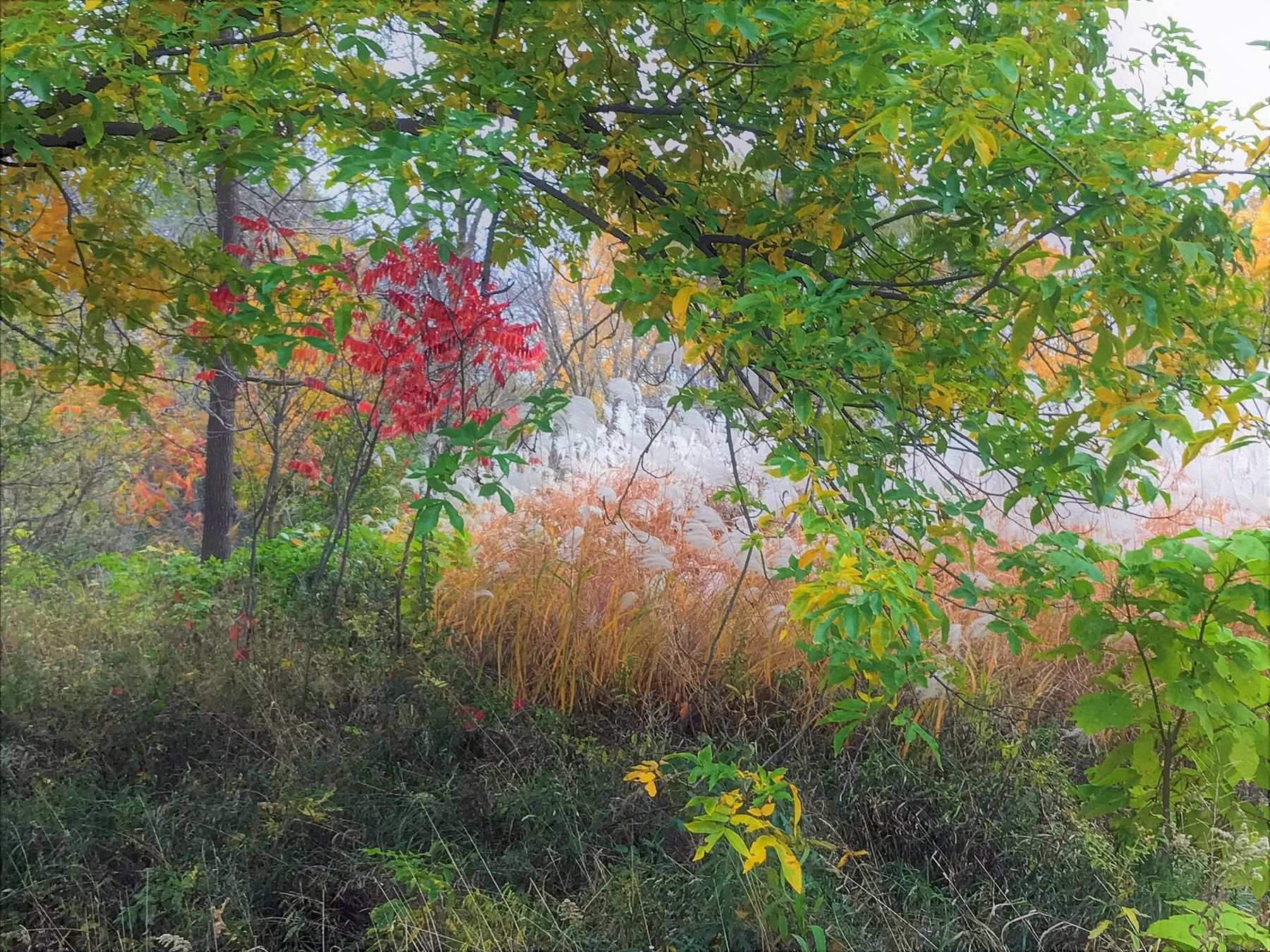
Pick your night by the moon. On a clear night near new moon, a shelter on the Southern Kettle Moraine stretch of the Ice Age Trail is dark enough to see the Milky Way through the gap in the trees, and quiet enough to hear owls calling across the kettles. On a full moon you can walk the last mile without a headlamp.
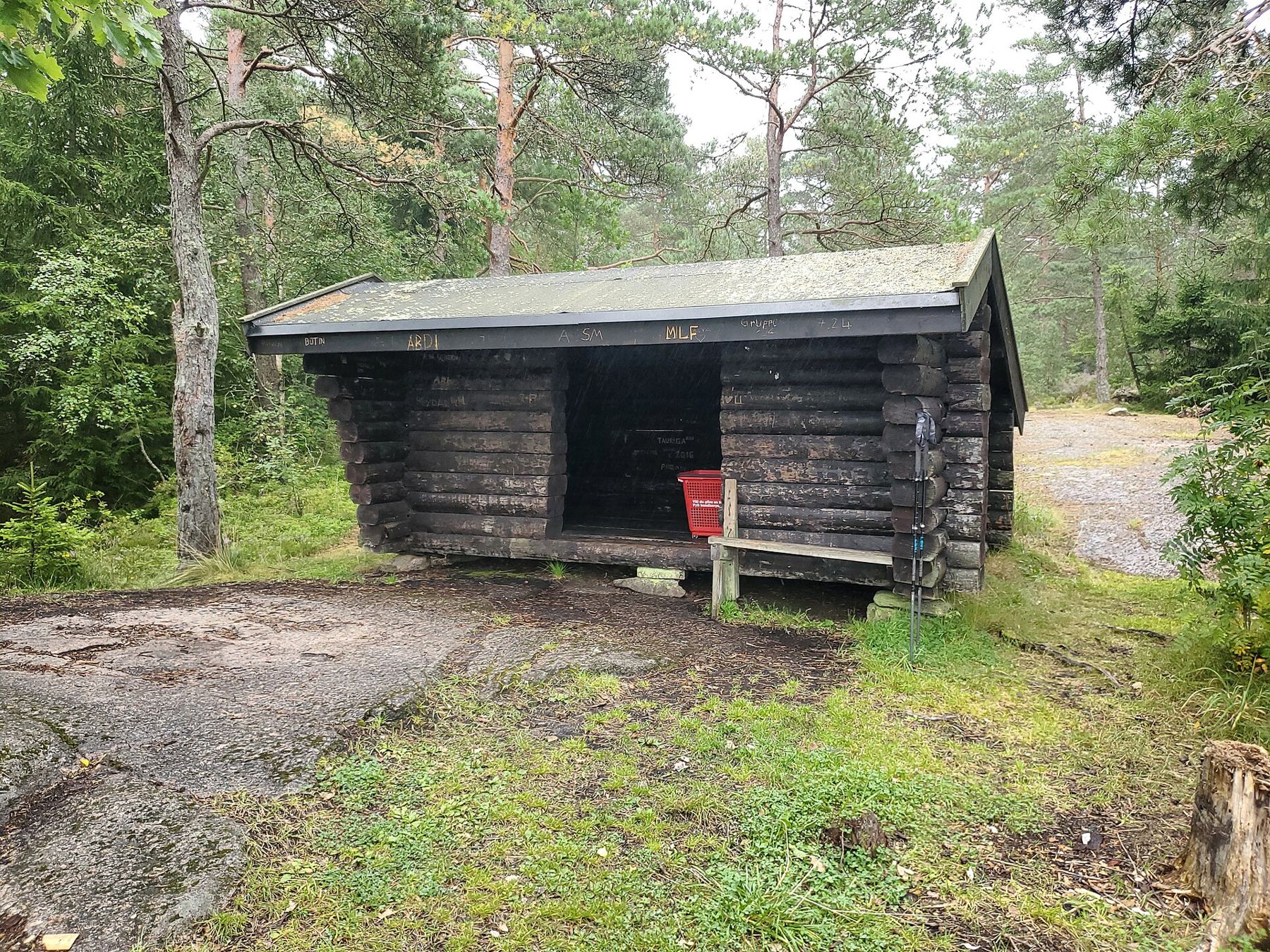
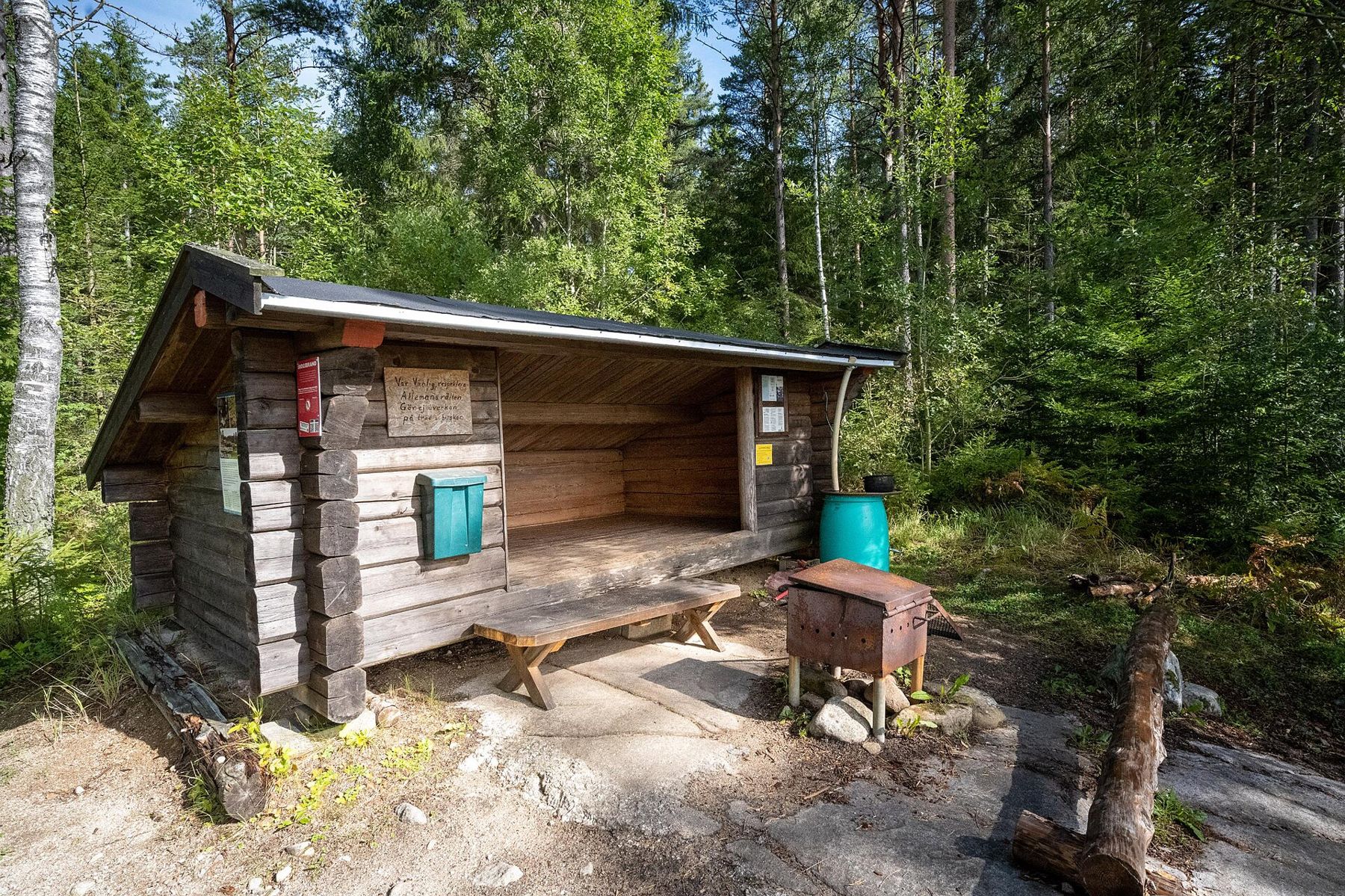
The Southern Unit of the Kettle Moraine State Forest keeps a small number of backpack shelters close to the Ice Age Trail. They are simple, three-sided wooden structures, open on one side, set back from the trail in the woods. They are the closest thing to backcountry camping within an hour of Milwaukee, and they are popular.
How the shelters work
Each shelter is booked by one group for the night. You reserve in advance through the state reservation system, the same one used for campsites, and you need vehicle admission for the car you leave behind. Group size limits, fees and the exact rules can change, so read the current conditions when you book.
You walk in from a trailhead. The distance varies by shelter, from a modest walk to several miles, and the route is hilly, like the rest of the moraine. Get directions and the right parking area from the forest when you reserve.
Facilities are basic. Expect the shelter itself, a fire ring and a toilet of some kind nearby. Do not expect running water, electricity or a trash bin. Anything you carry in, you carry out.
What to pack
- Water. Enough for the walk in, cooking, the evening and the morning, or a confirmed source and a way to treat it.
- A sleeping pad and a warm bag. The shelter floor is hard boards, and cold comes up through them in spring and fall.
- A headlamp and spare batteries. Under the trees, dusk turns into full dark fast.
- A stove, even if you plan to cook on the fire. Fire restrictions can come in during dry spells.
- A food bag and a cord to hang it. Mice know every shelter. Raccoons visit too.
- Insect repellent from May to September, and a light tarp or net for the open side if mosquitoes are bad.
- A trash bag for everything you bring.
Pack light where you can. The walk in is short by backpacking standards, but the moraine climbs and drops constantly, and a heavy pack makes every kettle rim feel twice as steep. Leave the cooler, the extra camp chair and the cast-iron pan in the car. A first night is a good chance to learn what you actually use; write it down the next morning and leave the rest at home next time.
Dress for a cooler night than the forecast in town. The kettles collect cold air after sunset, and a shelter on a ridge catches the wind.
Fires and manners
Build fires only in the fire ring provided, and only when fires are allowed. Burn small. Check whether you may gather dead wood on the ground near the shelter, and never cut standing trees, live or dead. Bringing firewood from far away can spread forest pests, so follow the state's current firewood rules and buy locally where required.
Keep noise down after dark. Day hikers pass close to some shelters, and other backpackers may be within earshot. Leave the shelter cleaner than you found it: sweep it out, pack out stray trash and drown your fire until the ashes are cold to the touch.
Winter nights
A shelter night in winter is a different trip. The insects are gone, the trail is empty, and the woods are bright with snow. It is also cold enough to be dangerous if you are not equipped for it. Check that the shelter is open and bookable for your winter dates.
- Use a sleeping bag rated well below the expected low, and two pads under you.
- Keep your water bottles inside your sleeping bag so they do not freeze.
- Bring a stove that works in the cold and enough fuel to melt snow.
- Wear snowshoes or traction devices on the walk in, and allow extra time.
- Tell someone where you are and when you will be out. Cell signal in the kettles is unreliable.
Skiers should remember that dogs and hikers are kept off groomed ski trails. Walk in on the Ice Age Trail or another route the forest designates for winter foot traffic.
Planning the walk
Most people walk in from one trailhead and out the same way. For a longer trip, link a shelter night with a day on the trail and a car shuttle. Our guide to the Ice Age Trail through the Southern Kettle Moraine describes the route, and our notes on how hard a trail is help you judge how long the walk in will take with a full pack.
If you would rather keep the car close, a campsite at one of the forest's family campgrounds is easier to book and has water on hand; see Ottawa Lake for one option.
In the morning, before you pack up, sit on the edge of the shelter floor with a hot drink and listen. The first hour of light is when the woods are loudest.