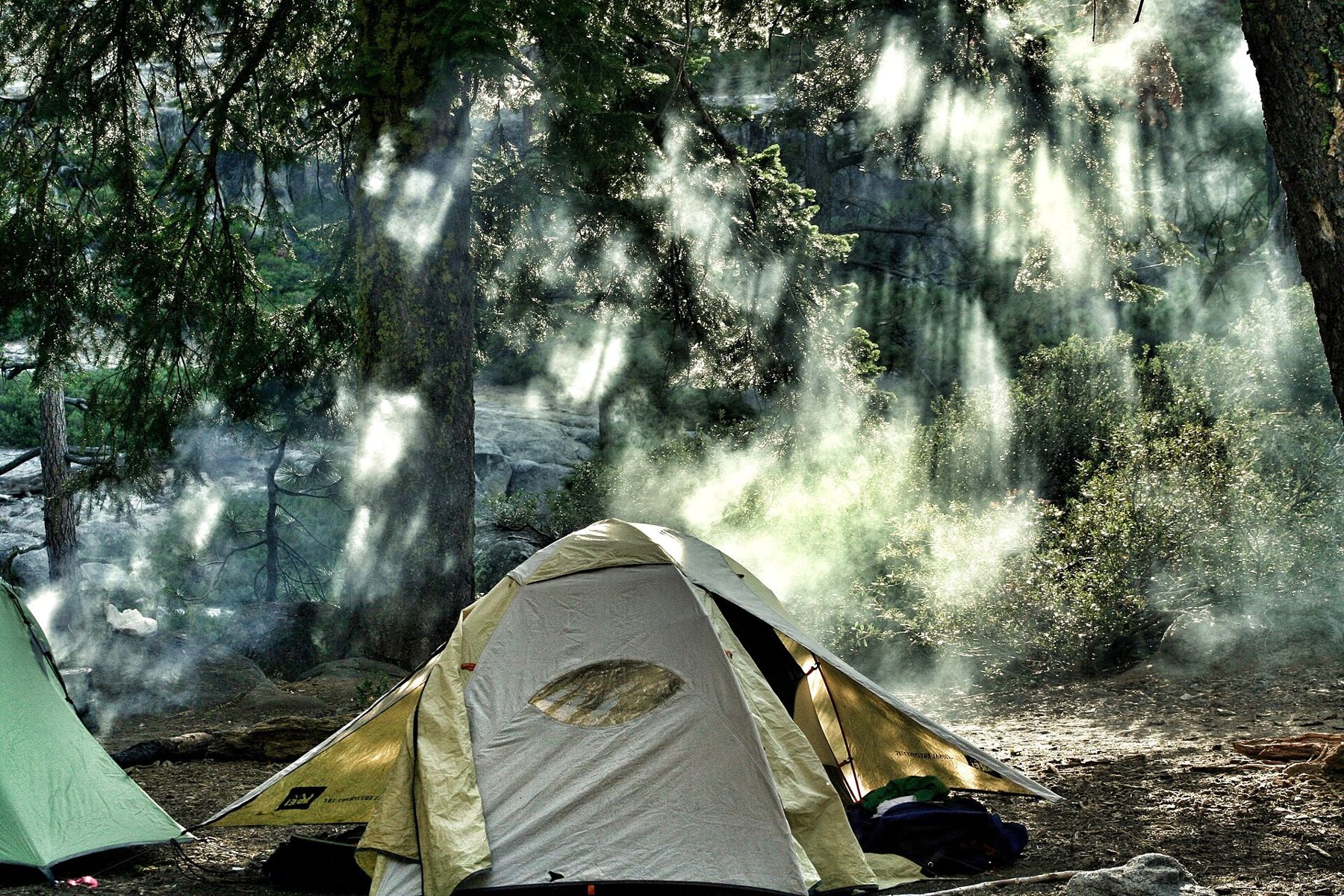
The first warm Friday in May decides it. One week the Southern Unit's campgrounds are half empty, with frost still on the picnic tables at dawn; the next, every loop is full of tents, screen rooms and smoke. From then until the oaks drop their leaves in late October, camping here is a matter of planning ahead.
The season is long but uneven. Summer weekends, especially around the Fourth of July and Labor Day, fill months in advance. Weekdays in June and the weeks after school starts in September are far easier, and in our view they are the best camping of the year: cool nights, fewer people, and in September far fewer mosquitoes.
The family campgrounds
The Southern Unit of the Kettle Moraine State Forest has three main family campgrounds, each with its own character. Look at a map of the forest before you book, because they sit miles apart and suit different trips.
- Ottawa Lake, north of Dousman, sits beside a small, clear kettle lake with a swimming beach and a launch for paddlecraft. It has the most amenities of the three and is the busiest. Our Ottawa Lake page covers the lake and trails.
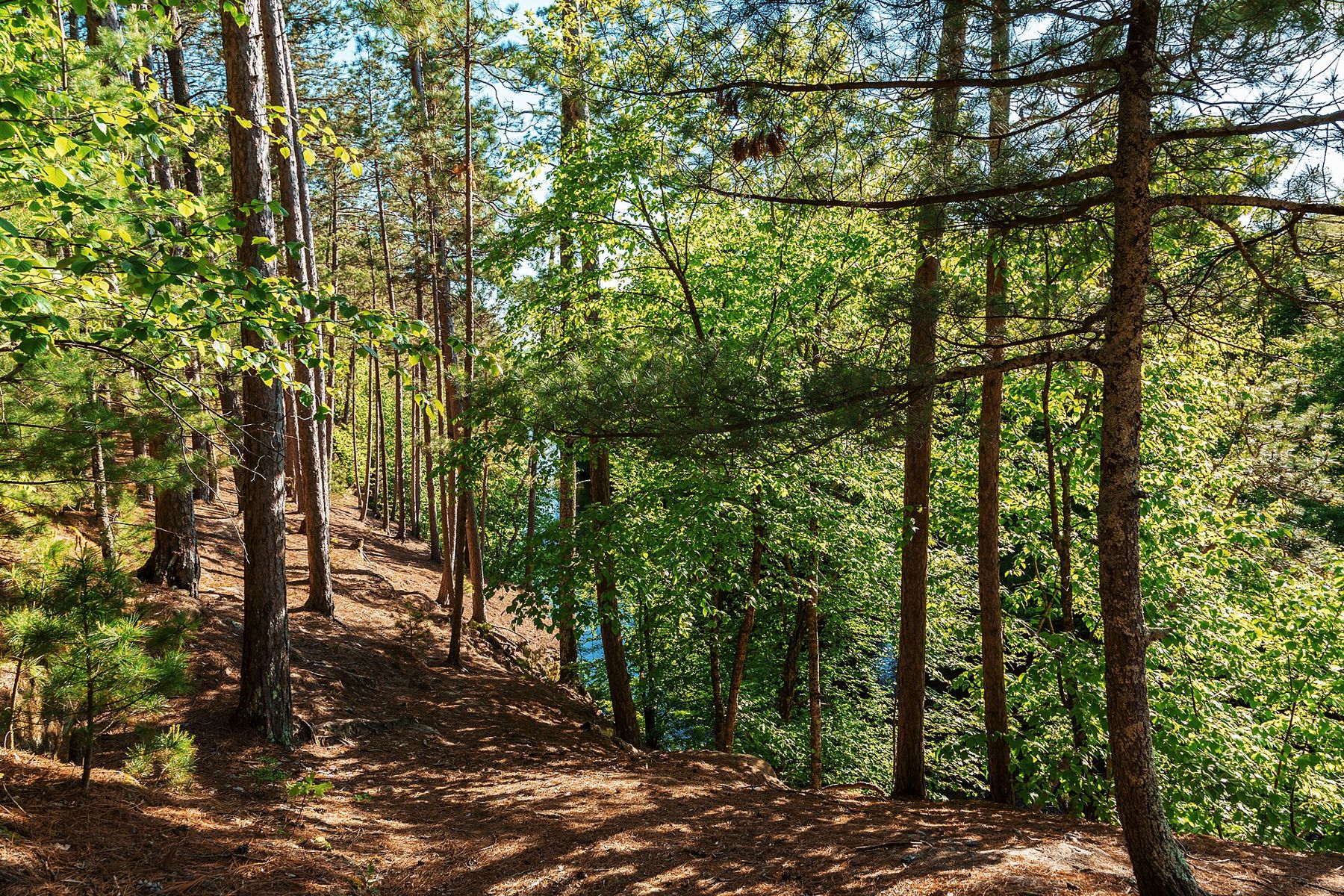
- Pinewoods, in the planted pines near Eagle, is the quiet choice: shaded sites on sandy ground, close to the Ice Age Trail and the John Muir trail system.
- Whitewater Lake, at the southwest end of the forest, puts you near a larger lake with fishing and boating. See our page on Whitewater Lake and Rice Lake before you go.
Each campground has a mix of sites with and without electricity, and the number of each changes as loops are rebuilt. Shower buildings, flush toilets and dump stations are not open at every campground in every month. Check the forest's current campground details before you count on any of them.
Booking and arriving
Reserve through the state's online reservation system, which opens sites many months ahead. If you want a Saturday night in July, book as soon as your dates open. If you are flexible, watch for cancellations in the week before your trip; they are common.
- Pick your campground first, then your loop. Sites on the outside of a loop usually back onto woods and feel more private.
- Read the site details for pad size and slope if you are bringing a camper. Some sites are short or uneven.
- Buy your vehicle admission sticker or daily pass online or at the office. You need it in addition to the site fee; our state park admission guide explains the options.
- Arrive in daylight. The campground roads are narrow, site posts are small, and backing a trailer onto a sandy pad at night is no fun.
Rules worth knowing before you go
Campground rules are posted at the entrance and on the forest's own pages. They change from time to time, so treat this as a general picture and check the current version.
- Quiet hours run from late evening to early morning. Generators, music and loud voices carry a long way across a kettle on a still night.
- Fires go only in the metal fire rings provided. Watch for burning restrictions during dry spells, when fires may be banned entirely.
- Firewood from far away is restricted to keep tree pests out of the forest. Buy it near the campground.
- Pets must be leashed and are not allowed on swimming beaches. Never leave a dog alone at the site.
- Site limits cap the number of people, tents and vehicles per site. Extra cars usually park in an overflow lot.
- Checkout is set for a fixed hour in the morning. Leave the fire ring cold and the site clean.
The shoulder weeks
The best nights of the year often fall outside the summer rush. In May the woods are open and bright, spring wildflowers cover the slopes, and the bugs have not yet hatched in numbers. Nights can still drop near freezing, so bring a warmer sleeping bag than the daytime forecast suggests.
September is the sweet spot. The lakes are still warm enough for a quick swim early in the month, nights are cool and clear, and the campgrounds quiet down once school is in session. By early October you are camping under turning maples, with the hunting seasons opening around you; wear bright orange on the trails and keep dogs close.
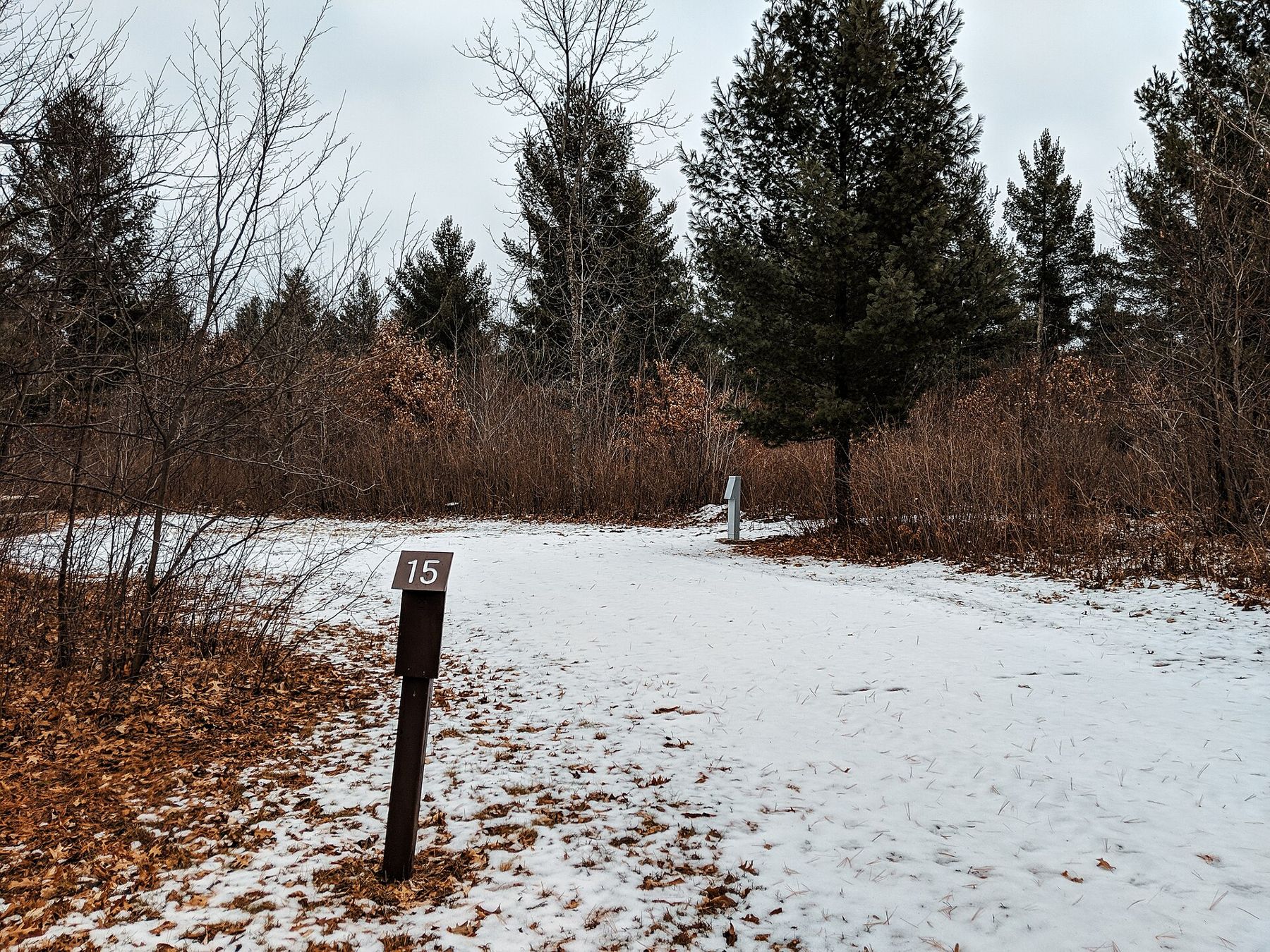
Some sites stay open into the cold months for hardy campers, but water and shower buildings are usually shut down by late fall. Check which loops remain open, and plan on carrying your own water.
Beyond the campgrounds
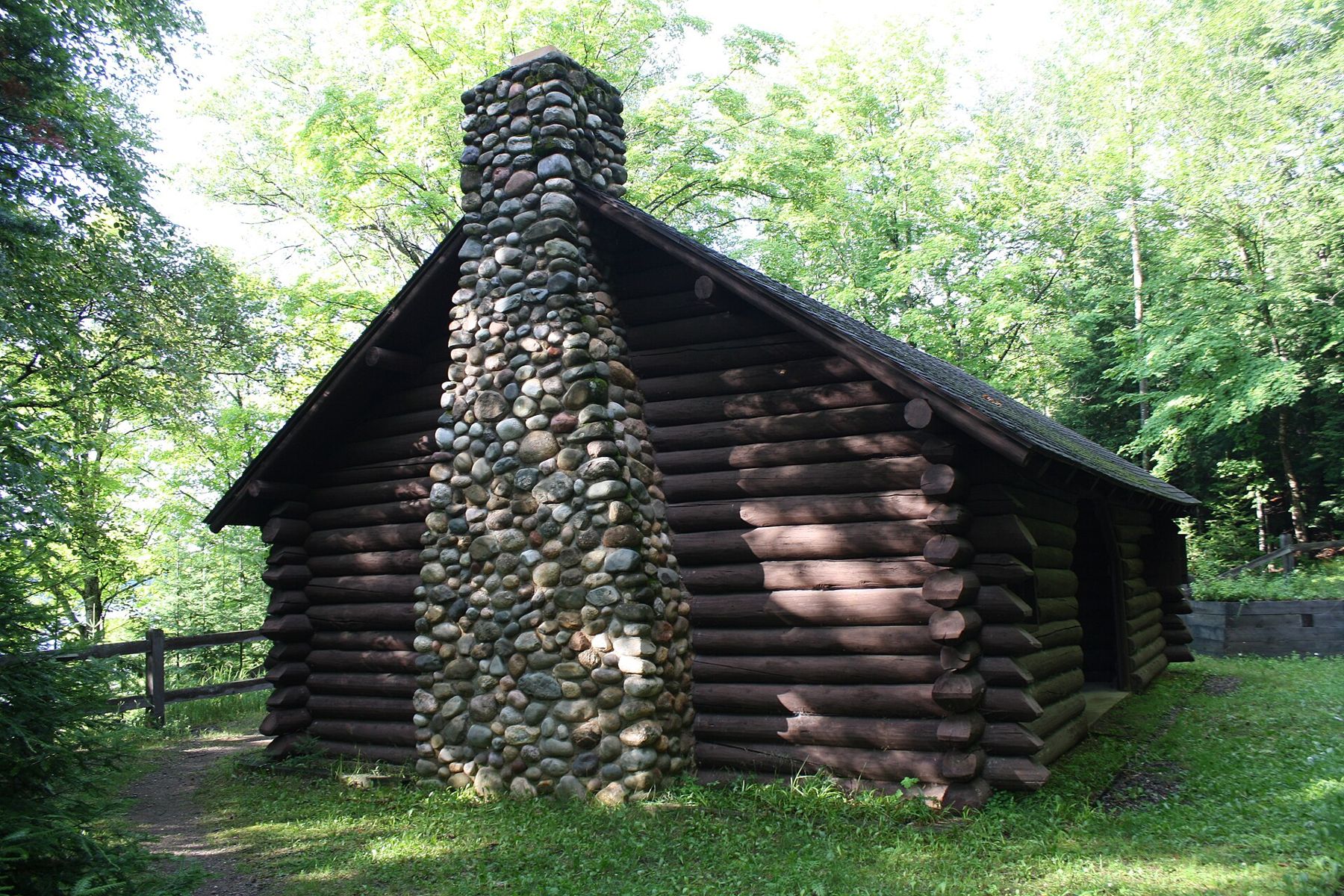
If a campground loop feels too busy, the Southern Unit also has a handful of backpack shelters along the long trail, reached on foot only. They are basic, booked in advance and well worth the walk; see our page on backpacking shelters for how they work.
Group camps exist too, for scout troops and larger gatherings. They have their own booking rules and minimum group sizes, so contact the forest office well ahead.
What to pack for a moraine campsite
The ground here is mostly sand and gravel, which drains fast after rain but holds tent stakes poorly. Bring longer stakes or a few sand anchors. A tarp over the picnic table makes a wet morning far more bearable.
From June through August, plan for insects at dusk, especially at sites near wetlands. Our mosquito season note covers repellents and timing. Check yourself and the children for ticks each evening after walks in tall grass.
Lock food and coolers in the car at night. Raccoons patrol every campground in the forest and will open a cooler left on the table, latch or no latch. Go to bed with the site cleared and the fire drowned, and you will wake to nothing louder than woodpeckers in the pines.