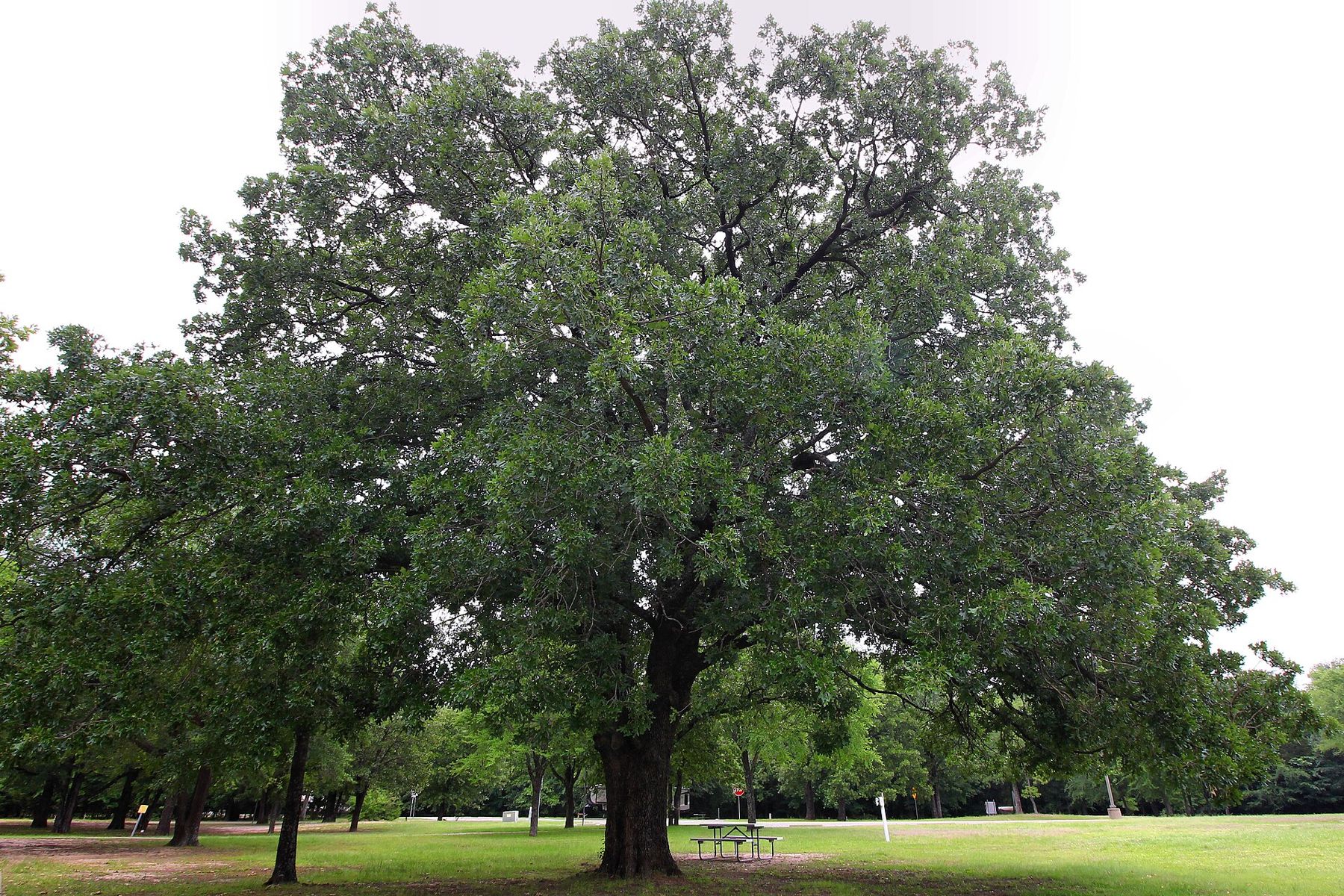
Bur oaks grow differently in the open. With no neighbours to crowd them, they spread wide, low limbs out from thick trunks, sometimes as broad as they are tall. A single bur oak in a field looks like a tree that was meant to stand alone. That is what an oak opening is: big oaks spaced far apart, with prairie grass and wildflowers growing between them in full sun.
When settlers reached southern Wisconsin in the nineteenth century, this kind of ground covered a large share of the land. They called it oak openings or oak barrens. Today very little of it remains. Eagle Oak Opening State Natural Area, near the village of Eagle in the Southern Kettle Moraine, protects one of the better remaining examples.
What you are looking at
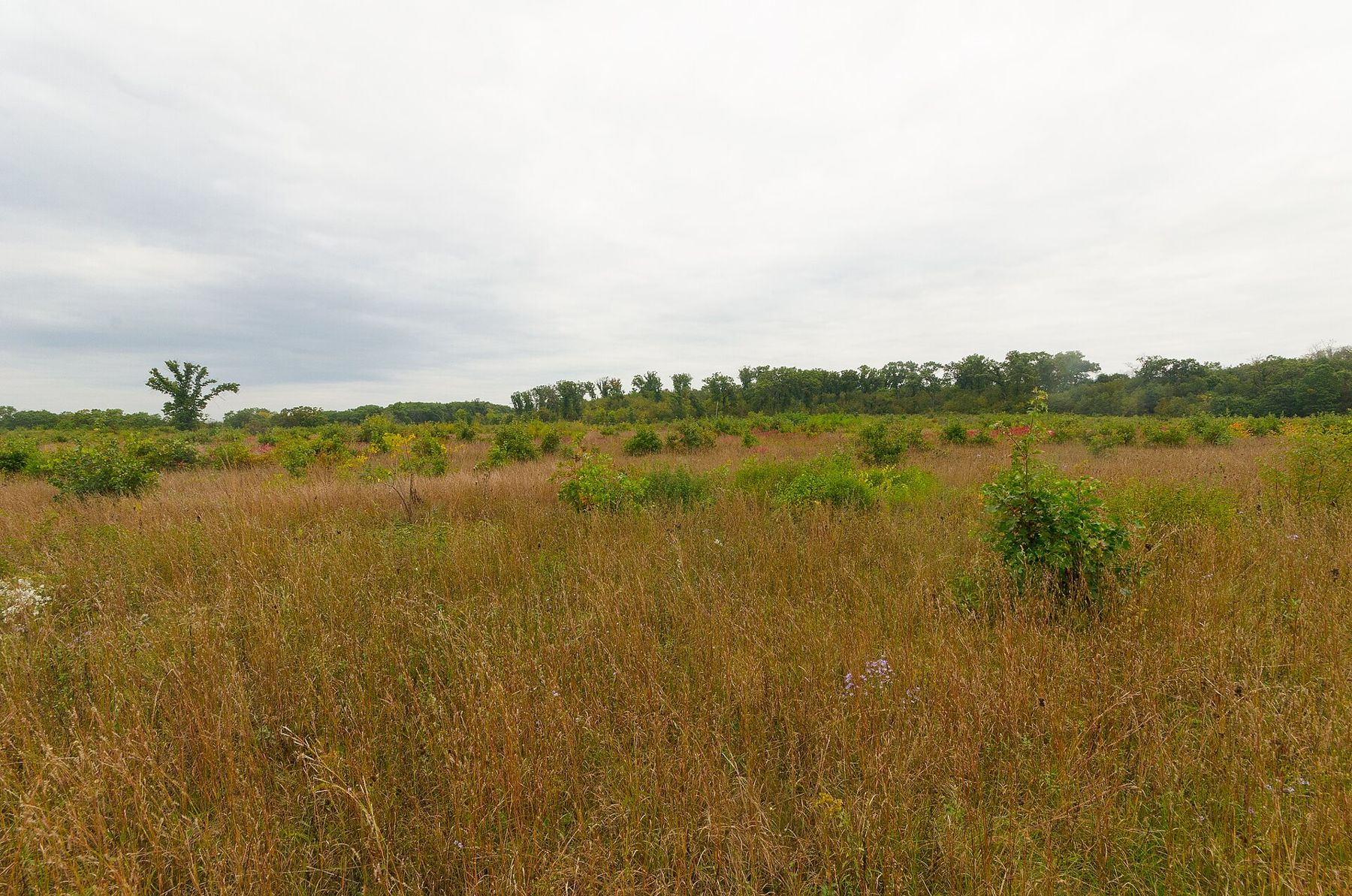
An oak opening is a savanna: something between a prairie and a forest. The trees, mostly bur oak with some white and black oak, stand far enough apart that sunlight reaches the ground. Under and between them grow prairie grasses such as big bluestem, little bluestem and Indian grass, and prairie flowers such as lead plant, purple prairie clover, butterfly milkweed and rattlesnake master.
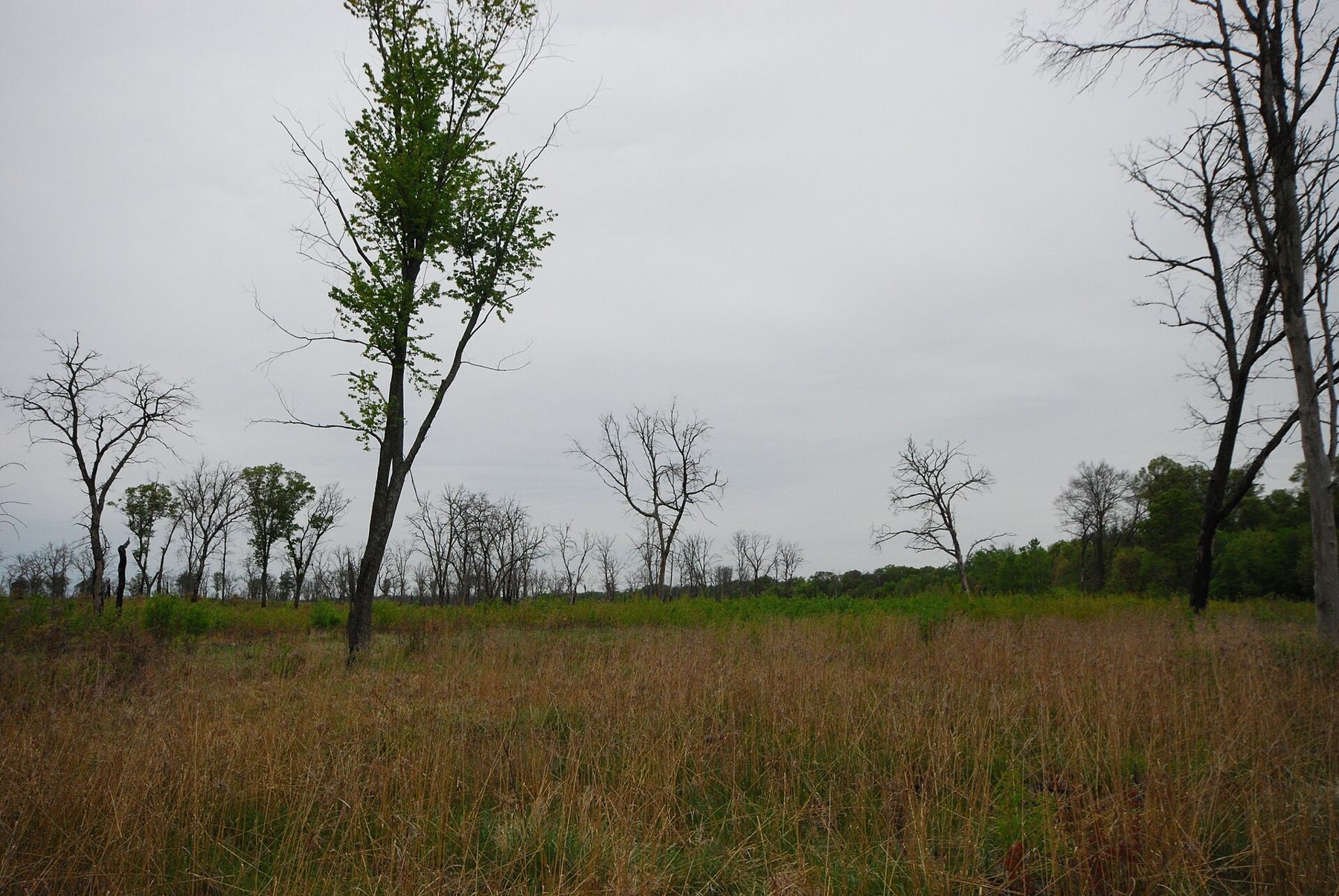
Look at the oak trunks. Bur oak bark is thick, deeply grooved and corky, and the trees can survive ground fires that kill thinner-barked trees. That is the key to the whole landscape. For thousands of years, fire swept through these openings regularly, set by lightning and by the Native peoples who lived here. The fire killed the young trees and brush that would otherwise have filled in the gaps, and left the big oaks standing.
Why oak openings are rare
Once settlers arrived, the fires stopped. Some openings were ploughed for farms; the deep prairie soil was rich. Others were grazed. Many were simply left alone, and without fire, brush and young trees grew up between the old oaks. Within a few decades, an open savanna turns into a closed forest. Walk through almost any oak woods in the Kettle Moraine and look for the oldest trees: if they have broad, low limbs, they grew up in the open, and the forest around them came later.
Oak savanna is now one of the rarest plant communities in the Midwest. What survives is mostly in small fragments, many of them protected as state natural areas.
Fire and restoration
To keep an oak opening open, land managers have to put fire back. The state uses prescribed burns: carefully planned fires, set by trained crews on days when wind, humidity and temperature are within set limits. The burns clear brush and dead grass and give the prairie plants room to grow. Crews also cut and remove brush and young trees by hand.
After a burn, the ground looks black and bare. Within a few weeks it turns green, and by midsummer the prairie flowers are often thicker than before. If you visit in spring, you may see this cycle at work. Across the Southern Kettle Moraine, the forest has been restoring other oak openings and prairies the same way, often by removing old pine plantations.
Reading the ground
A few things to look for when you walk out into an oak opening:
- Open-grown oaks Old bur oaks with heavy, horizontal lower limbs grew up in full sun. Trees with tall, straight trunks and branches only at the top grew up in a crowded forest.
- Fire marks Blackened bark at the base of the trunks shows a recent burn. The oaks shrug it off; the brush around them does not.
- Grass under the trees In a healthy savanna, prairie grasses grow right up to the trunks. Where shrubs crowd the ground instead, the fire has not reached for a while.
- Savanna birds Red-headed woodpeckers, eastern bluebirds and field sparrows favour open oak country. Listen for the bluebird's soft warble from a dead limb.
How to arrive and walk it
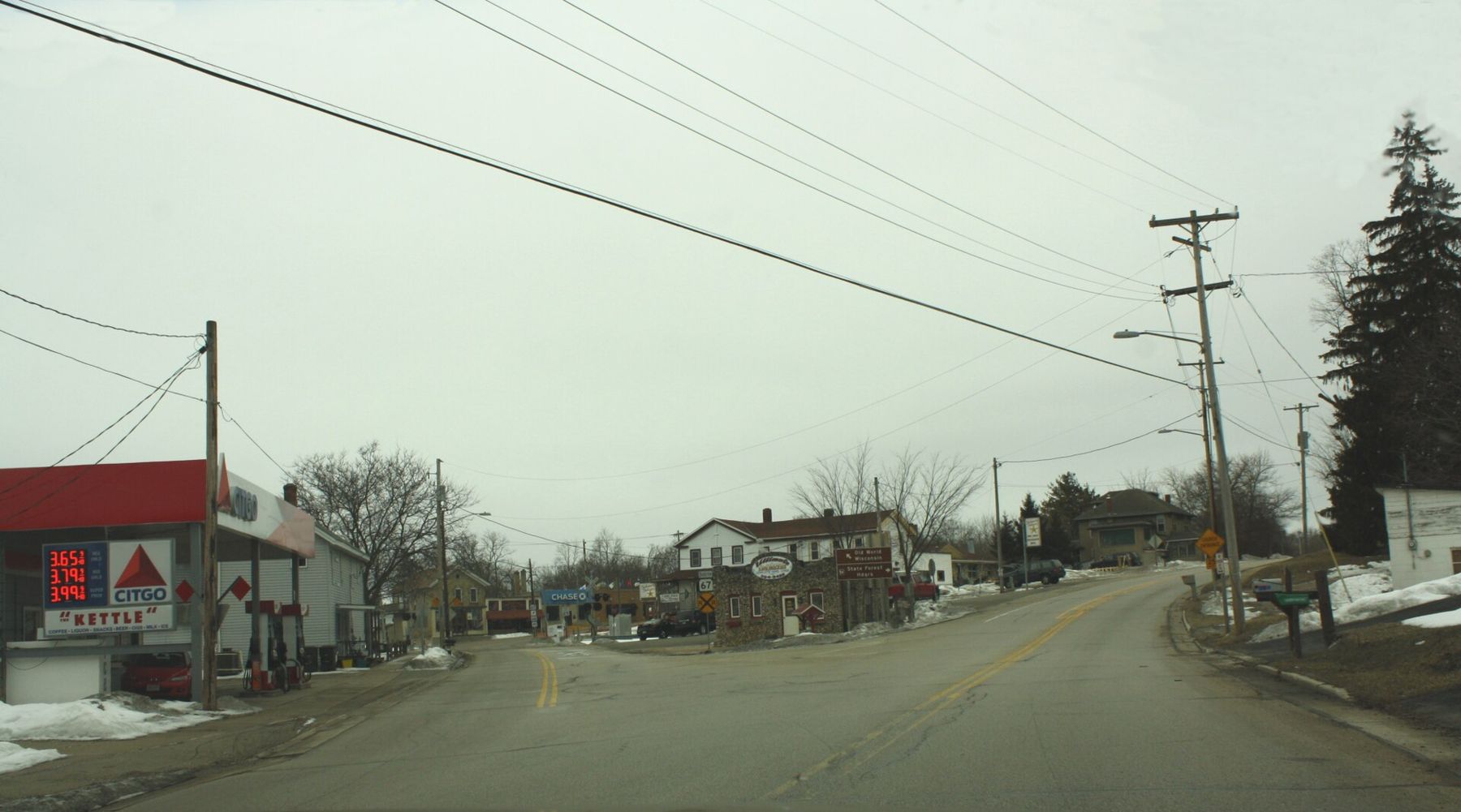
The natural area lies in the country around Eagle, within reach of the Southern Unit of the Kettle Moraine State Forest. State natural areas are kept for protection and study first and for visitors second. There is usually no developed trailhead, only a small parking spot or a pull-off at the roadside and a sign at the boundary. Check the current directions from the state natural areas programme before you go, and stop at the forest headquarters on Highway 59, west of Eagle, for a map and local advice.
Once you are there, walk lightly. There may be no marked trails. Stay on any paths or mown lines you find, and step around flowers rather than through them. Do not pick plants or collect seeds. Dogs must be leashed, and in nesting season it is better to leave them at home.
When to go
Late May and June bring the first prairie flowers, such as shooting star, lupine and spiderwort. July and August are the peak, with the grasses waist high and the summer flowers in bloom. In September the grasses turn red and bronze. Late October is the best time to see the shape of the oaks: the leaves are brown but hanging on, and the low light shows the spread of the limbs. See our page on spring wildflowers for earlier walks.
Ticks are common in the grass in late spring and summer, so wear long trousers and check yourself afterwards; read ticks and poison ivy before you go.
If you want to see more oak savanna, look closely at the woods along the trails in the Southern Unit. In several places the forest has cleared brush and burned the ground to open up old oak stands, and you can walk through them on the Ice Age Trail and other trails. Once you know what to look for, you will start to see old open-grown oaks everywhere, standing in the middle of younger woods that grew up around them.
Before you leave, find the biggest bur oak you can and stand under its limbs. Look up at how wide it spreads. That shape is what this whole landscape once looked like, mile after mile.