Tuck your trousers into your socks before you leave the car. It looks odd, and nobody on a Kettle Moraine trail will care. It is the single cheapest thing you can do about ticks, and ticks are the most common real health risk on these trails.
The other common nuisance is poison ivy, which grows along woodland edges, fence lines and trail margins all over southern Wisconsin. Neither should keep you indoors. Both are much easier to deal with if you know what you are looking for.
Take these as a hiker's notes from the moraine, not a clinician's advice. If you are worried about a bite, a rash or how you feel after a walk, see a doctor.
The ticks that matter
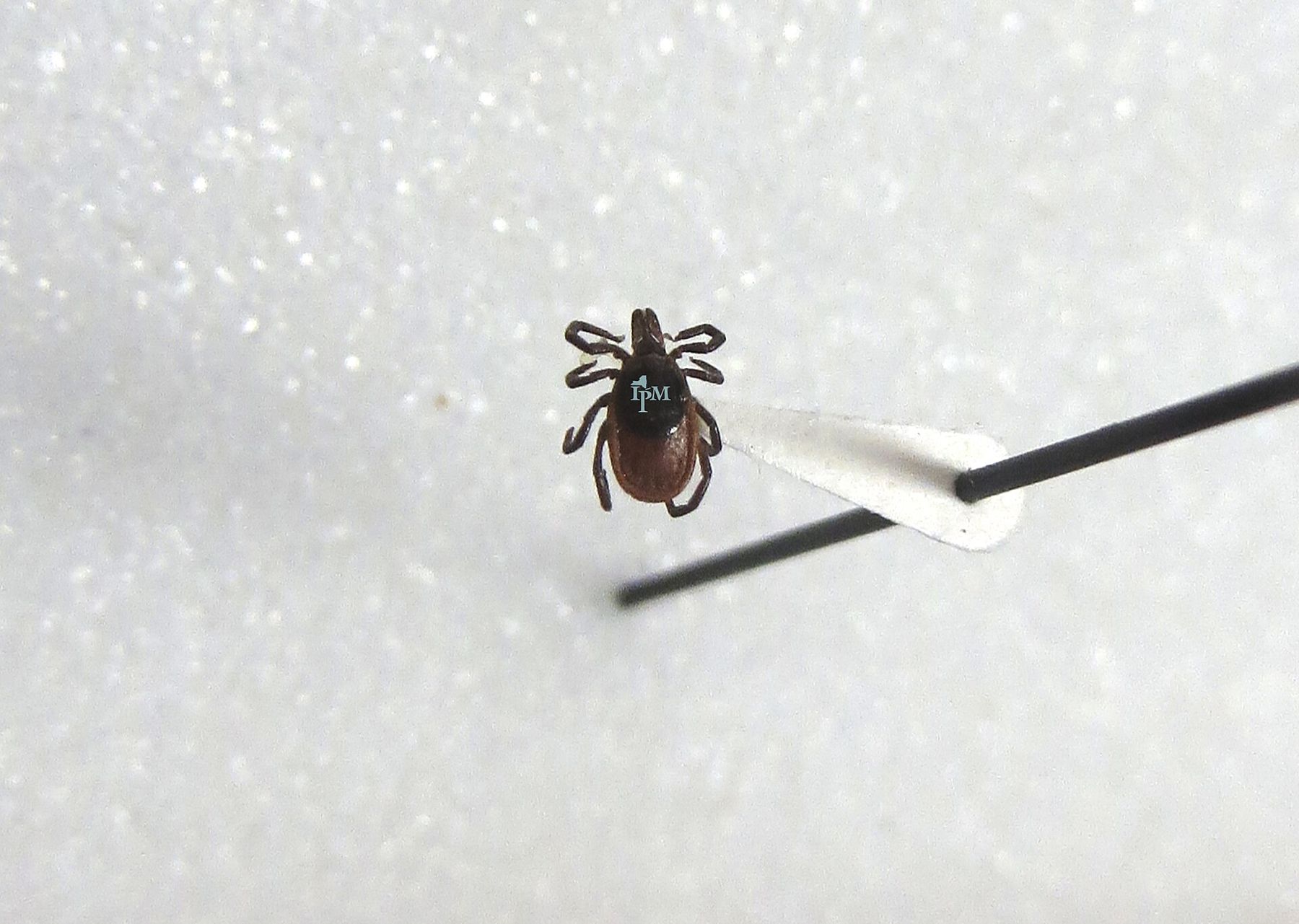
Two ticks are common on trails in southern Wisconsin. The wood tick, or American dog tick, is larger, with a pale pattern on its back, and is easy to see and feel. The deer tick, also called the black-legged tick, is the one to worry about. It can carry the bacteria that cause Lyme disease, along with other tick-borne illnesses.
Adult deer ticks are about the size of a sesame seed, dark with a reddish-brown body in the female. The young stage, called a nymph, is the size of a poppy seed and active mainly in late spring and early summer. Nymphs are hard to spot, and many people never notice the bite.
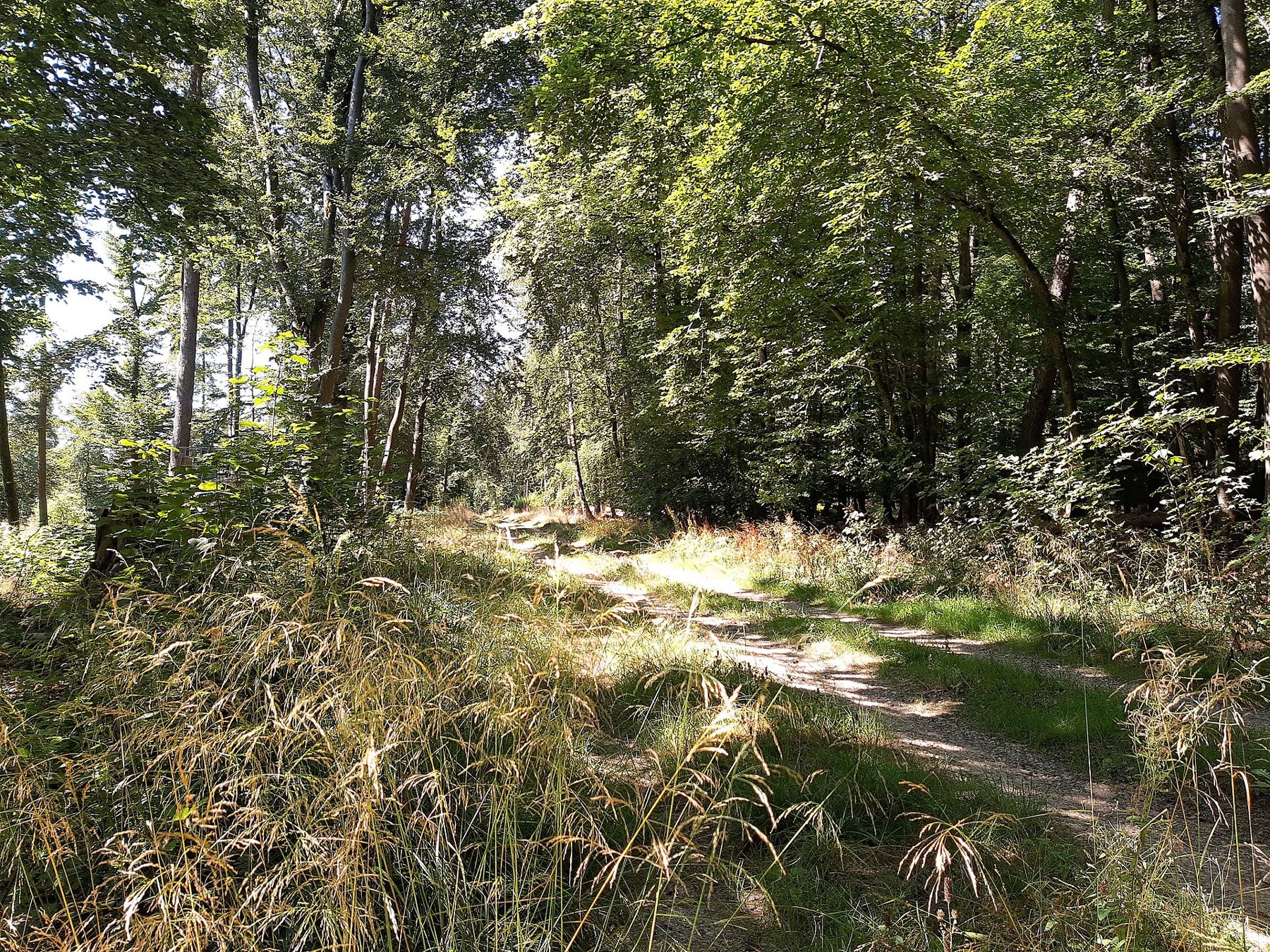
Ticks wait on the tips of grass and low shrubs and climb onto whatever brushes past. They do not jump or drop from trees. They usually crawl upward for a while before they bite, which is why a quick check can catch them before they attach.
Before and during the walk
- Dress for it. Long trousers, socks over the cuffs and light-coloured clothes so you can see a crawling tick.
- Treat your clothes. Clothing treated with permethrin repels and kills ticks. Treat clothes and shoes, not skin, and follow the label.
- Use a repellent on skin. Products containing DEET or picaridin are widely used. Follow the label, especially for children.
- Stay in the middle of the trail. Avoid brushing through tall grass and shrubs at the edges, and do not sit on logs or leaf litter.
- Check at breaks. A look at your legs every time you stop for water catches the climbers.
The tick check
- At the car, check your legs, boots and socks before you get in.
- At home, put your clothes in a hot dryer for a while to kill any ticks still on them.
- Shower soon after you get home and check your whole body: behind the knees, waist, armpits, groin, around the ears, along the hairline and on the scalp. Use a mirror or ask someone to check your back.
- Check children every time, and check your dog. Our page on hiking with a dog covers where ticks hide on a dog.
- Check again the next morning. A tick you missed may now be easier to feel.
If you find one attached
Take it off promptly. Grip it with fine-pointed tweezers as close to the skin as you can and pull straight out with steady, even pressure. Do not twist, squeeze the body, burn it or coat it with anything first. Clean the bite and your hands afterwards.
Note the date and where on your body the bite was. Some people put the tick in a sealed bag or photograph it. If you develop a rash, especially an expanding red patch, or fever, chills, aches, fatigue or other symptoms in the following weeks, see a doctor and tell them about the bite. Early treatment matters. Not every Lyme infection produces a visible rash.
Poison ivy
Poison ivy grows as a low ground cover, an upright shrub or a hairy vine climbing tree trunks. All three forms are common in the Kettle Moraine, often on sunny trail edges, along old fence lines and at the margins of parking lots.
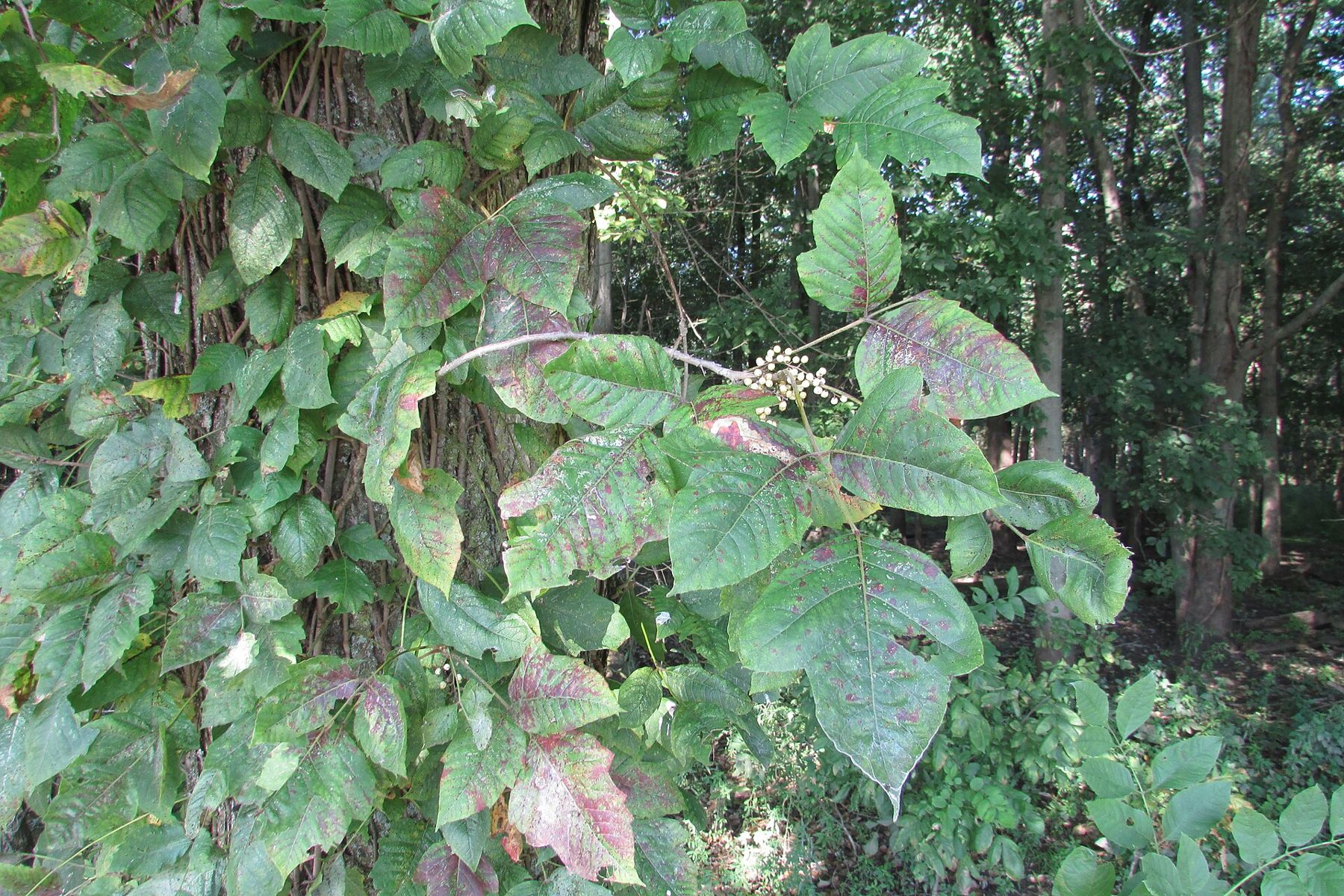
Learn the leaf. Each leaf is made of three leaflets, the middle one on a longer stalk than the two side ones. Leaflets can be smooth-edged or toothed, shiny or dull, and turn red or orange in fall. Old vines on trees look furry, covered in dark aerial roots. In late summer the plant carries clusters of small, pale, waxy berries.
The rash comes from an oil in every part of the plant, including bare winter vines and roots. It sticks to skin, clothes, boots, tools and dog fur, and it can stay active on gear for a long time.
- If you touch it, wash the skin with soap and cool water as soon as you can. The sooner you wash, the less oil gets into the skin.
- Wash what touched it: clothes, bootlaces, trekking poles and the dog.
- Never burn it. Smoke from burning poison ivy can carry the oil into your lungs.
- See a doctor if a rash is widespread, on your face or near your eyes, or if you have swelling or trouble breathing.
Other trail irritants
Wild parsnip grows along sunny roadsides and prairie edges in early summer. Its sap can cause blistering burns on skin that is then exposed to sunlight. Avoid brushing against tall, yellow-flowered, umbrella-shaped plants in open ground. Stinging nettle grows in damp, shady spots and gives a short-lived sting.
Mosquitoes are a summer fact of life in the wet ground; see our note on mosquito season. Deer flies circle your head on sunny woodland trails in July, and a hat helps.
Put the tweezers in your pack now, before you forget, and leave the trouser cuffs tucked in until you are back at the car.