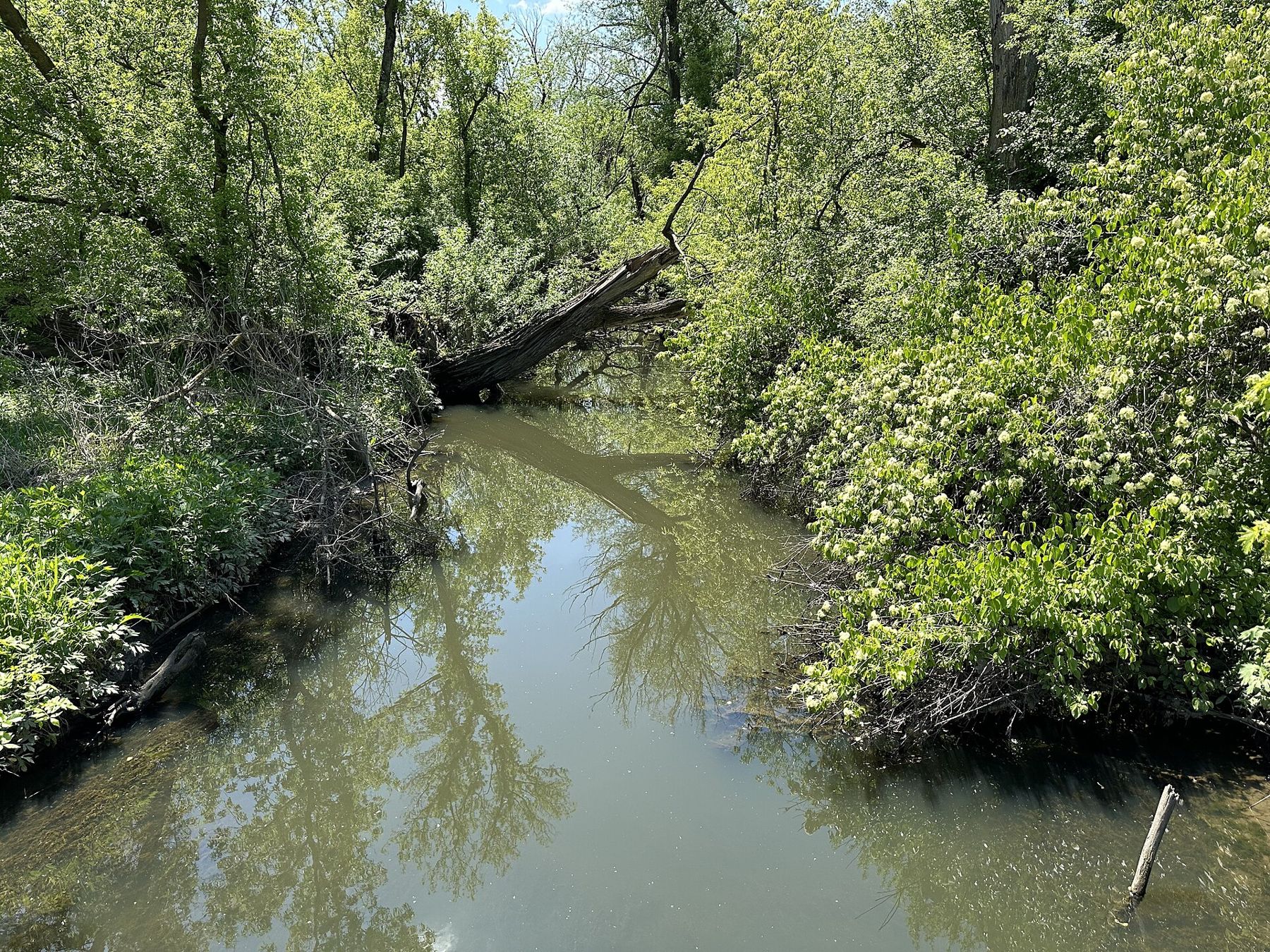
A warm rain in late May, then three still evenings in a row: that is usually when the first real swarm arrives. The Kettle Moraine is a landscape of wet hollows, sedge meadows, spring-fed creeks and kettle ponds, and every one of them breeds mosquitoes. You cannot avoid them in summer, but you can choose your ground and your hour.
When they peak
Mosquito numbers here usually build through late May and peak from early June through July. A wet spring or a stretch of summer storms brings a fresh hatch about a week or two later, so a rainy August can be worse than a dry June. The first cool nights in September knock them back hard, and a frost ends the season.
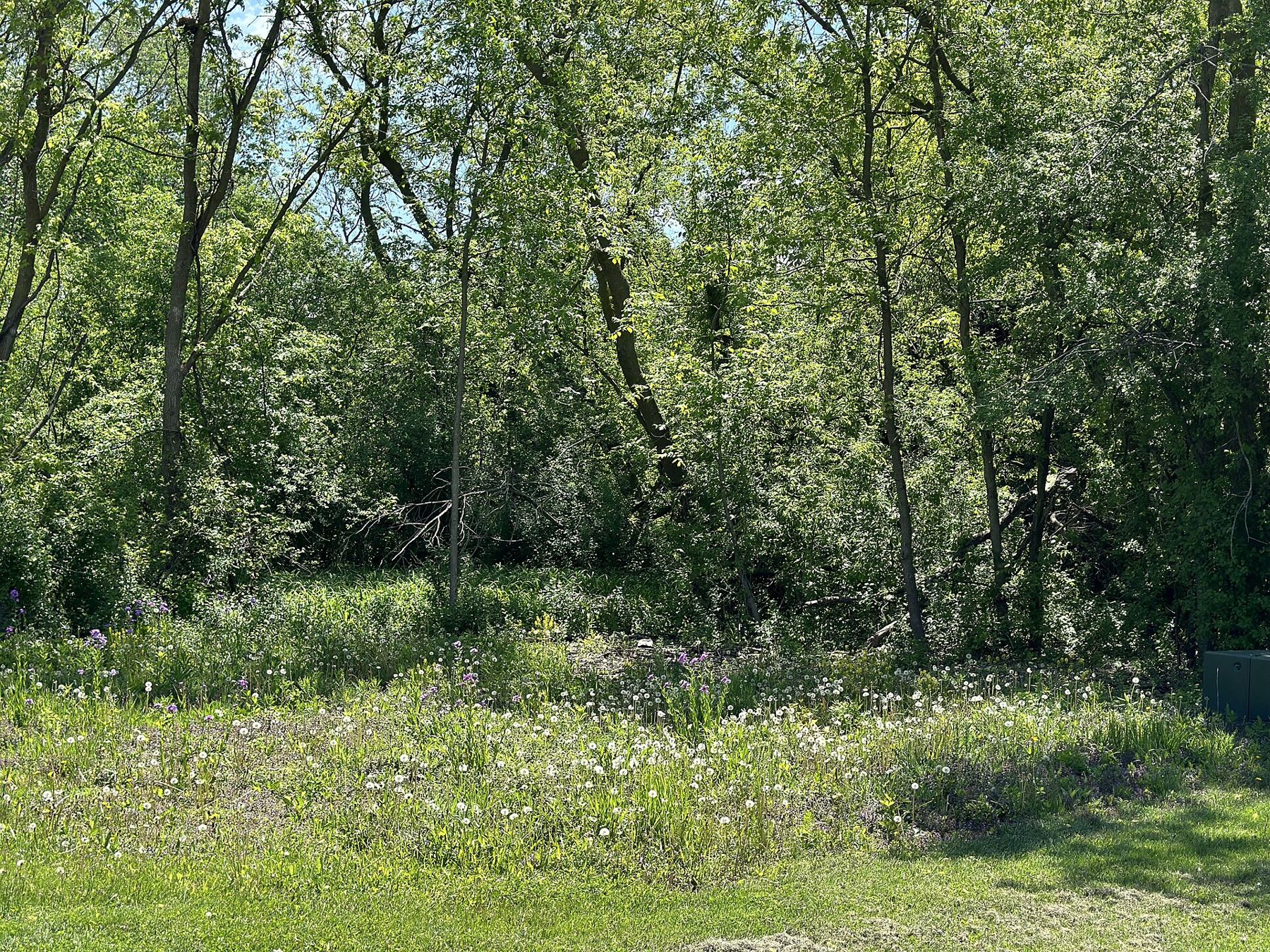
Time of day matters as much as the month. Most of the biting species are busiest at dusk and dawn, and in deep shade on humid afternoons. A breezy, sunny midday on an open ridge is often nearly bug-free, while the same trail in the kettle below can be thick with them at seven in the evening.
Not all mosquitoes are alike
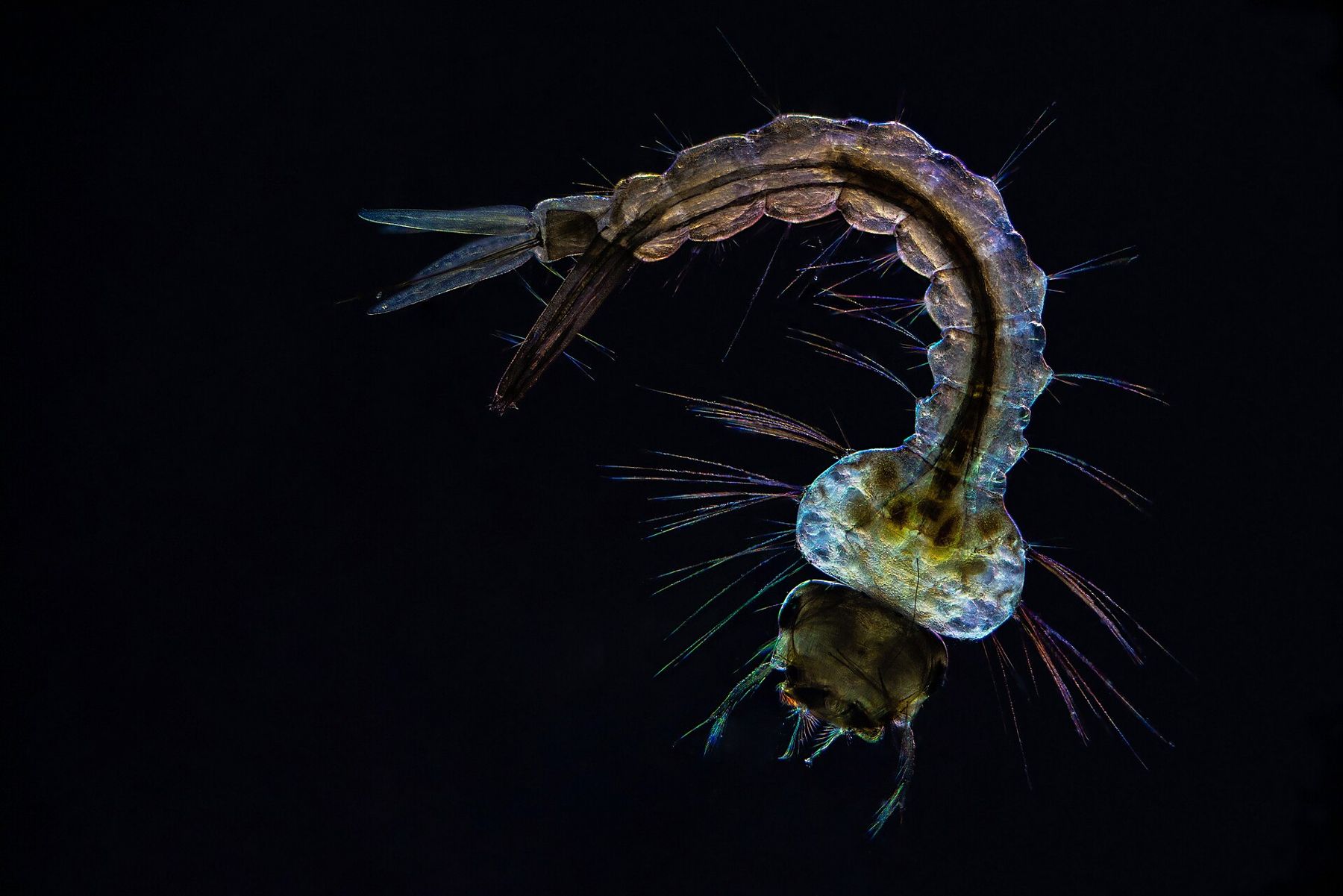
The first wave of the year comes from snowmelt and spring-rain pools in the woods. These early mosquitoes can bite through the day in shade, and they are why a May walk in a damp hardwood hollow can feel worse than the same walk in July.
Later in summer, more of the biting comes from species that breed in still, warm water: ditches, old tires, clogged gutters, buckets and the stagnant edges of ponds. These are more active in the evening and at night, and they are the group most often linked with West Nile virus. That is one reason to take evening bites more seriously in August than in June.
Choose your ground
Wind is your best friend. Ridges, prairie openings and lakeshores catch a breeze; low ground and dense woods do not.
- Better in summer: open ridge trails, prairie loops, the hilltop at Lapham Peak and paved or gravel rail-trails through farmland.
- Worse in summer: boardwalks and trails across marsh, creek bottoms, shaded kettles with standing water and the edges of cattail wetlands.
- Save for later: the big marsh walks, such as the Scuppernong trails, are at their best in September and October, when the bugs have faded and the grasses turn gold.
At camp, pick a site with some open sky and a chance of wind rather than the darkest corner of the loop. Our camping season page has more on choosing campgrounds and timing your trip.
Repellents that work
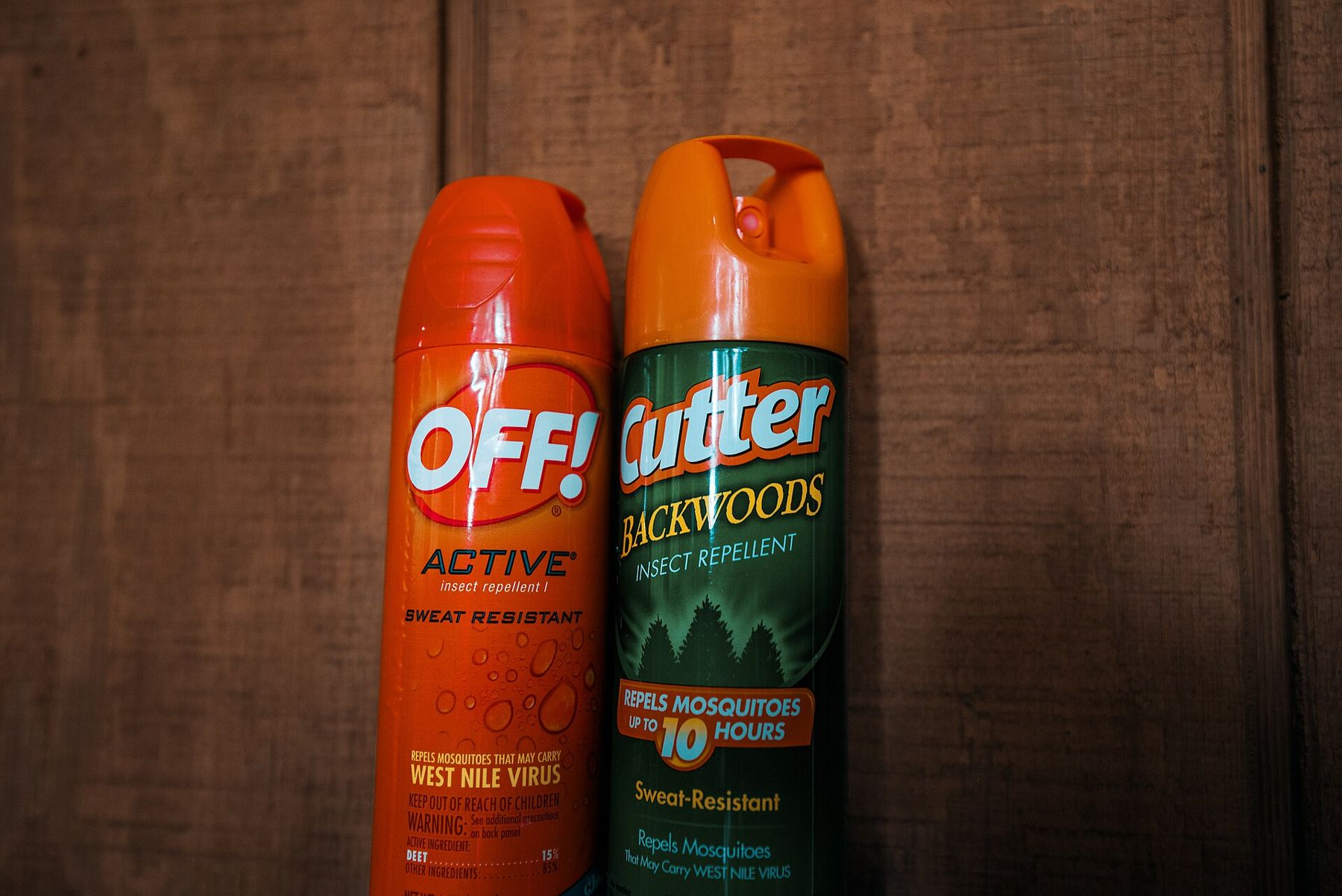
Use a repellent registered for use on skin, and follow the label. The common choices are:
- DEET, the longest-used option. Higher concentrations last longer rather than working better; a moderate strength is enough for most hikes.
- Picaridin, which works about as well, has little smell and does not damage plastics or synthetic fabrics.
- Oil of lemon eucalyptus, a plant-based option that works for shorter outings. Read the age limits on the label before using it on young children.
- Permethrin, which goes on clothing, shoes and gear, never on skin. Treated clothes repel mosquitoes and ticks through several washes.
Put sunscreen on first and repellent over it. Apply it to exposed skin only, not under clothes, and wash it off when you are done for the day. For children, adults should apply it with their hands rather than spraying a child's face.
Candles, coils and wristbands help only in a small, still area, if at all. A fan on the picnic table at camp can do more, because mosquitoes are weak fliers.
Health basics
Most mosquito bites are just itchy. Wash them, avoid scratching, and use an anti-itch cream or a cold cloth.
Mosquitoes in Wisconsin can carry West Nile virus and a few other illnesses. Most people who are infected have no symptoms or a mild illness, but a small number become seriously ill, and older adults are at greater risk. The infected mosquitoes are usually most common from mid- to late summer.
If you develop a fever, severe headache, stiff neck, confusion or unusual weakness in the weeks after being bitten, see a doctor and mention the bites. This page is general information, not medical advice; talk to a doctor about repellents for babies, pregnancy or anyone with a health condition.
Around the house and the campsite
Some mosquitoes breed in very small amounts of water. At a cabin or campsite, turn over buckets, empty tarps that hold rain, and change water in pet bowls daily. At home, clear gutters and refresh birdbaths once or twice a week.
Screens make the biggest difference. Check tent and screen-room zippers before the trip, and keep doors shut in the evening. Plan the swim for the afternoon and the campfire for after full dark, when the dusk hatch has eased and the smoke drifts across the site.
Before heading home, take a minute for a tick check as well; see our page on ticks and poison ivy. Then sit on the open shore of a lake at sunset, where the breeze off the water keeps the evening swarm in the trees behind you.