Cold water comes out of the ground here. Rain and snowmelt soak into the gravel of the moraine, travel underground and rise again in springs along the base of the hills north of Eagle. The water stays cold all year, and on the coldest winter mornings the open water steams. Where it collects, it feeds ponds, streams and the wide marshes of the Scuppernong. Walk here to see a different side of the Kettle Moraine: not the dry ridges, but the wet ground at their feet.
A walk through the springs and marshes
- Paradise Springs Start at the Paradise Springs trailhead in the Southern Unit, north of Eagle. A short paved loop circles a spring-fed pond with the ruins of buildings from the days when this was a private estate, including an old springhouse over the spring itself. The loop is about half a mile and takes twenty minutes at an easy pace.
- The springhouse Stop at the springhouse and look at the water. It comes up clear and cold out of the gravel, and it runs out of the pond as a small stream. In summer the air near the water is noticeably cooler than in the parking lot.
- The Ice Age Trail The yellow-blazed Ice Age Trail runs through the forest near Paradise Springs on its way between the Scuppernong trailhead and Eagle. Pick it up for a longer walk. The trail climbs out of the low ground onto the gravel ridges, and you can see how the springs sit at the base of the hills.
- The Scuppernong Springs trail North of Paradise Springs, the Scuppernong Springs Nature Trail follows boardwalks through the marsh past springs, old marl pits and building foundations. It is longer than the Paradise Springs loop and wetter underfoot, but still flat and easy.
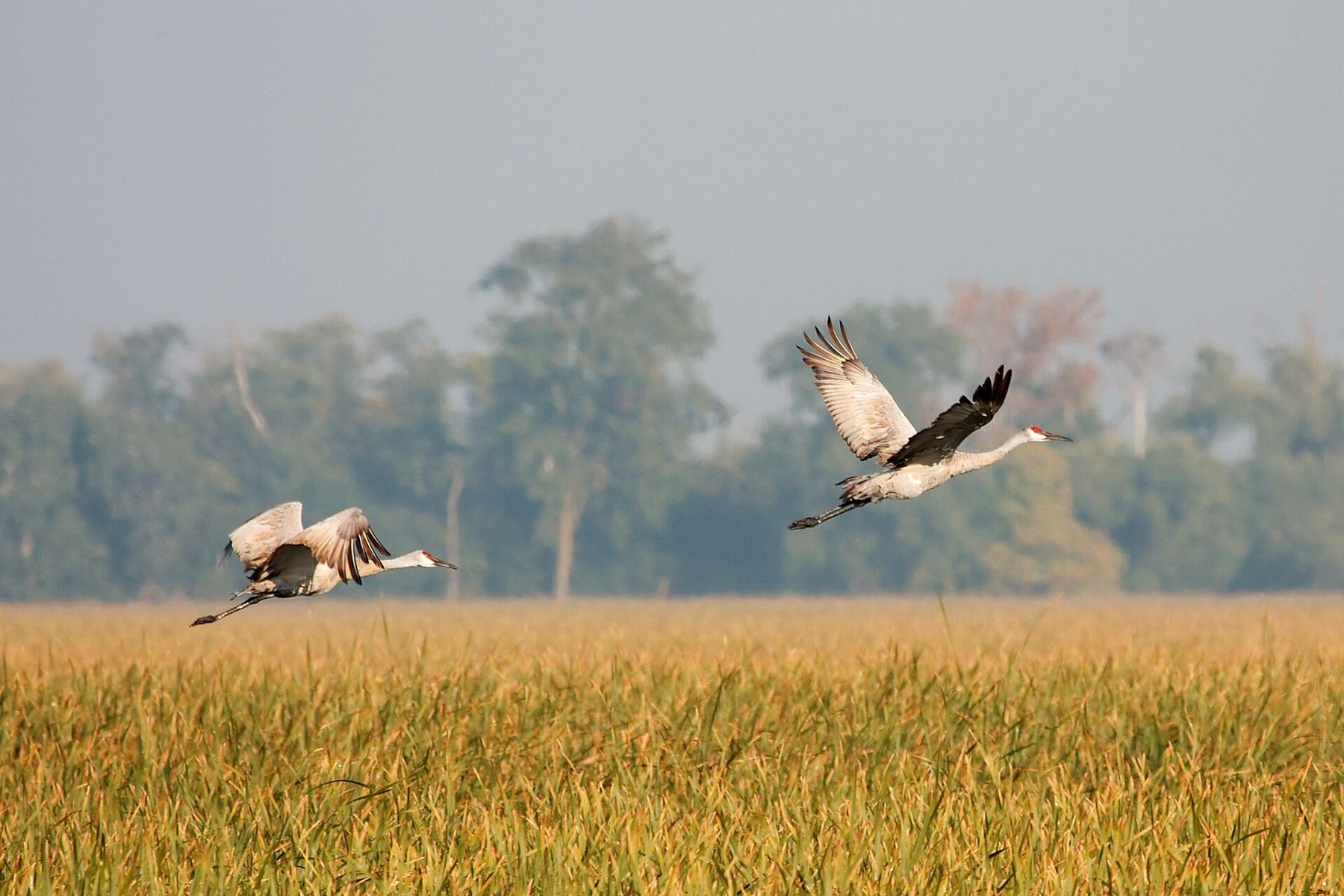
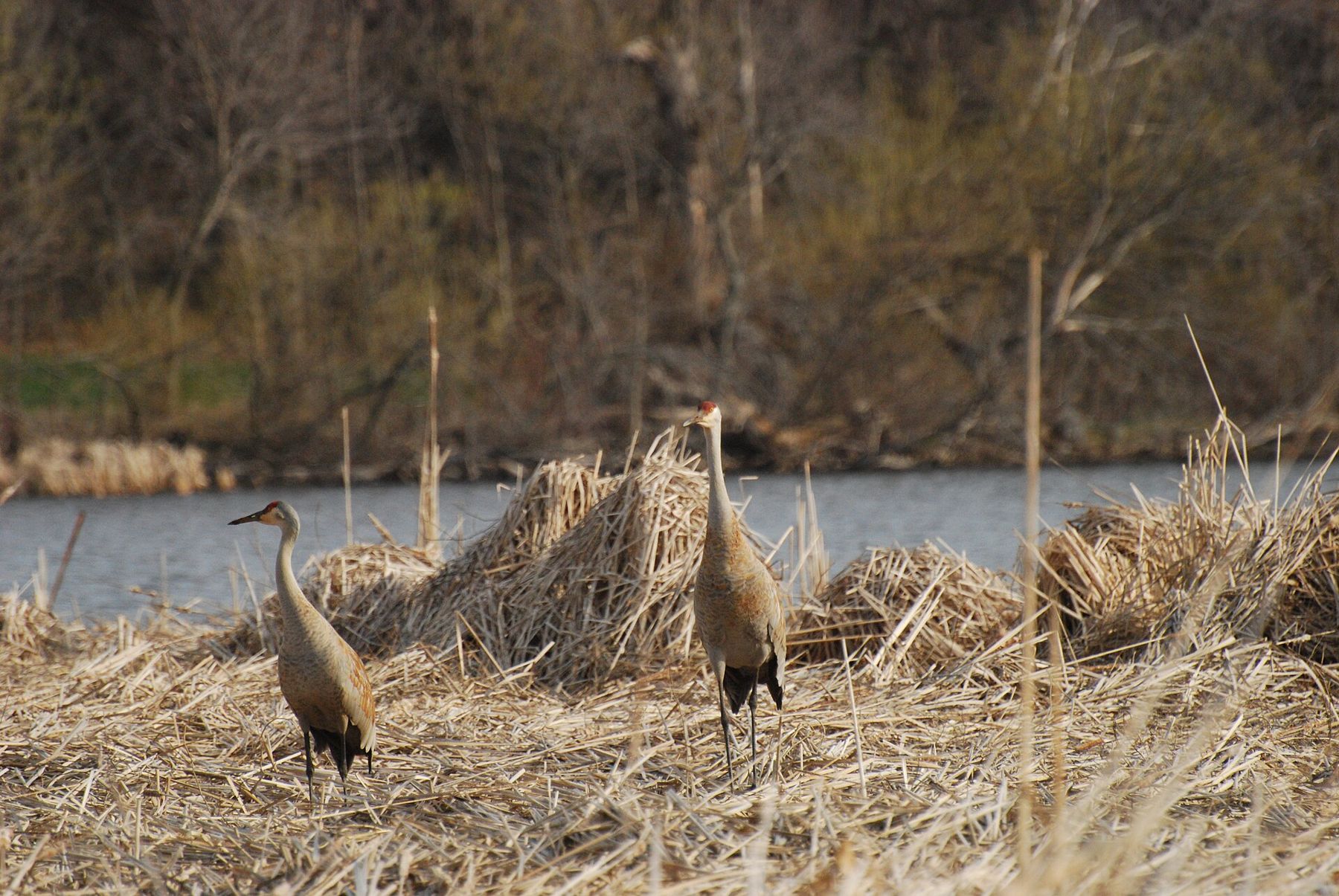
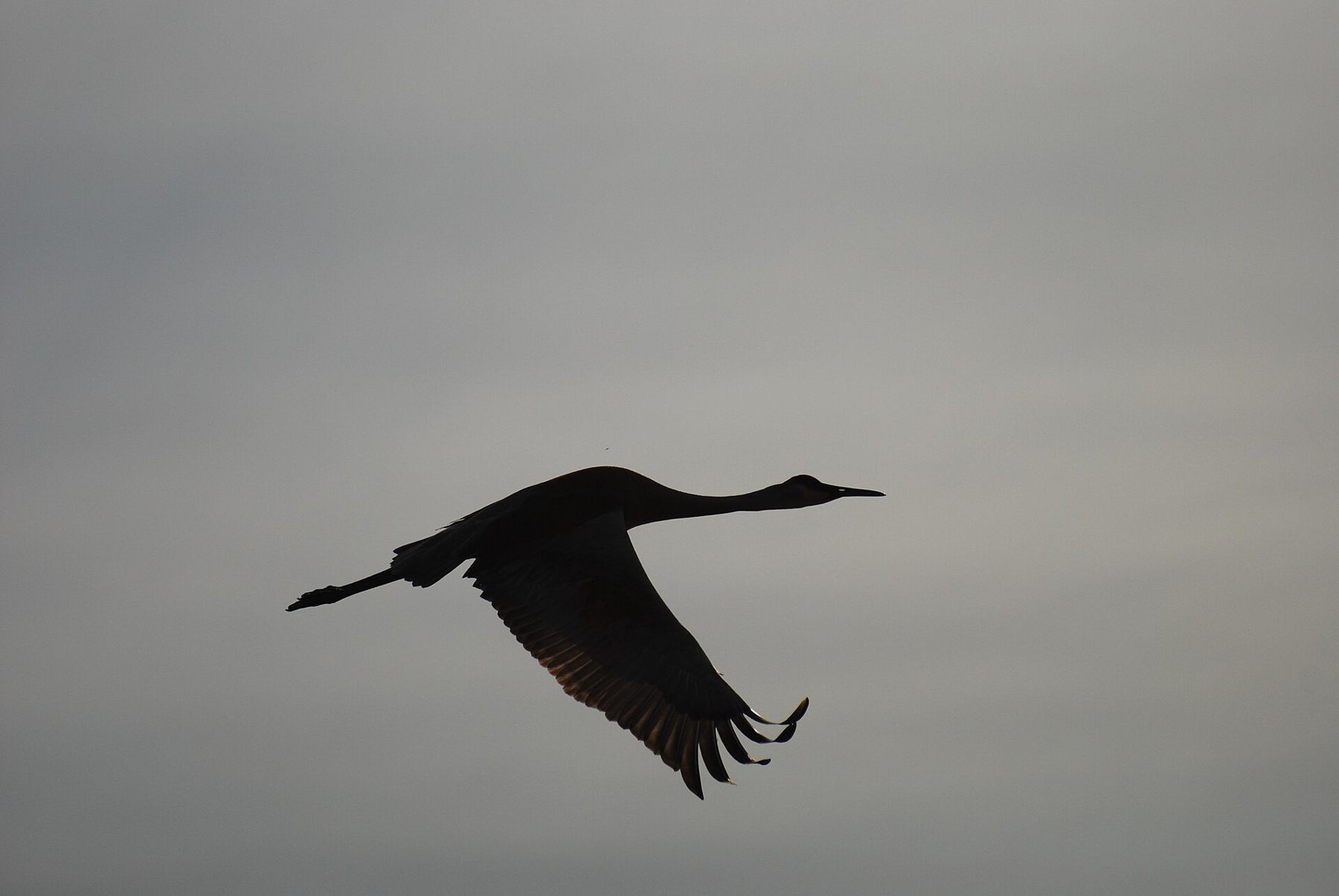
- The marsh edge End at the edge of the open marsh. Stand still and listen. In spring and fall, sandhill cranes call across the wet meadows; you will usually hear them before you see them. Herons hunt in the shallows, and in May the marsh fills with the songs of rails, wrens and blackbirds.
Why the water rises here
The ridges of the Kettle Moraine are made of sand and gravel left by the glaciers. Rain and snowmelt sink straight into that loose ground instead of running off. The water moves slowly downhill through the gravel and comes out where the hills meet the lower, wetter ground, in springs and seeps along the base of the slope. It is cold because it has spent a long time underground, at a steady temperature.
That steady flow of cold, clean water shaped how people used this low ground. Spring-fed ponds were used for fish and ice, and the lime-rich mud called marl, which builds up in spring-fed basins, was dug from the marshes and used to sweeten farm soil. Look for the straight edges of old pits and ditches in the marsh: they are signs of that work.
The cranes
Sandhill cranes are tall grey birds with long legs, long necks and a patch of red on the forehead. Pairs nest in the marshes in spring and raise one or two chicks over the summer. In fall they gather in larger flocks before migrating south. Their call is a loud, rolling rattle that carries a long way over open ground.
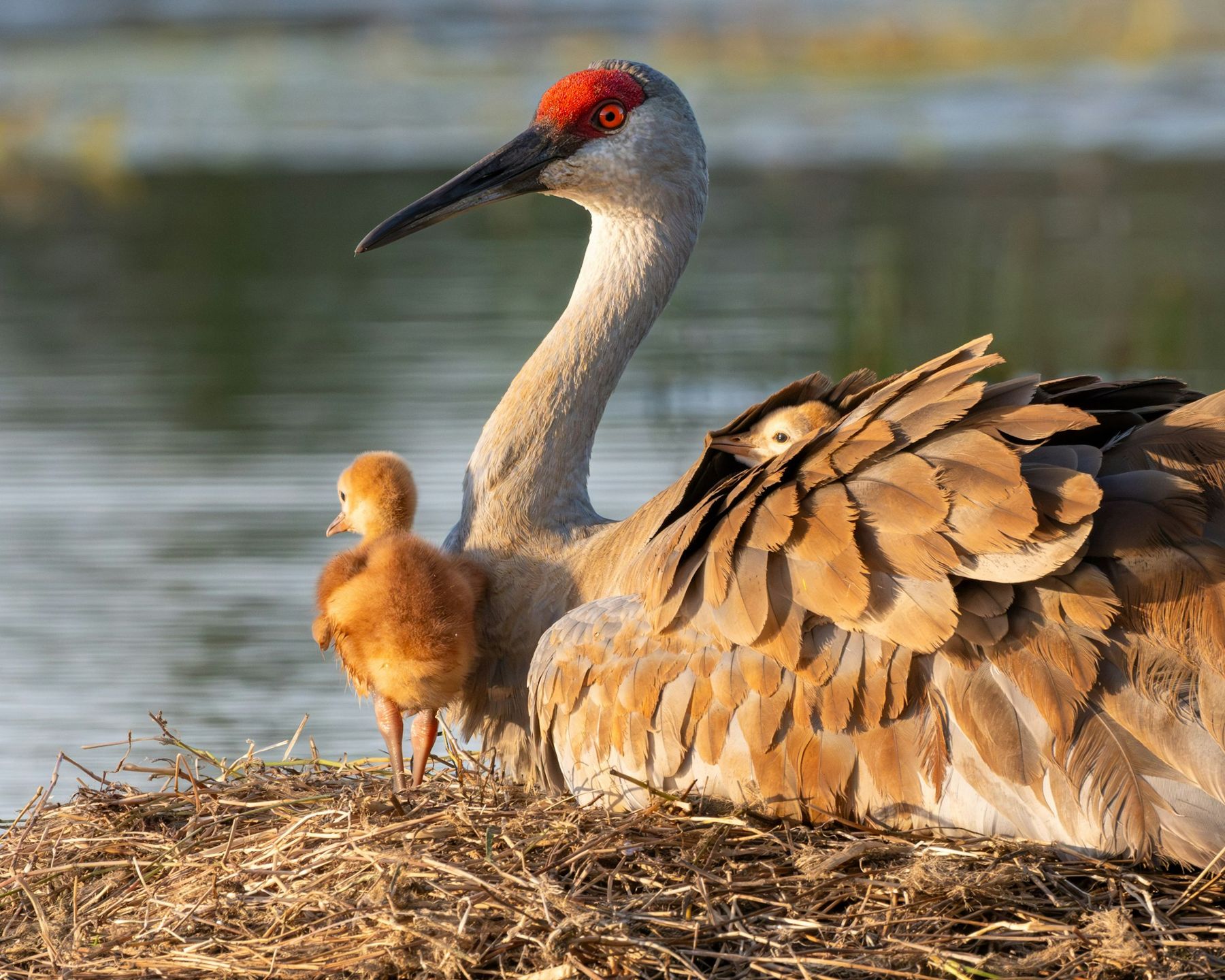
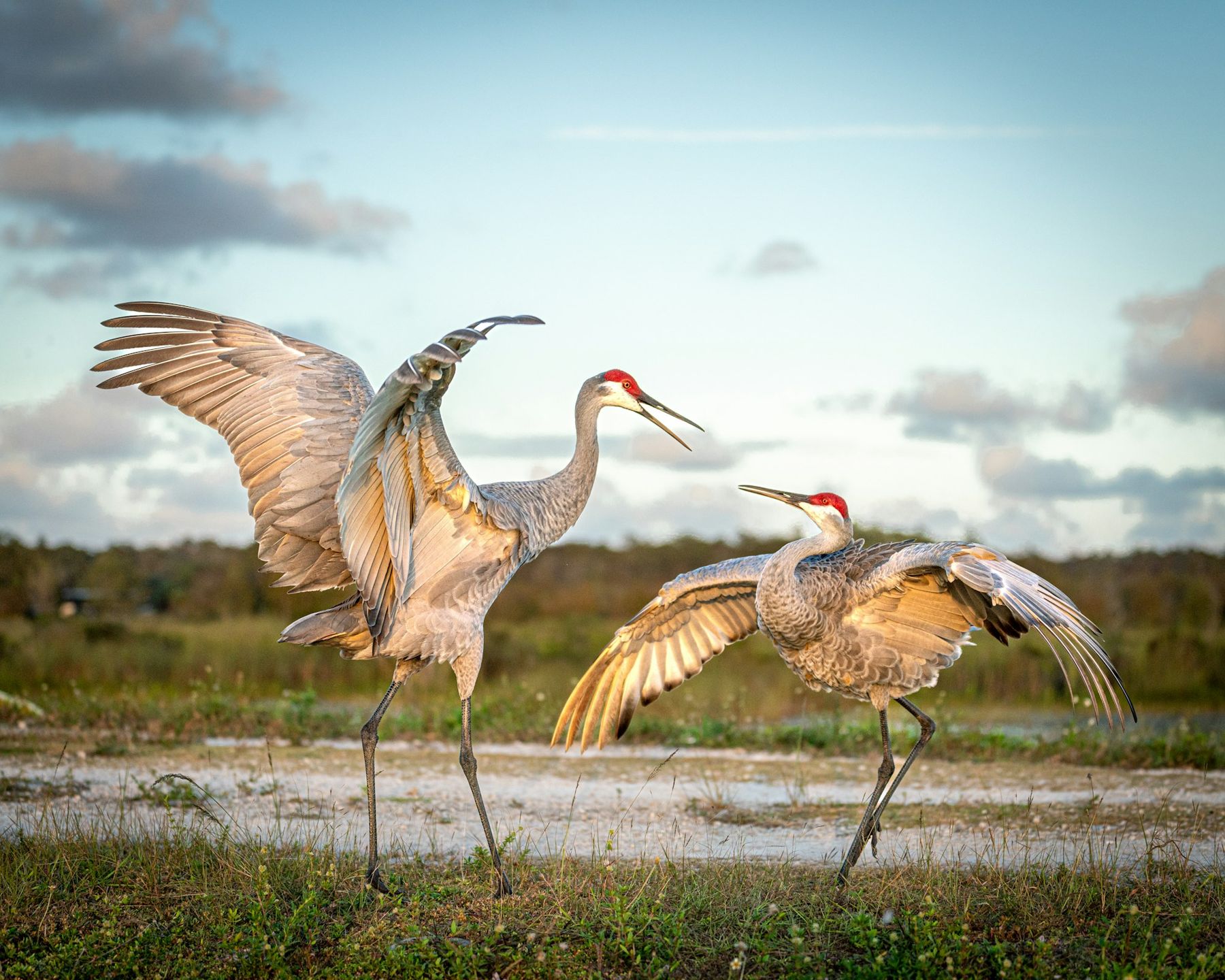
Watch them from a distance. Cranes are wary, and nesting pairs will leave the nest if you get too close. Binoculars let you see the detail without disturbing them. Our page on bird hikes in spring has more on where to go and what to listen for.
Planning the walk
The Paradise Springs loop takes twenty minutes. The Scuppernong Springs trail takes about an hour with stops. Add the Ice Age Trail and you can make a half-day of it, but you will need to drive between some of the trailheads. A forest vehicle admission sticker is required at most trailheads; check current rates before you go.
Bring binoculars, water and insect repellent from late spring to late summer. The paved loop at Paradise Springs suits strollers, wheelchairs and anyone who wants a level walk. The boardwalks on the Scuppernong Springs trail can be slick when wet or frosty, so walk them carefully in spring and fall. Our page on fall bird migration covers the autumn flocks.
When to go
April and May are the best months for birds: cranes nesting, waterfowl passing through and warblers in the trees along the trails. October brings fall colour on the ridges above the springs and crane flocks gathering in the fields. Summer is green and lush, but the mosquitoes can be heavy in the low ground; read our page on mosquito season before a July walk. In winter, the springs keep some water open, and the steam rising off the pond on a cold morning is worth the drive.
Underfoot
The Paradise Springs loop is paved and level. The Scuppernong Springs trail has boardwalks and packed paths, some wet after rain. The Ice Age Trail is packed soil and gravel, with short steep climbs. Wear waterproof shoes in spring.
In winter
The springs keep water flowing all winter, and the open water draws birds when everything else is frozen. On a still, cold morning, mist rises off the pond and the springhouse stands out dark against the snow. The paved loop is not always cleared, so wear boots with grip. Bring a thermos and walk slowly; winter is the quietest season here, and the tracks of deer, foxes and mink in the snow along the stream tell you who has been by.
See our page on Eagle for the village itself and our guide to the Ice Age Trail through the Southern Kettle Moraine for the longer walk south. Before you leave Paradise Springs, kneel at the edge of the pond and put a hand in the water. Even in August, it is cold enough to make you pull your hand back.