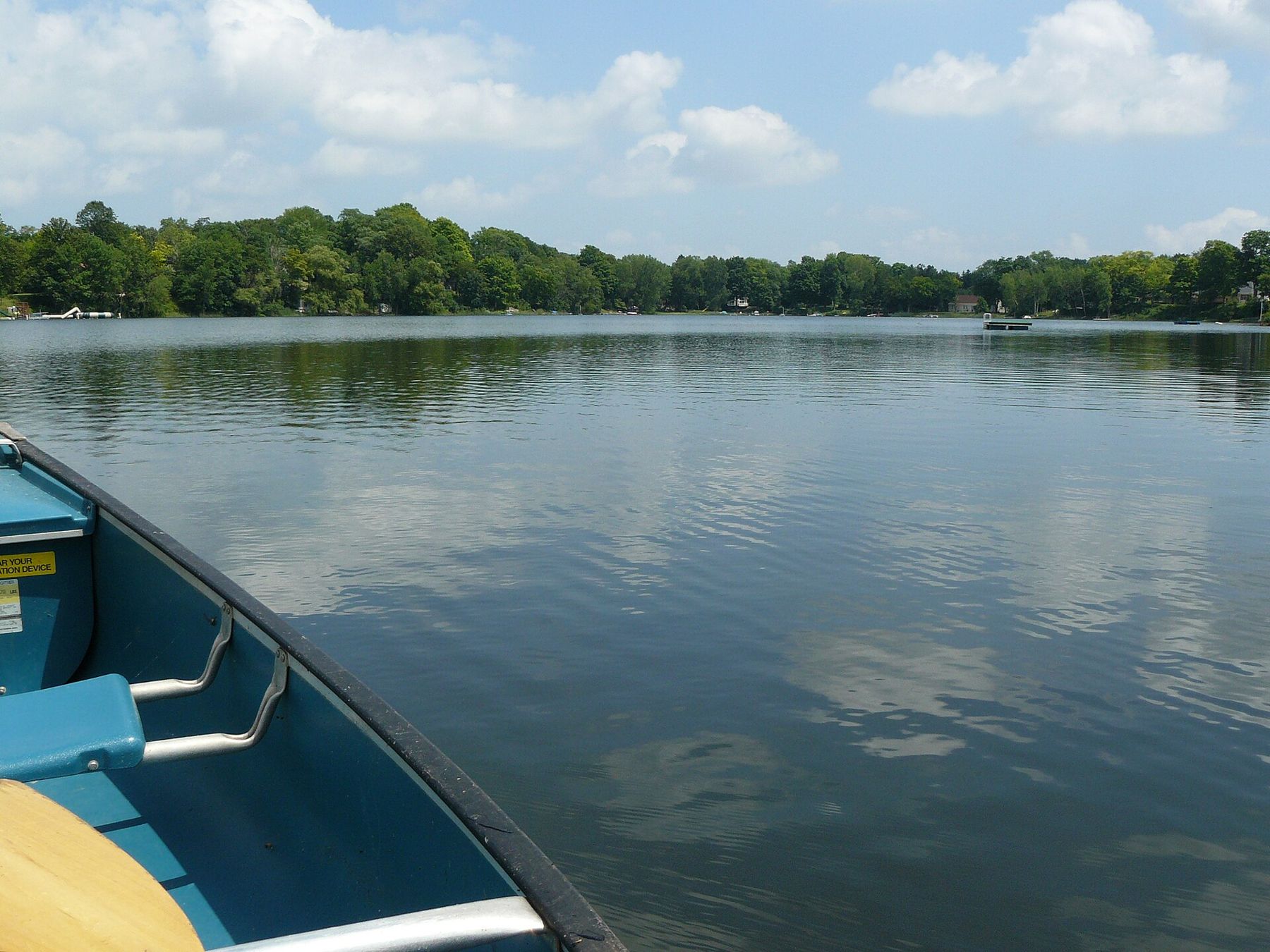
Ottawa Lake sits in a low fold of glacial ground about halfway between Dousman and Eagle, ringed by oak woods and wet meadows. It is a small lake, easy to paddle across in a few minutes, and that is its whole appeal: no wakes, no jet skis, no roar of outboards on a July afternoon. The state forest built a campground, a picnic area and a sand beach around its shore, and on a summer evening the loudest thing you hear is a screen door on a camper.
The recreation area is part of the Southern Unit of the Kettle Moraine State Forest, so the same rules, passes and reservation system apply here as at the forest's other campgrounds. Treat it as a base: swim and paddle here, then drive ten minutes to the trails at Scuppernong, Paradise Valley or Lapham Peak.
The campground
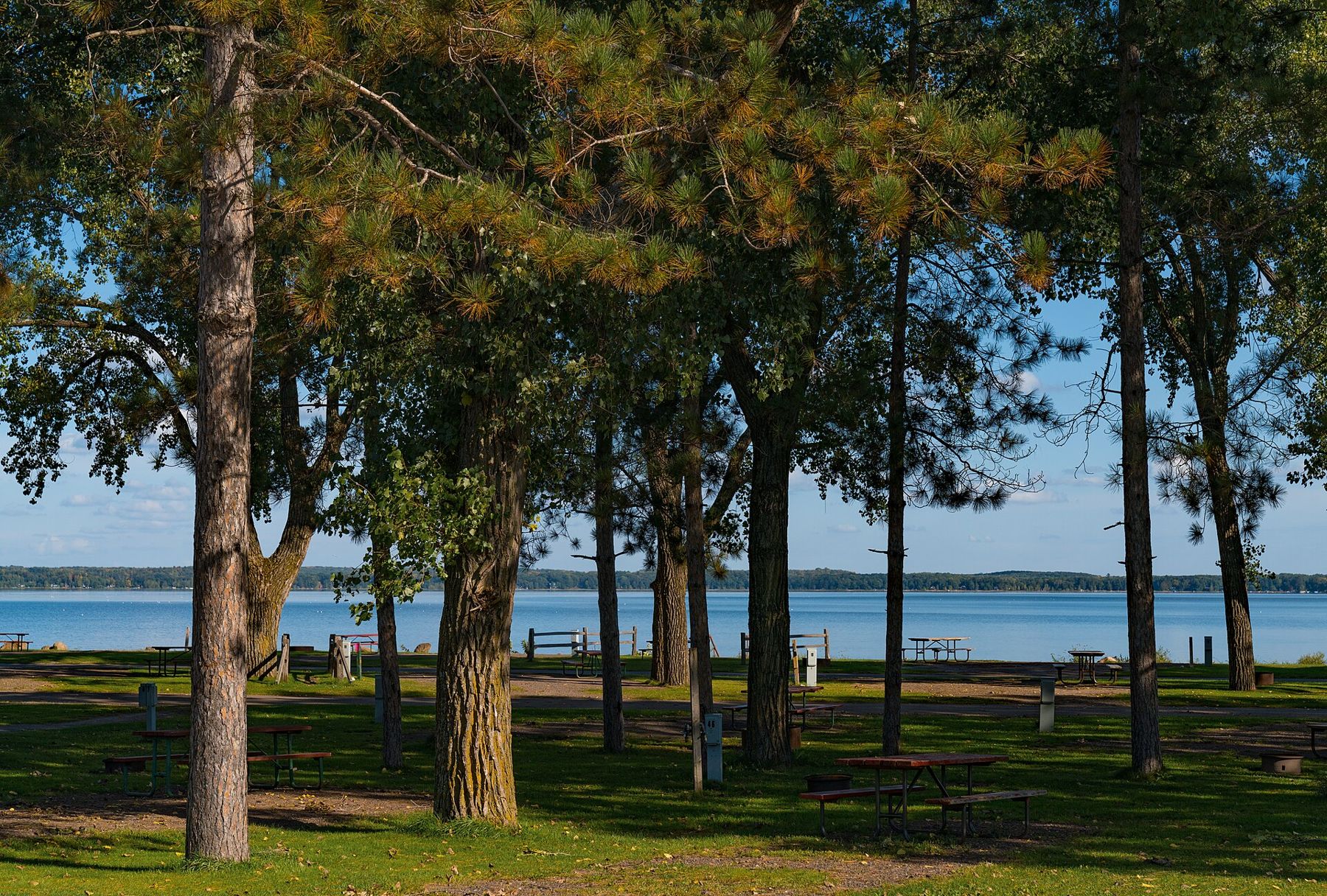
The campground spreads over wooded loops on the higher ground above the lake. Some sites have electric hookups and some do not; a few back up against the trees for shade, others are open and sunny. There are flush toilets, showers in season and drinking water. Pick a site away from the main road through the loops if you want quiet after dark.
Reserve through the state park reservation system, which opens bookings months in advance. Summer weekends sell out early, especially the Fourth of July and Labor Day. If you are flexible, aim for a Sunday to Thursday stay in June or September: the lake is calmer, the mosquitoes are fewer in September, and the beach is often nearly empty.
Quiet hours are enforced. Firewood rules are strict across Wisconsin state lands because of invasive insects in the wood, so buy firewood locally or from an approved seller rather than bringing it from home. Check the current firewood rules before you load the car.
The beach and the water
The swimming beach is a short strip of sand with a marked swimming area. It is unguarded, so watch children closely and keep them inside the buoys. The bottom shelves gently near shore and drops off farther out; the water warms quickly in summer because the lake is small and fairly shallow in places.
Like most Kettle Moraine lakes, Ottawa can carry weeds along the edges by late summer, and after long hot spells any Wisconsin lake can develop algae blooms. If the water looks like pea soup or has a scum on top, stay out and keep dogs out. Read our page on lake safety and algae before a trip in August.
Bring water shoes if you dislike a soft bottom: the sand gives way to muck and weeds a short distance out, as it does on most small glacial lakes. Swim in the morning on summer weekends, before the beach fills and the water clouds with feet.
Dogs are not allowed on the swimming beach. Pets are allowed in much of the rest of the recreation area on a short leash; follow the posted signs.
Paddling
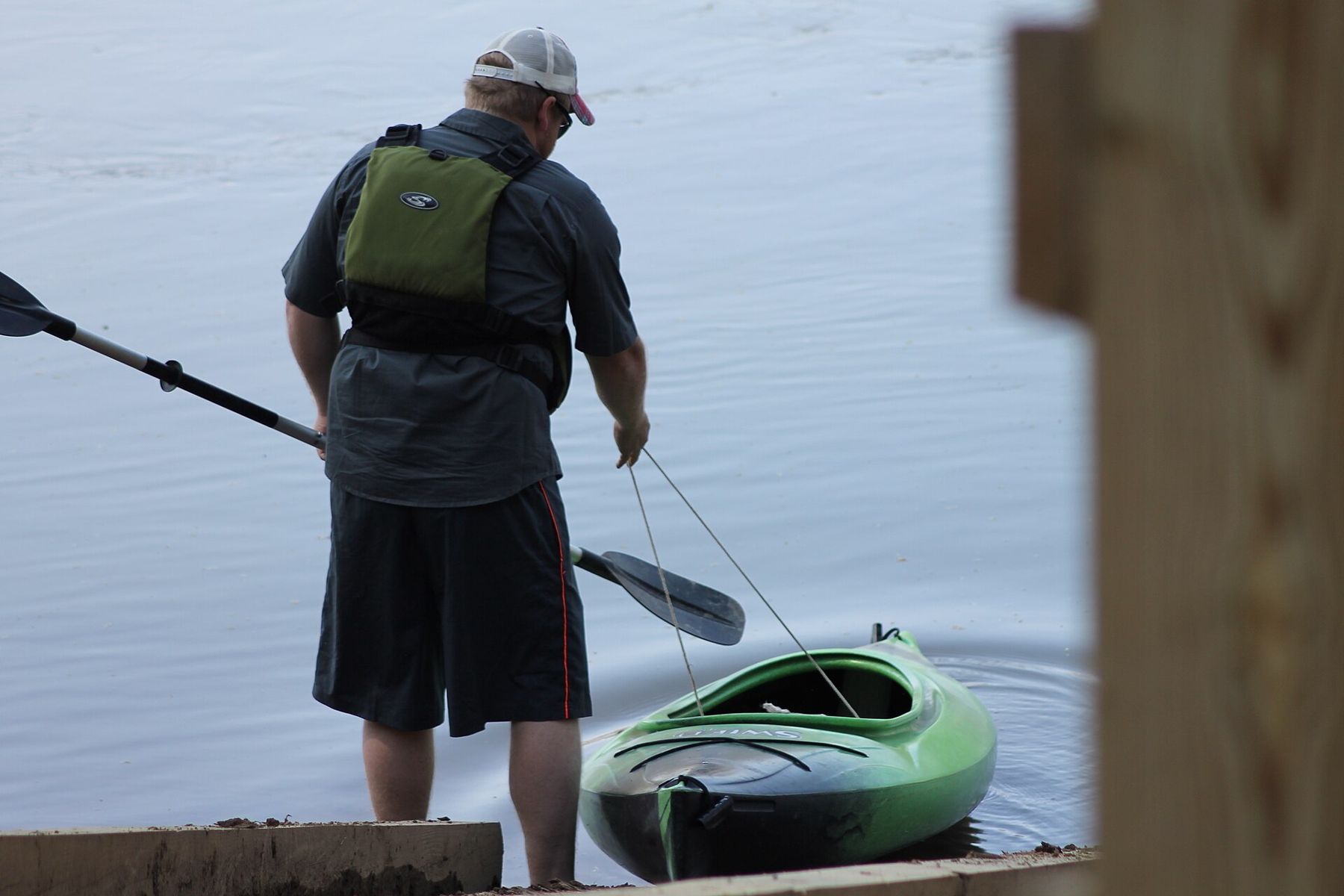
Because gas motors are off the lake, Ottawa is one of the best places in the forest to put a kayak, canoe or paddleboard in the water with small children. Launch from the boat landing, follow the shoreline and look for turtles on logs, herons in the shallows and the occasional osprey overhead. A full lap of the shore takes well under an hour at an easy pace.
Wear a life jacket even here. A small lake still has cold water in May and early June, and a capsize thirty yards out is a long swim in jeans. If you do not own a boat, our page on kayak rentals and launches lists the outfitters that serve the area; check whether any rental is offered at the lake itself in your season.
Fishing
Ottawa Lake holds largemouth bass, northern pike and panfish such as bluegill and crappie, which is about what you would expect from a small, weedy glacial lake. Fish the weed edges in the morning and evening. A small boat or float tube gives you far more water than the shore does, though the landing and the picnic area offer some room to cast.
Anyone sixteen or older needs a Wisconsin fishing licence, and size and bag limits differ from lake to lake. Check the current regulations for Waukesha County waters before you keep anything, and see our page on fishing licences for how to buy one.
In winter the lake freezes, and anglers walk out for panfish once the ice is safe. Ice on a small lake fed by springs can be uneven. Never go out on ice you have not checked yourself, and stay off it entirely in early December and in March.
How to arrive
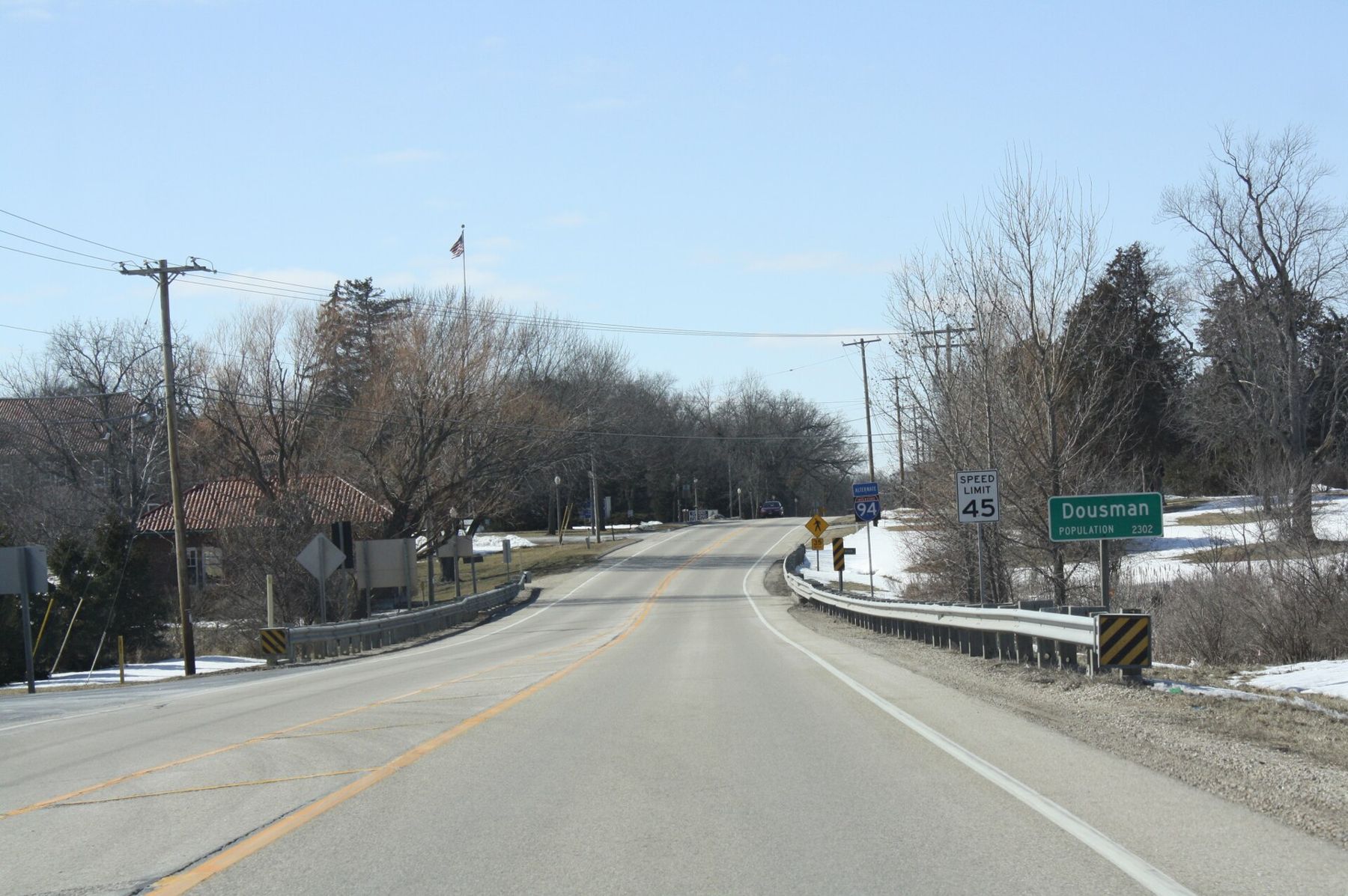
From Dousman, head south on Highway 67 and follow the brown state forest signs to the Ottawa Lake Recreation Area; from Eagle, take Highway 67 north. The entrance is well signed. From Milwaukee, take Interstate 94 west to the Highway 67 exit near Oconomowoc and Summit, then drive south through Dousman. Allow about forty-five minutes from downtown Milwaukee in good traffic.
Stop at the entrance station to show or buy a vehicle admission sticker; our page on state park admission explains the annual and daily options. Then follow the road to the beach lot, the boat landing or the campground loops. The lots fill on hot weekends by late morning, so come early or come after four.
If you are coming for the day rather than camping, park at the picnic area. Tables, grills and shade sit close to the water, and the walk to the beach is short. Shelters can sometimes be reserved for groups; check the current rules if you plan a family gathering.
Dousman itself is the nearest place for groceries, gas and a sandwich. Eagle, to the south, has a few more choices and sits at the heart of the Southern Unit. Neither is more than ten minutes away by car.
When to go
Late May and June bring warm afternoons, green woods and a busy campground on weekends. July and August are beach months; arrive early. September is the best month for paddling, with still mornings, mist on the water and the first red in the maples along the shore. In October the campground thins out and the oaks on the hills turn bronze.
Whatever the month, pack bug spray for evenings near the water, and a light jacket: a glacial hollow holds cool air after sunset even in summer. Put your boat in the water at first light at least once. The lake is glassy, the campground is asleep, and you will have the whole shoreline to yourself.