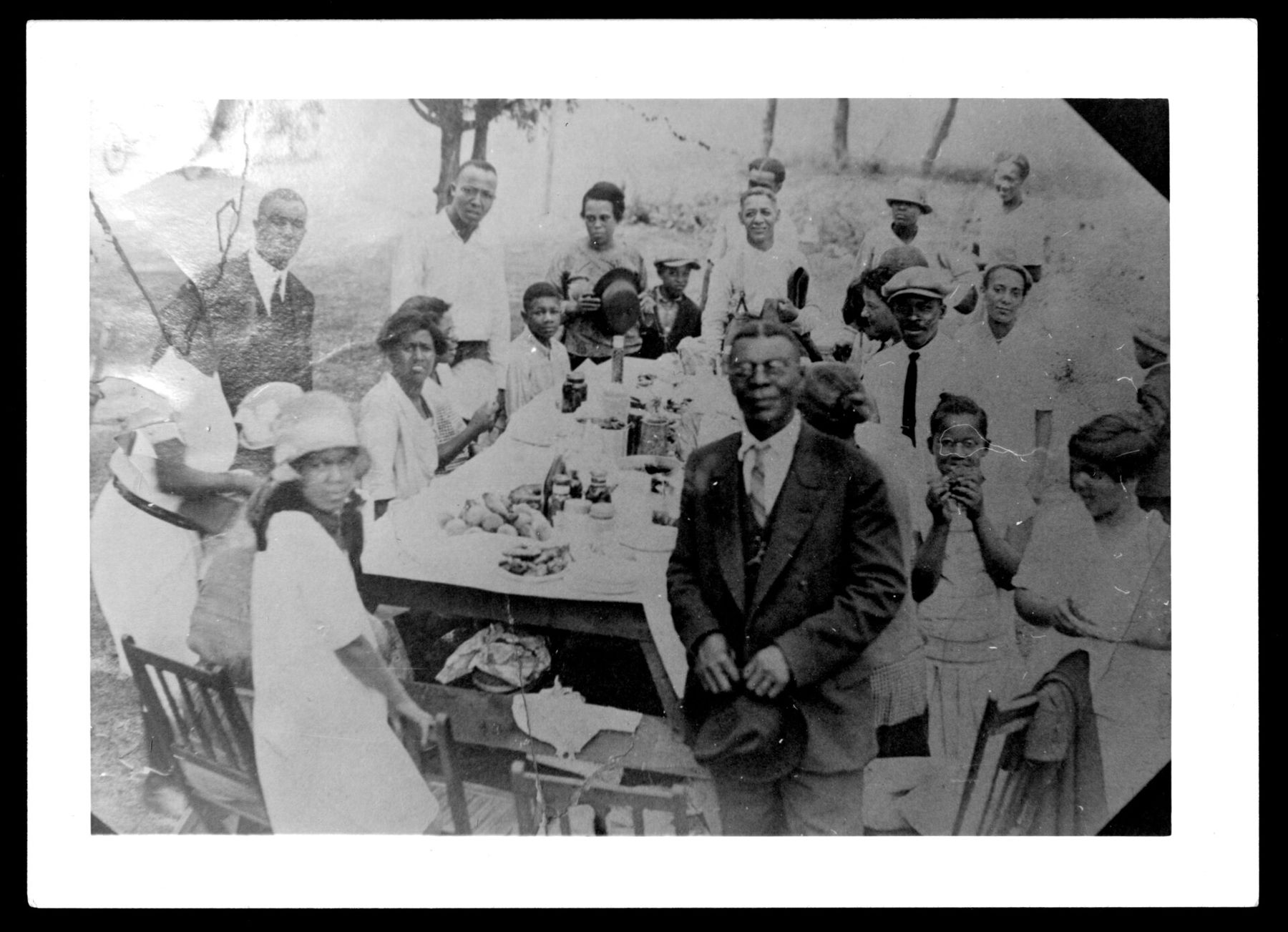
Somewhere in rural Wisconsin, on any given Saturday night in July, a pot the size of a washtub is sitting over a wood fire behind a church hall, and someone with a canoe paddle is stirring it. By Sunday noon there will be a line out the door for chicken, a polka band under a tent, and a raffle board covered in tickets. The parish picnic is one of the oldest public meals in the state, and it is still easy to find if you know when to look.
Where the picnic came from
Most of the rural parishes of southern and eastern Wisconsin were founded by immigrant farm families in the nineteenth century: German Catholics and Lutherans, Irish, Poles, Czechs, Belgians, Dutch and Luxembourgers. Their churches were built and kept up with small sums raised a few dollars at a time, and the summer picnic became the big fundraiser of the year.
The format settled early and has changed surprisingly little. Families donated the food and the labor. The women of the parish cooked; the men ran the grills, the beer stand and the games. Neighbors from other parishes came, and so did the farmers from the next township, because a picnic was one of the few days off in a long working summer. A good picnic paid for a new roof or a school year's coal.
The chicken dinner
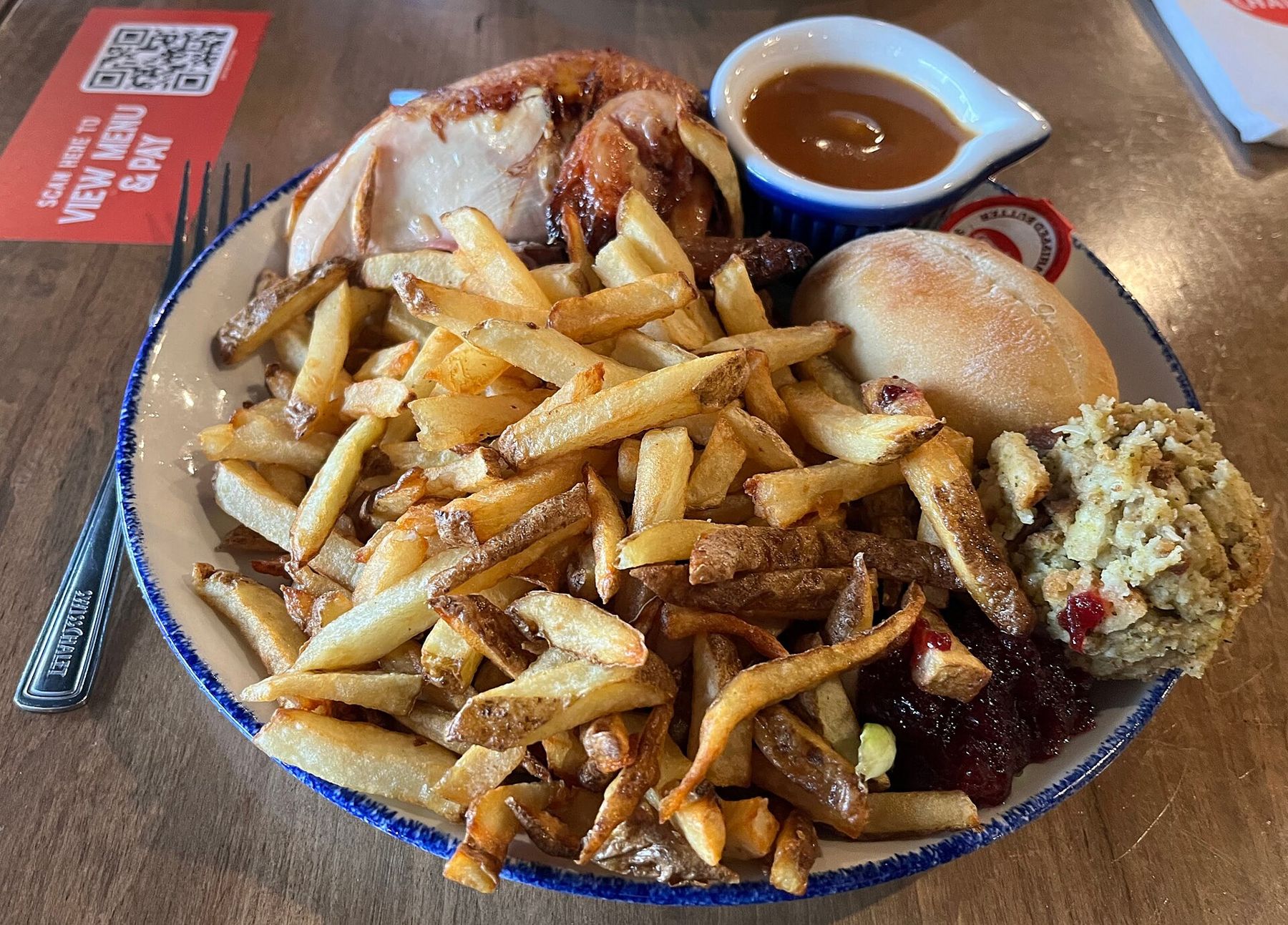
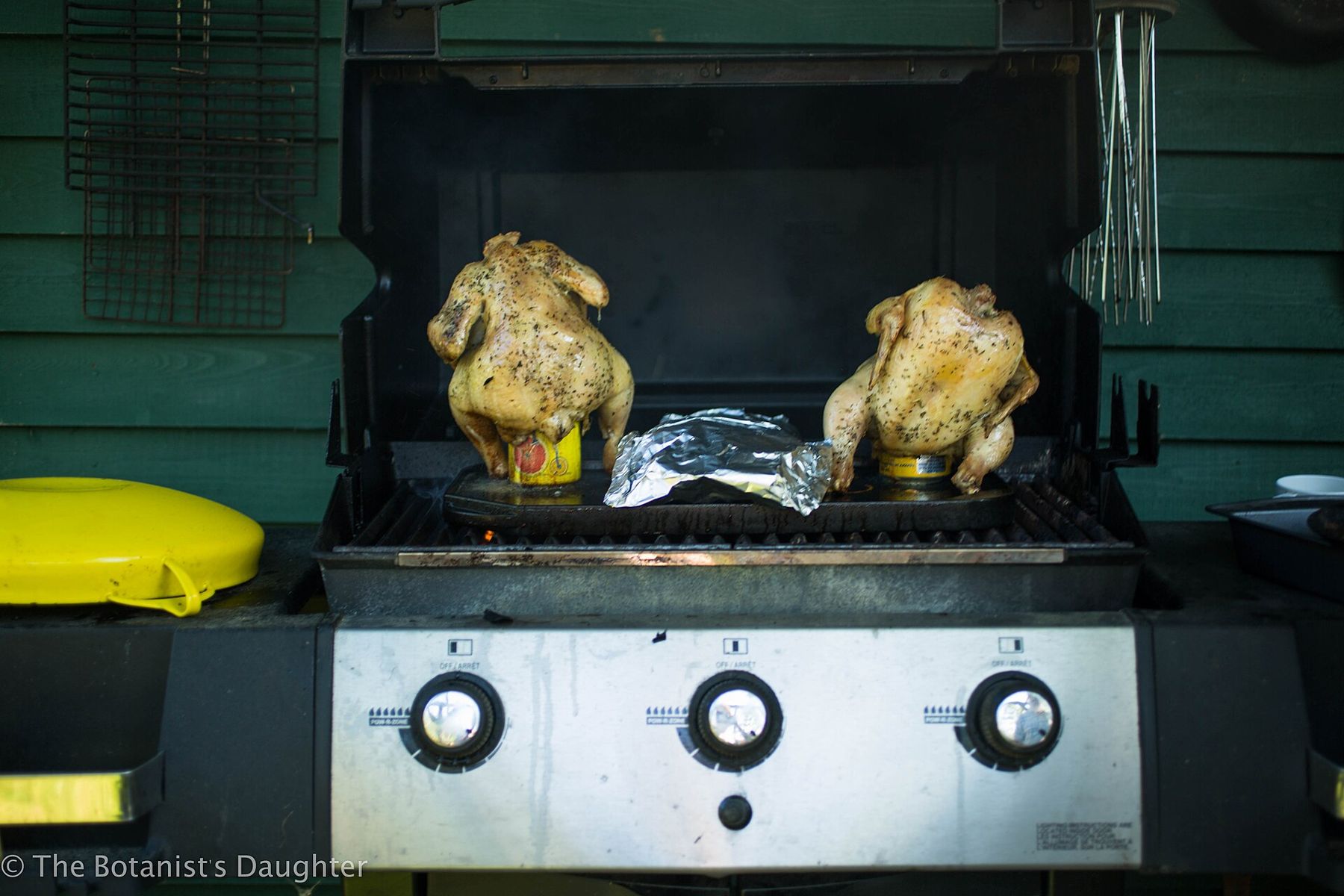
At the center of most picnics is a dinner, and in much of the state that means chicken. Some parishes fry it; others roast or bake it in big pans or turn it on long open-fire spits and grills. It comes with mashed potatoes and gravy, a scoop of coleslaw or cabbage salad, a roll and butter, and usually a slice of pie or cake donated by a parish family.
The dinner is often served family-style in the church hall or the school gym, with long tables, paper covers and pitchers of water or coffee. Volunteers carry the bowls out and refill them. It is not fast, and it is not meant to be. You sit next to strangers, pass the potatoes, and leave full.
Some parishes have dropped the sit-down meal in favor of carry-out, which is quicker for volunteers who are fewer and older than they used to be. Others have kept it and are known across the county for it. The only way to learn which is which is to go.
Booyah, from the northeast
Head north toward Green Bay and the picnic menu changes. There the signature dish is booyah, a thick stew cooked in enormous kettles. A typical batch has chicken, often beef as well, and a great deal of vegetables: onions, celery, carrots, cabbage, potatoes, tomatoes, peas and beans, cooked down for hours until the meat falls apart and everything thickens.
Booyah is most closely tied to the Belgian and other settlers of Brown, Kewaunee and Door counties, and to the church and fire-department fundraisers around Green Bay. The origin of the word is uncertain. The usual explanation is that it comes from a French or Walloon word for broth, a version of bouillon, but no one can say for sure. Spellings vary from parish to parish.
The method matters as much as the recipe. Crews often start the night before, building fires under cast-iron or steel kettles that can hold many gallons, and they take turns stirring with long paddles through the night so nothing catches on the bottom. By morning the stew is ready to ladle out by the bowl or the quart. Booyah is a social event as much as a dish, and the cooks guard their own versions.
The old kettle crews worked from memory rather than written recipes, and the quantities were enormous: whole cases of vegetables, dozens of chickens, and stock bones from a local butcher. Volunteers spent the afternoon before peeling and chopping at long tables in the hall. Families still argue about whether booyah should include rutabaga, lemon, or a handful of crushed crackers stirred in at the end to thicken it.
You can make a small version at home in a large stockpot. Simmer a whole chicken and a piece of beef chuck in salted water for a couple of hours, lift out the meat, shred it, and return it to the broth with chopped onion, celery, carrots, cabbage, potatoes, canned tomatoes and peas. Simmer gently for another two or three hours, stirring often, until thick. It will taste better on the second day.
You will see booyah less often in the southeast, around the Kettle Moraine. When it appears here, it is usually at a fall event run by people with family roots in the northeast. If you see a sign for it, stop.
What a southeast Wisconsin picnic looks like now
Around Eagle, Mukwonago, East Troy, Waterford and Burlington, the parish picnic or summer festival tends to run a whole weekend. Expect most of the following:
- A food stand with brats, hamburgers, sweet corn, cream puffs or pie, and often a Friday fish fry if the festival starts that night.
- A chicken dinner on Sunday, either sit-down in the hall or boxed for carry-out.
- A beer tent, with a band in the evening. Polka is still common, and so are cover bands.
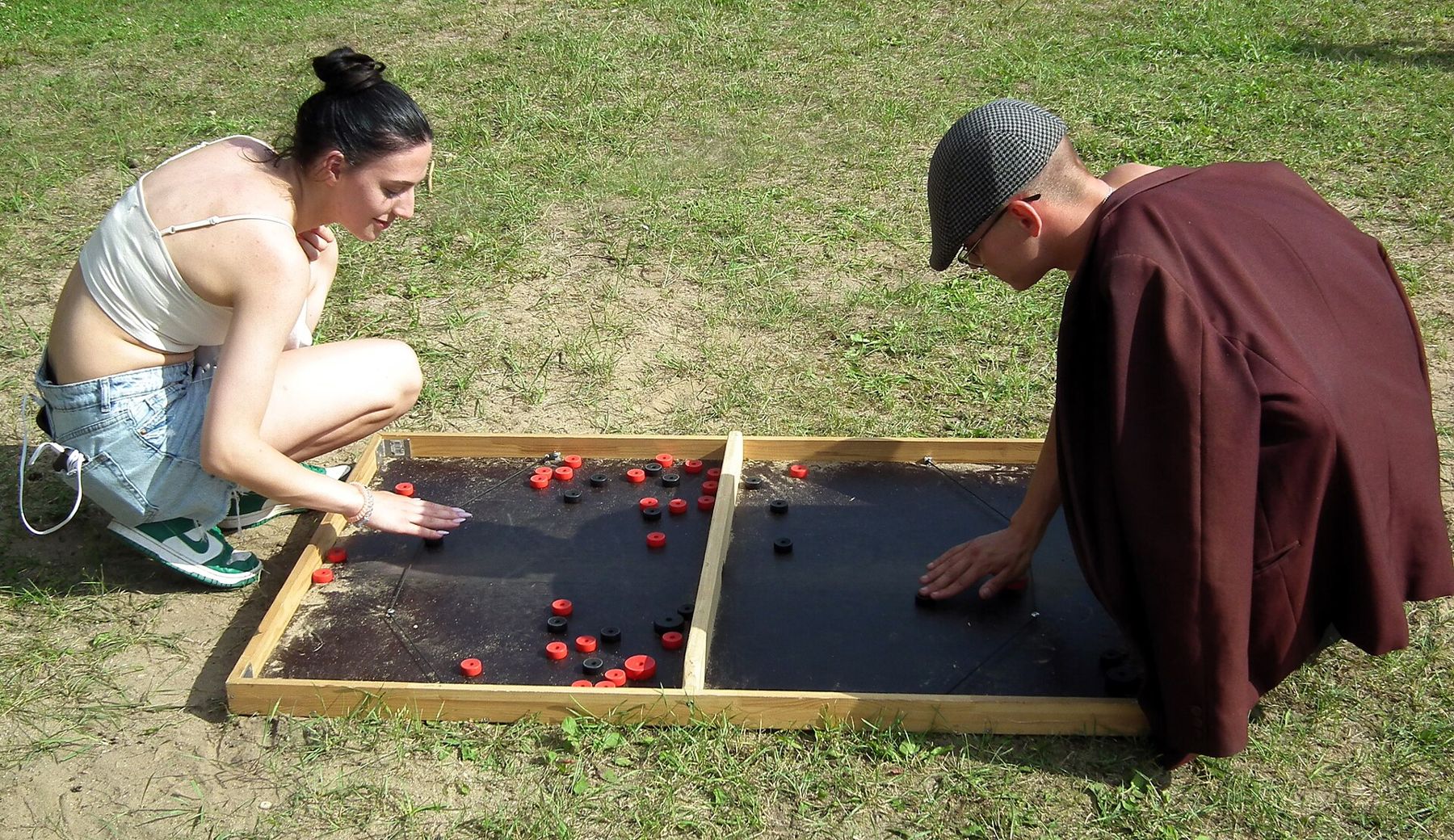
- Games for children, a bake sale, a used-book table, and sometimes a lawn game tournament such as bean bags.
- A raffle with a cash prize drawn on the last night. Wisconsin regulates raffles, so parishes buy a license and run the drawing to set rules.
The scale varies a great deal. A small country parish might feed a few hundred people in an afternoon. A large suburban church can run a festival with rides and several stages that draws thousands. Our page on summer festivals in Lake Country covers the bigger community events, and county fairs carry on the same food-stand traditions on a larger stage.
Why they still matter
A parish picnic is one of the few places where a whole rural community still eats together. Volunteers who have worked the same booth for thirty years teach the job to teenagers. The recipes are rarely written down; they are learned standing next to someone at a stove or a kettle.
That also makes the picnics fragile. As congregations merge and volunteers age, some long-running events shrink or end. Others have been revived by younger parishioners who did not want to lose them. When you go, you are part of what keeps them running, and the money goes where the sign says it goes.
How to find one today
Start in June and keep looking through August. Drive the county roads on a weekday and watch the lawns of country churches for hand-painted signs and banners giving the date. Check the community calendars of local newspapers and village websites, and look at the parish's own website or social media page, where dates usually appear by spring. Dates move from year to year, so check before you go.
When you get there, buy dinner tickets first, because the chicken often sells out by early afternoon. Bring cash in small bills. Sit where there is room. If there is booyah, buy a quart for later; it is better the next day. Give the cooks a word of thanks on your way out, then walk across the lot to the pie table, which is usually run by the person who knows the most about the parish and is happy to tell you.
On a fall drive north toward Green Bay, keep an eye out for a column of wood smoke behind a fire hall or a church on a Saturday night. That is usually a booyah crew, and the stew will be ready in the morning.