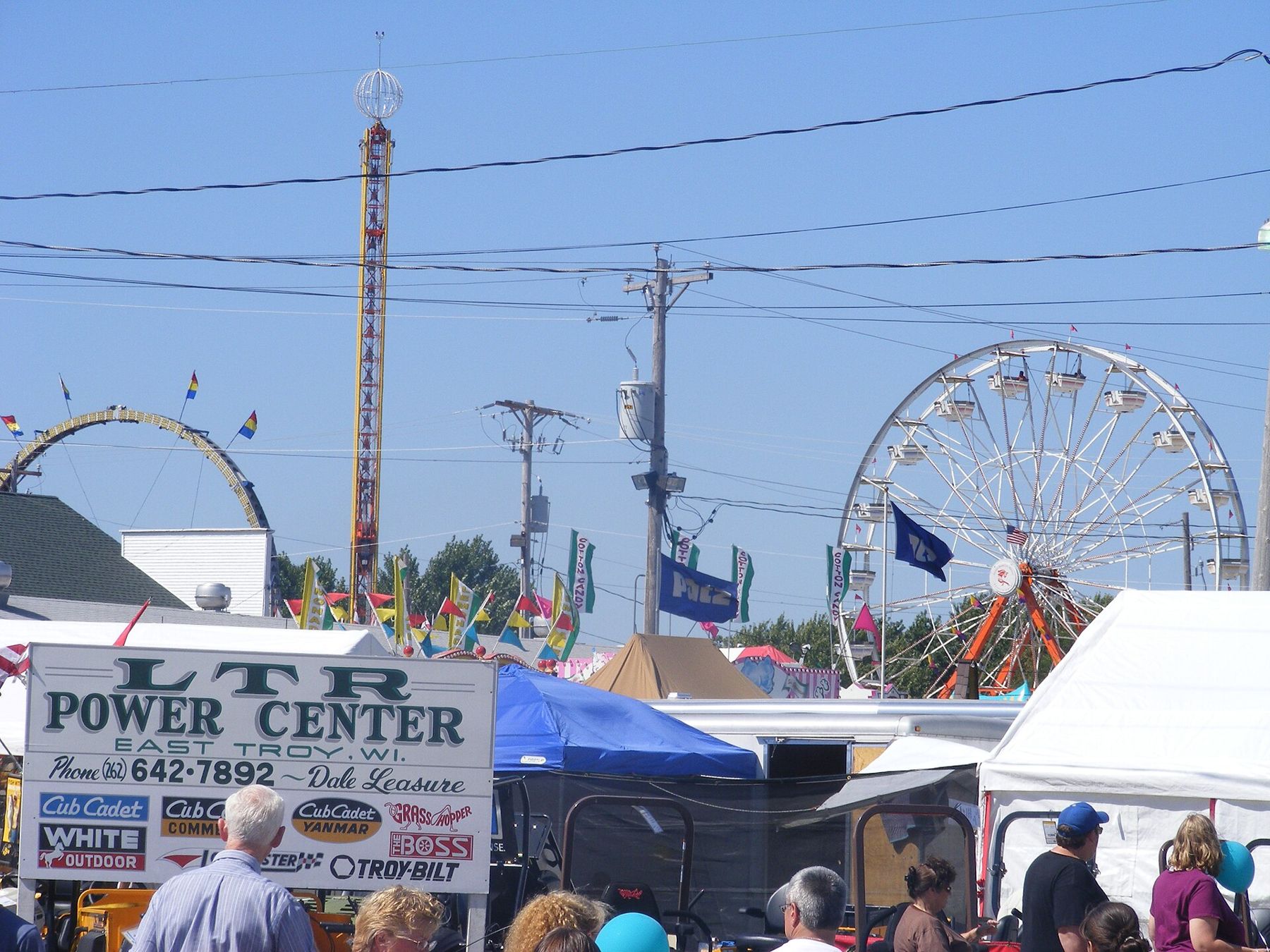
Follow the smell of the barns. Every summer, from early July to Labor Day, the fairgrounds of southeast Wisconsin fill with cattle, pigs, sheep, goats, rabbits and chickens, along with the young people who raised them. Under the funnel cakes and the Ferris wheel, that is what a county fair is: a year of farm work brought to town to be judged.
You do not need to know anything about livestock to enjoy it. You just need to arrive early and walk slowly.
Which fair, and when
Dates move a little from year to year, so check this year's dates before you plan. The usual pattern runs like this:
- Jefferson County Fair. Usually in July, at the county fair park in Jefferson, a few miles north of Fort Atkinson. A strong agricultural fair with busy dairy and swine barns.
- Waukesha County Fair. Usually in mid- to late July, at the county exposition grounds on the north side of Waukesha. Easy to reach from downtown Waukesha and Lake Country.
- Wisconsin State Fair. Usually for about eleven days in early August, at the State Fair Park in West Allis. The biggest by far, with the best-known food.
- Walworth County Fair. Usually late August, ending on Labor Day, at the fairgrounds in Elkhorn. For many families in the south of the region it marks the end of summer.
Neighboring counties hold their own fairs through the same weeks, and each has its own character. If one is closer to you, go to that one.
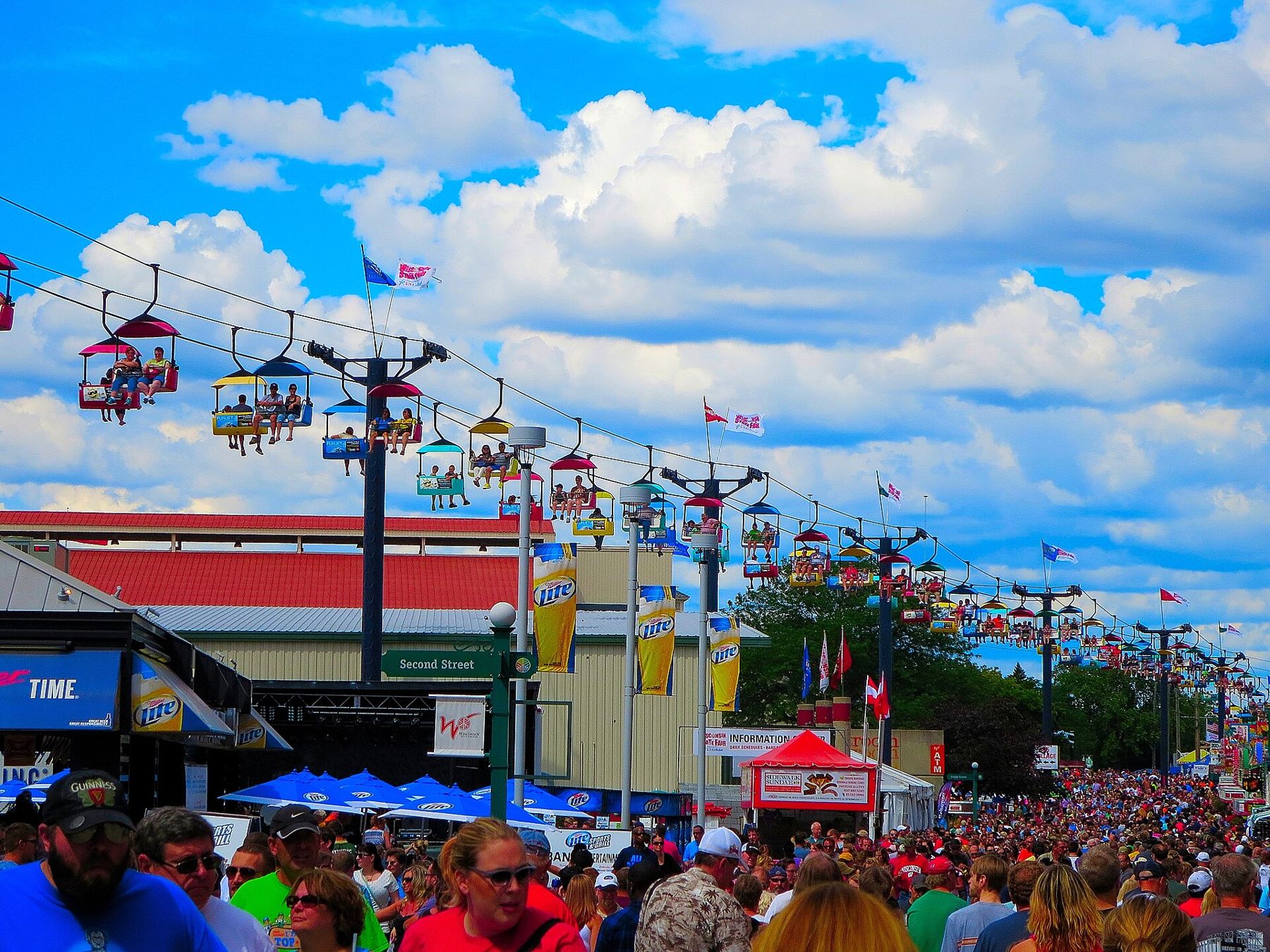
Start in the barns
Go in the morning. That is when animals are washed, brushed and walked to the show ring, and when the judging happens. Pick up a schedule at the gate or look for it posted in the barns, then find a seat on the bleachers by the ring. Watch a dairy class for a few minutes and you will start to see what the judge sees: the straight back, the clean legs, the way a good exhibitor keeps the animal standing square.
Most of the exhibitors are 4-H and FFA members, from young children leading calves almost as tall as they are to high school seniors showing for the last time. Many fairs end with a market animal sale, where local businesses bid on the young people's animals. It is worth an hour of your time even if you never raise a hand.
Barn manners are simple. Stay behind the ropes, ask before you touch an animal, keep small children's fingers out of pens, and never feed anything. Wash your hands at the stations by the barn doors before you eat.
The halls
Between the barns and the midway are the exhibition halls: pies, breads and jams with ribbons on them, quilts, woodwork, photographs, flower arrangements, prize vegetables, the tallest stalk of corn. Read the cards. The names are your neighbors', and some families have been entering the same categories for generations.
Eating your way through
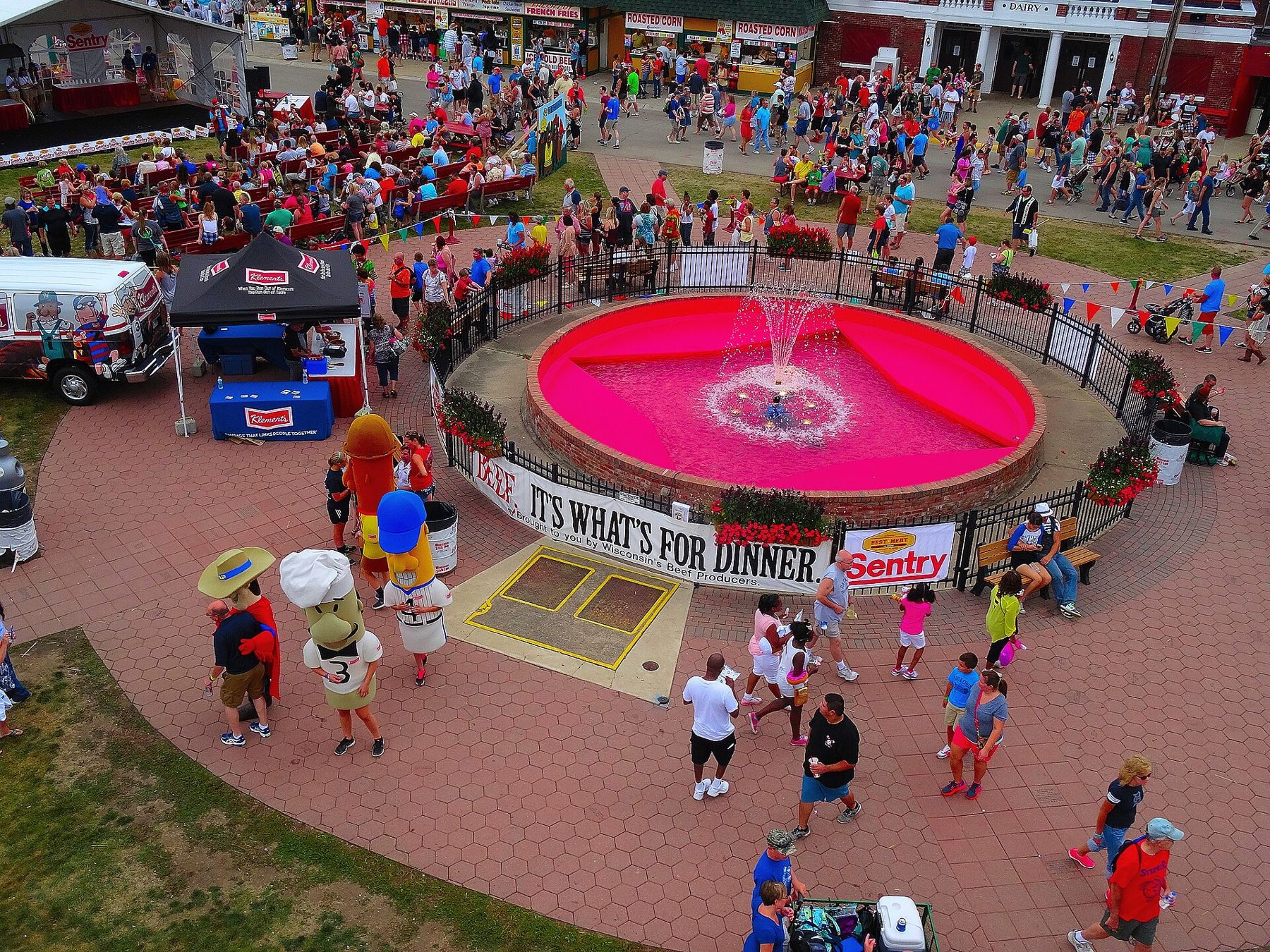
Fair food is its own season in Wisconsin. You will find fried cheese curds, roasted sweet corn dipped in butter, brats with kraut, milkshakes and grilled cheese from dairy booths, and pie by the slice from church and civic stands. At the State Fair, the cream puff is the dish people line up for, often for a long while. Bring cash for the smaller stands, and eat in the shade.
The grandstand and the midway
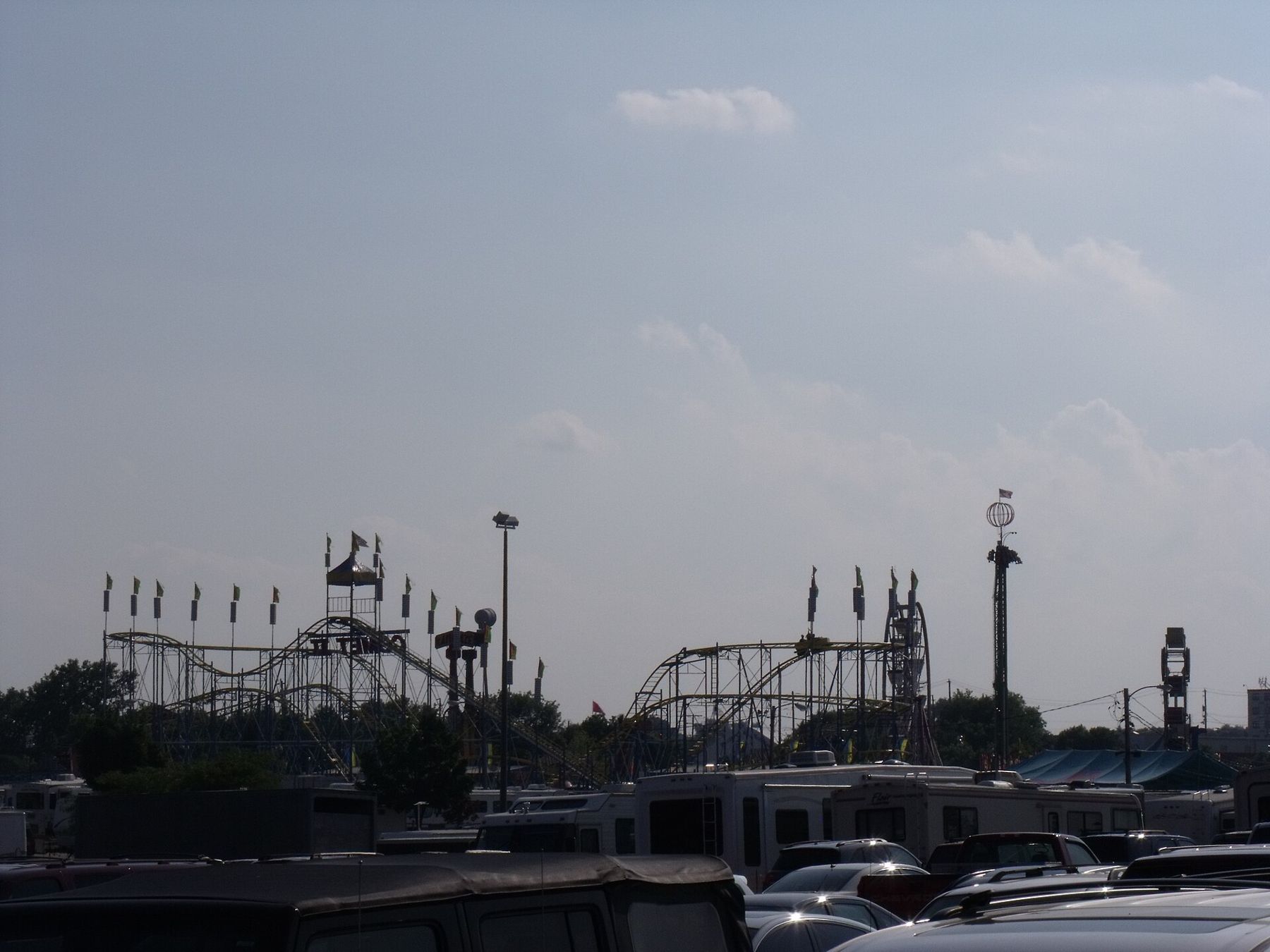
Evenings belong to the grandstand. Depending on the fair and the night, that means a demolition derby, a tractor or truck pull, a rodeo, or a concert. Most grandstand shows need a separate ticket on top of gate admission, and the best nights sell out. The midway opens in the afternoon and runs late, with rides sold by ticket or by wristband. Prices change every year; check before you go.
A day at a big fair
The State Fair and the larger county fairs are too big to see in one visit, so pick a shape for the day:
- Arrive at opening, park, and go straight to the barns while the judging is on and the crowds are thin.
- Walk the exhibition halls in the late morning, before the afternoon heat.
- Eat an early lunch, before the noon lines form at the famous stands.
- Rest in the shade or a cool building through the hottest hours, and catch a free stage show or a horse class.
- Ride the midway or take your seat at the grandstand in the evening, when the lights come on and the air cools.
With children
Fairs are at their best with children who like animals. Many fairs have a petting area, a birthing barn or a dairy barn where calves are born during the fair, and a youth show where kids no older than yours lead animals twice their size. Agree on a meeting place the moment you arrive, write your phone number on young children's arms, and pace the day with plenty of rest stops. Strollers struggle in the sawdust and gravel of the barns; a carrier works better.
Practical notes
July and August heat on a fairground is real: there is a lot of asphalt and not much shade. Wear a hat, drink water all day, and take a break in a barn or hall in the early afternoon. Thunderstorms build fast on summer afternoons; if you hear thunder, get inside a building.
Parking at the bigger fairs fills early and often costs extra. Some fairs run shuttles from outlying lots. Check gate prices, parking and any discount days on the fair's own pages when you plan; many fairs offer reduced admission on certain weekday mornings.
Fairs are one part of a long run of summer events in the region; see summer festivals for the rest. When the derby ends and the lights come on over the midway, take one last walk through the barns. The animals are bedded down, the kids are asleep in lawn chairs beside them, and the fair is at its quietest.