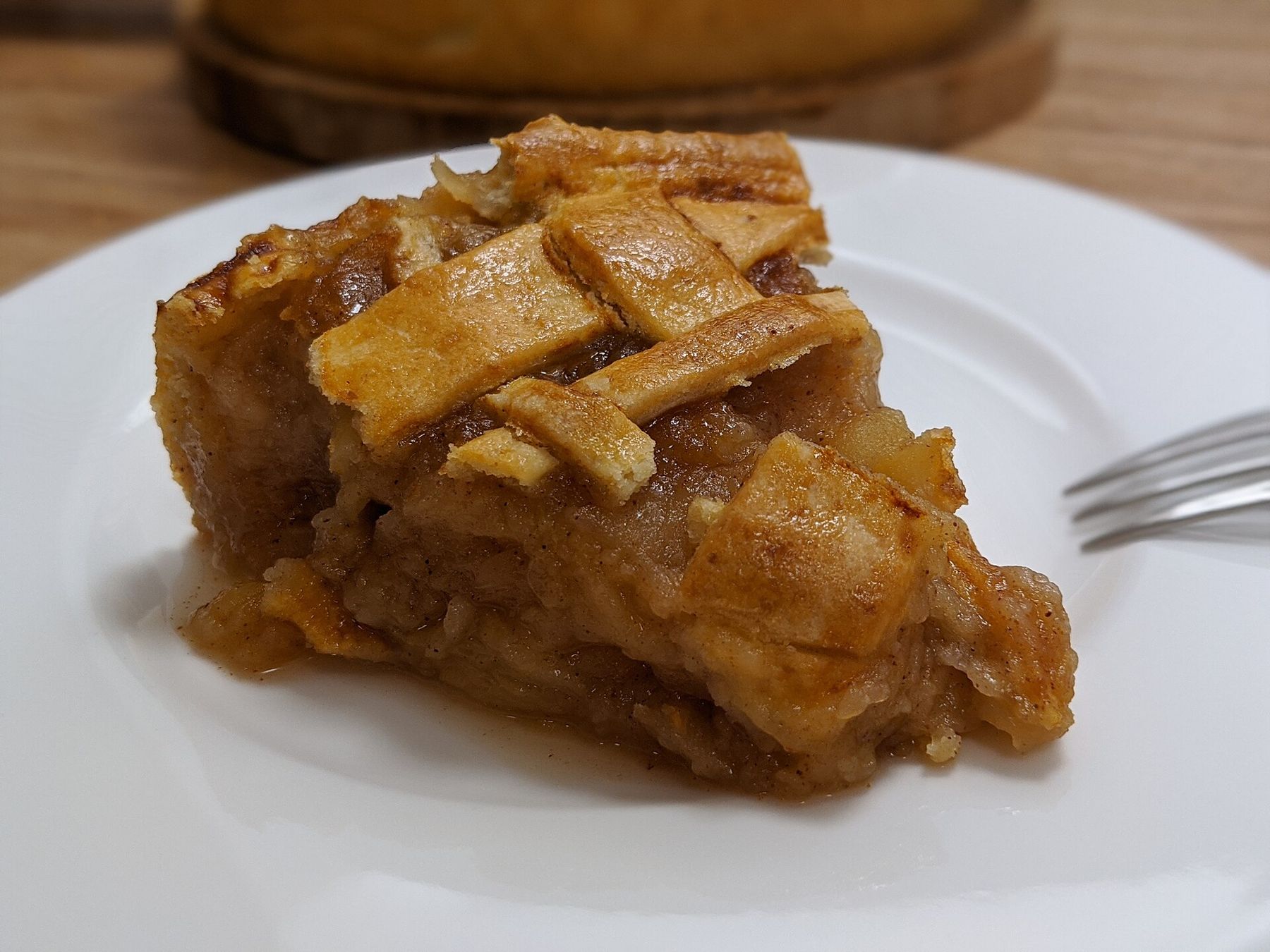
Kringle is the official state pastry of Wisconsin, and it has been since 2013. That tells you something about the place: a state that votes on its pastry takes its bakeries seriously. Between the Danish ovens of Racine, the Polish and German shops of Milwaukee and the farm bake stands that open with the apple harvest, southeast Wisconsin has more good bakeries than you could visit in a year of Saturdays.
Racine kringle
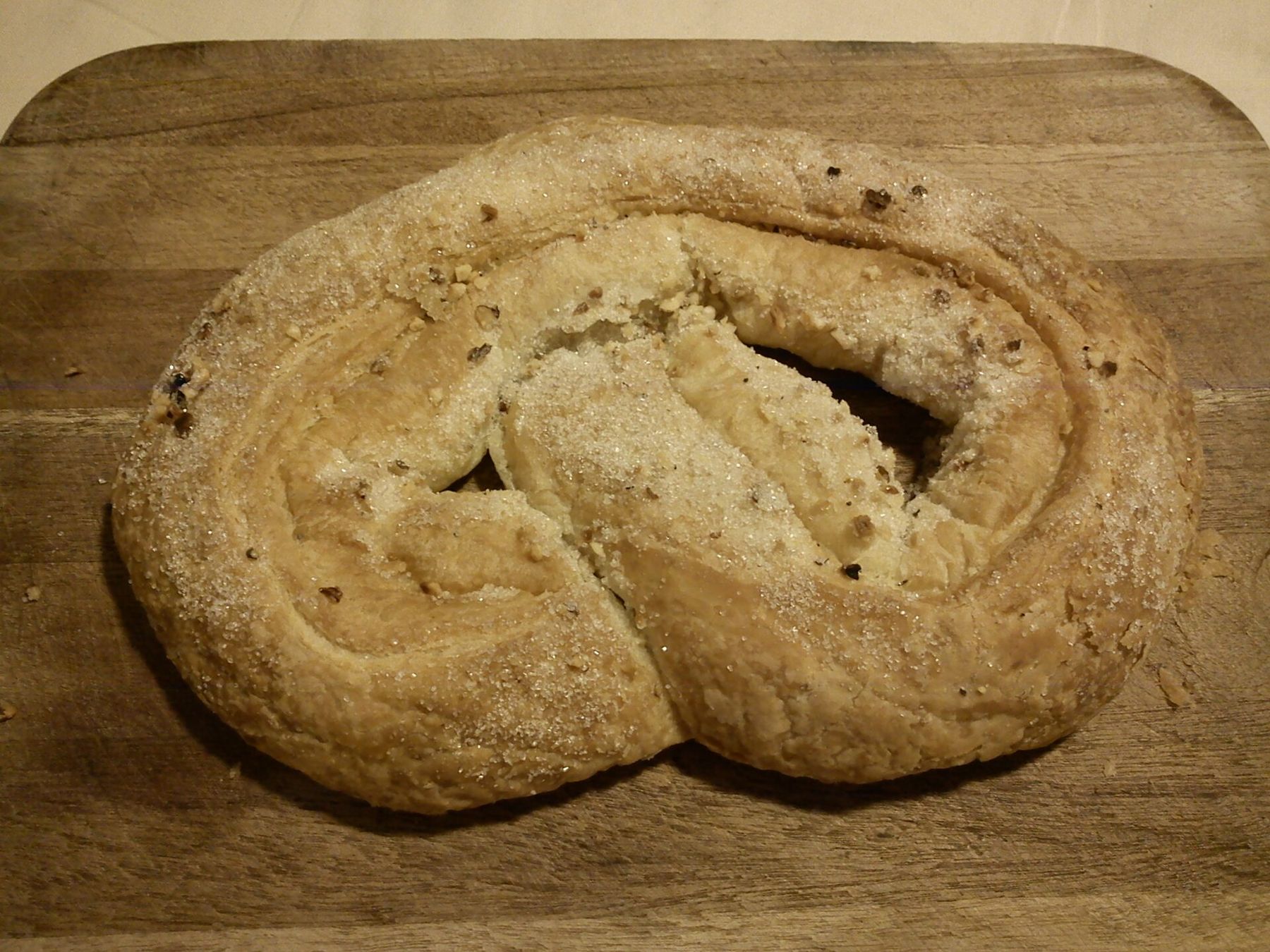
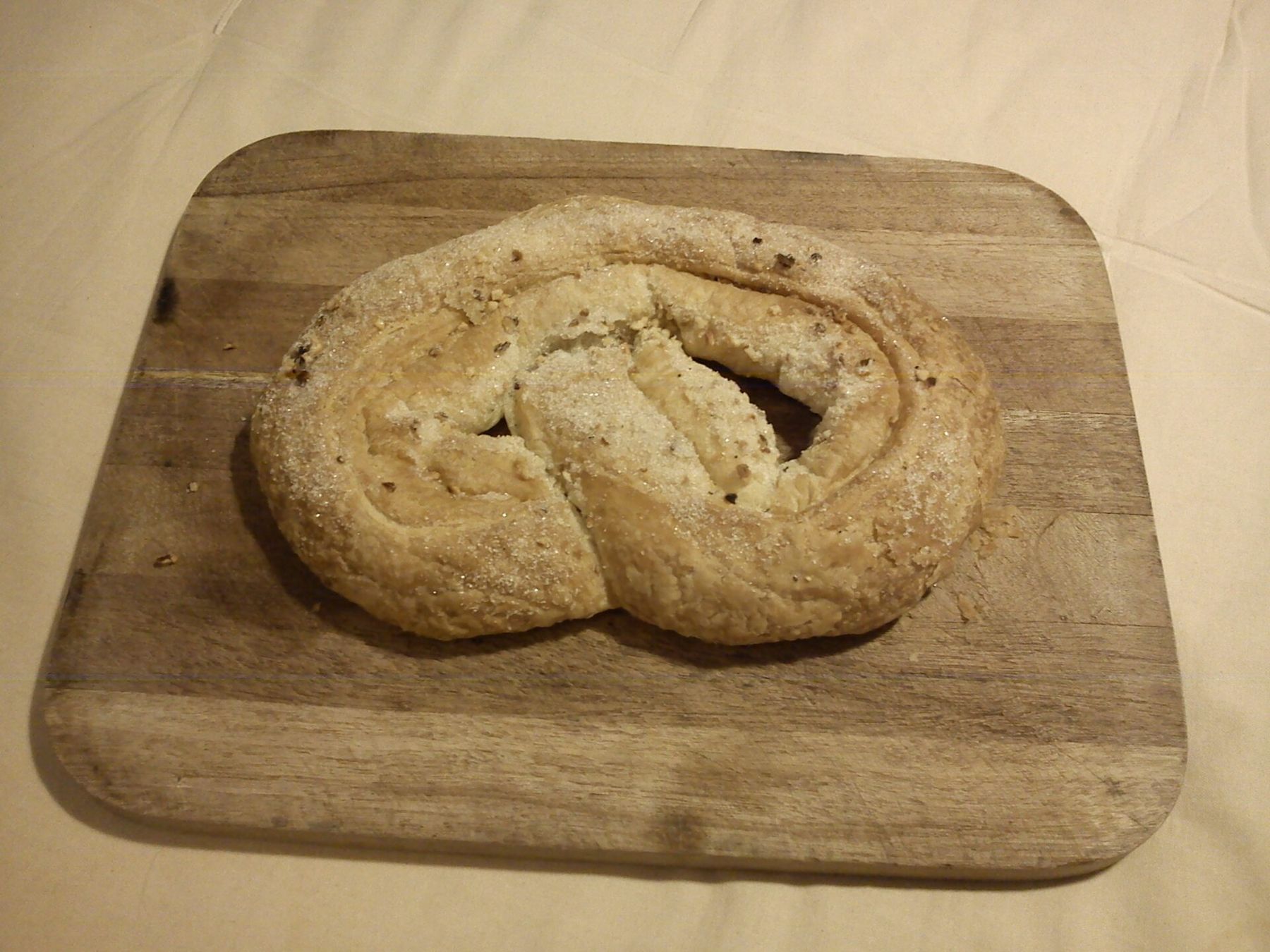
Racine sits on Lake Michigan about 45 miles east of Eagle, and it is the center of Wisconsin kringle. Danish immigrants settled there in large numbers in the nineteenth century and brought their pastry with them. The Racine version is a large flat oval of flaky, buttery dough built up from many thin layers, folded over a filling and finished with a sugar glaze.
The fillings run from almond and pecan, the classics, to raspberry, cherry, apple, cream cheese and seasonal specials. Several family-run Danish bakeries in the city have made kringle for generations, and they ship it across the country, but the best way to eat it is fresh from the shop on the day it is baked.
Cut it into thin strips across the oval rather than wedges. A single kringle feeds a family breakfast or a whole office. Buy one more than you think you need; the second one goes in the freezer.
The same bakeries make more than kringle. Look for Danish layer cakes, butter cookies, almond pastries and seasonal treats at Christmas, when the kringle lines are longest of all. Many families in the region still buy a kringle as a holiday gift, and shops take advance orders through December. If you are visiting in the weeks before Christmas, order ahead or go on a weekday morning.
Cream puffs at the State Fair
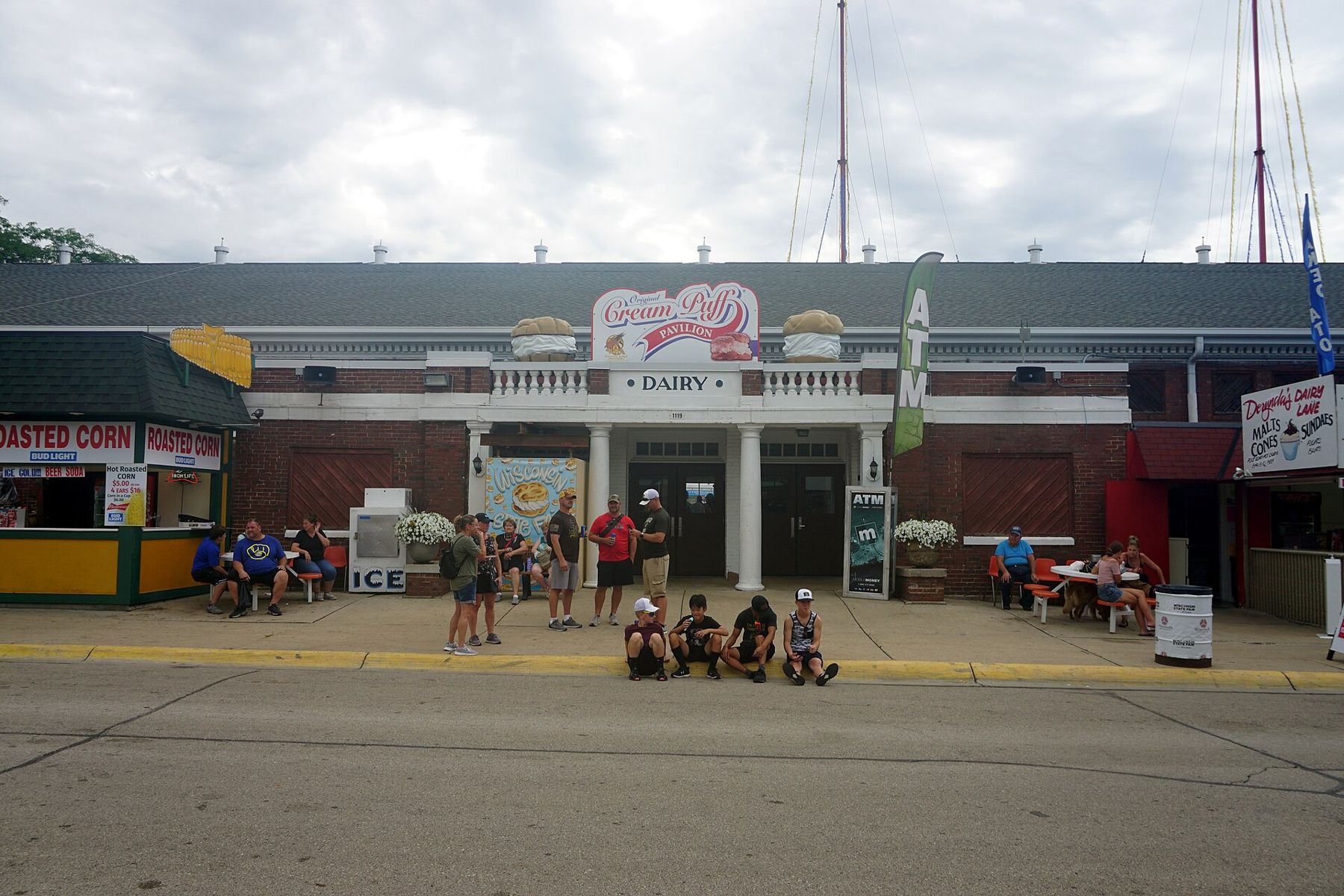
For eleven days at the turn of July and August, the fair season peaks at the Wisconsin State Fair in West Allis, and the single most famous food on the grounds is the cream puff. Fairgoers have been eating them since the 1920s. They come from a dedicated pavilion where bakers turn out large choux pastry shells split and filled with a heavy mound of sweetened whipped cream, and they are sold singly or in boxes to carry home.
The line can look long, but it moves. Eat one sitting down, with a napkin in each hand, and accept that some of the cream will end up on your shirt. If you are buying a box, eat them the same day; whipped cream does not keep well.
Orchard bake shops and farm pies
From late August into October, the apple orchards of the Kettle Moraine and the surrounding counties open their farm markets, and many of them run a bake shop alongside the bins of apples. Expect apple pie in several forms (double crust, Dutch crumb, caramel), apple cider donuts fried on the spot, turnovers, crisp, and often pumpkin pie later in the season. Our guide to apple orchards and pumpkin farms covers the farms themselves.
Orchard pies are made with what is coming off the trees that week, so the filling changes as the varieties change. Early pies are bright and tart; later ones, made with keeping apples, are sweeter and firmer. Ask which apples went into the pie and you will often get a detailed answer.
Summer has its own pies. In July look for cherry pie made with tart cherries from Door County, and for strawberry and rhubarb pies at farm stands and farmers markets in June.
Neighborhood bakeries
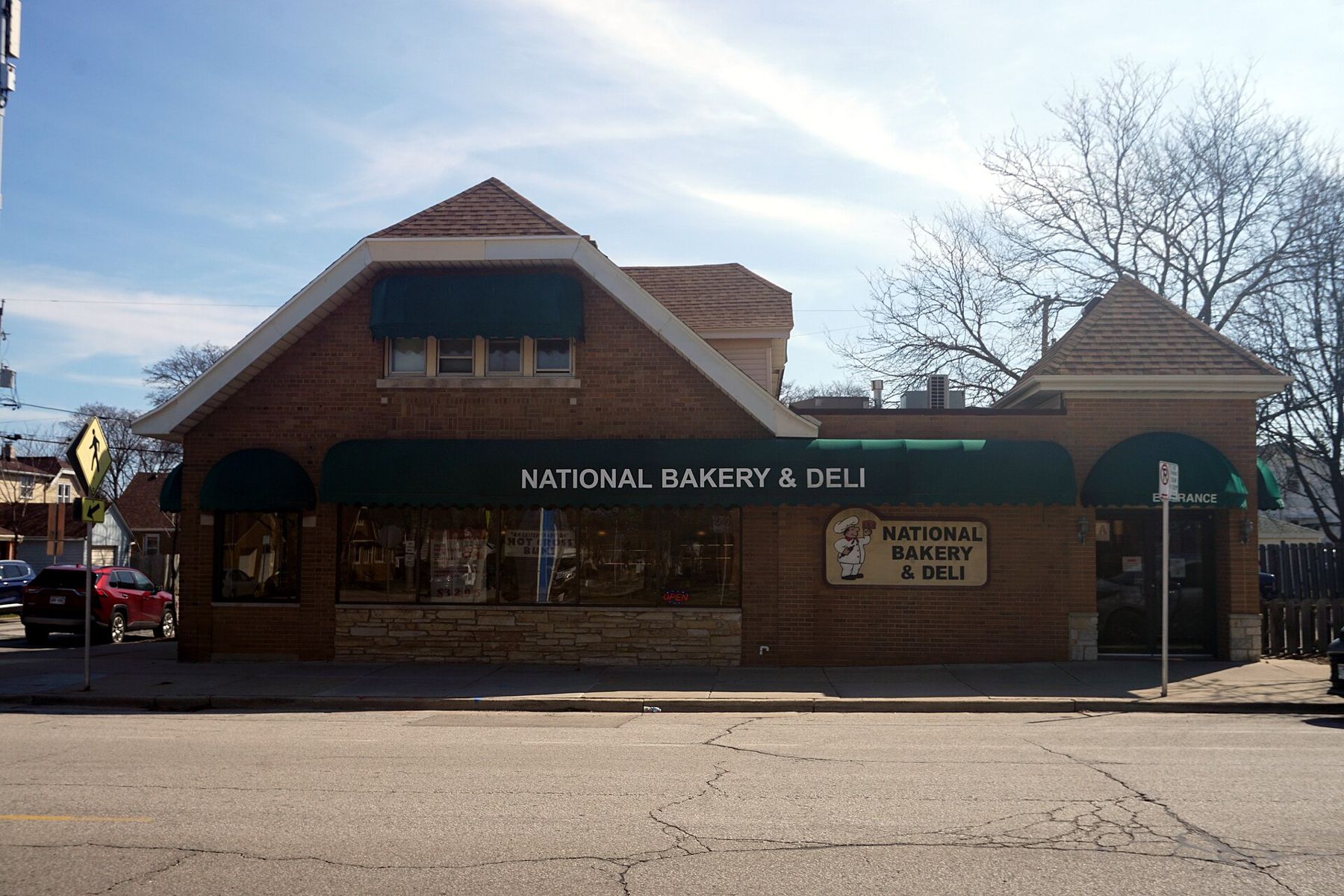
Milwaukee and the older towns around it still have neighborhood bakeries that have baked bread, rolls and sweets for the same streets for decades. Many grew out of German, Polish and Danish communities, and their cases show it: rye and pumpernickel loaves, hard rolls, coffee cakes, stollen at Christmas, and long johns and crullers on weekend mornings.
The biggest day of the bakery year is the Tuesday before Lent, which Milwaukee knows as Paczki Day. Polish bakeries make paczki, rich yeast doughnuts filled with fruit preserves or custard, and lines form before dawn. If you want to see a neighborhood bakery at its busiest, that is the morning to go.
In the smaller towns of the Kettle Moraine, the village bakery may be the only shop open early on a Sunday. Look for one on the main street near the church, and look for a short menu written on a board. Short menus usually mean someone is baking everything from scratch.
When to arrive
Arrive early. That is the rule for every bakery in this guide. Small shops bake overnight or before dawn and sell until they are out, and the best items go first. On Saturday mornings many shops are busiest between 8 and 10 a.m.; after noon you may find empty trays and a sign saying they have closed for the day.
For Racine, allow about an hour from Eagle, east across Walworth and Racine counties on the state highways. Kringle bakeries there open early and are easy to reach from the main roads. For the State Fair, the fairgrounds lie along I-94 in West Allis, about 30 miles from Eagle; come on a weekday morning and park early, or check whether park-and-ride shuttles are running that year. For orchards, go on a weekday in September if you can. October weekends bring the biggest crowds and the longest lines for donuts.
Bring a cooler bag for anything with cream, and a flat surface in the car for pies. Check opening days before a long drive; many small bakeries close one or two days a week, often Monday, and some close for a holiday break after Christmas.
Pie at the end of the meal
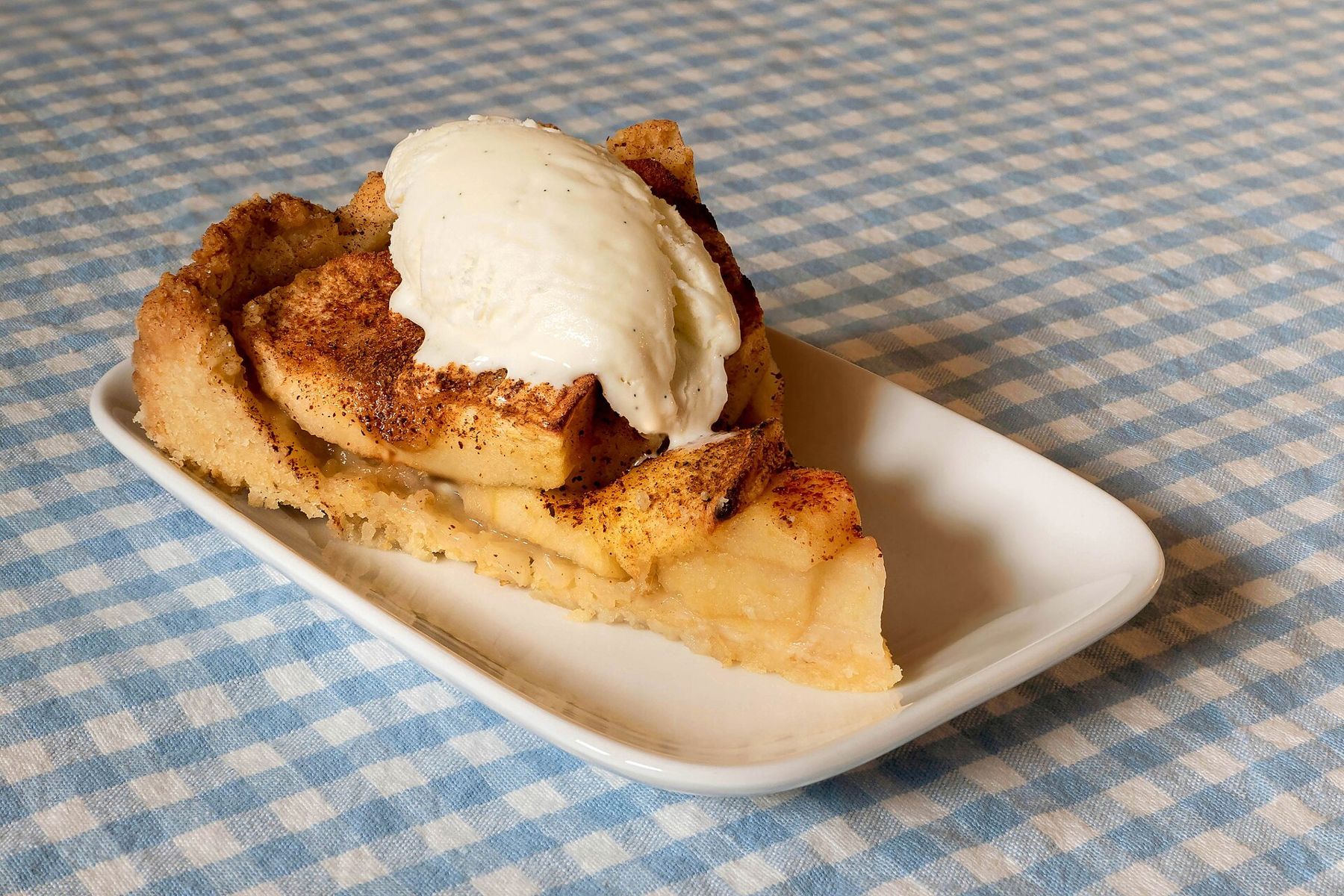
You do not have to visit a bakery to eat Wisconsin pie. Many family restaurants, diners and supper clubs keep a rotating case of pies near the register, and the old country custom of a slice of apple pie with a slice of sharp cheddar on top is still on some menus. Order it once. It sounds odd and tastes right, and it is the most Wisconsin way to end a meal.