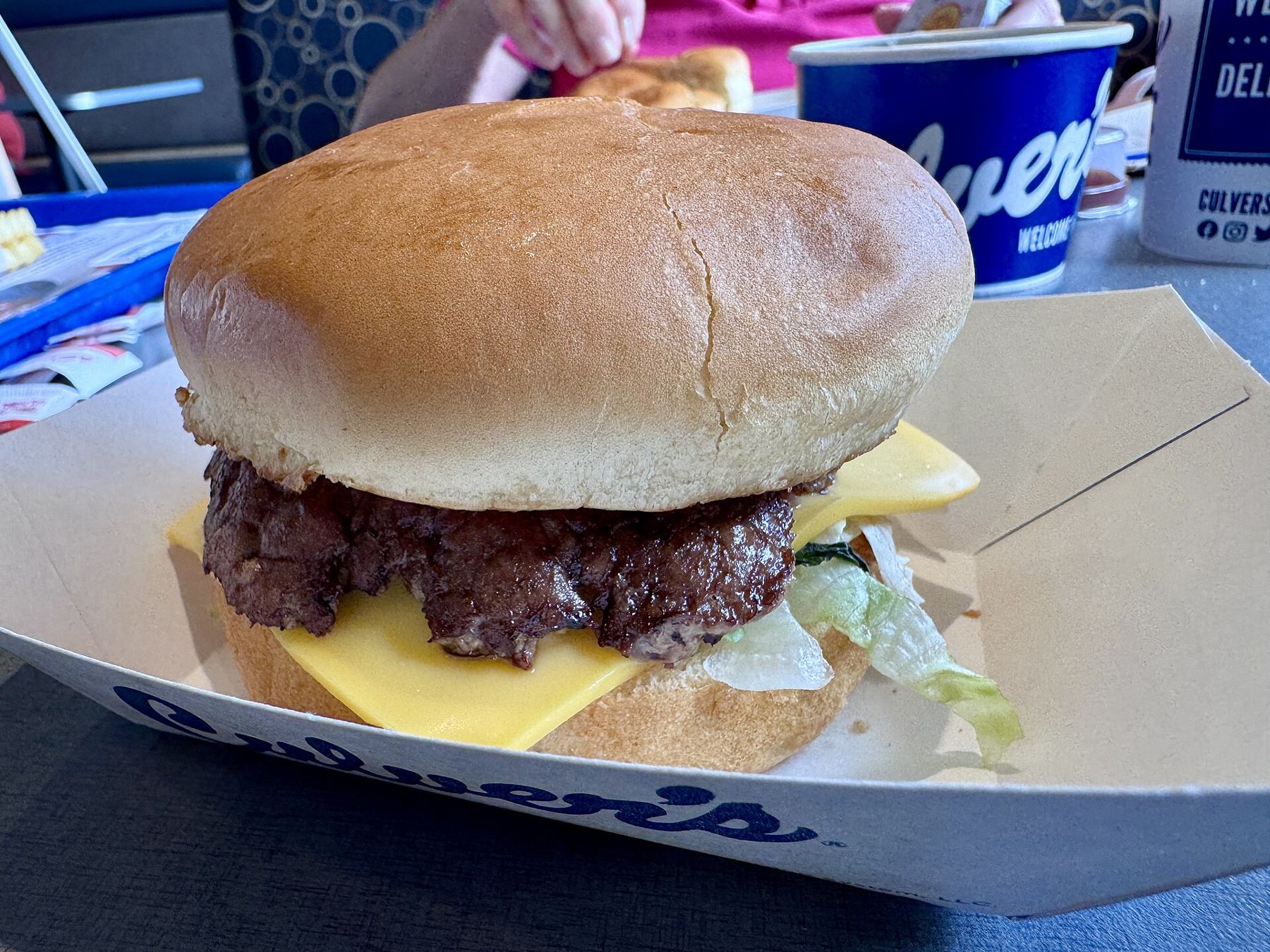
Start with the bun. A Wisconsin butter burger lives or dies on a soft roll split, buttered and pressed onto a hot griddle until the cut face is gold. Some kitchens stop there. Others add a pat of butter to the top of the patty as it comes off the flat-top, so it melts down into the meat and the bun. Either way, the butter is the point, not a garnish.
The idea is old in the Milwaukee area, where corner grills and taverns were buttering burgers well before the Second World War. It spread across the state, and well beyond it, once a frozen custard chain founded in Sauk City in 1984 put "butter burger" on its sign. Today you will find versions everywhere from lakeside drive-ins to the grill counter of a county fair.
What you are looking for
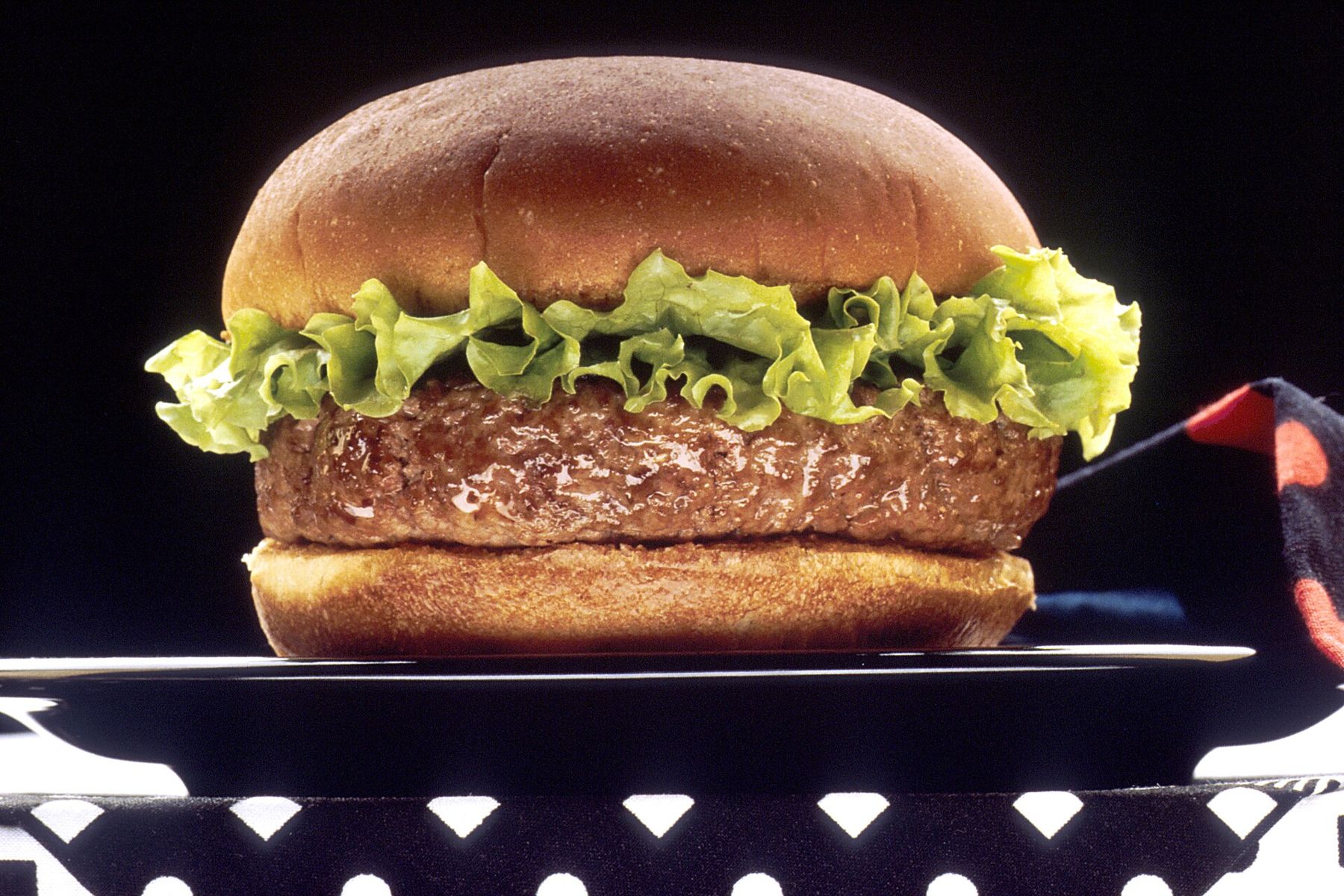
The classic is modest. It is not a tall pub burger. You want:
- A thin patty, pressed flat on a griddle so the edges go lacy and brown. Fresh ground beef with enough fat, usually around 80 percent lean.
- A soft bun, plain or lightly enriched, toasted in butter on the flat-top.
- Onions, either raw and sliced thin or cooked slowly on the griddle until soft and sweet. Stewed onions are an old Milwaukee habit.
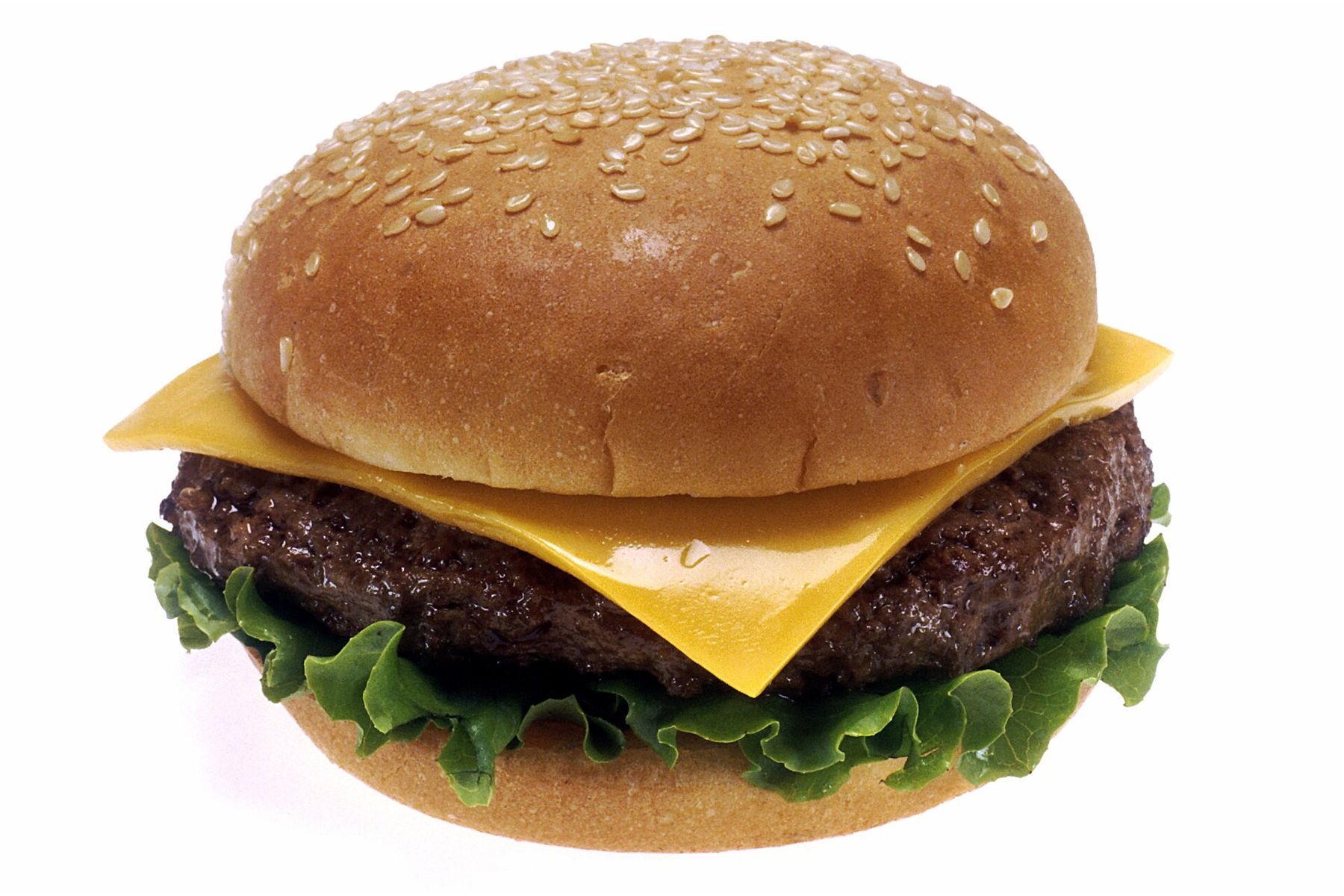
- Cheese if you want it, usually a slice of American or a mild Wisconsin cheddar laid on in the last half minute.
- Little else. Pickles, mustard and ketchup are common. Lettuce and tomato are allowed but not required.
If a place offers a double, take it. Two thin patties give you twice the crust, and the crust is where the flavor is.
Be wary of anything called a butter burger that arrives thick, pink in the middle and stacked with toppings. That may be a good burger, but it is a different dish. The butter burger is a griddle-counter food: quick, hot, salty and best eaten within a minute or two of leaving the flat-top.
How to order one
Go where the griddle is in sight. A frozen custard stand is the obvious choice, because you can follow the burger with a dish of custard; our page on frozen custard explains what to expect at the counter. Old taverns with a short grill menu are just as good, and many small-town drive-ins in Jefferson, Walworth and Waukesha counties have served the same burger for decades.
Order it simply the first time. Ask whether the butter goes on the bun, the patty or both, and whether the onions are raw or cooked. A side of fried cheese curds is the local answer to fries. Eat at the counter or a picnic table. A butter burger in a paper bag for twenty minutes turns soft and greasy.
Make one at home
You need a heavy skillet or a griddle, not a grill grate. Butter and loose fat would drip through the bars and flare, and a flat surface gives you the crust a grate cannot. This method makes four single burgers.
- Prepare the onions. Slice one onion thin. If you want them cooked, put them in a small pan with a knob of butter, a splash of water and a pinch of salt, and let them stew gently for 20 to 30 minutes while you do the rest.
- Portion the beef. Divide a pound of cold ground chuck into four loose balls. Do not knead or pack it. Keep it in the refrigerator until the pan is ready.
- Butter the buns. Spread soft salted butter on the cut faces and toast them face down in the dry pan over medium heat until golden. Set them aside, cut side up.
- Heat the pan hard. Turn the heat to medium-high and wait until a drop of water skitters and vanishes.
- Smash. Put two balls in the pan, cover each with a square of parchment and press down firmly with a sturdy spatula until the patty is thin. Peel off the paper and season with salt and pepper.
- Cook and flip once. Leave it alone for about two minutes, until the edges are deep brown. Scrape under it, flip, add cheese if you are using it, and cook another minute.
- Add the butter. Lay a teaspoon-sized pat of butter on each patty, or on the top bun, just before the patty comes off the heat.
- Build and serve. Bottom bun, patty, onions, pickles, top bun. Serve at once.
Wipe the pan between batches if the butter starts to burn. Brown is good. Black is bitter.
Cooking for a crowd at a cabin or a campsite? Bring a cast-iron griddle that sits across two burners or over a camp stove. Toast all the buns first and keep them warm in a foil packet, then cook the patties two or four at a time.
Small things that matter
Salt the outside of the patty, not the meat before you form it. Salt worked into raw ground beef draws out moisture and firms the texture into something closer to sausage.
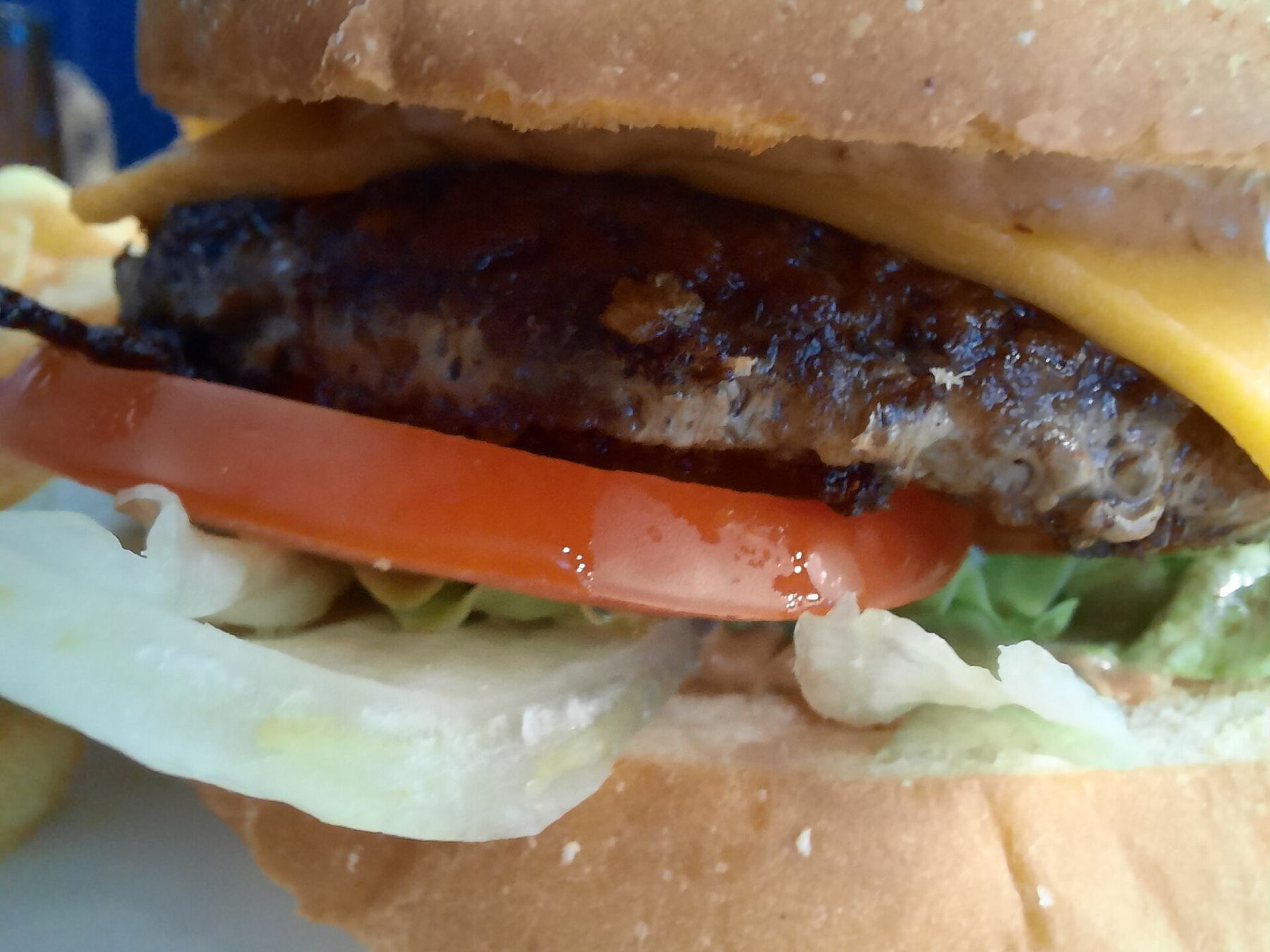
Do not press the patty again after the first smash. That first press creates the crust. Pressing later only squeezes out the juice.
A butter burger is rich, so drink something sharp with it: a cold lager, a root beer, or an iced tea with lemon. Afterward, if you still have room, walk across the lot for a small cone, the way plenty of people around here finish a summer evening.