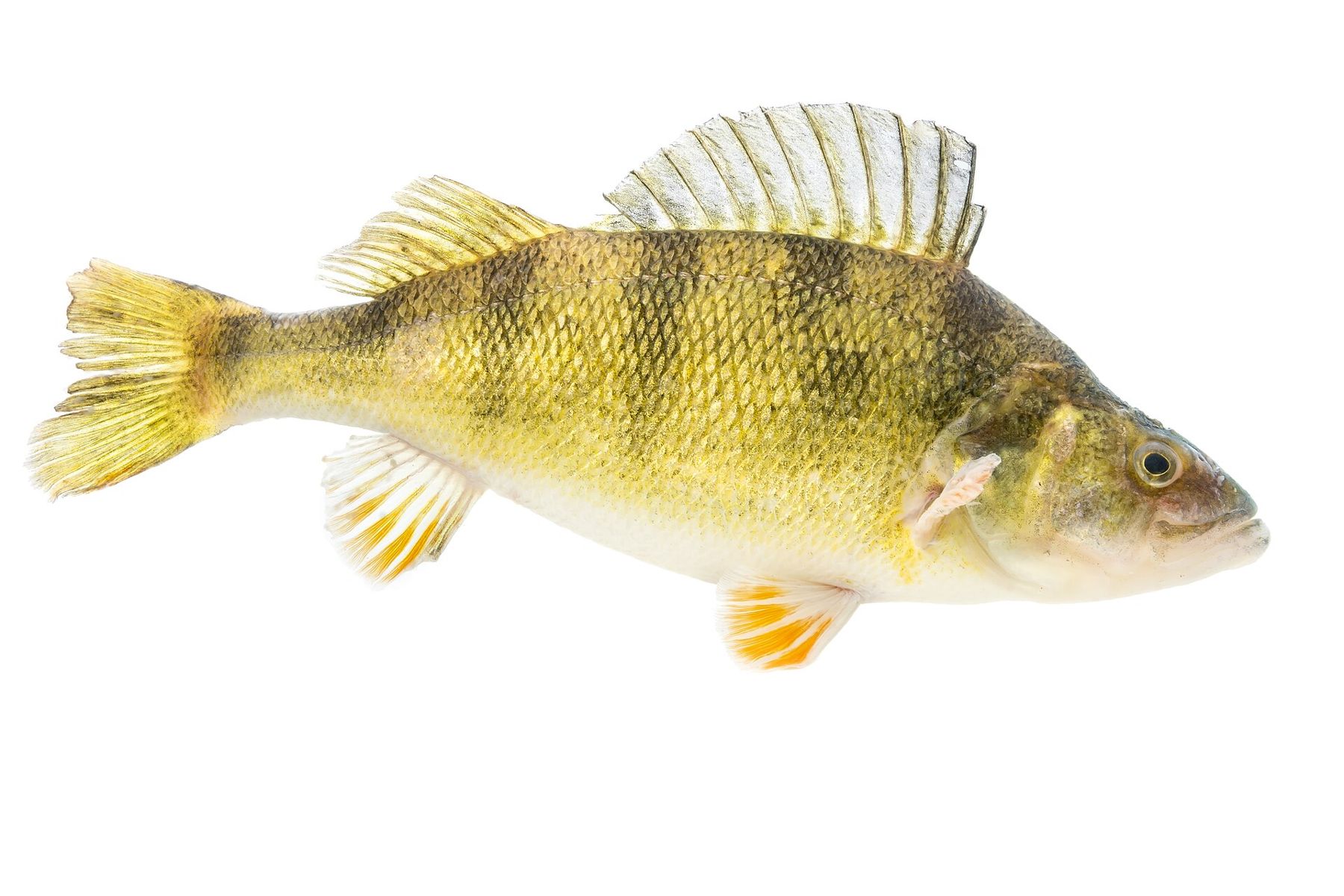
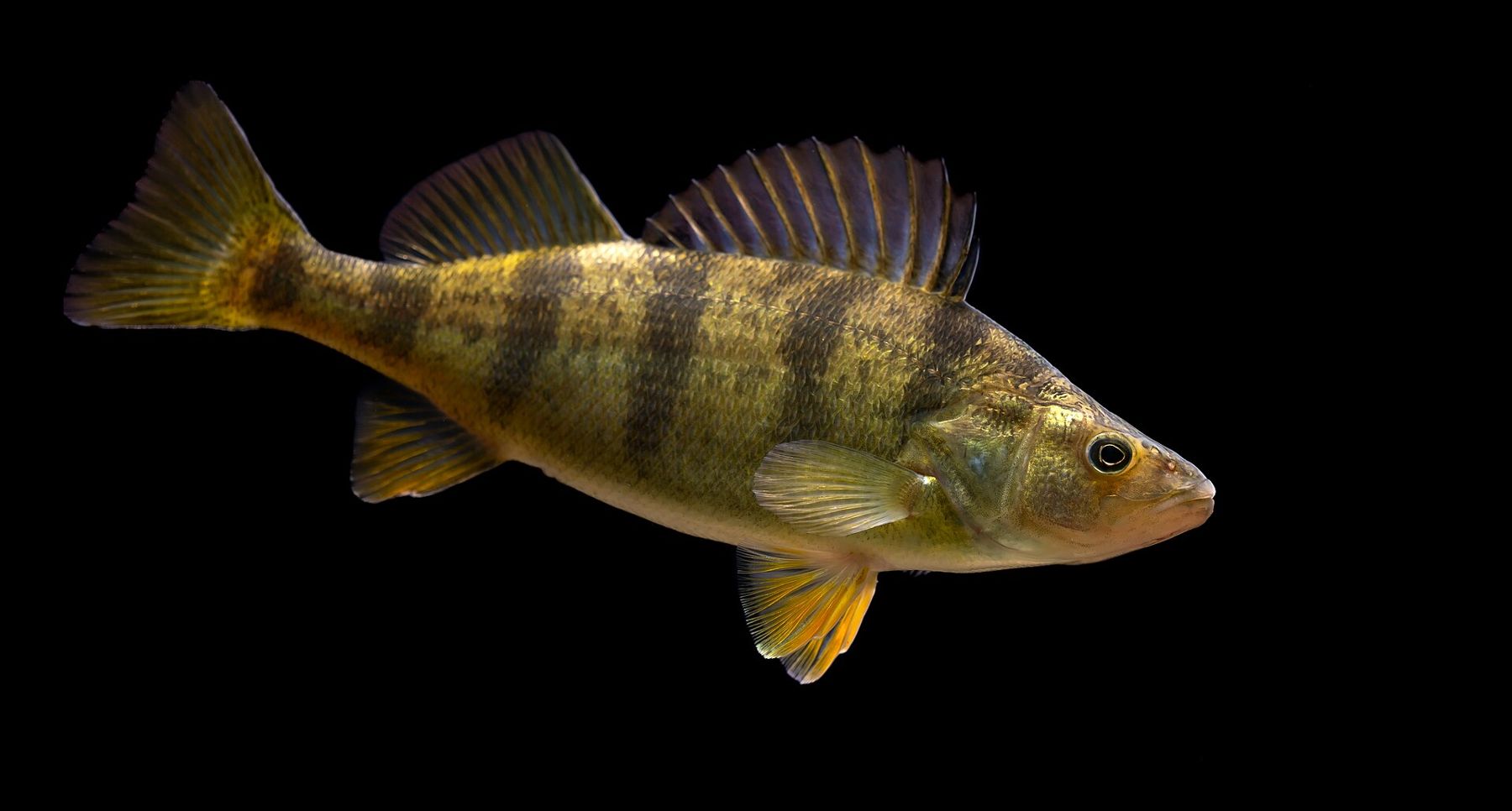
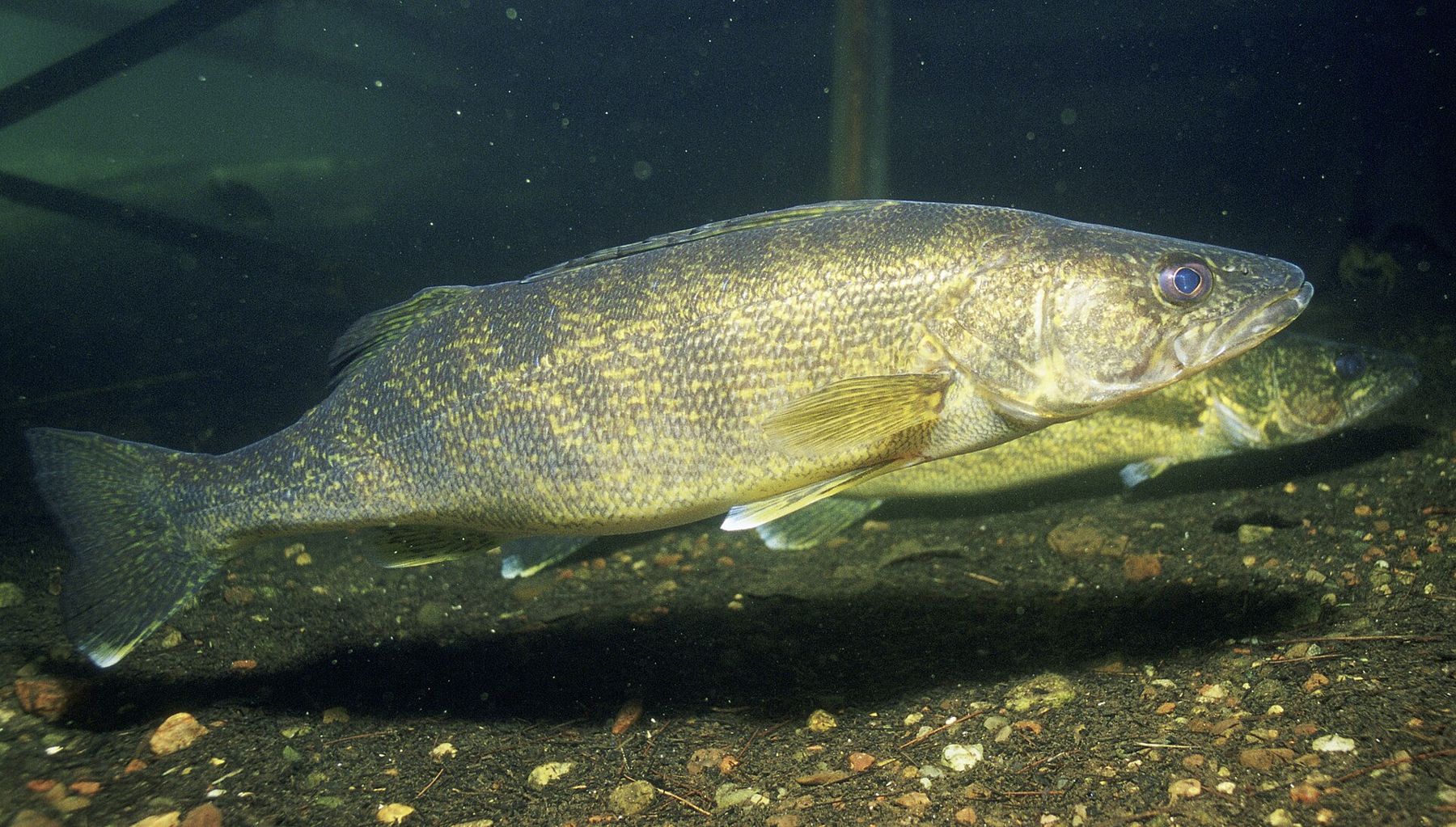
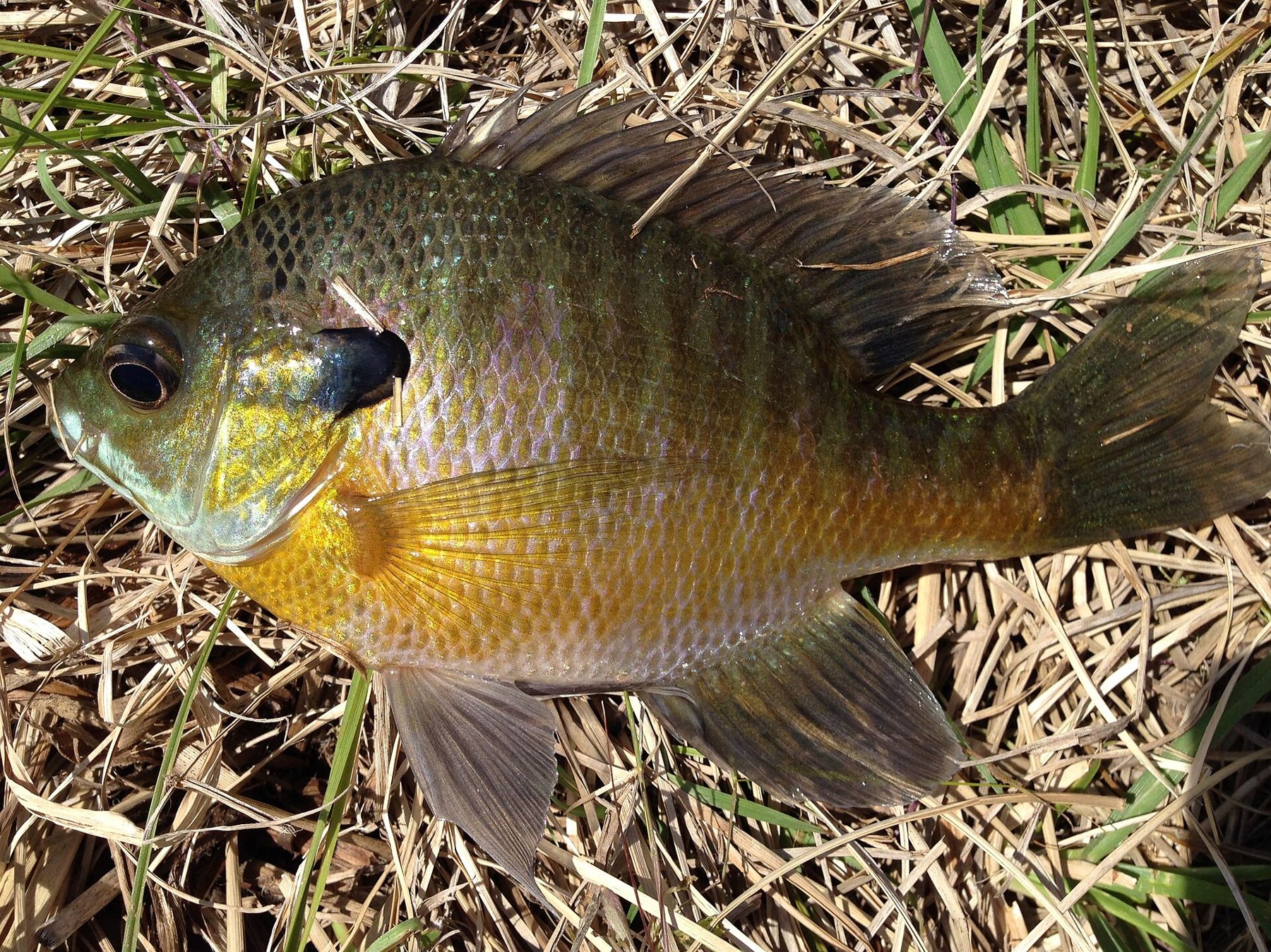
Look at the stripes. A yellow perch has six or seven dark vertical bars down a golden-green body. A walleye is olive and brassy, with a white tip on the lower tail fin and large glassy eyes. A bluegill is deep-bodied and almost round, with a dark flap at the back of the gill cover. Learn those three marks and you can name most of the fish that end up on Wisconsin plates, whether they came from a restaurant kitchen or your own line.
Three fish, three habits
Yellow perch travel in schools near weed edges and over sandy or gravel bottoms. They bite through the day and are a favorite of ice anglers in winter. Perch is the classic fish of a Milwaukee-area fish fry. Lake Michigan once supplied much of it, but the lake's perch population dropped sharply decades ago, and much of the perch served today comes from other Great Lakes waters. Inland lakes still hold good perch.
Walleye are the most prized eating fish in the state. Their eyes are built for low light, so they feed most actively at dawn, dusk, at night and on cloudy, choppy days. They hold near rocky points, drop-offs and weed lines. The general inland season opens on the first Saturday in May, and many lakes have their own size and bag limits.
Bluegill are the fish most children catch first. In late spring and early summer they fan out round nests in shallow water, and you can see the beds from shore on a still day. They take a small hook baited with a piece of worm under a bobber.
On the plate the three are close cousins. Perch is sweet and firm, with small, delicate fillets. Walleye is mild, white and flaky, with thicker fillets that hold up to broiling or baking as well as frying. Bluegill is the sweetest of all and the most work to clean, which is why it rarely appears on restaurant menus and is mostly eaten by the people who caught it.
Where to fish around the Kettle Moraine
Almost every kettle lake in the region holds bluegill and perch, and many hold walleye. The bigger lakes of Lake Country, such as Pewaukee Lake, have public launches and draw walleye anglers in spring and fall. Smaller lakes in the state forest, with quiet water and no-wake rules, are good for a canoe and a bucket of worms on a summer evening.
Check public access before you go. Many lakeshores here are private, so use the marked public launches and fishing piers. Our page on fishing licenses explains who needs one and what it covers.
How to catch them
- Bluegill: a light rod, a small hook, a split shot and a bobber. Bait with a piece of worm or a waxworm and fish near weeds in 3 to 8 feet of water.
- Perch: a small jig or a minnow fished close to the bottom. When you catch one, keep fishing the same spot; there are usually more.
- Walleye: a jig and minnow, a live-bait rig or a crankbait worked along drop-offs. Fish early and late in the day.
Bring needle-nose pliers to remove hooks, a measuring board or tape to check size limits, and a wet rag for handling fish you plan to release. Wet your hands before touching a fish you are letting go, and get it back in the water quickly.
In winter, all three are caught through the ice on small jigs. See ice fishing basics before you walk out, and never trust ice you have not checked yourself.
Cleaning and cooking
Keep fish cold from the moment you decide to keep them. Clean them the same day.
- Fillet. With a sharp, flexible fillet knife, cut behind the gill cover down to the backbone, then run the blade along the spine toward the tail. Turn the knife flat and slide it between skin and flesh to remove the skin. Perch and bluegill are small; work slowly.
- Remove bones. Run a finger along the fillet and cut out the strip of rib bones near the belly. Walleye fillets have a line of small pin bones you can feel and trim out.
- Rinse and dry. Rinse in cold water, then pat completely dry. Wet fish will not brown.
- Coat. Dip in beaten egg or milk, then dredge in seasoned flour, cracker crumbs or a mix of both.
- Fry. Heat a quarter inch of oil in a heavy skillet until it shimmers. Fry the fillets for two or three minutes a side, until golden and flaky. Small panfish fillets cook in less.
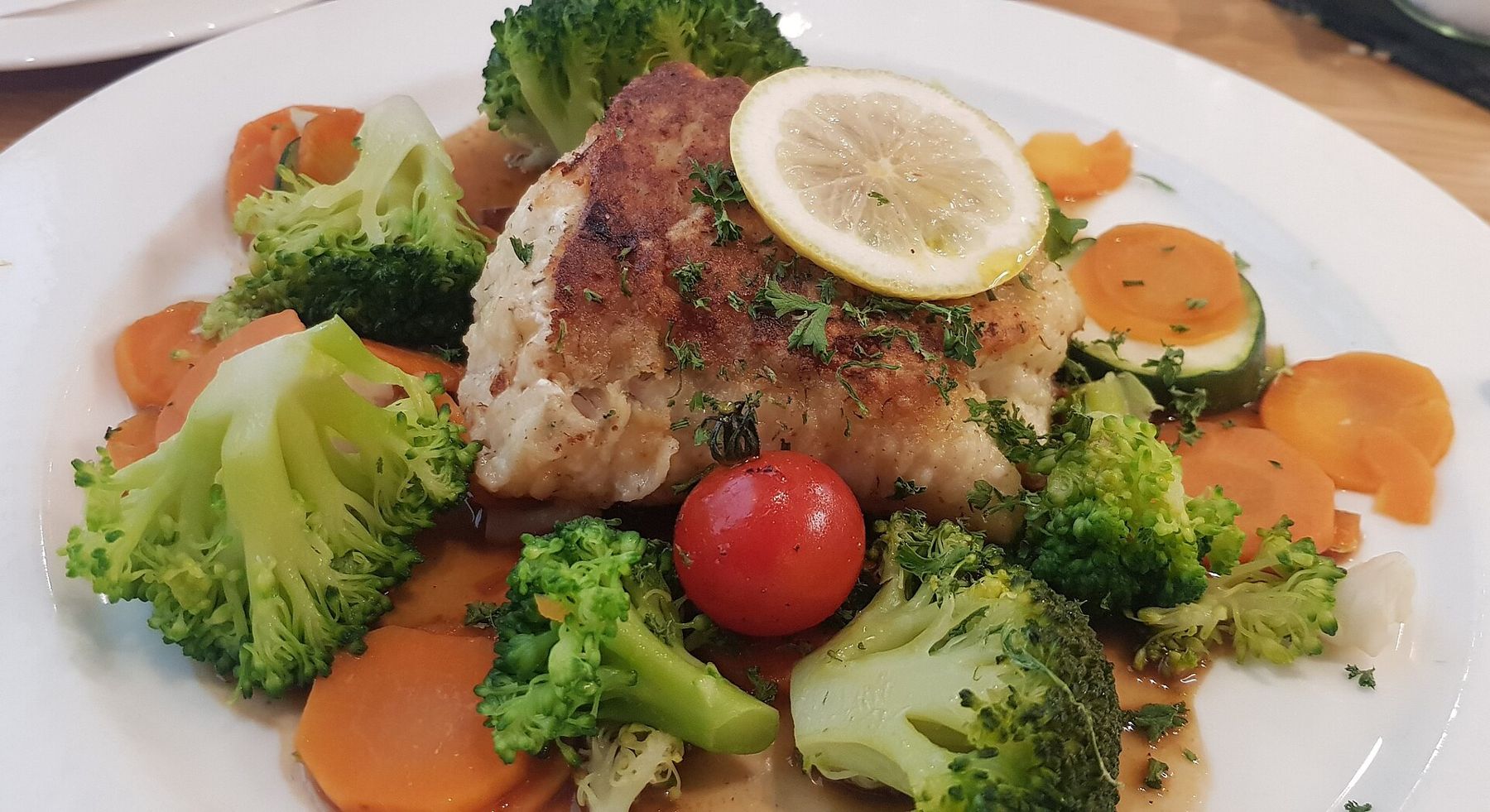
Serve with lemon, tartar sauce, coleslaw and rye bread, the way a Friday fish fry does.
Keep only what you will eat
Panfish populations in heavily fished lakes can shrink in size as anglers keep the biggest fish year after year. Release the large spawning bluegill on their beds in late spring, keep a meal's worth of medium fish, and leave the rest for next time. A dozen perch or bluegill fillets make dinner for two. That is plenty for an evening on the water and a hot skillet afterward.