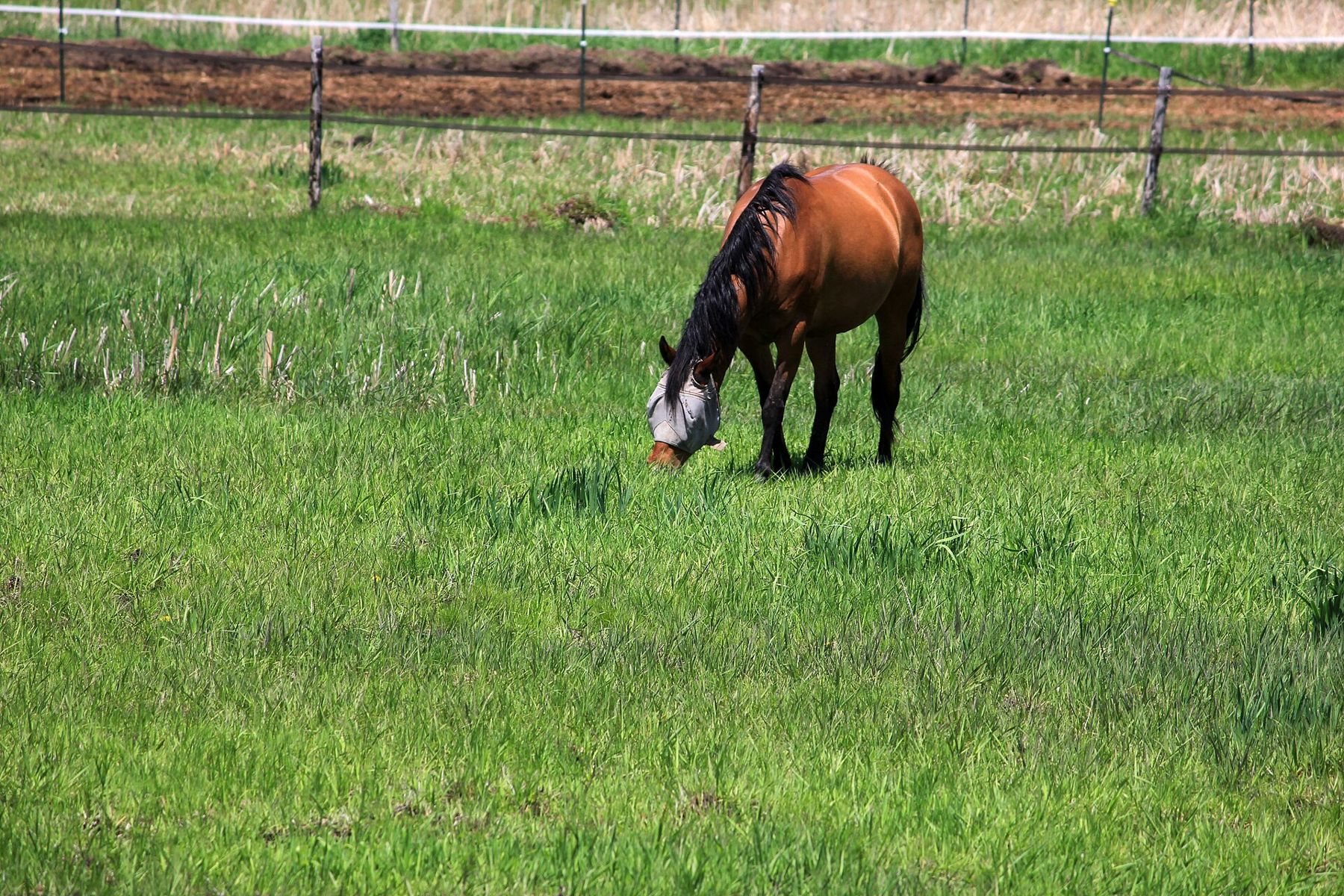
Wet spring mornings close these trails, so start your planning with the weather. The Southern Unit of the Kettle Moraine State Forest has a long network of trails set aside for horses, winding over the oak ridges and around the kettles between Eagle, Palmyra and La Grange. Riders share the forest with hikers, skiers and mountain bikers, but most horse trails are separate, and the forest asks each group to stay on its own.
This note covers what you need before you go, what the trails are like, and how to camp with horses.
Before you load the trailer
- Check the trail status. The forest closes horse trails when the ground is soft from rain or thaw. Hooves sink and cut the tread, and the damage lasts all season. Check the posted status on the morning you ride.
- Buy your passes. Riders 16 and older need a state trail pass. Your truck needs a vehicle admission sticker or daily pass. Carry both.
- Bring the paperwork. Rules on health records for horses on state land are set by the state and can change. Check what is currently required, and keep copies in the truck.
- Pack your feed. Bring hay and water for the day, and check the forest rules on feed before you go.
- Plan your loop. Look at a current map. Trails are marked, but junctions in the woods are easy to confuse.
On the trail
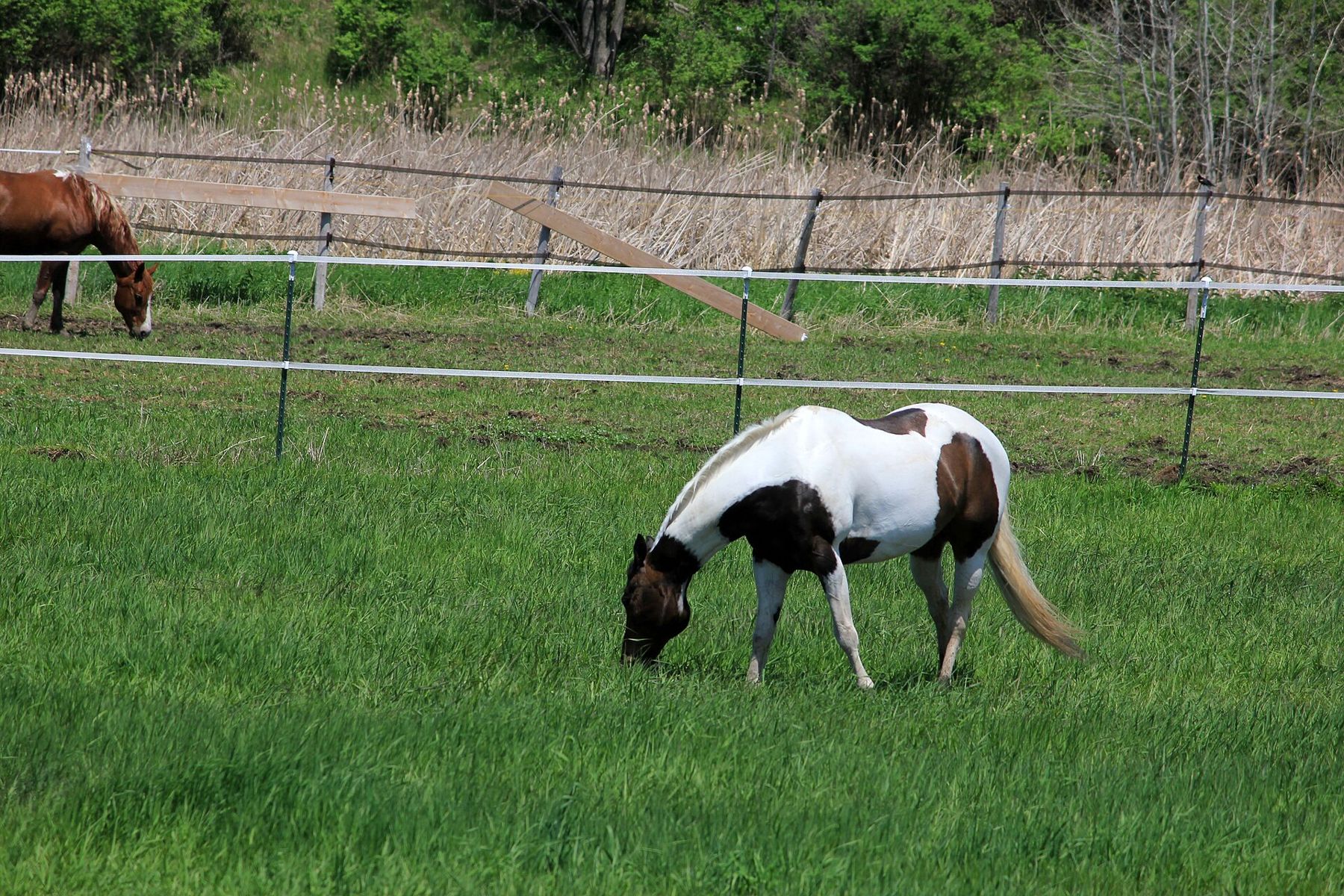
The horse trails follow old roads, firebreaks and purpose-built tread through oak and hickory woods, pine plantations and open prairie. Expect long, gentle climbs, a few steep pitches on the ridges, and sandy stretches that are soft going in a dry summer. Low spots near the kettles hold water after rain.
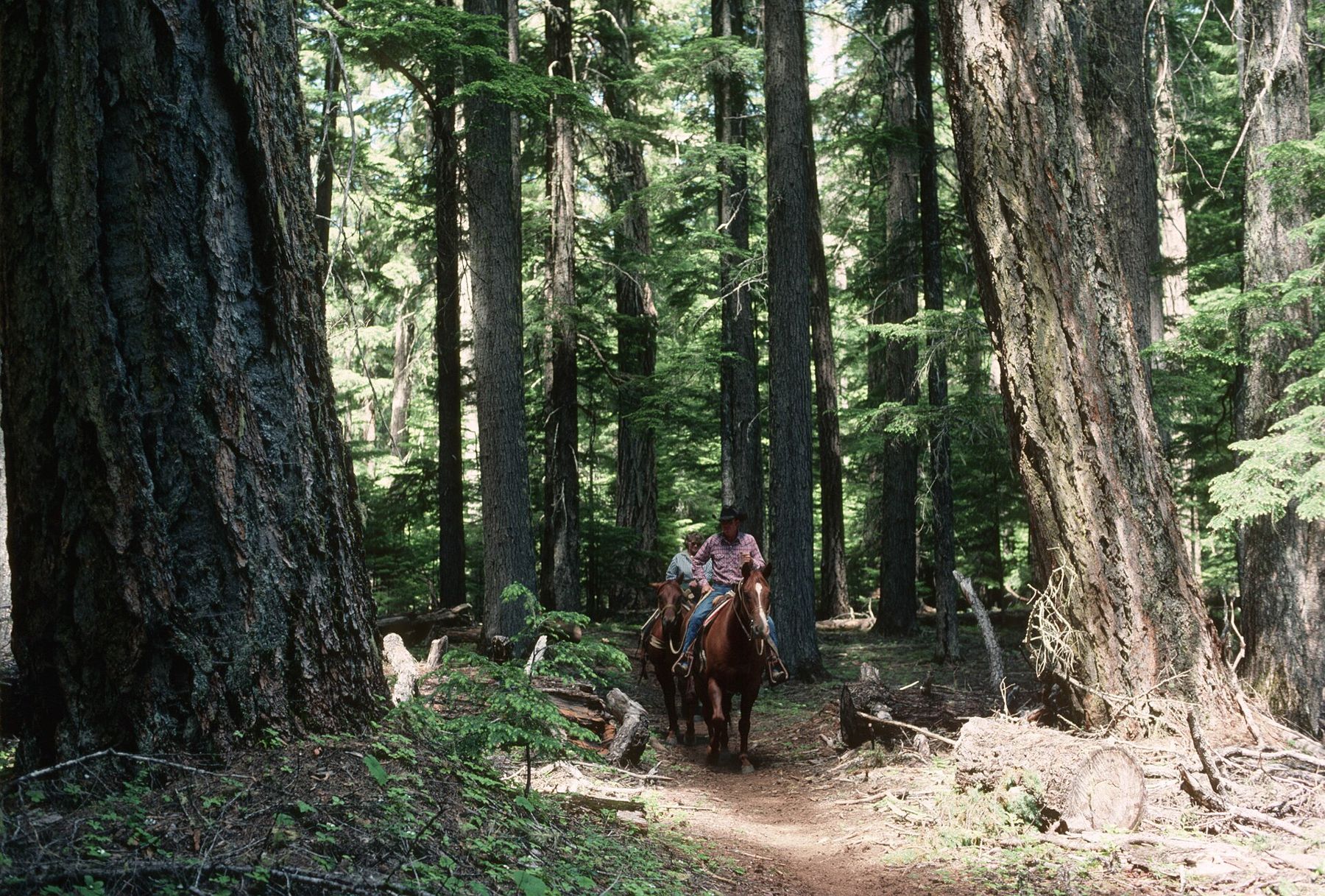
Stay on trails marked for horses. Horses are not allowed on the Ice Age Trail, on the ski and hiking loops, or on the mountain bike trails at John Muir and Emma Carlin. Where a horse trail crosses one of them, cross straight over and keep going.
Reading the ground
The Southern Unit sits on the Kettle Moraine itself, a long belt of hills built from sand, gravel and boulders dropped by the glacier. That shapes the riding. On the ridges the soil is thin and stony, and shod horses can slip on bare rock after rain. In the valleys and on the flats the sand runs deep and tires a horse quickly in hot weather. Low ground near the kettle ponds and marshes holds water long after a storm.
Plan your loop with this in mind. Ride the sandy stretches early in the day while it is cool, take the stony descents at a walk, and give your horse a breather at the top of each long climb. If a section is flooded, turn back rather than cut a new path around it; that is how trails widen and erode.
Sharing the trail
Hikers and bikers are asked to yield to horses, but not everyone knows it. Be ready. When you meet someone, speak first so your horse hears a human voice. Ask a cyclist to stop and stand on the downhill side. Pass at a walk.
Keep a safe distance between horses in a group, and ride at a pace that suits the least experienced rider. If your horse is new to bikes or dogs, ride on a weekday morning when the forest is quiet.
Parking and arriving
Arrive early on weekends. The trailer lots have limited space, and once they fill you cannot park a rig on the road shoulder. Pull in facing out so you can leave without backing. Tack up at the trailer, check girths and hooves, and walk the first few hundred yards to let your horse settle among the new sights and smells. Before you leave, pick up any manure around your trailer.
Riding with others
Ride with a partner when you can, especially on the longer loops far from the trailer lots. Tell someone at home which loop you plan to ride and when you expect to be back. Carry a phone, a hoof pick, a small first-aid kit for horse and rider, and a lead rope.
Camping with horses
The Southern Unit has a campground for riders and their horses, with sites set up for trailers and places to tie or pen horses. It fills on summer and autumn weekends, so plan well ahead. Check its season, rules and current facilities before you go. Clean up manure and hay at your site and in the trailer lots when you leave. Read our page on camping season in the Kettle Moraine for the months.
When to ride
Late May through October is the main season, after the thaw closures end. Mid-September to late October is the best time: cooler days, fewer insects and the oaks turning overhead. Summer brings flies and heat, so ride early and carry extra water. Ticks are common in long grass; check yourself and your horse after every ride, and see our page on ticks and poison ivy.
Before you head home, walk your horse a lap of the lot to cool down, then offer water before you load up.