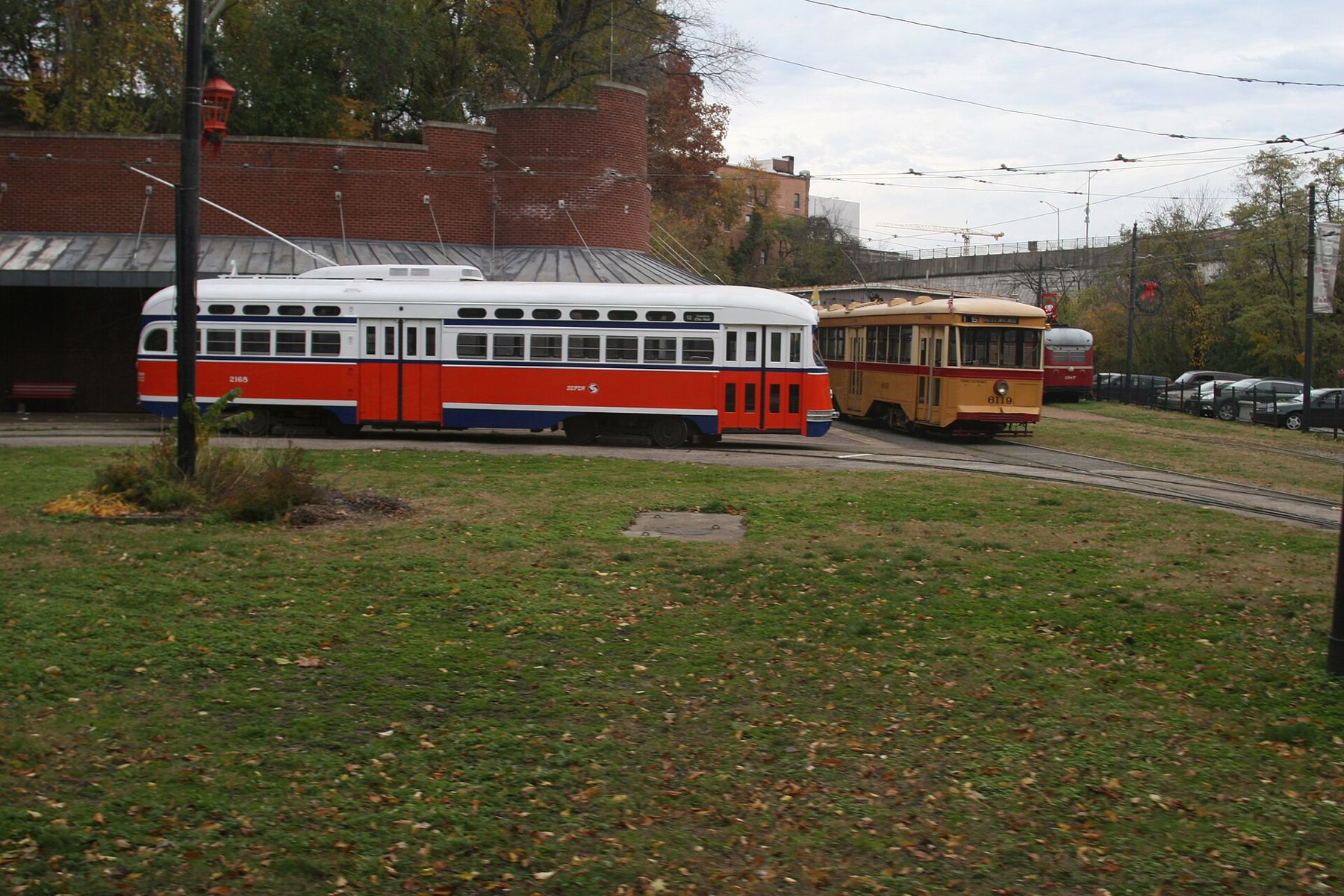
Electric wire hangs over the tracks a few blocks from the square in East Troy, strung on wooden poles that run off between corn fields toward Mukwonago. Most railroads in southeast Wisconsin lost their overhead wire generations ago. This one never did, and on summer weekends a trolley still hums along it, its pole sparking against the line.
The interurban age
At the start of the twentieth century, electric interurban railways spread across the Midwest. They ran between towns and cities on light track, using cars that looked like big streetcars and drew power from overhead wire. They were cleaner and more frequent than steam trains, stopped at farm crossings and village streets, and let rural families reach the city for shopping, work and fairs in an hour or two.
Milwaukee was the hub of one of the largest networks. Its electric company built interurban lines west to Waukesha and beyond, north toward Sheboygan, south toward Racine and Kenosha, and southwest to East Troy. The East Troy line opened in 1907. It carried passengers, milk cans, mail and freight, and tied the farms of southern Walworth and Waukesha counties to Milwaukee.
Decline and a village rescue
The interurbans did not last. Paved roads, private cars and trucks took away their riders and their freight through the 1920s and 1930s, and the lines were abandoned one after another. Passenger service to East Troy ended in 1939.
East Troy chose a different path. The village wanted to keep a rail freight connection, so it acquired the stretch of line between East Troy and Mukwonago, where it met a steam railroad. For decades after that, the village ran the short line as a freight carrier, moving coal, feed and other goods with electric locomotives under the old wire. Because the line kept operating, the poles, wire and track survived when nearly all the others in Wisconsin were torn up.
That accident of history is why there is anything to ride today. Few lines in the country still operate under original interurban wire, and this is one of them.
What an interurban was like
To ride an interurban in its prime was to ride something between a streetcar and a train. The cars were heavy, wooden or steel, with a motorman at the front and a conductor collecting fares. Seats were upholstered, windows opened, and in winter a stove or electric heaters kept the car warm. On city streets the car crawled with traffic; once out in the country it could run fast on its own right of way.
Stops came often. A farm family could flag down a car at a road crossing, ride into town, and be home again by afternoon. Children rode to high school, workers rode to factory shifts, and on summer weekends city people rode out to the lakes. Milk cans went to the city in the morning, and mail and parcels came back the other way.
The power for all of this came from substations along the line, where electricity was converted to the current the cars used and fed into the overhead wire. A trolley pole on the roof of each car pressed a wheel or shoe against the wire, and the current returned through the rails. The same arrangement still powers the cars at East Troy.
When the networks were at their height, a patient rider could travel between many of the cities of southeast Wisconsin by interurban alone, changing cars in Milwaukee. Within a generation almost all of it was gone, and the rights of way became roads, power lines and bike trails.
From freight line to museum
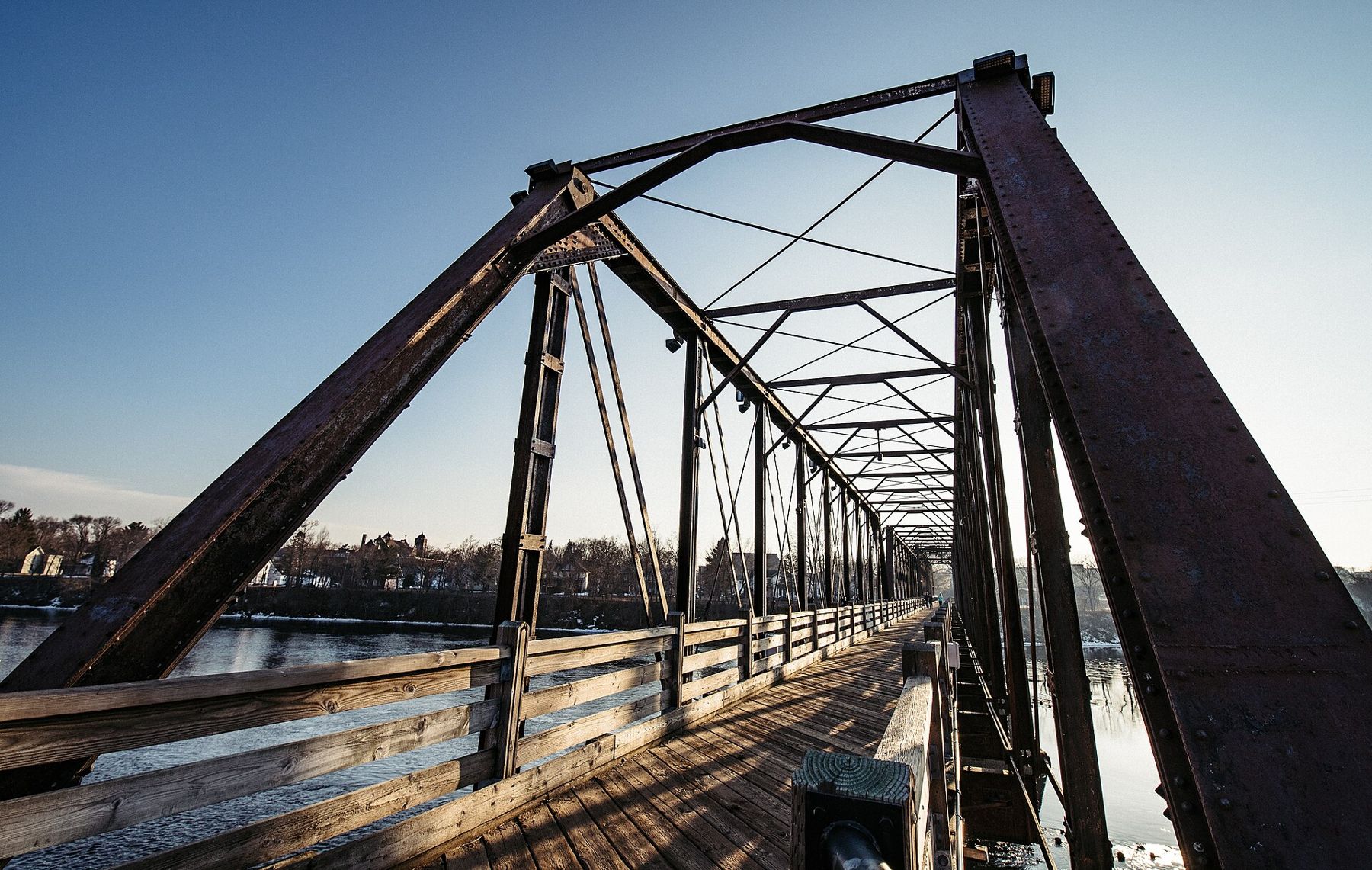
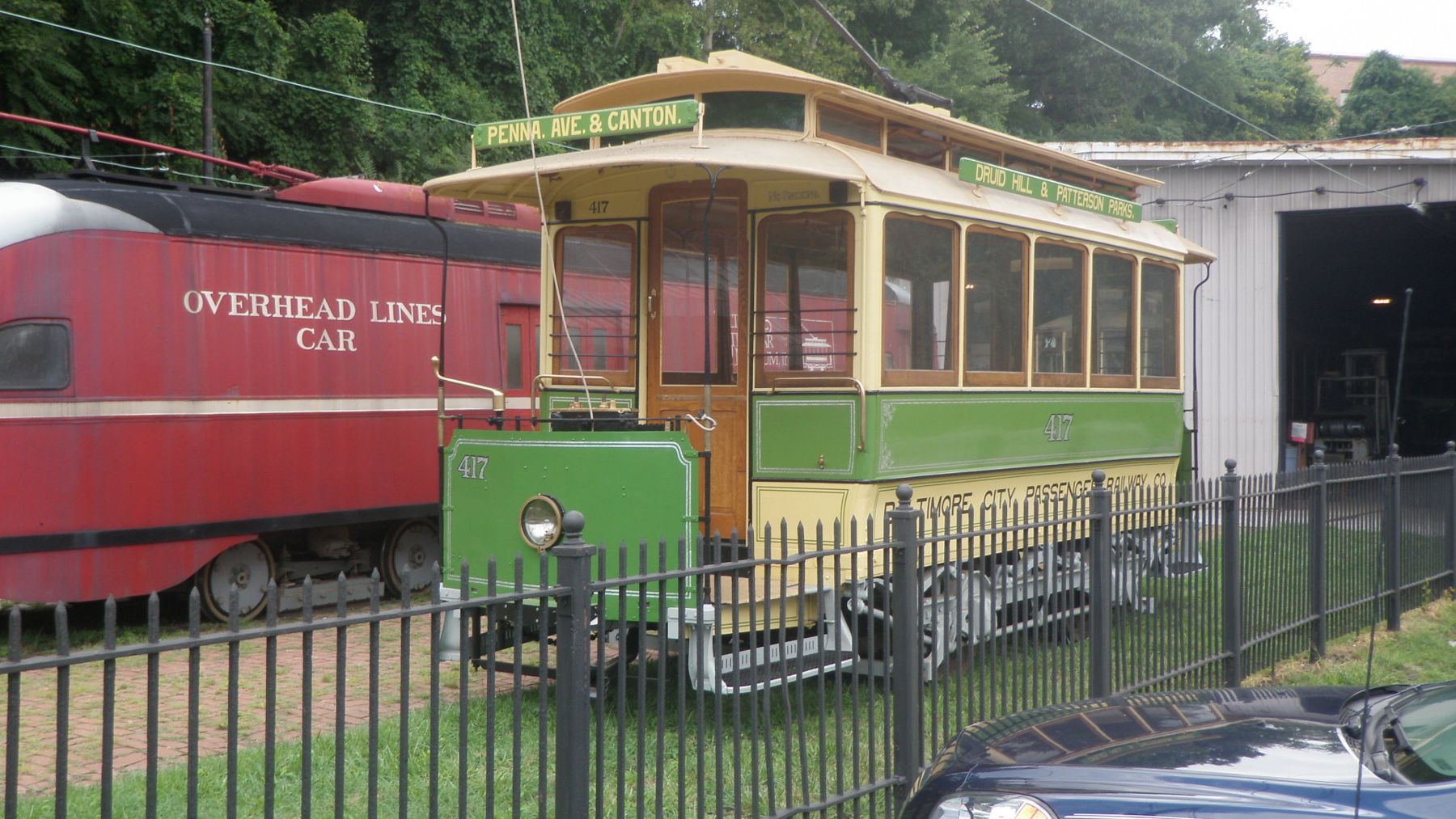
By the late 1960s and early 1970s, freight traffic had dwindled, and railway enthusiasts saw the chance to preserve the line. A museum group took over operation and began running restored electric cars for the public in the early 1970s. Over the years volunteers have gathered cars from many systems: interurban cars from Wisconsin and Illinois, streetcars, and rapid transit cars from Chicago, including one from the elevated lines.
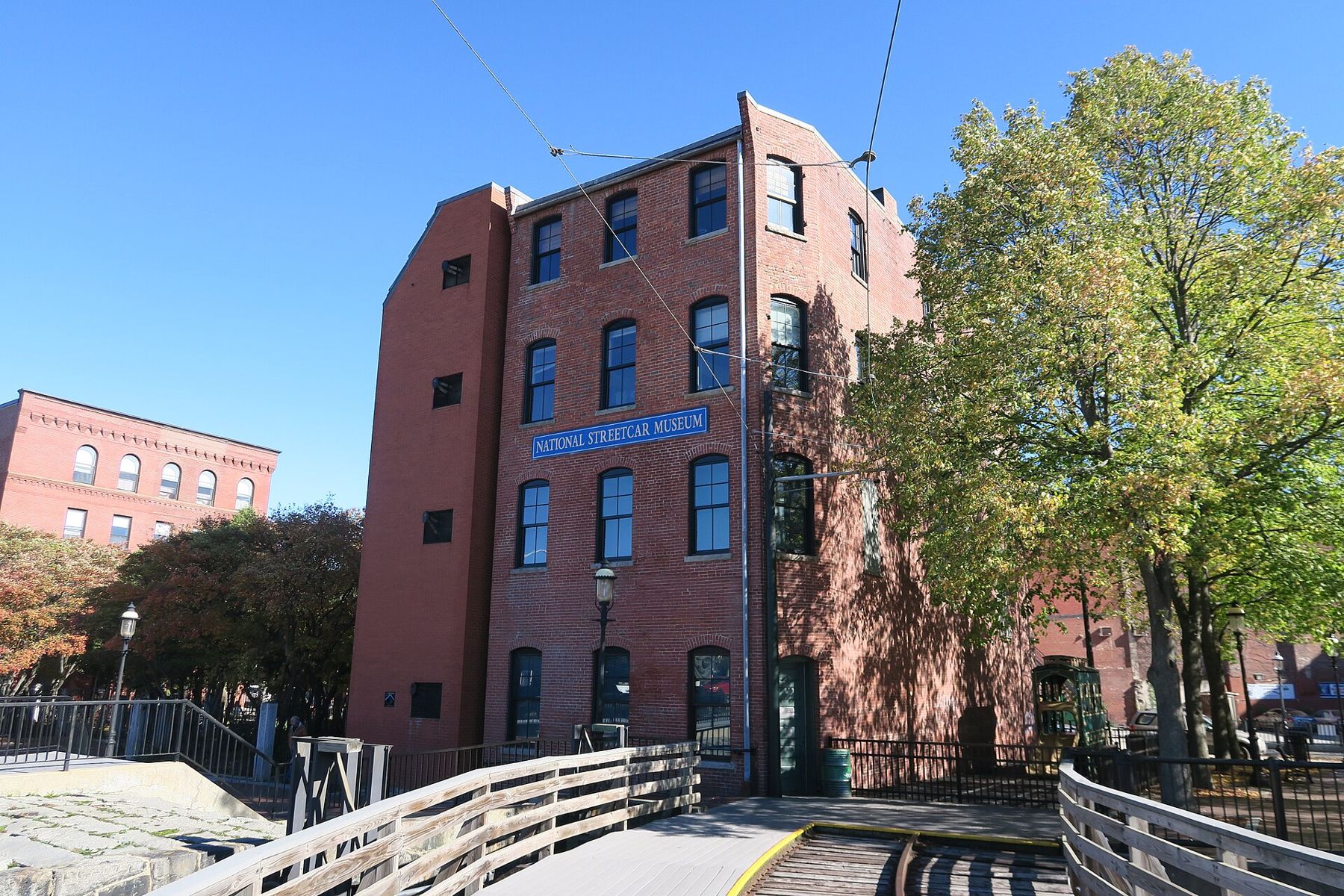
The museum building in East Troy is a former electric substation from the interurban era, where power for the line was once converted and fed to the wire. Inside you will find exhibits on the interurban network, tools and equipment, and photographs of the line in its working years. The rail yard and car barns hold cars in various stages of restoration, and volunteers do much of the mechanical and electrical work themselves.
The ride today
The trolleys run several miles from East Troy toward Mukwonago, through farmland, past wetlands and along the edge of the Kettle Moraine country. The pace is gentle, and the cars rock and hum in a way that no modern train does. Many riders get off at a farm market and bakery on the way, long known for its apple pies, and catch a later car back.
The railroad also runs dinner trains in restored dining cars, holiday trains in winter, and special events through the season. Some trips use cars from different eras, so the same line can feel like 1910 one weekend and 1950 the next.
The line is one of the best places in Wisconsin to understand how much rural life once moved on rails. For the wider story of how railroads shaped the towns around here, read our page on the railroad towns of Waukesha County.
Riding what remains today
Drive into East Troy on Highway 20 or County ES, and follow signs from the village square to the depot museum. Park there, walk the museum and the yard, then board at the platform.
Check the schedule before you go. Regular rides usually run on weekends from late spring into autumn, with added days in summer and special trains around the holidays. Fares and timetables change from year to year, so check before you go, and book ahead for dinner or holiday trains.
Bring children. The museum is hands-on in places, the cars are noisy in the best way, and volunteers in the yard are usually glad to explain what they are working on. Families with small children often ride one way, stop at the farm market, and ride back after lunch.
Sit near the front if you can, where you can watch the motorman work the controls and see the wire ahead. Look out at the poles as you go; many have stood along the line for generations.
Dress for the weather. Some cars are open or only partly enclosed, and the fields along the line catch the wind in spring and autumn.
Ride the whole line. If you stop at the farm market partway, plan the return car before you get off, since cars run only a few times a day.
Then spend the rest of the afternoon around East Troy. The square has old storefronts and a bandstand, and Lake Beulah is a few minutes north if you want water. If you are heading home toward Mukwonago, take the county roads that run beside the line, and you may catch a trolley rolling across the fields.