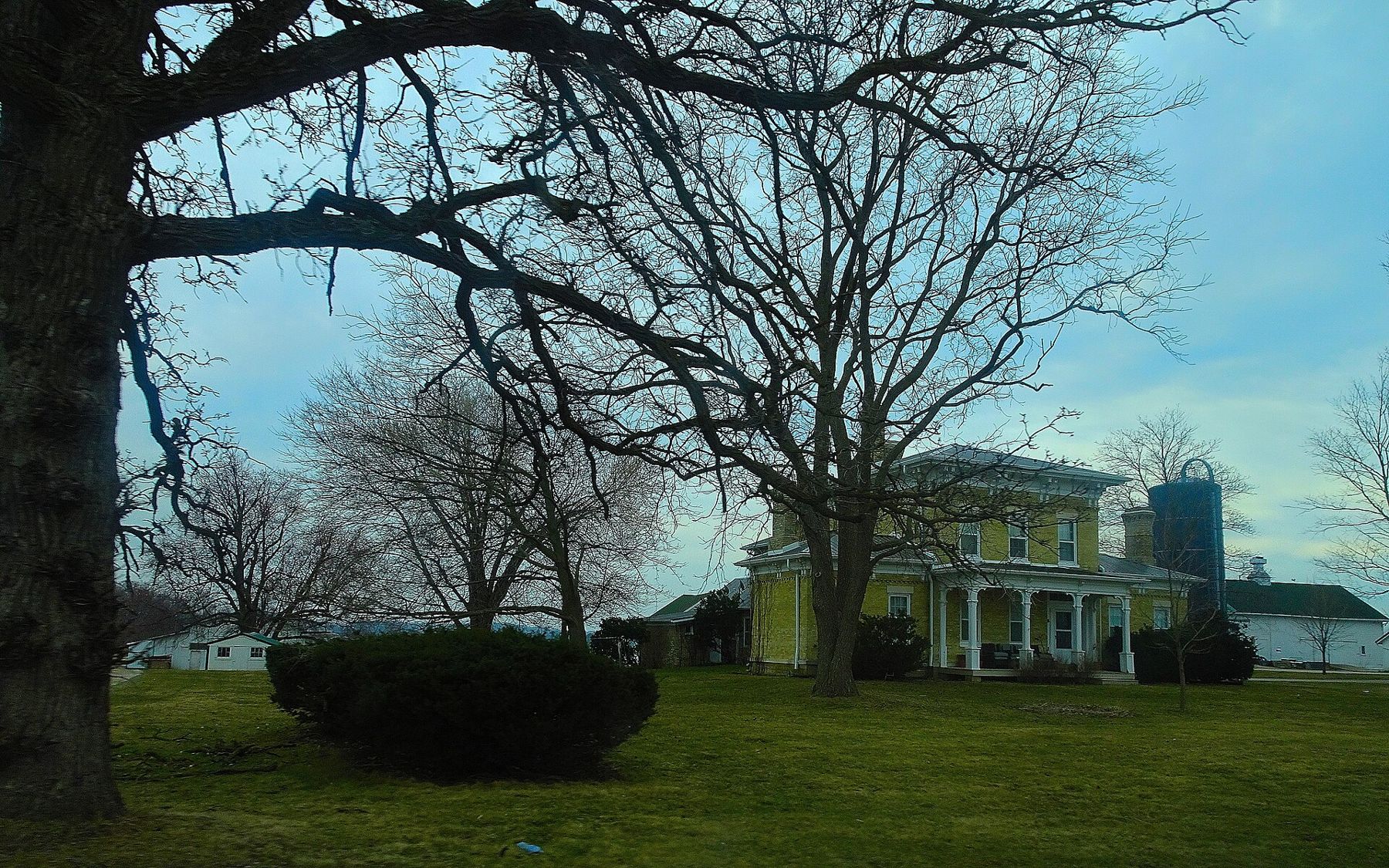
The Rock River runs wide and slow through Fort Atkinson, and on a quiet street a few blocks from it stands a Gothic Revival house with steep gables and pointed windows. It holds the story of how a small-town newspaper editor helped change the farming of a whole state. Wisconsin did not become the dairy state by accident, and a good part of that change was argued out in print in this town.
A fort, a river and a town
Fort Atkinson takes its name from a temporary stockade built here in 1832, during the Black Hawk War, by troops under General Henry Atkinson. The fort itself did not last, but settlers followed within a few years. The town grew on the Rock River with mills, shops and farms, and by the middle of the 1800s it was a market centre for the farms of Jefferson County.
Those farms grew wheat. Through the 1850s and 1860s, wheat was Wisconsin's great cash crop. It was also hard on the soil. Year after year of wheat wore out the land, insects and disease spread, and prices fell as new wheat lands opened farther west. By the 1870s many Wisconsin farmers were in trouble.
William Dempster Hoard
William Dempster Hoard was born in New York in 1836 and came to Wisconsin as a young man. He served in the Civil War, then went into newspapers and settled in Fort Atkinson. He became convinced that the future of Wisconsin farming lay in dairy cows rather than wheat, and he spent the rest of his life making that case.
In the early 1870s he helped found the Wisconsin Dairymen's Association, which brought farmers together to share methods and improve butter and cheese. In 1885 he began publishing a farm paper called Hoard's Dairyman from Fort Atkinson. It argued for better dairy breeds, for silos and winter feeding, for testing herds for disease, for clean milk and for careful records. The paper reached farmers across the country and is still published in Fort Atkinson today.
Hoard also went into politics. He was elected governor of Wisconsin and served from 1889 to 1891. He lost his bid for a second term in a bitter fight over a school language law, and went back to farming and publishing. He died in 1918, by which time Wisconsin had become the leading dairy state in the nation.
The dairy state
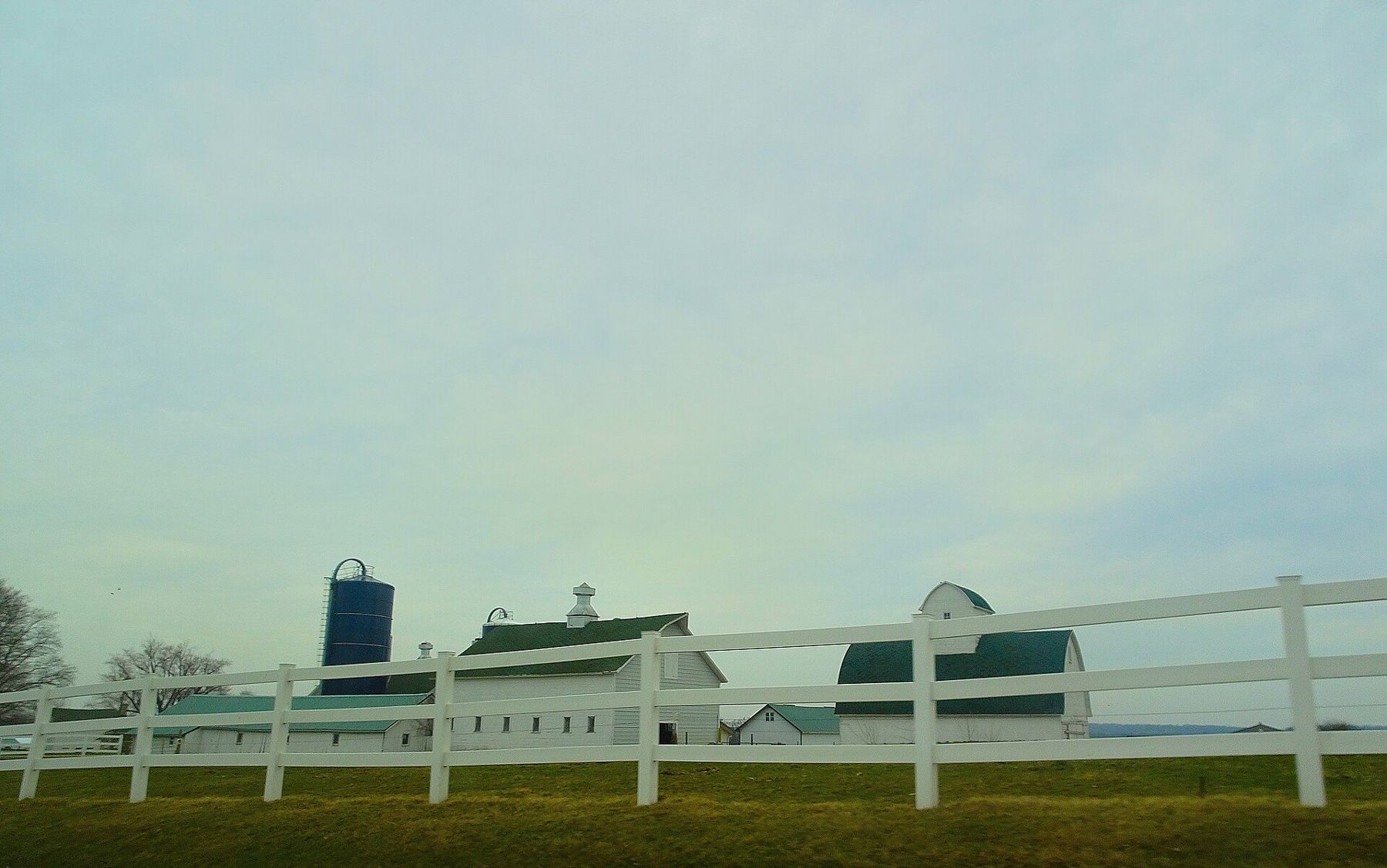
Hoard was not alone. University scientists, cheesemakers, cooperative creameries and many thousands of farm families did the work. But his paper and his speeches gave the shift a voice. The red barn, the silo and the herd of black-and-white cows that now look so timelessly Wisconsin largely date from this period, when farmers turned from wheat to milk.
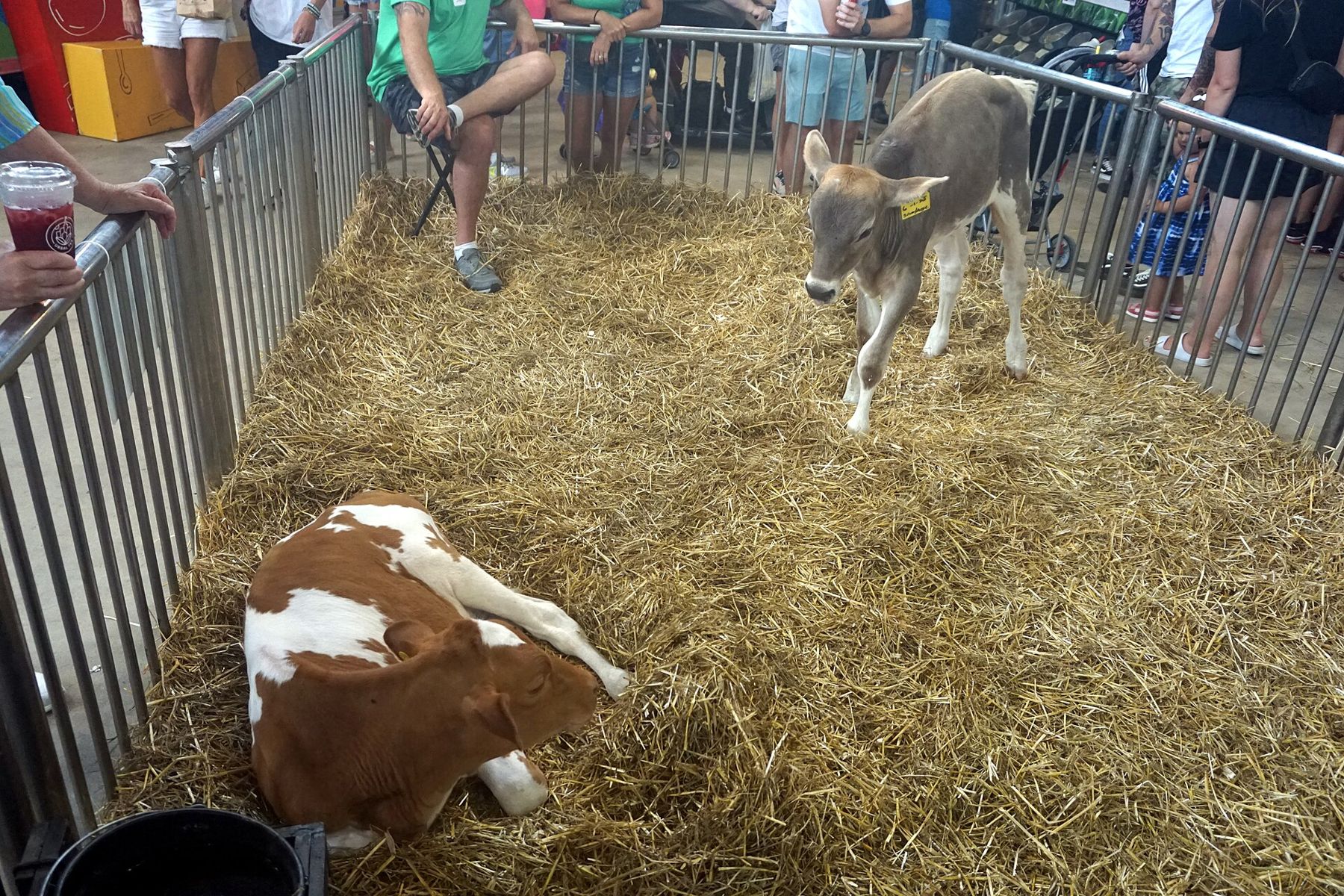
That change shaped the land you drive through. The cheese factories at rural crossroads, the creameries in small towns and the hayfields that replaced wheat fields all followed from it. If you want to taste the result, follow our cheese country drive or read about Wisconsin's cheese curds.
What the dairy farmers changed
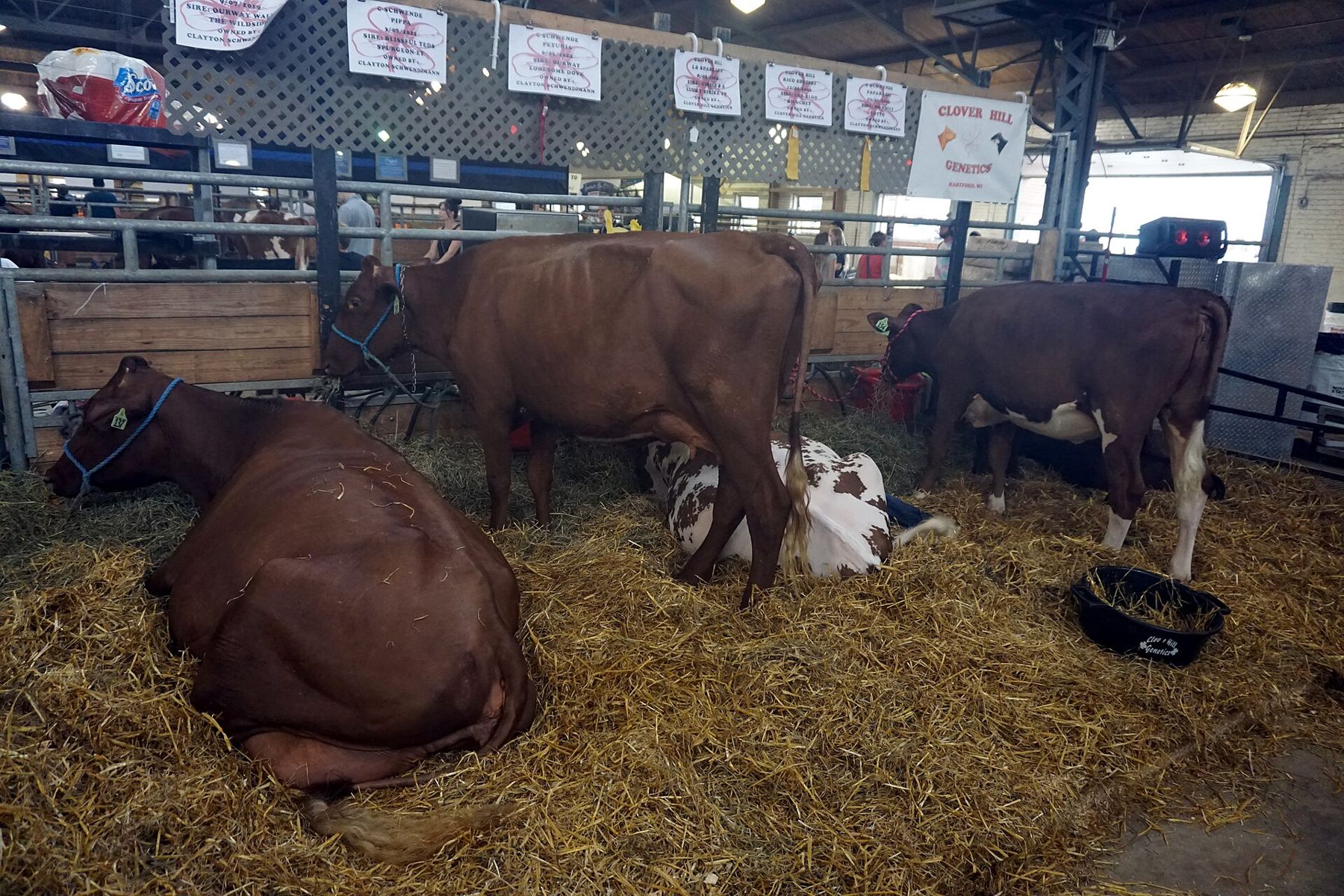
The shift from wheat to dairy was not just a change of crop. It changed the shape of a farm and the rhythm of a farm family's year. Wheat was planted, tended and harvested in a season. Cows needed milking twice a day, every day, all year. Farmers needed winter feed, which meant hay, corn and silage, and that meant barns big enough to hold it and silos to store it.
It also changed rural towns. Small cheese factories and creameries opened every few miles, so that farmers could deliver milk by wagon each morning before it spoiled. Butter and cheese shipped by rail to cities across the country. Cooperative creameries gave farmers more control over prices. Many of the crossroads hamlets you pass in Jefferson and Walworth counties once had a cheese factory of their own.
Hoard's paper pushed for practices that now seem basic: keeping records of each cow's milk, feeding balanced rations, breeding for production and testing for tuberculosis. Not every farmer welcomed the advice at first. Over a generation, much of it became standard.
The museum and the dairy shrine
The Hoard Historical Museum occupies a nineteenth-century house once home to members of the Hoard family. Its galleries cover the history of Fort Atkinson and Jefferson County: Native history of the Rock River valley, the Black Hawk War, early settlement, local industry and everyday life. Collections include clothing, tools, quilts and objects from the town's homes and businesses.
The museum also houses the National Dairy Shrine's museum, which tells the story of American dairying, from hand milking and butter churns to modern herd management, and gives Hoard's own work a central place. On the same grounds stands the Dwight Foster House, built in the early 1840s by one of the town's founders and one of the oldest houses in the county.
Seeing what remains today
Drive into Fort Atkinson on Highway 26 or Highway 12, and head for the older streets west of the river. The museum sits in a residential block a short walk from downtown, with parking nearby.
Give the museum at least an hour. Start with the dairy galleries, then the local history rooms, then cross to the Foster House. Hours vary through the year and some areas open only in certain seasons, so check before you go.
Look for the small details as you go: early milk bottles and cans, cheese presses, butter moulds, and photographs of crossroads cheese factories that have long since closed. Together they show how quickly the dairy business grew from farm kitchens into an industry.
In the local history rooms, look for material on the Native history of the Rock River valley and on the Black Hawk War, which ran through this part of Jefferson County in 1832. The war is a hard chapter of Wisconsin's past, and the museum treats it as part of the town's story rather than a footnote.
Afterward, walk to the river. The Rock River walk downtown runs past old mill sites and brick commercial blocks, and it is the best place to picture the market town Hoard knew. Read our page on the Rock River at Fort Atkinson if you want to paddle it.
Stop downtown for a meal or a coffee before you leave. Fort Atkinson's main street still has the brick blocks of a nineteenth-century market town, and many of the buildings date from the years when Hoard was editing his paper a few streets away.
Then drive out of town to see the Hoard's Dairyman farm, still a working dairy operation linked to the paper. Stay on the road; it is private land, and the barns are working barns.
On the way home, watch the farms you pass. Look at the barns, the silos and the cows in the fields, and you are looking at the change this town argued for more than a century ago.