Come at it from the south on a June morning, with mist still lying in the bays, and Lake Beulah looks like several lakes stitched together. It is long and irregular, folded into bays and narrows and wooded points, with cottages and year-round homes along most of the shore and the open water of the main basin in the middle. The lake sits in the southeast corner of the glacial country, in Walworth County just north of the village of East Troy and a short run southwest of Mukwonago.
This is a residents' lake more than a destination lake. There is no big state park on its shore and no strip of resort hotels. What you get instead is clear water, good fishing, a working village a few miles away and the feel of a Wisconsin summer that has not changed much in decades. Treat it as a half-day or a day: a morning on the water, an afternoon in East Troy.
On the water
Lake Beulah is big enough for water skiing and cruising and twisted enough that you never see all of it at once. Run the main basin if you want open water. Turn into the bays if you want shelter from the wind, shallow weed edges and the slower pace of pontoons and fishing boats.
The shape of the lake works in your favour on a windy day. A west wind that builds whitecaps in the open basin leaves the sheltered coves almost flat. Check the wind before you launch a kayak or canoe, keep to the lee shore and cross open water early, before the afternoon breeze and the boat wakes pick up. Our page on launching a kayak covers carry-in access and the wind on small lakes in more detail.
Respect the slow-no-wake zones. They protect shallow bays, swimmers at private piers and the shoreline itself, and on a summer weekend they are watched. Keep a sharp lookout near piers and rafts: much of the shore is private, and families swim off the end of their docks all summer.
Fishing
The lake holds the fish you would expect from a deep, weedy glacial lake in southern Wisconsin: largemouth bass along the weed lines and piers, northern pike in the weedy bays, and bluegill, crappie and perch for anyone with a light rod and a bucket. Fish the drop-offs at the edge of the weeds early and late in the day. In winter, anglers walk out to the bays for panfish once the ice is safe.
You need a Wisconsin fishing license if you are sixteen or older, and size and bag limits vary by water and species. Check the current rules for Walworth County before you keep anything. Our page on fishing licenses explains who needs one and how to buy it.
Swimming and water quality
Most of the shoreline is private, so swimming here usually means swimming from a boat or from a pier you have permission to use. Swim away from boat lanes and fly a diver-down or swimmer flag if you are off a boat in open water.
Lake Beulah is generally clear, but no lake is immune to an algae bloom after a long hot, calm spell in late summer. If the water looks like green paint or has a scum on top, stay out and keep dogs out. Read our page on lake safety and algae before an August trip.
The dam and the quieter shore
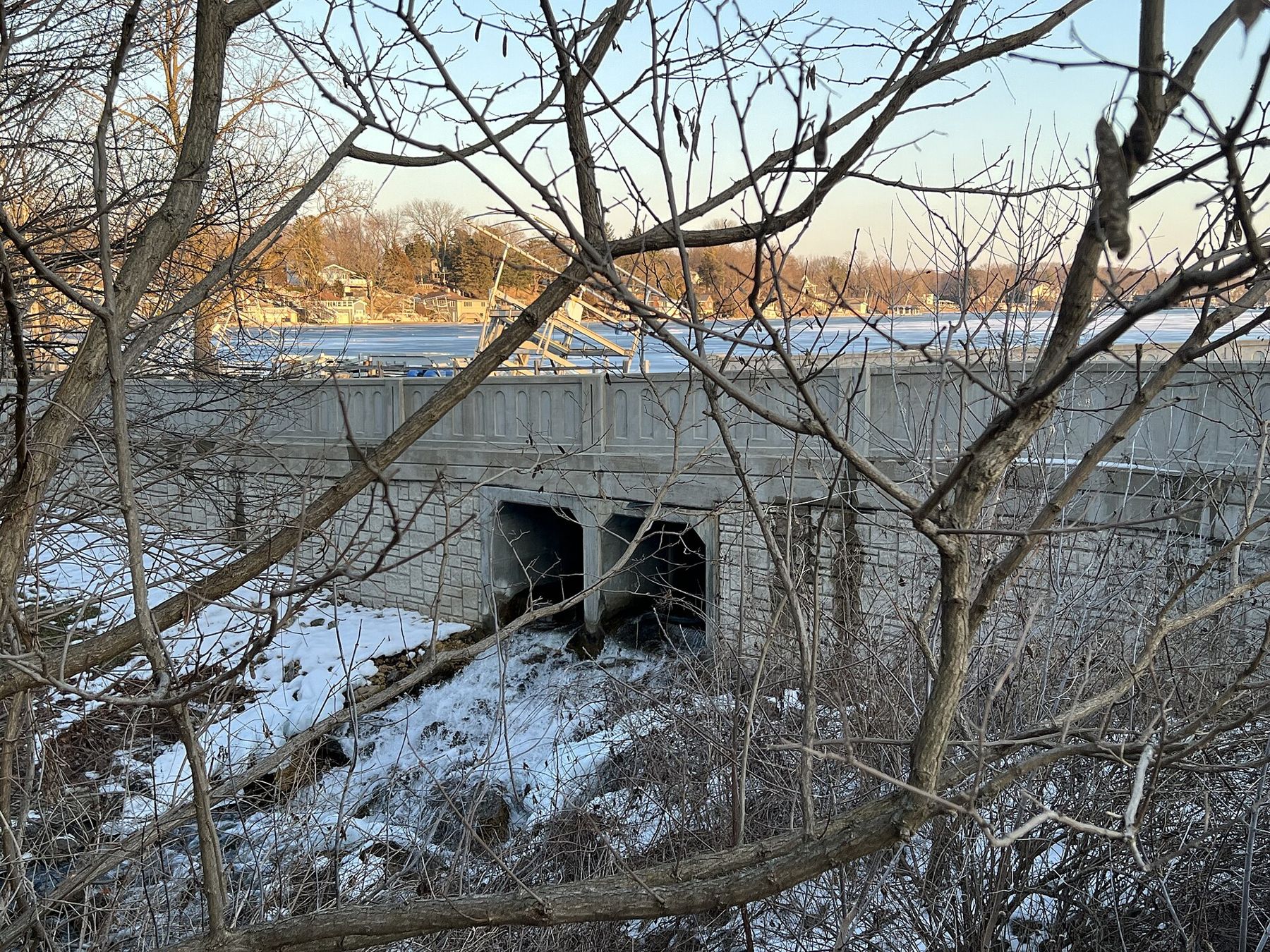
Water leaves the lake over a small dam, and a walk past it in winter, when the main basin is white with ice and the outflow still runs open below the concrete, shows you how the lake works. The water level is held by that structure, which is why the shoreline and the piers stay put through most seasons.
The quieter character of Lake Beulah lives in its bays. Go out in a canoe at dawn in May or September, when the summer homes are shut or still asleep, and you will share the water with herons, loons passing through in spring and fall, and the occasional angler working the weeds. That is the lake at its best.
East Troy, the village
East Troy is a few miles south of the lake, built around a broad village square with a bandstand, shade trees and shops and taverns on all four sides. Park on the square and walk it. On summer evenings the square hosts concerts and events; check the village calendar before you go.
The village is also the home of a heritage electric railway. Restored interurban and trolley cars run on a stretch of old electric line between East Troy and the Mukwonago area on a seasonal schedule, and the ride is an easy way to see the farm country around the lake. Our page on the East Troy Electric Railroad has the history and what to expect; check the current schedule before you plan around it.
Look for a fish fry on a Friday night and a supper club somewhere on a county road; this corner of Walworth County has both, and both change hands and hours often enough that you should check before you drive. Near the village, the Alpine Valley ski hill and its outdoor music theatre draw crowds in winter and on concert nights, which is worth knowing when you plan your drive home.
How to arrive
From Milwaukee, take I-43 southwest. Leave at the East Troy exit for the village, or at the Mukwonago exits for the north end of the lake, then follow the local roads to the public access. The drive takes about forty minutes from downtown Milwaukee outside rush hour. From Chicago, plan on about two hours, coming north through Lake Geneva or up I-94 and across.
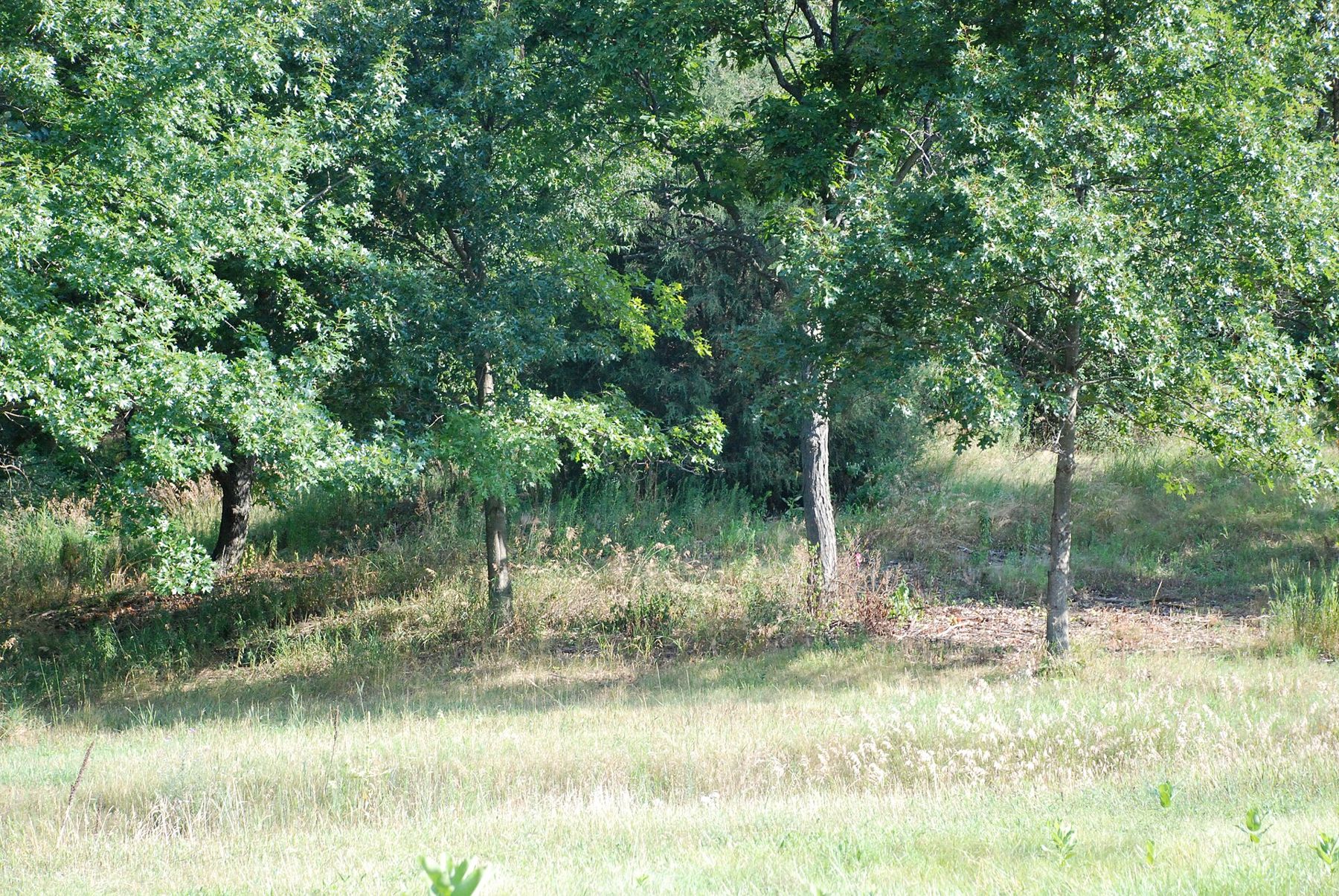
From Eagle, the drive is short: head south and east through Mukwonago, roughly twenty minutes on county roads. Pair the lake with a walk at Mukwonago County Park, a few miles north, where oak openings and ponds give you a dry-land counterpoint to a morning on the water, or with a paddle on the Mukwonago River, one of the cleanest streams in the region.
Whatever you launch, check that it is clean, drained and free of weeds before you launch, as state law requires at every landing. Then put in, turn into the first sheltered bay you see, and cut the motor.