Morning wins. On almost every lake in this country the water is flattest from sunrise to about ten, before the afternoon breeze builds and the powerboats come out. Plan your launch for early, and you can paddle almost anywhere on the map.
The lakes here range from tiny kettles you can cross in five minutes to Geneva Lake, which is more than seven miles long. Rivers such as the Bark, the Mukwonago and the Rock add gentler water for anyone who wants to travel rather than circle. The trick is matching your boat, your skill and the day's wind to the right put-in.
Carry-in or ramp
A carry-in launch is a gravel path or small beach where you walk your boat to the water. These suit kayaks and canoes best: no waiting behind trailers, no wakes, and often a quieter corner of the lake. A boat ramp is a concrete slope built for trailers. You can launch a kayak there too, but do it off to one side, load your boat on the grass first and move it off the ramp quickly.
- At a busy ramp, never block the lane while you load gear. Pack the boat in the parking lot.
- Use the courtesy pier if there is one, but step aside for powerboats retrieving their trailers.
- On a carry-in, check the bottom: some put-ins are firm sand, others are soft muck that swallows your shoes.
- Look at where you will land on the return. A launch that is easy at nine can be a headwind at three.
Good places to start include the state forest lakes, where motors are limited or banned, such as the small lake at the Ottawa Lake Recreation Area. For river trips, read our pages on paddling the Bark River and the Mukwonago River first; both need a plan for getting back to your car.
Renting a boat
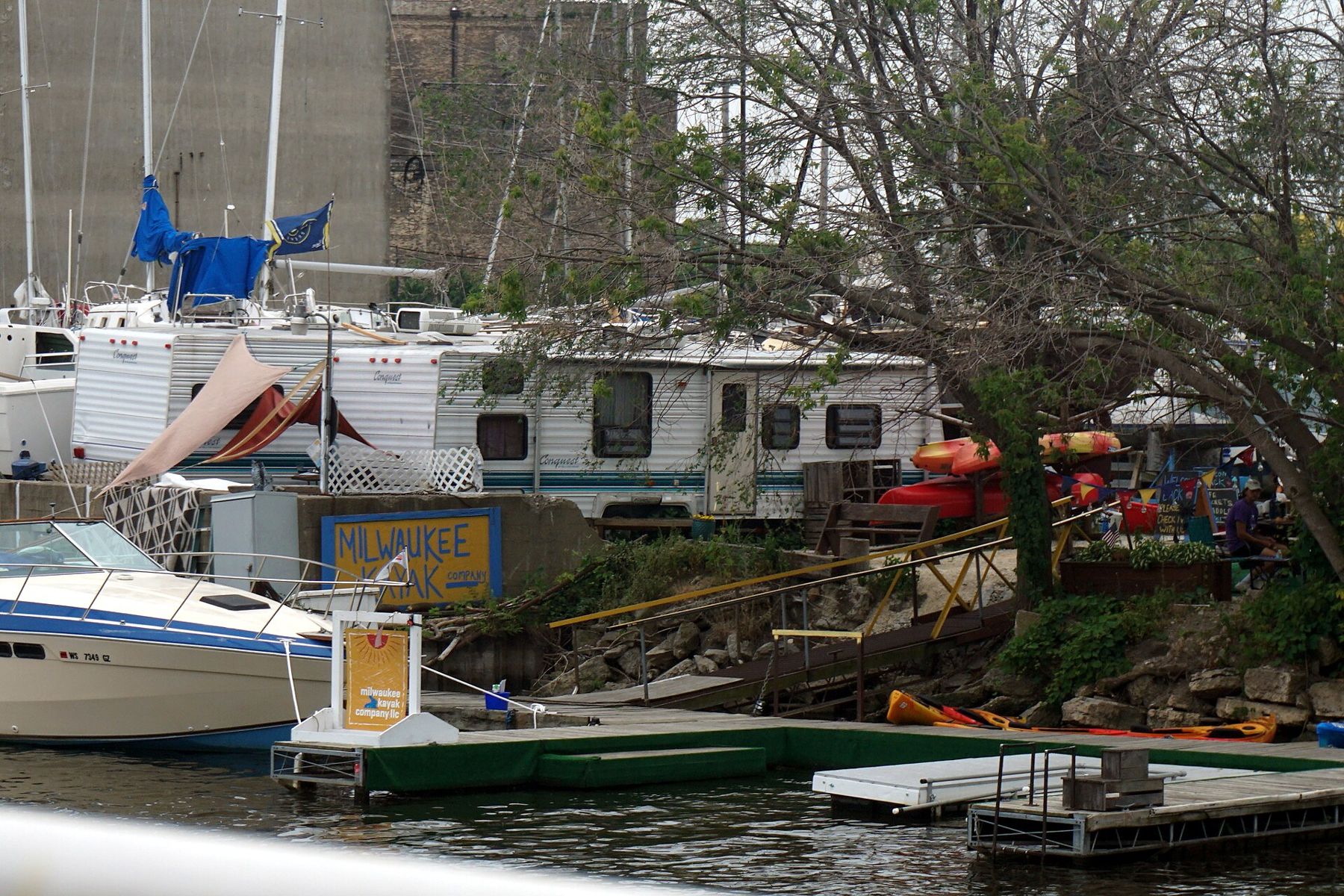
If you do not own a kayak, you have choices. Some outfitters in Lake Country, Lake Geneva and Fort Atkinson rent kayaks, canoes and paddleboards by the hour or the day, and some run shuttles for river trips. A few parks and town beaches offer seasonal rentals. Availability, prices and seasons change every year, so call ahead or check the rental's current schedule before you drive.
When you rent, ask for a life jacket that fits, a paddle sized for your height and a short orientation if you are new. Most rentals require you to stay within a set area or return by a set time. Respect both: it is how they know to come looking for you.
Clean boats, every time
Wisconsin requires every boater, including kayakers and canoeists, to stop the spread of invasive species from one water to the next. Zebra mussels, Eurasian watermilfoil and other invaders travel on hulls, paddles, trailers and in the water you carry out. Before you leave any landing, do this:
- Inspect your boat, paddle and gear for plants, mud and animals.
- Remove everything you find, and throw it in the trash at the landing, not on the ground.
- Drain all water from the boat, the hatches, bait buckets and any live well.
- Never move live fish or bait from one water to another.
- Dry the boat before you launch it somewhere else, ideally for several days.
Some launches have volunteers who check boats on busy weekends. Answer their questions; the rules apply to a twelve-foot kayak the same way they apply to a bass boat.
Reading the wind
Wind is the paddler's real hazard on these lakes. A breeze that barely moves the trees on shore can build a steady chop across a mile of open water, and a long lake running with the wind, such as Geneva or Pewaukee, can raise waves big enough to swamp a recreational kayak.
- Check the forecast for wind speed and direction, not just rain.
- Paddle into the wind on the way out, so the wind helps you home when you are tired.
- Stay near the upwind shore, where the water is calmest, and cross open water only when it is flat.
- Watch the sky to the west. Summer storms arrive fast; head for shore at the first thunder.
Read our page on lake safety too, especially if you plan to swim from your boat in late summer.
What to carry
Bring a wearable life jacket for each person, a whistle, drinking water, sun protection and a dry bag with your phone and car keys. Add a spare layer in spring and fall. On a busy lake, wear something bright so powerboat drivers see you low on the water, and stay out of the main boat lanes.
The quiet edges of a lake are why a kayak beats a motorboat. Slide along a marsh margin early in the morning and you may see herons, turtles on logs and, in the wetter corners of the Kettle Moraine, sandhill cranes feeding in the shallows.
When the season ends
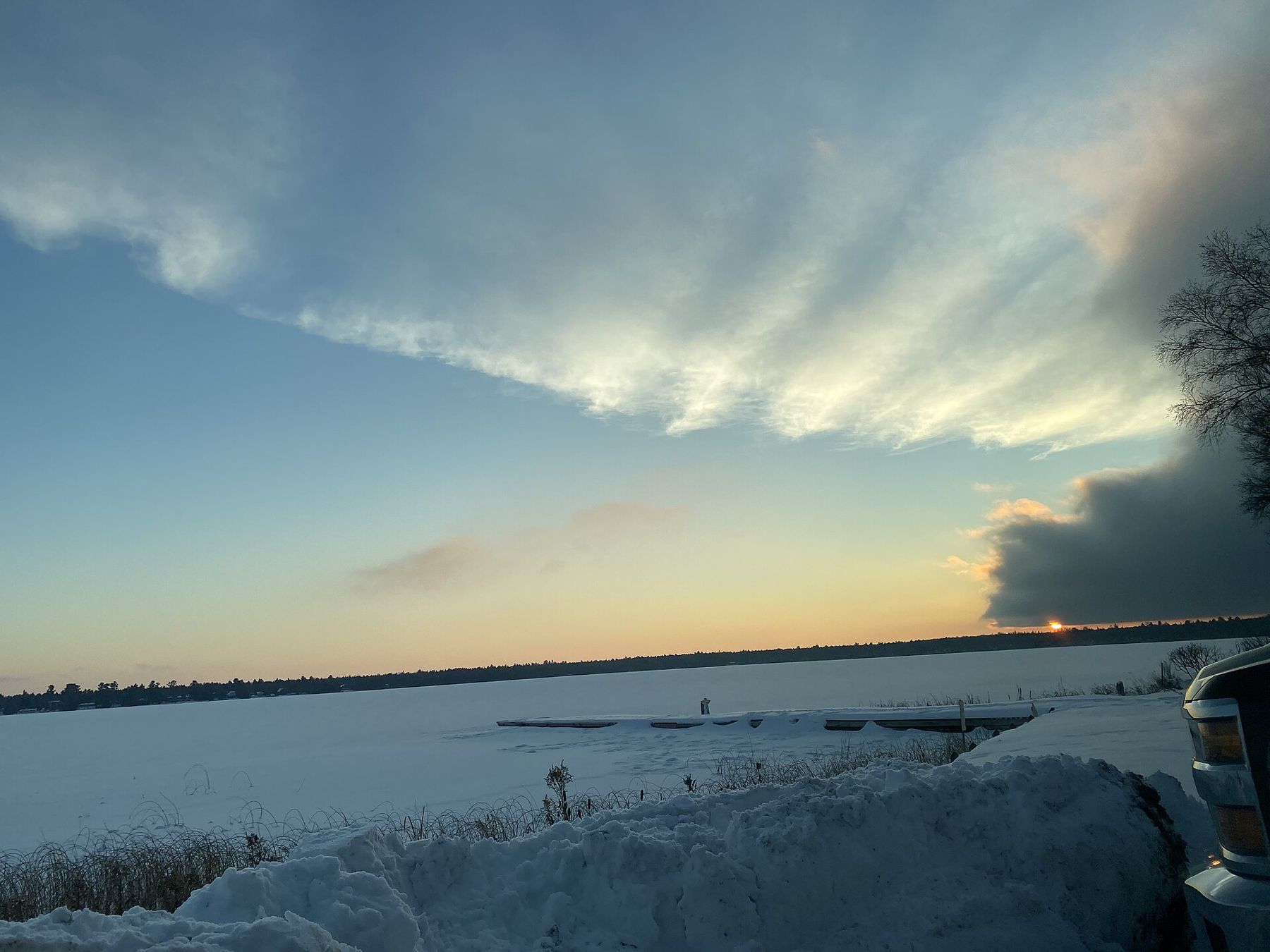
Paddling here runs from ice-out, usually in late March or April, until the lakes skim over again in late November or December. The shoulder seasons are beautiful and empty, but the water is near freezing. Paddle close to shore, with a partner, dressed for immersion, and keep your trips short.
Once a lake freezes, the same landings become the walk-out points for ice anglers, and your kayak goes on the rack until spring.
Until then, launch early, come back while the water is still flat, rinse and dry your boat, and leave every landing cleaner than you found it.