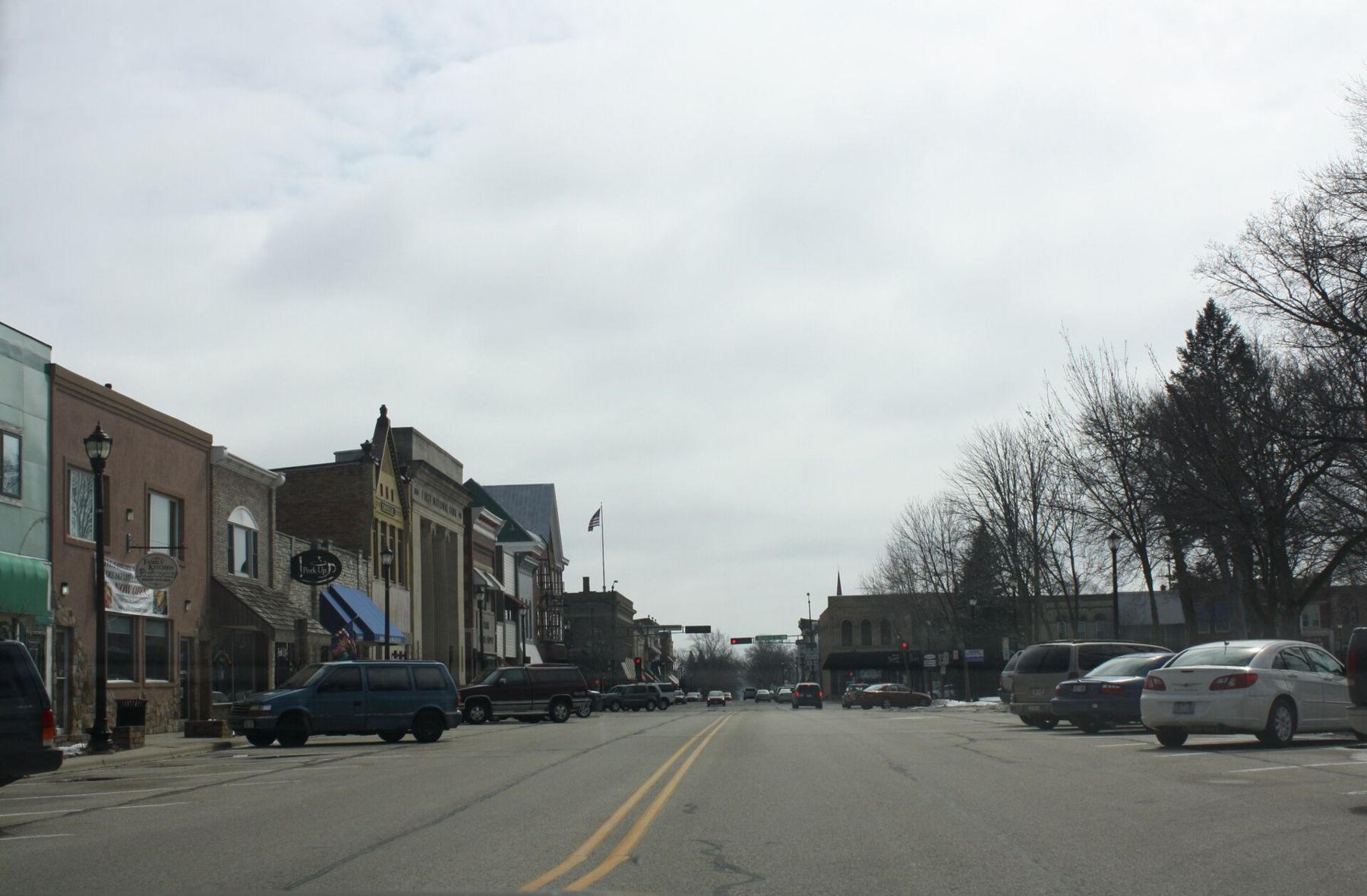
The state line comes up quickly. Within an hour and a half of the Loop, the land rises into wooded hills and the fields turn into the lake country of Walworth County. This day keeps you close to the border: one lake town, one county seat, one village square and a walk in the Southern Unit of the Kettle Moraine State Forest.
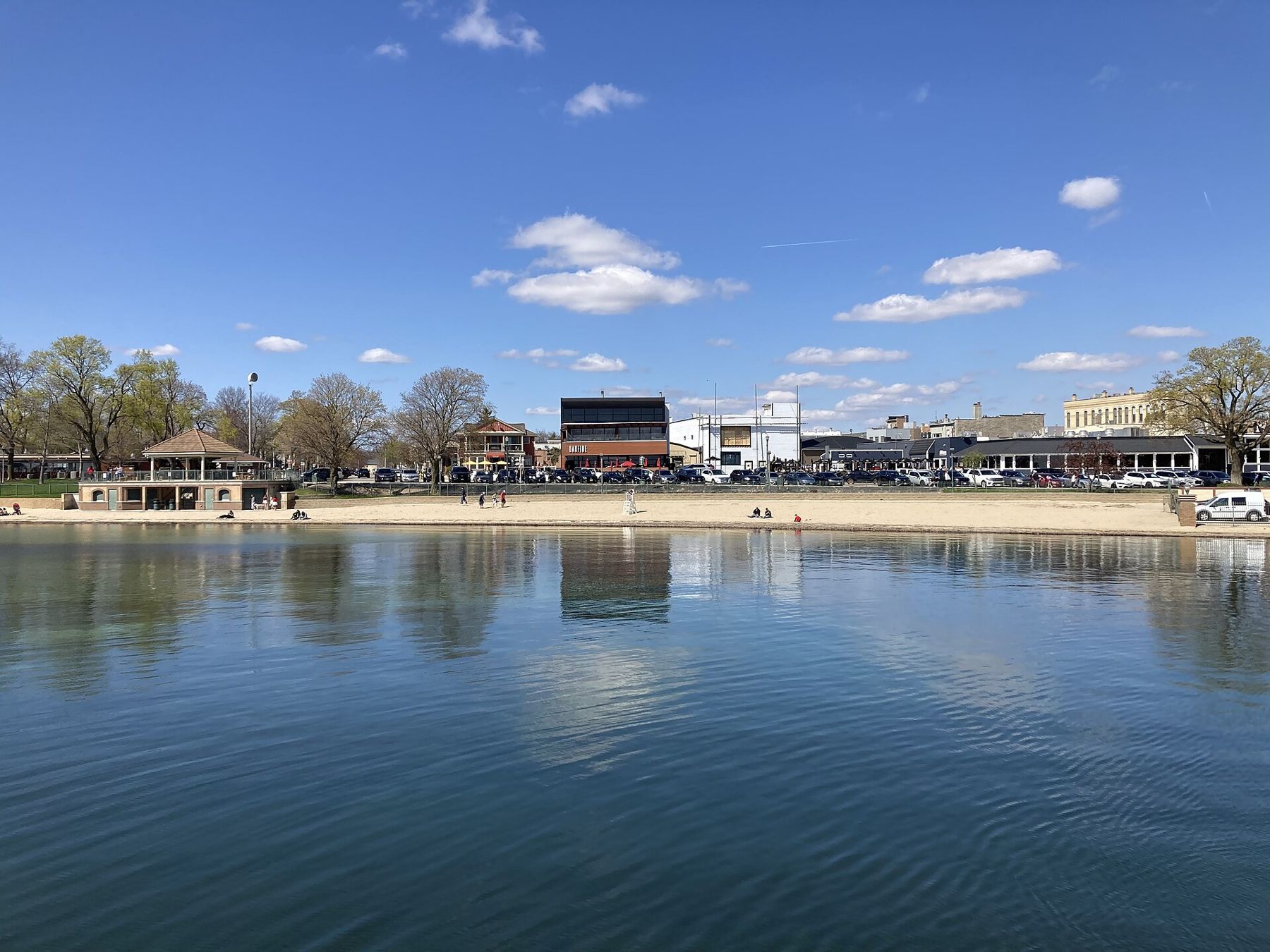
- Lake Geneva Drive north on I-94 and west on WIS 50, or come up US 12 from the northwest suburbs. Park near the lakefront and walk part of the public shore path that circles Geneva Lake, past old estates and boathouses. Our page on the Lake Geneva shore path has the best sections. In summer, the town is busy by late morning.
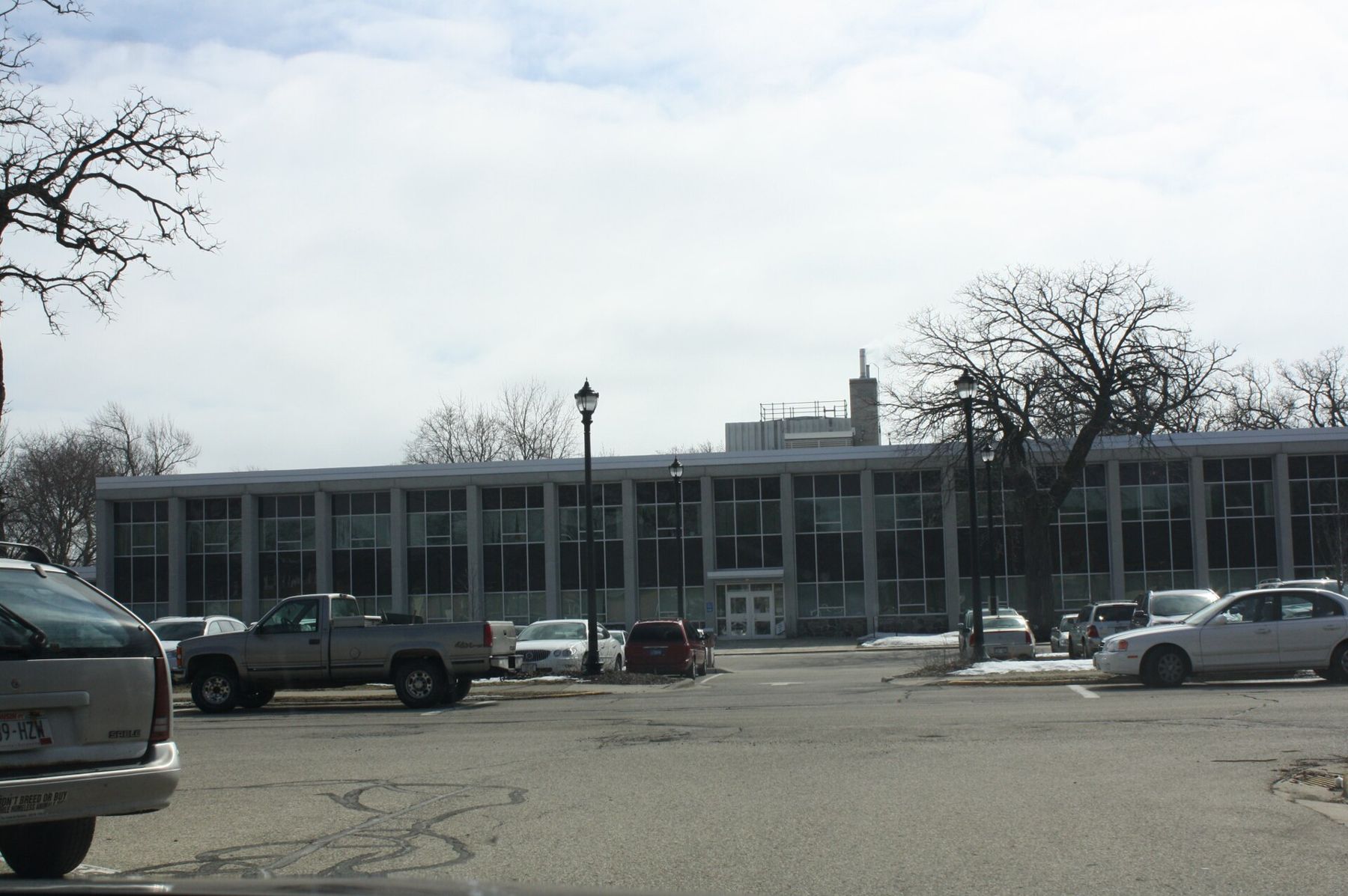
- Elkhorn Drive north to Elkhorn, the Walworth County seat. The downtown is built around a square with the old courthouse, and the streets around it have shops and places to eat. Eat lunch here. Read our page on Elkhorn for more.
- East Troy Continue northeast to East Troy. The village is built around a green square with old brick buildings on all sides. In season, the East Troy Electric Railroad runs historic electric cars on a short line from the village; check the schedule before you go.
- The Southern Unit Drive west toward Eagle and the Southern Unit. Stop at any trailhead and walk an hour on the Ice Age Trail or one of the shorter loops. The oak ridges and the kettle ponds are the reason you came. Our page on the Ice Age Trail in the Southern Kettle Moraine lists good short walks.
- Whitewater Lake If you have time, finish at Whitewater Lake, on the southwest edge of the forest. Sit by the water, then head south through Elkhorn and back over the state line.
Crossing the line
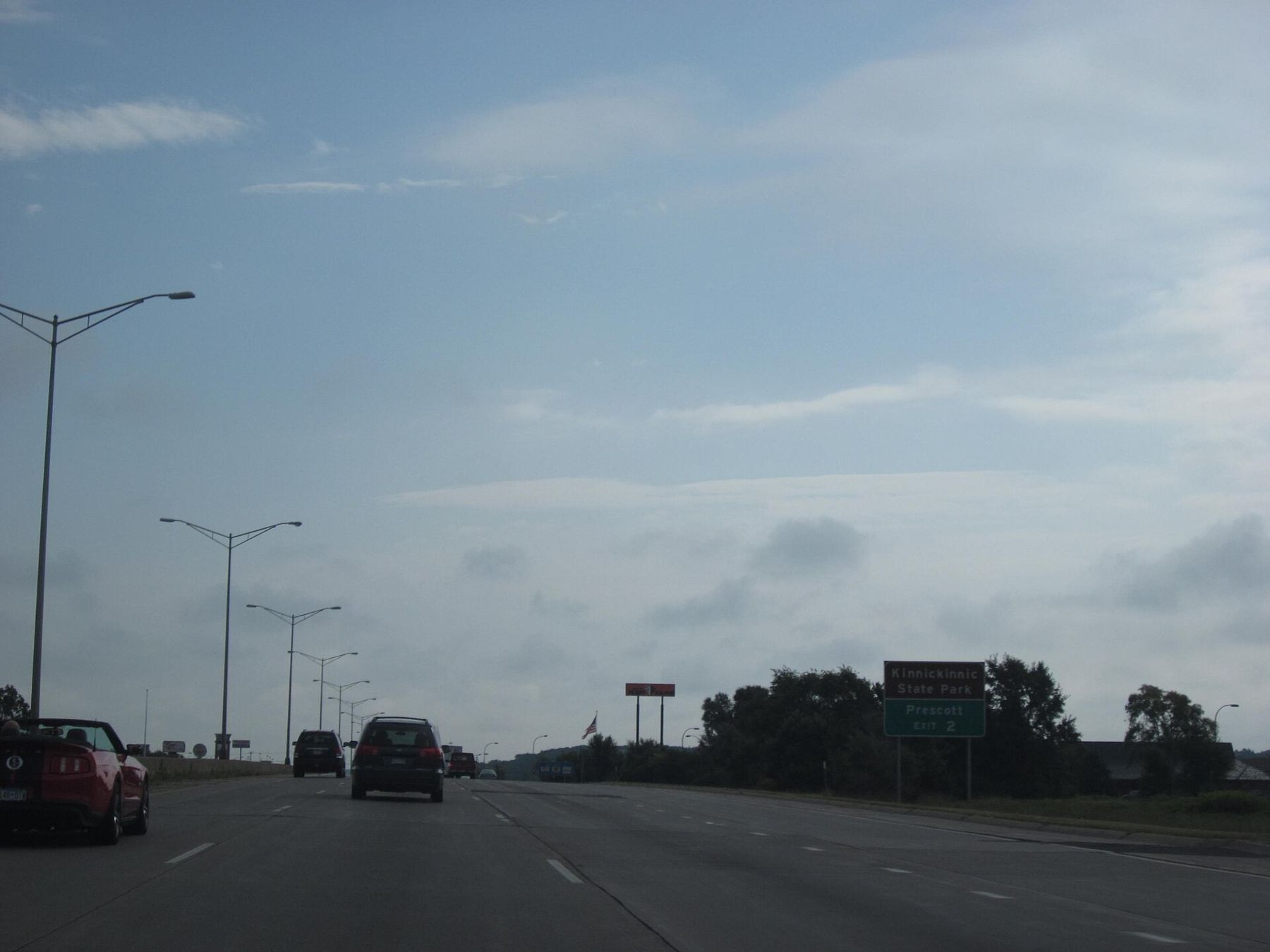
The first part of the day is the least interesting, so get it over with early. North of the city the tollway runs through suburbs, then outlet malls and warehouses near the state line. Once you leave the interstate for WIS 50, the country changes quickly. The road rolls over low hills, past farms and small lakes, and the woods thicken as you approach Geneva Lake.
If you come from the northwest suburbs, US 12 is the more direct road. It crosses the line at Richmond and runs north past Genoa City to Lake Geneva. Either way, allow about 90 minutes from the city on a clear morning, and longer on a summer Saturday.
The walk at Lake Geneva
The shore path is the reason to stop. It runs right around Geneva Lake, across the front lawns of estates built by wealthy Chicago families in the decades after the Great Fire of 1871, and it stays open to walkers by long tradition. The surface changes from one property to the next: stone, brick, gravel, grass, wooden steps. Some sections are narrow, with the water a step away.
From downtown Lake Geneva, walk west along the shore for an hour and turn back, or arrange a pickup in one of the small lake villages further round. Wear shoes with grip; the stone steps get slick near the water. Our page on the Lake Geneva mansions tells you whose houses you are passing.
Elkhorn and East Troy
The two towns in the middle of the day are working places, not resorts, and that is their appeal after the lakefront. Elkhorn's square is the county's civic center, with the courthouse, offices and old storefronts close together. Walk one lap of the square and the streets around it before you choose where to eat. In December the town decorates heavily, and the square looks its best in fresh snow.
East Troy is smaller and quieter. Its village square is a green park ringed by 19th-century buildings, with benches in the shade. Sit there for a few minutes before the last drive west. If the electric railroad is running, the station is a short walk from the square; our page on the East Troy Electric Railroad explains its history.
From East Troy, the quickest way into the forest is west on the county roads toward Eagle and Palmyra. The land climbs as you go, and the open farm fields give way to wooded ridges. Watch for the brown state forest signs; they mark the trailheads and the forest headquarters, where you can buy a pass and pick up a paper map if the office is open. Drive slowly on these roads. They are narrow, they rise and fall over blind crests, and in autumn you will share them with tractors and cyclists.
In the forest
The forest is the part of the day most visitors from Chicago skip, and it is the part that stays with you. The Southern Unit covers a long belt of glacial hills, with oak woods on the ridges, ponds in the hollows and prairie on the open slopes. A short walk is enough to feel the change from lake resort to wild country.
If you only have an hour, park at a trailhead near Eagle or La Grange and walk out and back on the Ice Age Trail. You will climb a ridge, drop into a kettle and climb out again within the first mile. Bring water and a vehicle pass for the lot, and carry a map; the junctions are signed, but the woods look alike.
When to go
May through October is the best time. Lake Geneva is busiest from late June through August. In October the oaks in the forest turn bronze, and the drive north through the hills is at its best. Winter has its own pleasures: quiet towns and snowy trails, though some stops shorten their hours.
Shorter and longer versions
For a shorter day, skip East Troy and go straight from Elkhorn to the forest. For a longer one, stay the night in Lake Geneva or Whitewater and spend the next morning on the Kettle Moraine Scenic Drive.
Before you cross back into Illinois, stop on a hilltop on the way out of the forest and look back at the line of wooded ridges against the evening sky.