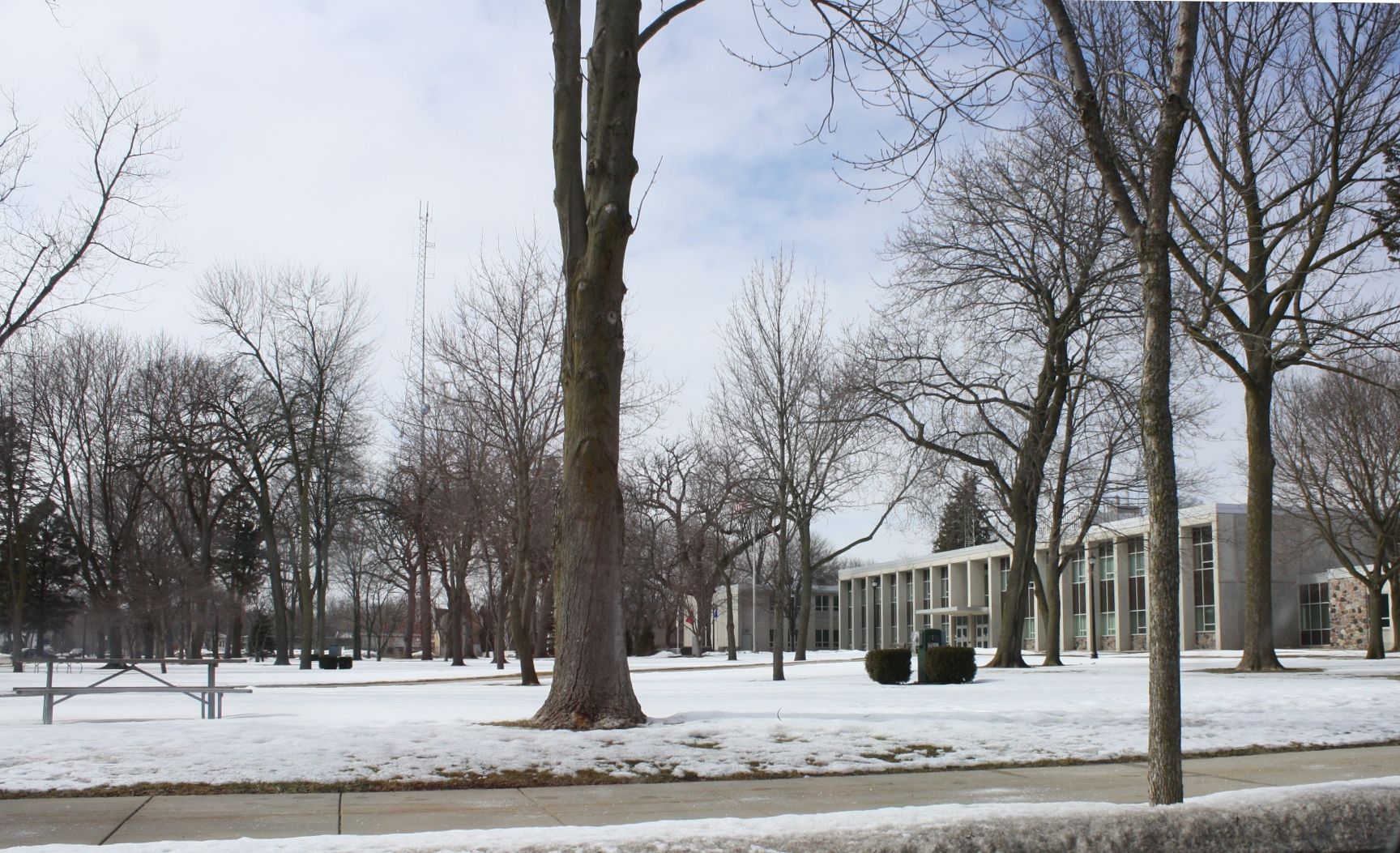
Snow suits Elkhorn. The town has called itself the Christmas Card Town for generations, and on a cold December evening, with lights strung through the bare trees around the square, you can see why the name stuck. Come at dusk, park on a side street, and walk the four sides of the square before you do anything else.
Elkhorn is the seat of Walworth County and a working small city of roughly ten thousand people. It sits where I-43, US 12 and WIS 67 meet, a few miles north of the big resort lakes. It does not have the boat docks or the crowds of Lake Geneva. What it has is a proper county-seat downtown, a fairground that fills up once a year, and quick access to every lake in the county.
The square and downtown
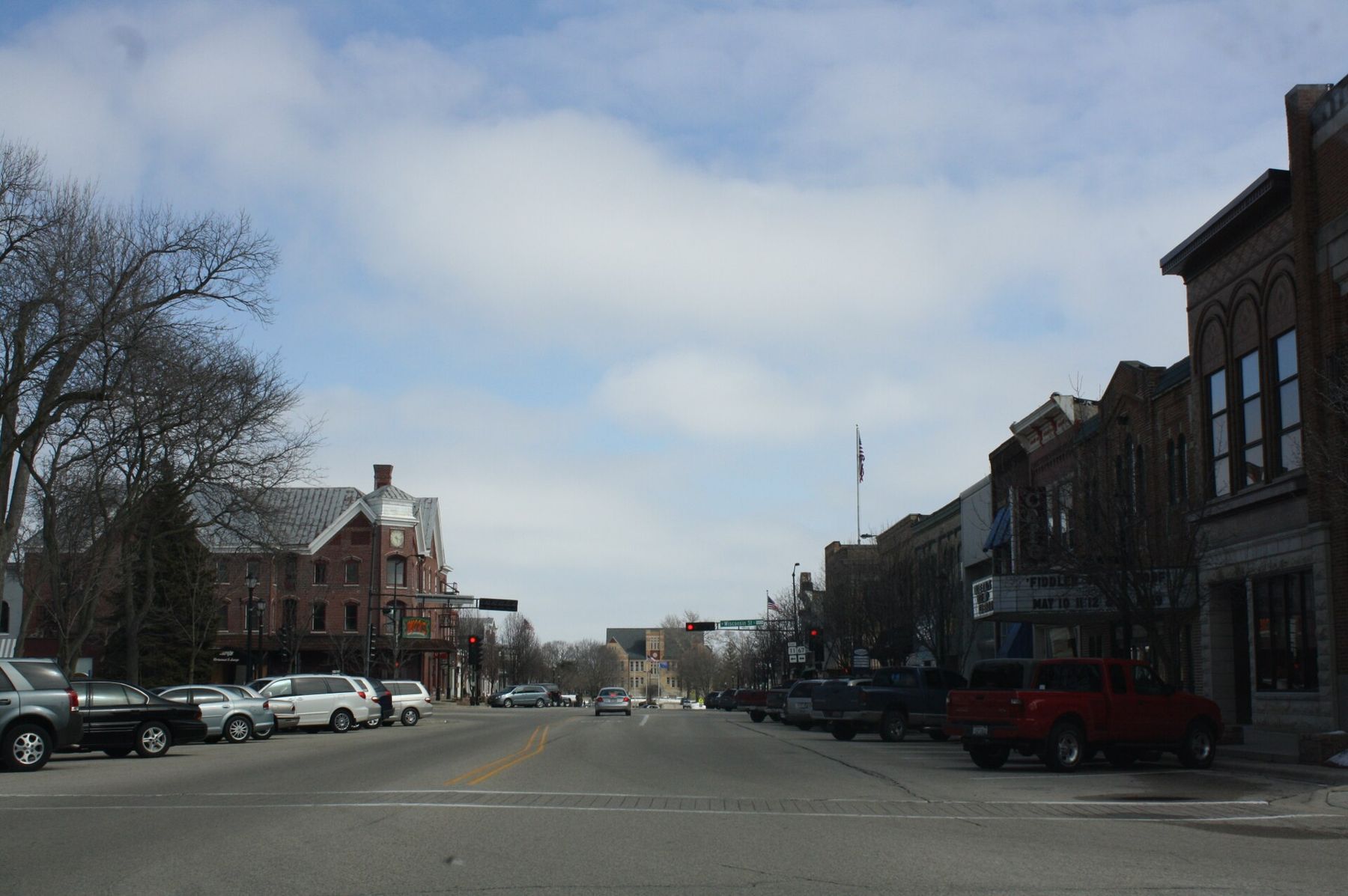
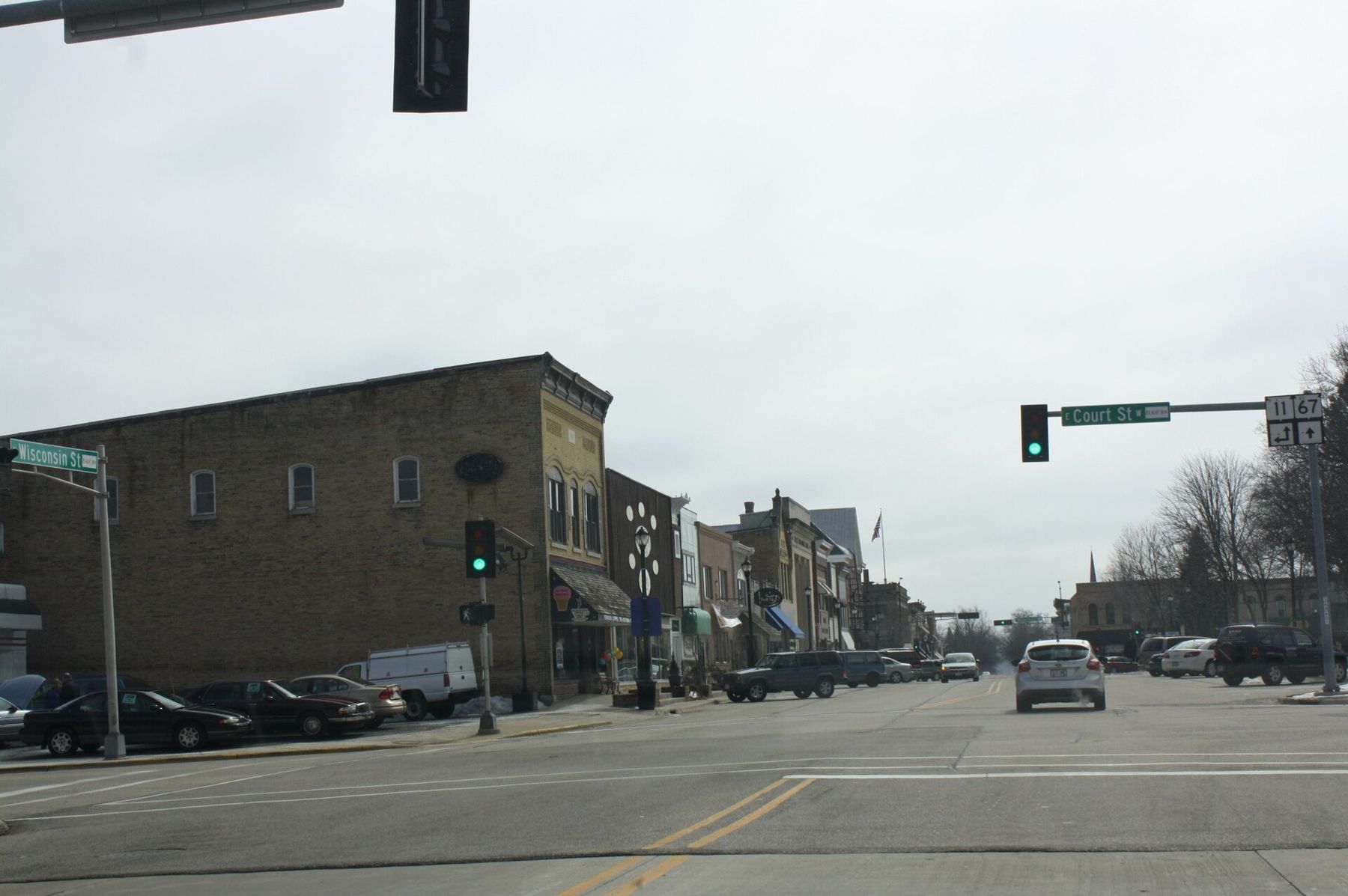
Start at the square. The older civic buildings and the green at its center give the town its shape, and the commercial blocks run out from there along WIS 11 and WIS 67. Walk one full lap, then take each of the main streets a block or two out from the corners. The storefronts are a mix of nineteenth-century brick, early twentieth-century fronts and plainer later infill, and most of them still hold local businesses rather than chain stores.
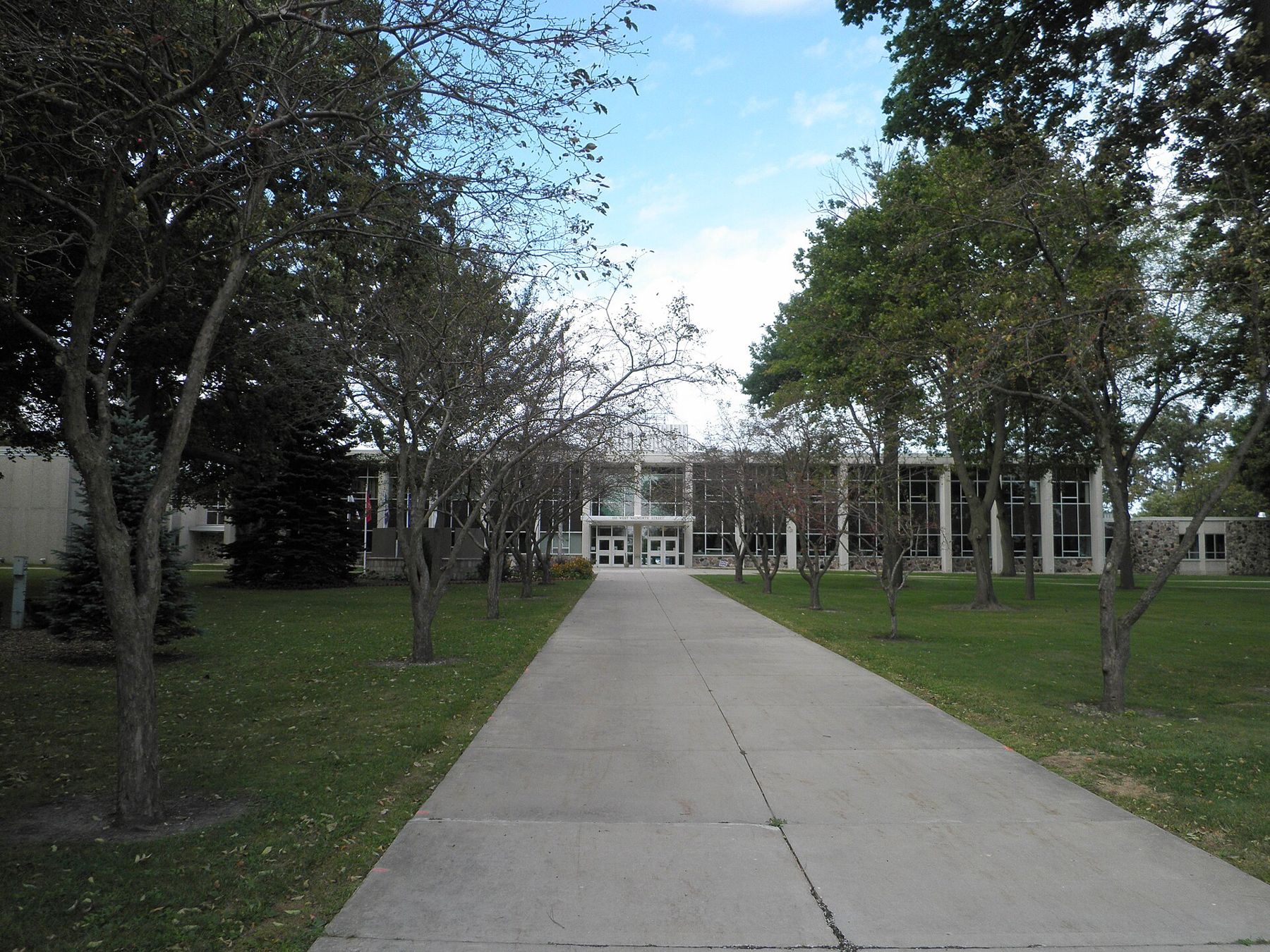
Look up as you walk. Many of the buildings keep their original cornices and upper windows even where the ground floors have been remade. The square is also where the town gathers: holiday events, summer concerts and parades happen here, so check the city's calendar before you go if you want to see it busy or avoid it.
Elkhorn has a long history of making band instruments. Brass and wind instruments have been built in town for more than a century, and that trade is part of why the town has always had a strong band tradition. You will see the influence in the summer concerts more than in any museum.
The county historical society keeps a small museum in the home of Joseph Webster, the nineteenth-century composer of the hymn "In the Sweet By and By," who lived in Elkhorn. Its hours are limited and seasonal, so check before you go.
The Walworth County Fair
The fair is the biggest week of Elkhorn's year. It runs for several days at the end of summer and finishes on Labor Day, on fairgrounds at the edge of town. Expect livestock barns, 4-H exhibits, grandstand shows, a midway and the usual fair food: cream puffs, corn, fried cheese curds and anything on a stick.
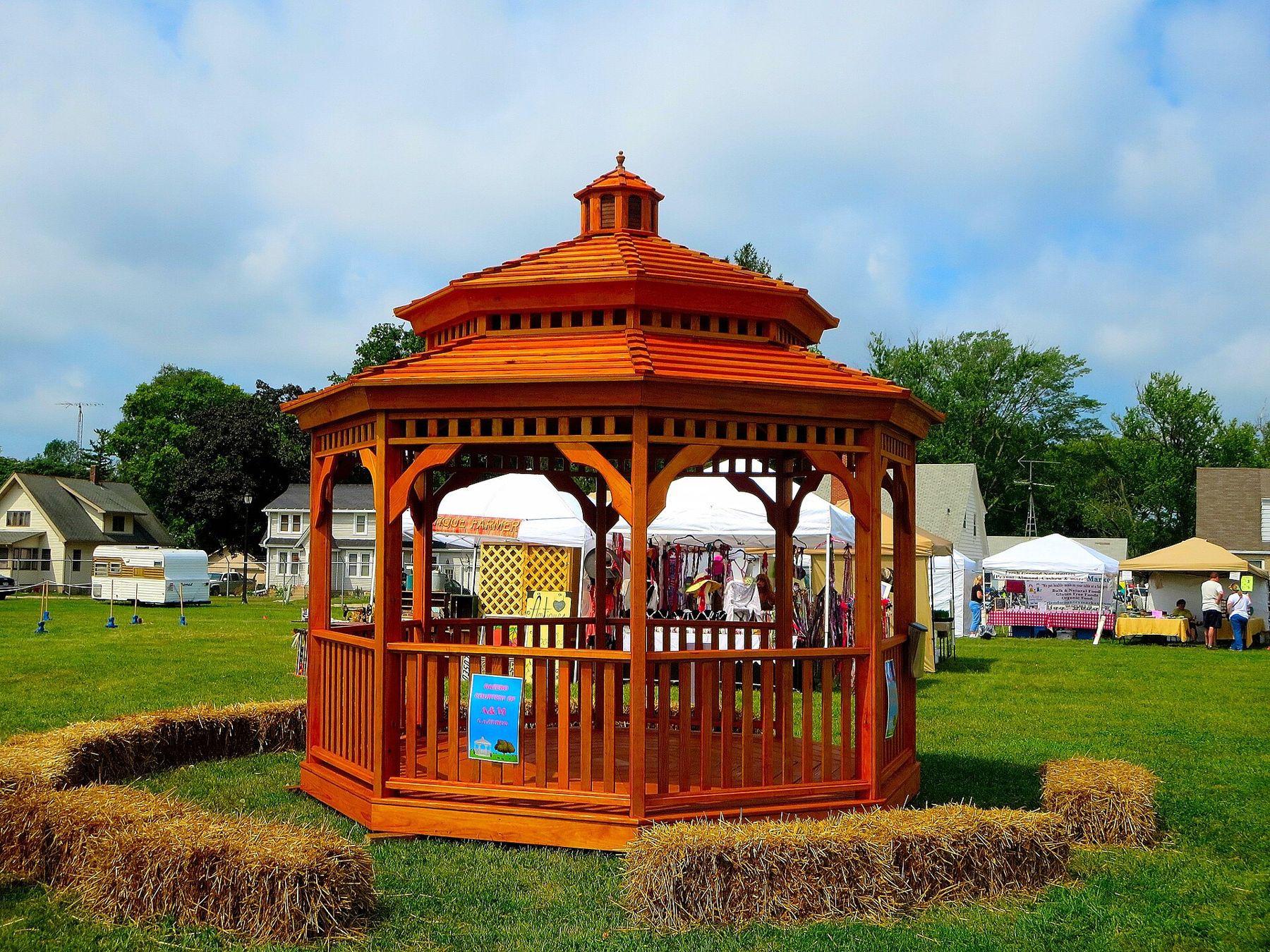
Go on a weekday morning if you want to see the animals and the exhibit halls without crowds. Go in the evening if you want the grandstand and the lights. Wear shoes that can handle dust or mud, carry cash for smaller stands, and bring a hat; there is little shade between the barns. For a wider look at the fair season across the region, see our page on county fairs in southeast Wisconsin.
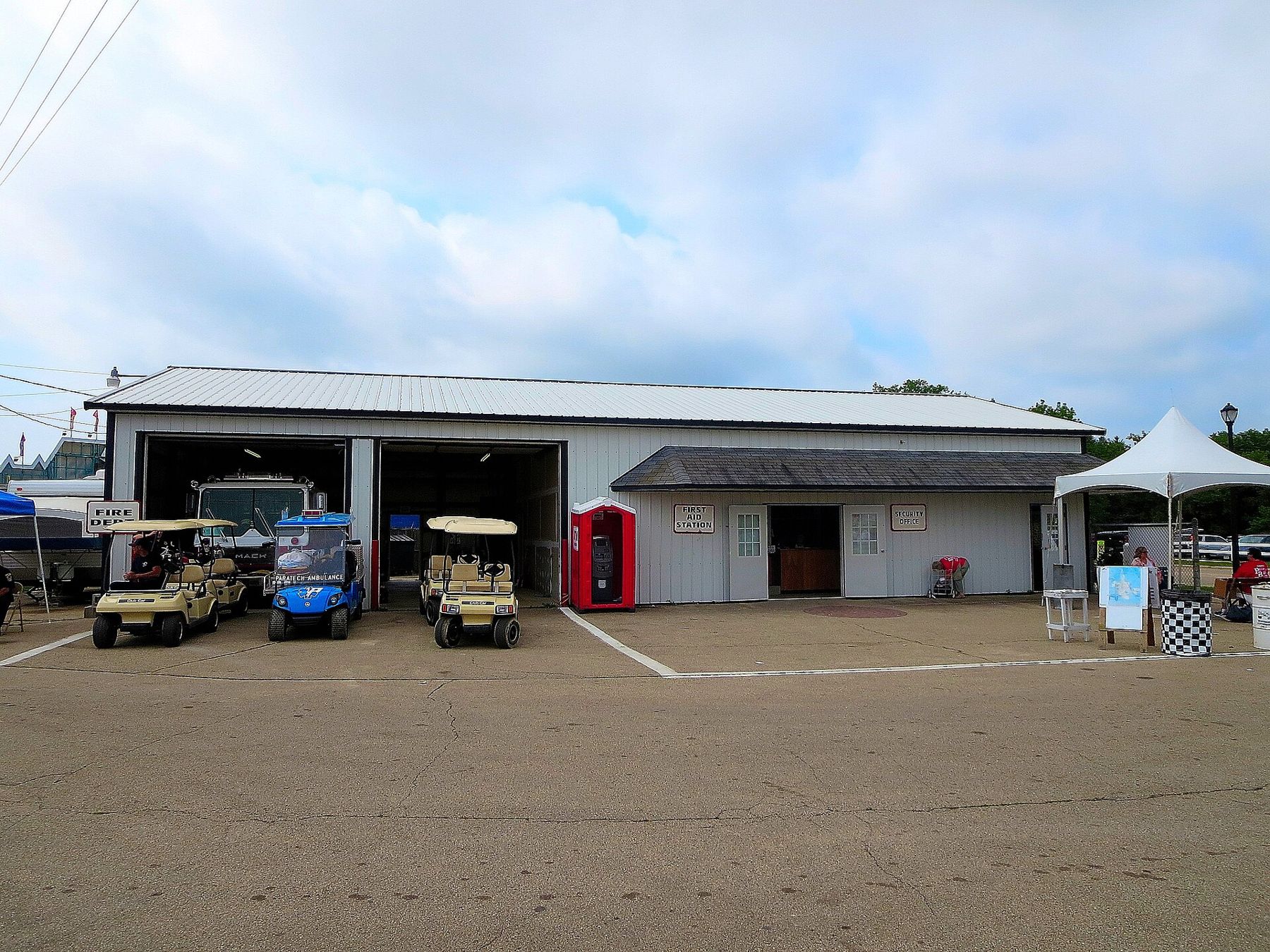
Outside fair week the grounds host smaller shows and events through the year. It is worth checking the schedule if you are passing through on a weekend.
If you have never been to a Wisconsin county fair, go to the dairy barn and the show ring. Watching young exhibitors lead and set up their cattle for the judge tells you more about this county than any museum. Then walk the poultry and rabbit barns, where the noise alone is worth the visit.
How to arrive in Elkhorn
From Milwaukee, take I-43 southwest. Elkhorn has its own exits, and the drive takes under an hour from downtown in normal traffic. From Chicago, come north on I-94 or US 12 and cross into Wisconsin; allow about two hours. From Madison, take US 12 southeast through Whitewater.
From Eagle and the Southern Unit of the Kettle Moraine, drive south on WIS 67. The road leaves the forest and runs through open farm country, about half an hour door to door. It is the easiest way to pair a morning hike with an afternoon in town.
There is no passenger rail to Elkhorn. Plan on a car. Once in town, park once near the square and walk; downtown is compact.
A day in Elkhorn
Elkhorn rewards a slow half day more than a rushed hour. We'd plan it like this.
- Arrive mid-morning and park on a side street a block off the square. Walk the square once without stopping, just to get the shape of it.
- Take the main streets out from the corners, a block or two each way, looking at the upper floors of the old commercial buildings.
- Stop for coffee or an early lunch downtown. Small local cafes and diners are the norm here; ask at whichever one is open what else is on that week.
- If the season is right, visit the Webster House museum, or drive out to the fairgrounds to see what is on.
- Leave in the early afternoon for one of the lakes, and come back through town at dusk if it is December.
Elkhorn's streets are flat and easy on foot, with sidewalks throughout the center. In winter they are cleared quickly after snow, but the curbs and corners can stay icy. Wear boots with grip if you come for the holiday lights.
Spring and fall are the quiet seasons. The trees around the square leaf out in May and turn in October, and on a weekday in either month you may have the sidewalks nearly to yourself.
Around Elkhorn
Elkhorn is a hub, not a destination for a long stay, and its real use is what lies within twenty minutes. Lake Geneva is about ten miles to the south, with its boat tours and shore path. Delavan and Delavan Lake are a short drive southwest. The Lauderdale Lakes sit in the hills to the northwest, quieter and less built up. East Troy and its electric railroad are northeast along the interstate.
The country between them is good for driving slowly: rolling farmland, small kettle lakes and the southern tail of the moraine. On a summer weekend, stay in Elkhorn and drive to the lakes early, before the resort traffic builds. Come back to town for dinner, when the square is quiet again.
In winter, the lakes freeze and the ice fishing shanties go out on Delavan and Geneva in a cold year. Read our notes on ice fishing basics before you walk out, and never trust ice you have not checked. Then drive back to Elkhorn after dark, park on the square, and walk one more lap under the lights.