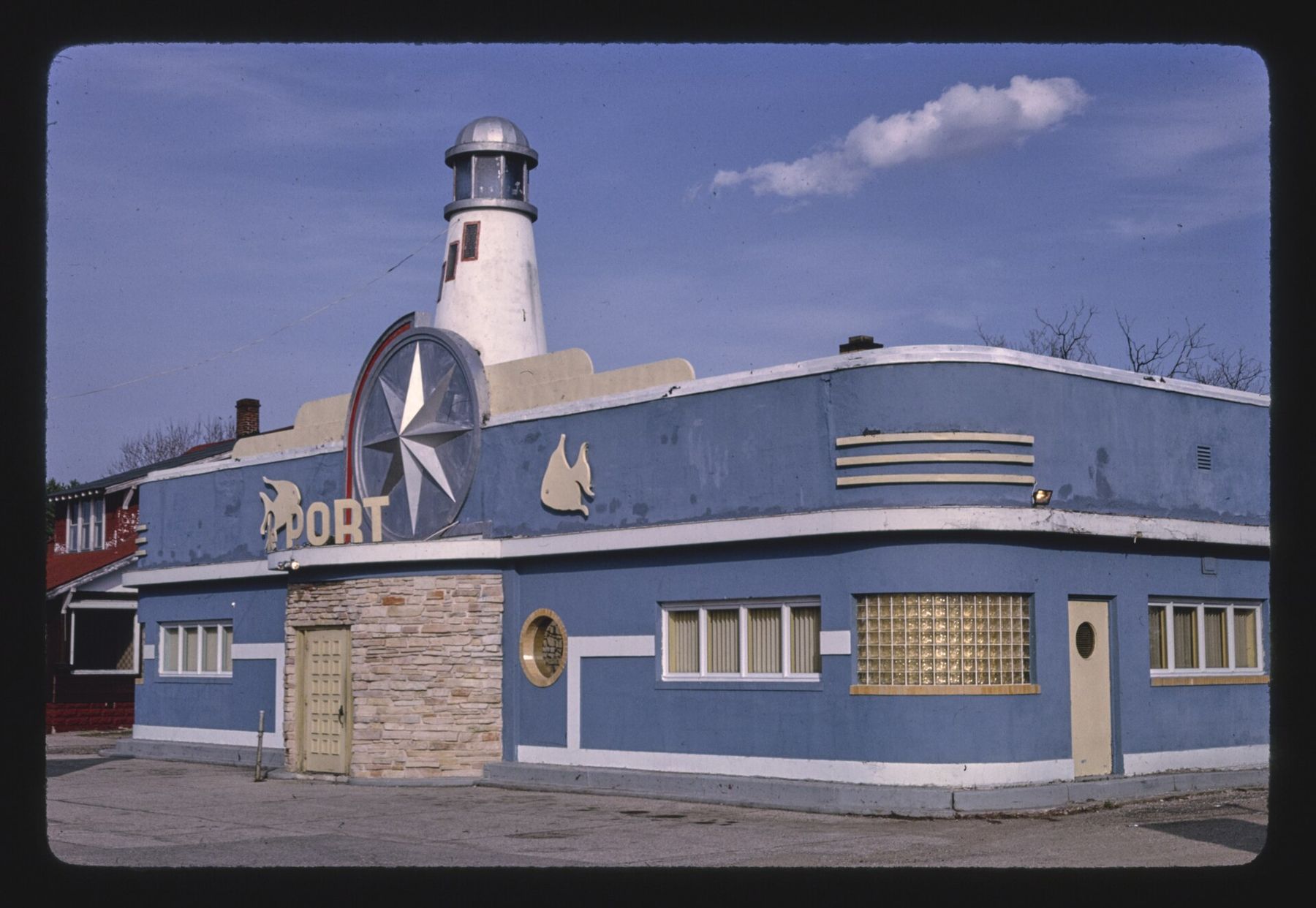
Take a two-lane county road out of town as the light goes, past the last gas station and the last stop sign, and watch for a lit sign at the edge of a lake or a stand of pines. The parking lot will be gravel and half full. Inside it will be dim, wood panelled and loud at the bar. That is a Wisconsin supper club, and the evening you are about to have has followed much the same script for the best part of a century.
From roadhouse to Saturday night
The supper club grew out of the roadhouse. In the 1920s and early 1930s, places on the edges of towns and out on the lake roads offered dinner, dancing and, quietly, drinks, away from the eyes of town. After Prohibition ended in 1933 the drinks came out into the open, and the format settled: a bar up front, a dining room behind, a long menu of steaks and fish, and a night that was the whole of the entertainment.
The years after the Second World War made them. Families had cars and a little money, and a drive out to the supper club became the way to mark a birthday, an anniversary, a confirmation or simply a Saturday. Many were run by the same family for decades, with the owners greeting regulars at the door and the same waitresses working the same tables.
Supper clubs opened across the upper Midwest, but Wisconsin is generally reckoned to have more of them than anywhere else, and the state has kept them in larger numbers. Many have closed, changed hands or turned into plain restaurants; the ones that remain tend to guard their traditions closely.
Why the lake country suited them
Southeastern Wisconsin had what a supper club needed: lakes, summer people and roads. From the late 1800s, families from Milwaukee and Chicago spent summers at cottages and resorts on the lakes around Oconomowoc, Pewaukee, Lake Geneva and the Kettle Moraine. Those visitors wanted somewhere to eat and drink in the evening that was a step up from the village tavern, and local families, many of them farm families with a building on a good corner of the lake road, were glad to serve them.
The supper club fitted between the formal hotel dining room and the bar. It served steak and fish to people who had driven in from cottages, farms and town alike, and it stayed open after the resort season ended because the local trade kept coming. Through the winter, when the lakes froze and the cottages emptied, the supper club became the place nearby families went to see their neighbours on a Saturday night.
Ice fishermen, snowmobilers and deer hunters added a cold-weather crowd in later decades, and many supper clubs along the snowmobile routes up north still count on them. In the southeast the winter trade is quieter, which is one reason some places shorten their weeks after New Year.
The evening, in order
There is a sequence, and part of the pleasure is letting it run.
- The bar. You give your name, and you wait at the bar even if a table is free. Order a brandy old fashioned, sweet or sour, and study the menu there. In many places the order is taken at the bar and you are called through when the table is ready.
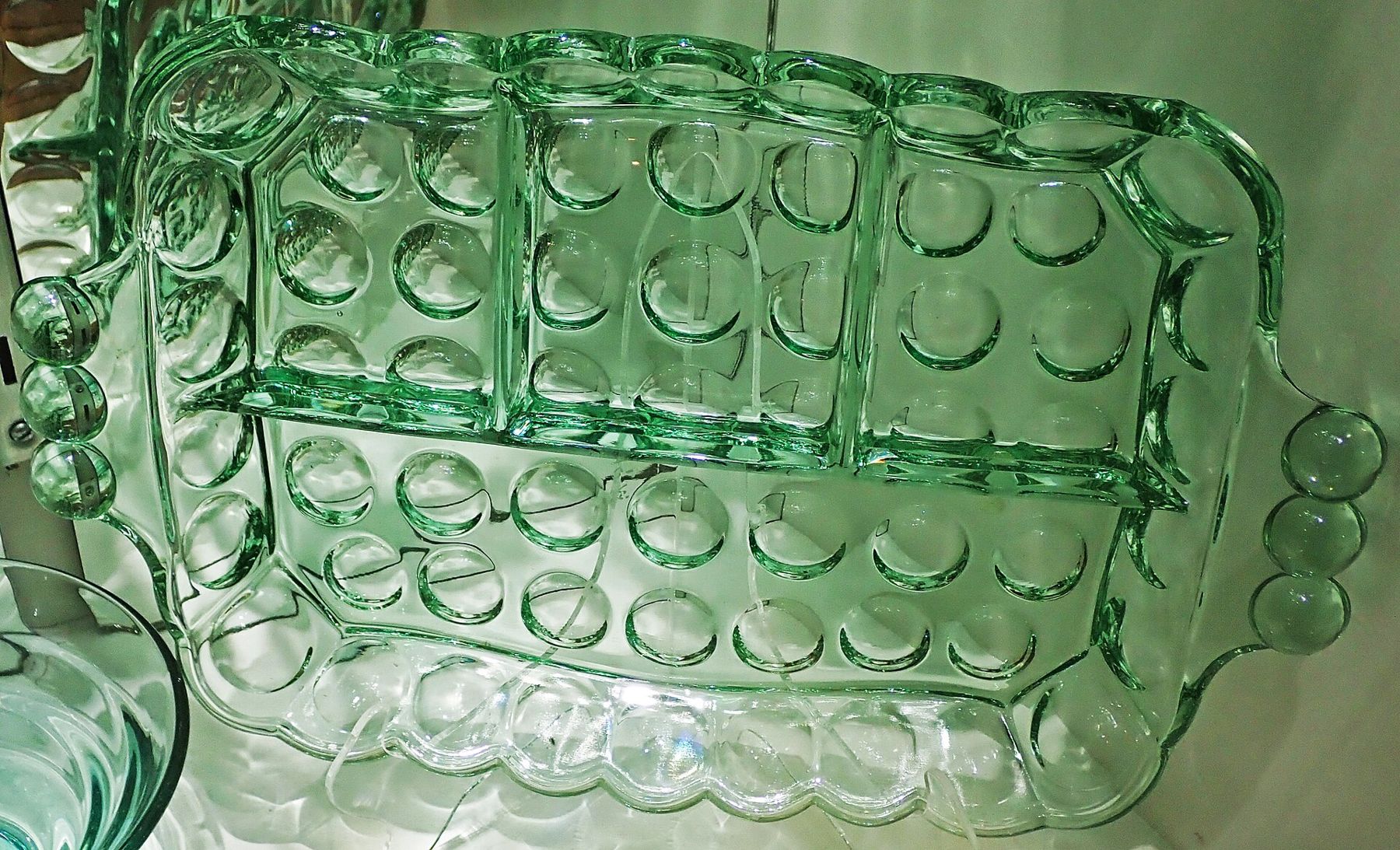
- The relish tray. A divided dish arrives with carrot and celery sticks, radishes, pickles, perhaps pickled beets, and often a crock of cheese spread with crackers. Some places bring it on a lazy Susan. The habit has its own long story, told under brandy and the relish tray.
- Bread and soup or salad. A basket of rolls or bread sticks, then a cup of soup or a plain tossed salad with a choice of dressings, usually French, Thousand Island, blue cheese, ranch and a house dressing.
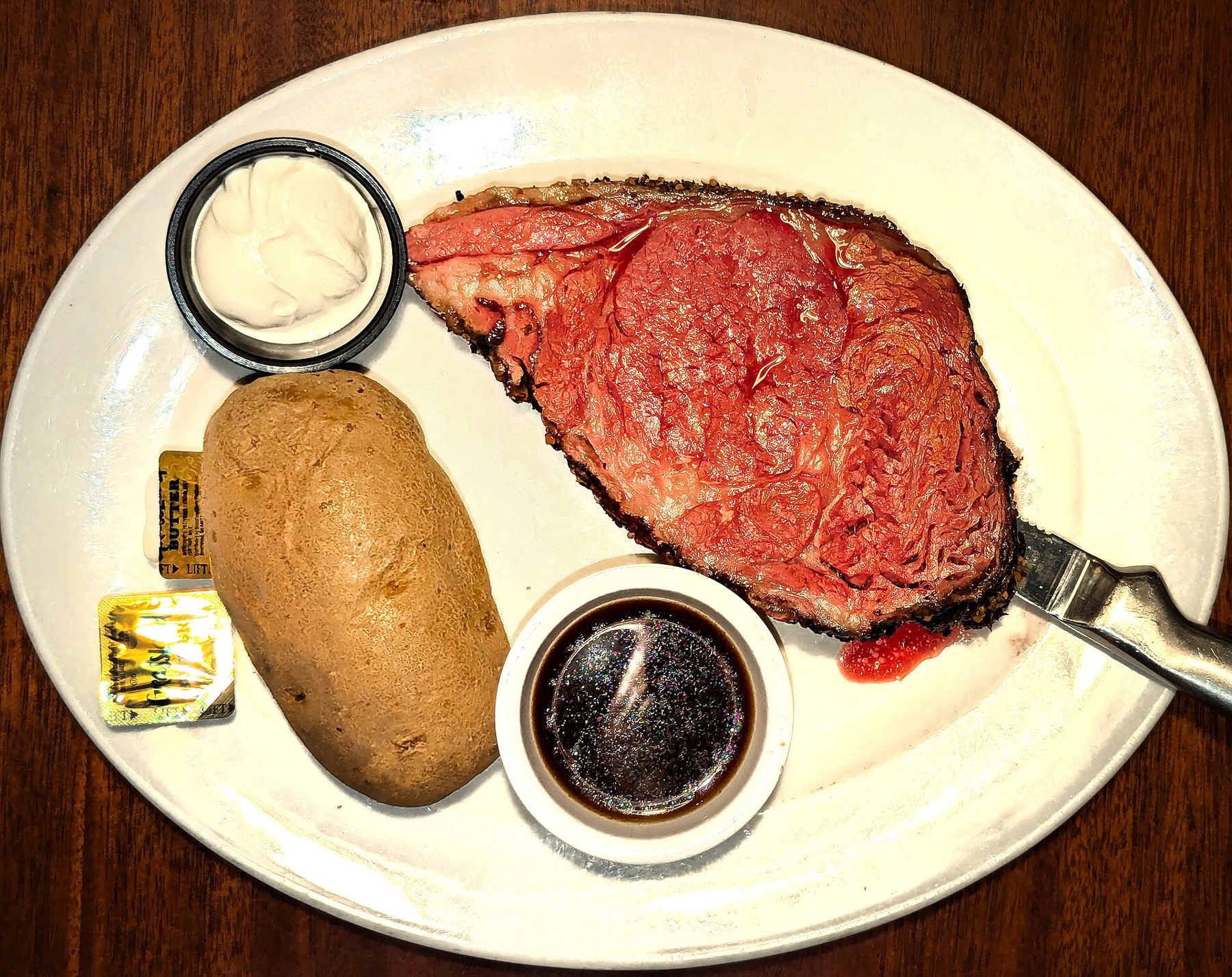
- The main course. Prime rib on Saturday, fish on Friday, and steaks every night: tenderloin, strip, sometimes a porterhouse. Broiled or fried shrimp, roast duck and broasted chicken are common. Every plate comes with a potato choice: baked, hash browns, French fries, sometimes au gratin.
- The ice cream drink. Instead of dessert, a blended drink of ice cream and liqueur: the green grasshopper, the pink squirrel, the brandy alexander. Many bars will make one without the alcohol if you ask.
Fridays bring the fish fry, with perch, walleye or cod, coleslaw and rye bread, and on those nights the supper club and the Friday fish fry are the same thing.
What makes a supper club
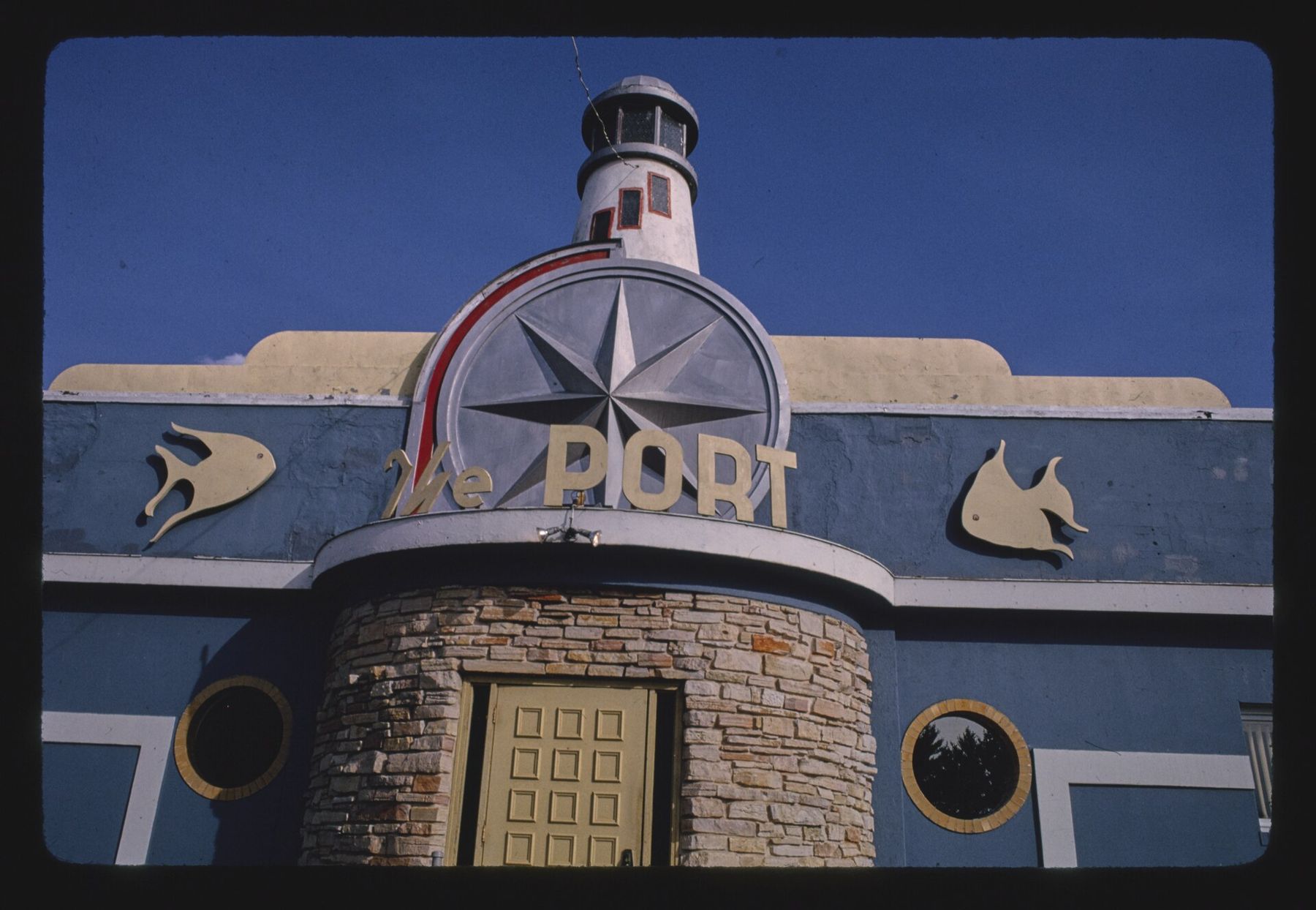
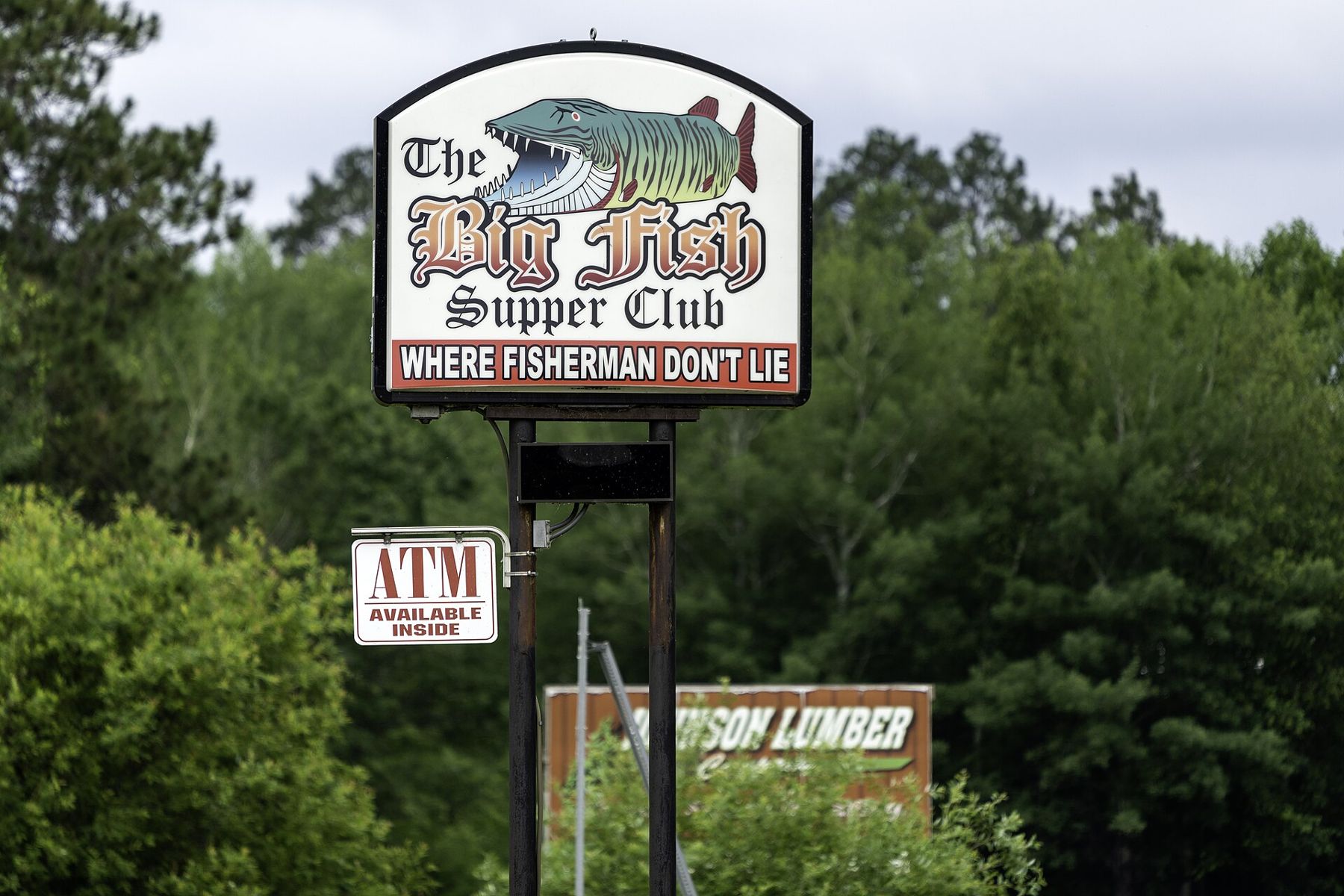
No rule defines one, but you will know it. The building usually stands alone, out of town, often with a view of water or woods, and has been added on to more than once. The sign is old and often lit in neon. Inside, look for wood panelling, carpet, low lights, framed photographs of the family and the lake, and a long bar that is busier than the dining room for the first hour.
The menu is long and changes little. Portions are large. Nobody hurries you, and you are expected to stay. The point was always the whole evening, not just the meal: the drive, the drink, the talk at the bar, the plates coming one after another, the second drink after supper. A supper club where you are in and out in forty minutes has become something else.
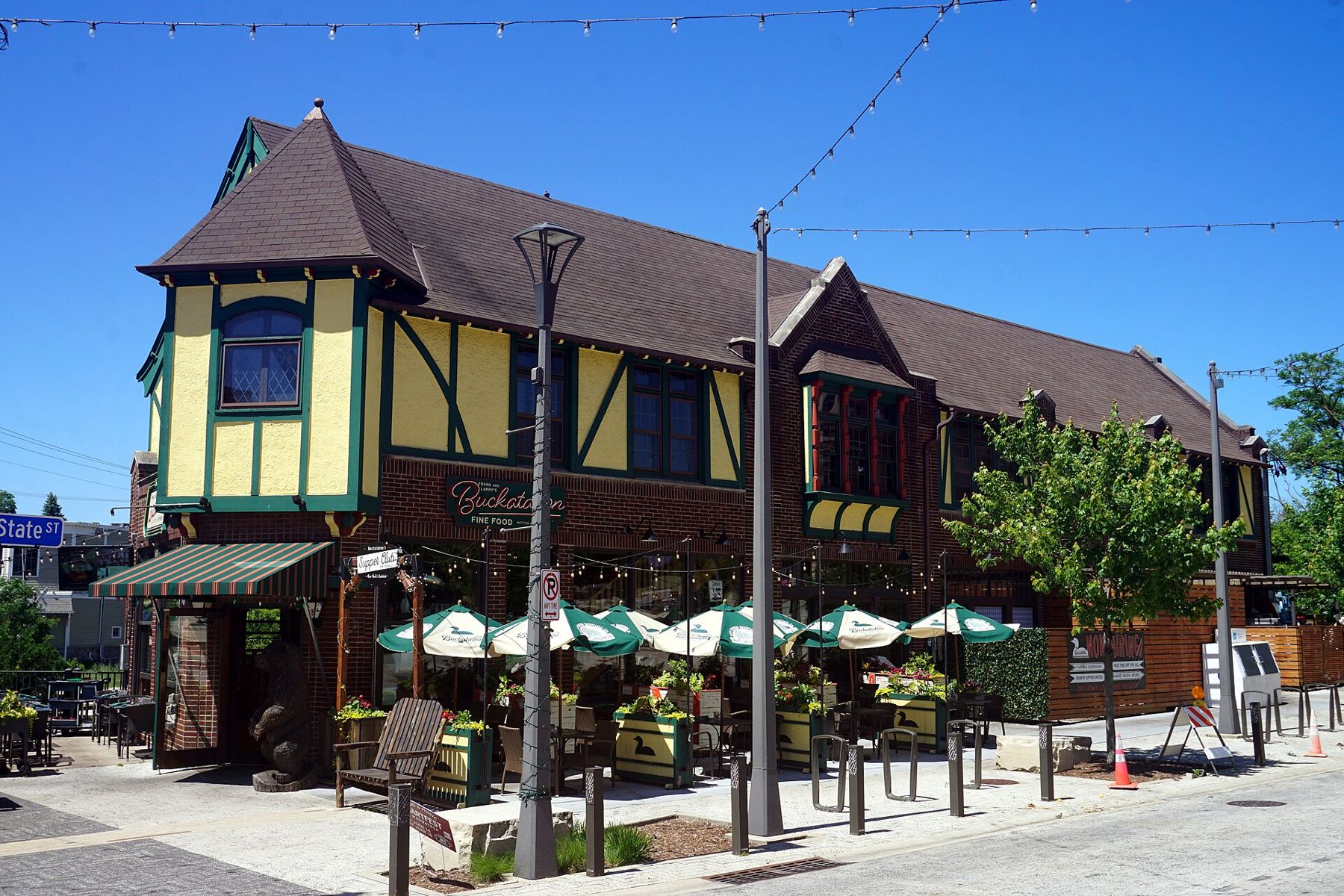
Some newer places borrow the name and the menu for a dining room in town, and some are good. The old ones, though, are part of a landscape: the lake road, the gravel lot, the sign you have driven past since childhood.
Prime rib deserves its own word. It is a slow-roasted standing rib of beef, cooked whole through the afternoon and carved to order, which is why it is a once-a-week dish: a kitchen roasts what it expects to sell on Saturday and no more. It comes in named cuts by weight, served with its own juice and a dish of horseradish, and when the roast runs out your server will tell you so. Order medium rare unless you prefer otherwise; the end cuts, more done and crusted with seasoning, go to those who ask for them.
Finding one that is still going
Supper clubs in the southeast cluster on the lake roads: around the lakes of Waukesha and Jefferson counties, out toward Lake Geneva and the Walworth County lakes, and along the river towns to the west. Rather than chase a list, ask at a gas station or a tavern in any lake town where people go for prime rib on Saturday, and you will be pointed somewhere.
- Check the days. Many are closed Monday and Tuesday, open only for supper, and some shorten their weeks in deep winter.
- Reservations vary. Some take them only for larger groups and expect everyone else to wait at the bar. That wait is part of the evening, so plan for it.
- Dress is casual now, but a clean shirt is the local custom on a Saturday.
- Come hungry, order the relish tray if it is not brought automatically, and leave room for the ice cream drink.
- The drive home is on dark rural roads. Choose a driver before you set out, and keep in mind that the old fashioned is a stiff drink.
Sit at the bar until your name is called, then carry your glass through to the table. The relish tray will already be waiting.