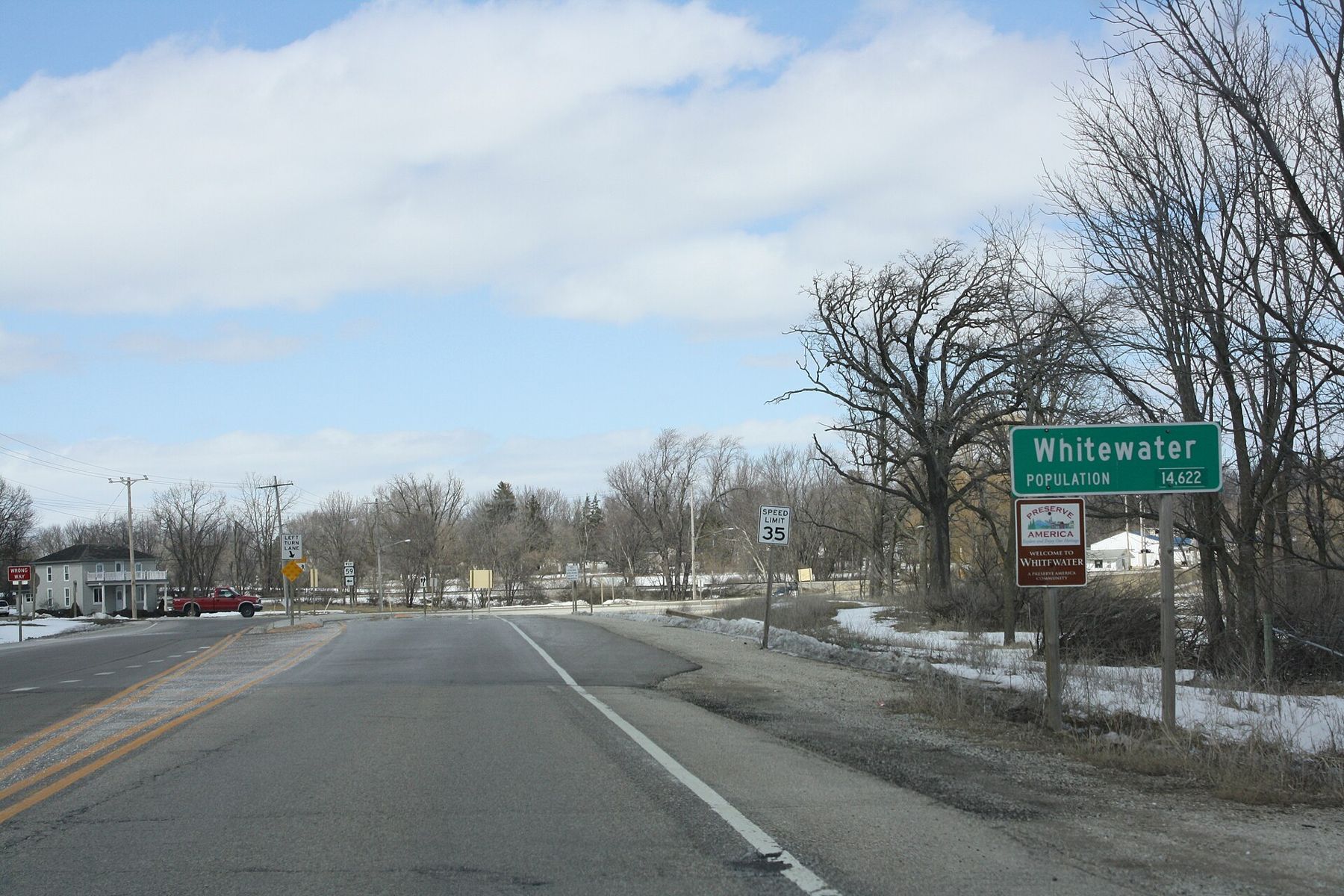
West of Palmyra, WIS 59 drops out of the Kettle Moraine's wooded hills into more open country, and the water towers and campus buildings of Whitewater appear. The city sits right at the edge of two kinds of land: the steep, forested moraine to the east and the flatter farm country that runs west toward Janesville and the Rock River.
Whitewater is home to the University of Wisconsin-Whitewater, and the campus shapes the town: students fill the streets during the school year, and summers are noticeably quieter. The city straddles the Walworth and Jefferson county line. For you, it is a useful base for the southwest corner of the state forest, with more places to eat and sleep than the villages around it.
How to arrive in Whitewater
Whitewater lies on US 12, which bypasses the city on its way between Madison and Elkhorn. From Madison, follow US 12 southeast about 50 miles through Cambridge and Fort Atkinson. From Milwaukee, take I-43 southwest to Elkhorn and US 12 northwest, or drive I-94 to WIS 67 and come across from Eagle on WIS 59. Either way it is roughly an hour.
WIS 59 also links the city east to Palmyra and Eagle and west to Milton. WIS 89 heads north toward Fort Atkinson and Lake Mills.
Downtown has public parking lots and street parking with time limits. Around campus, parking rules are strict on weekdays during the semester; read the signs before you leave the car.
Cravath Lake and downtown
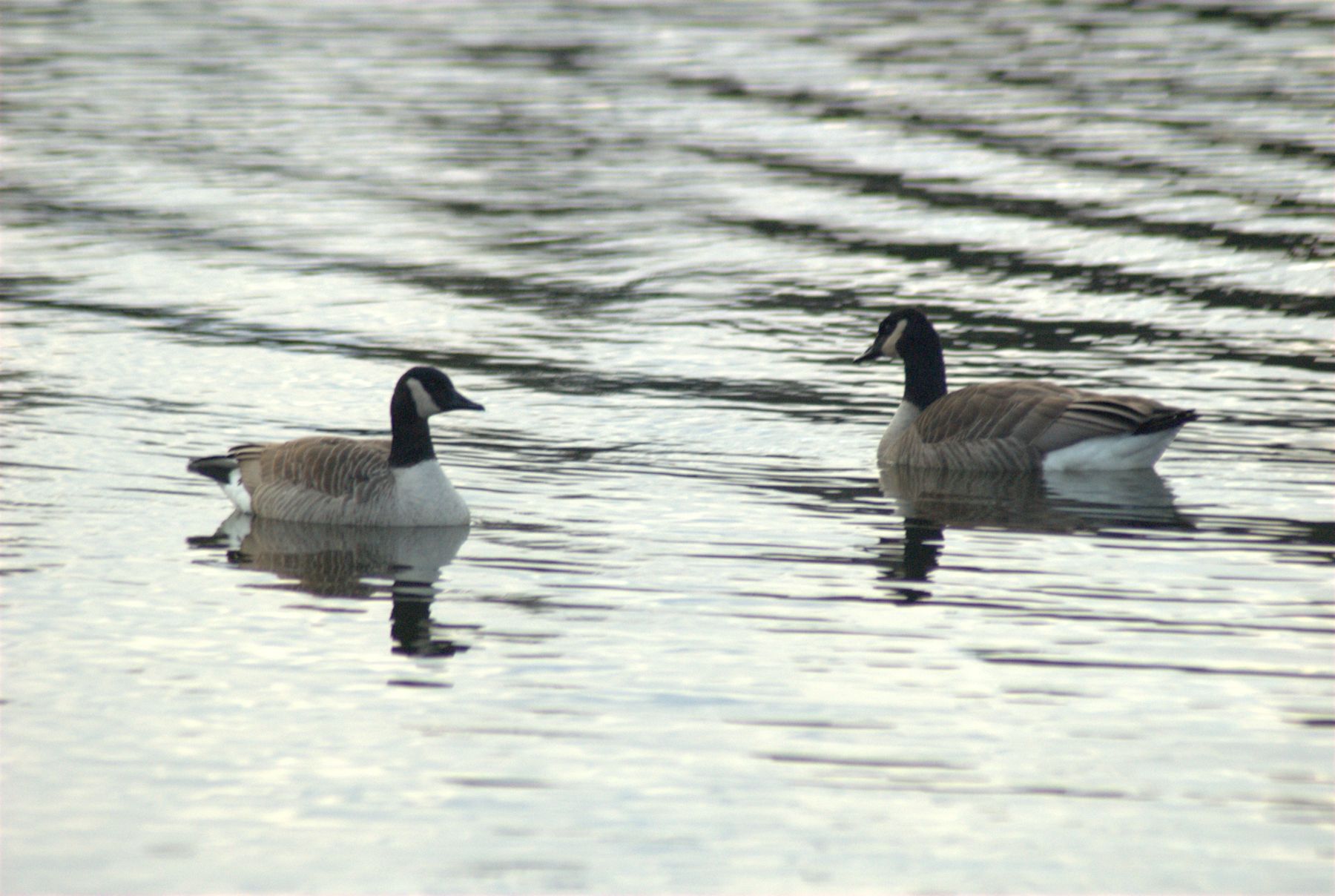
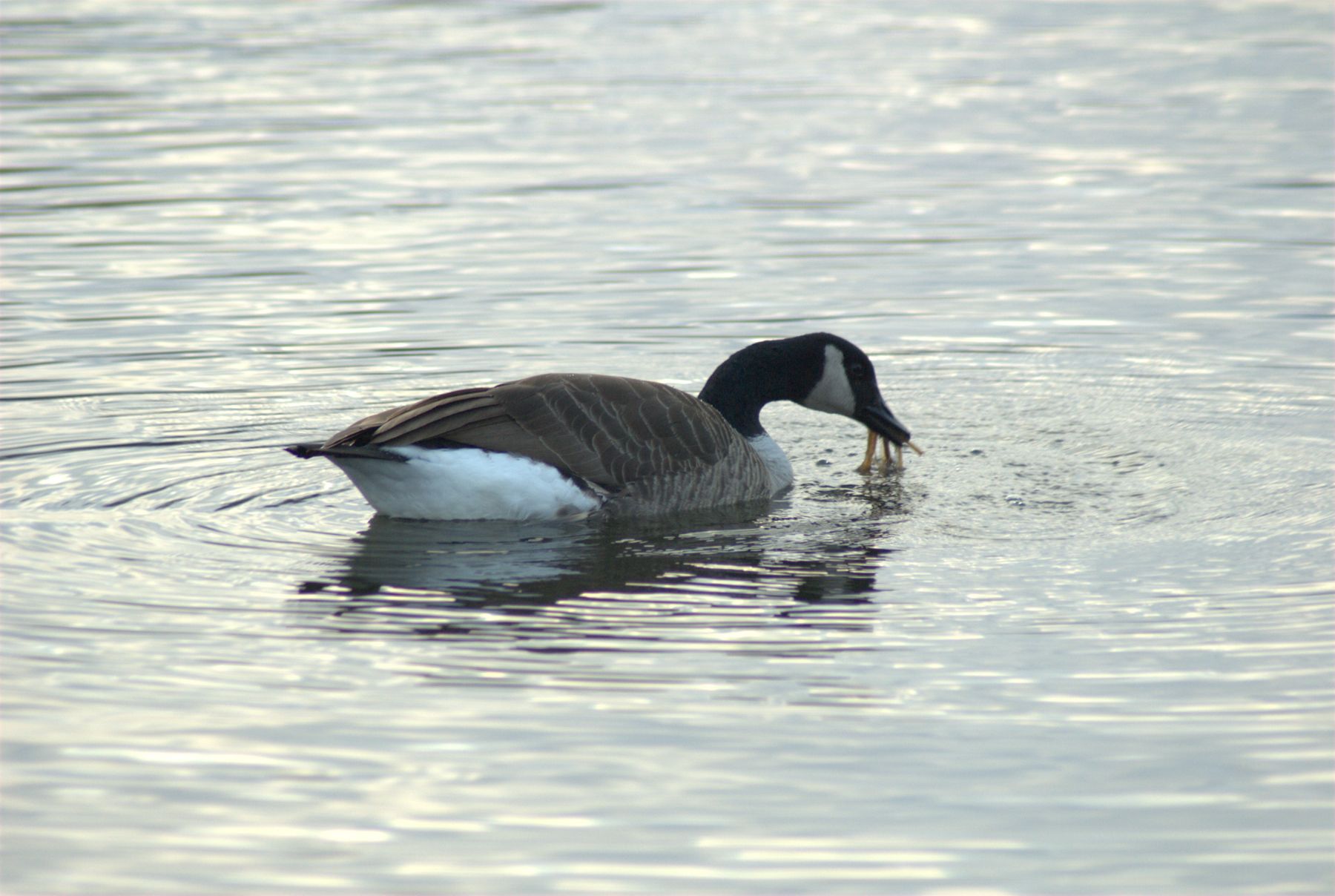
Whitewater Creek runs through the middle of town and was dammed long ago to power mills, forming two small lakes: Cravath Lake, right beside downtown, and Trippe Lake just upstream. Cravath Lake has a park along its shore with paths, lawns and a lakeside walk that makes a pleasant loop in under an hour. Canada geese are everywhere; watch your step on the grass.
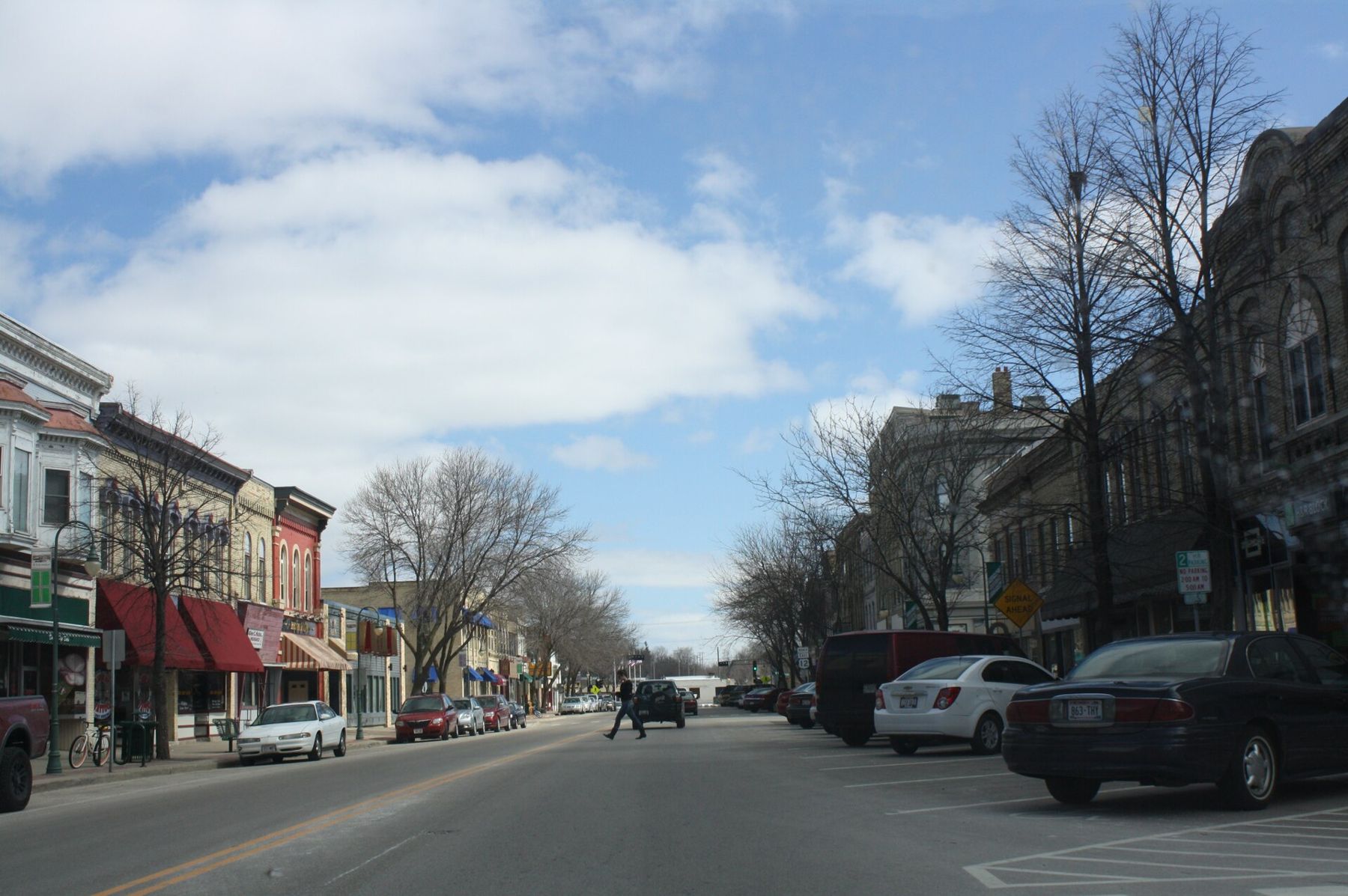
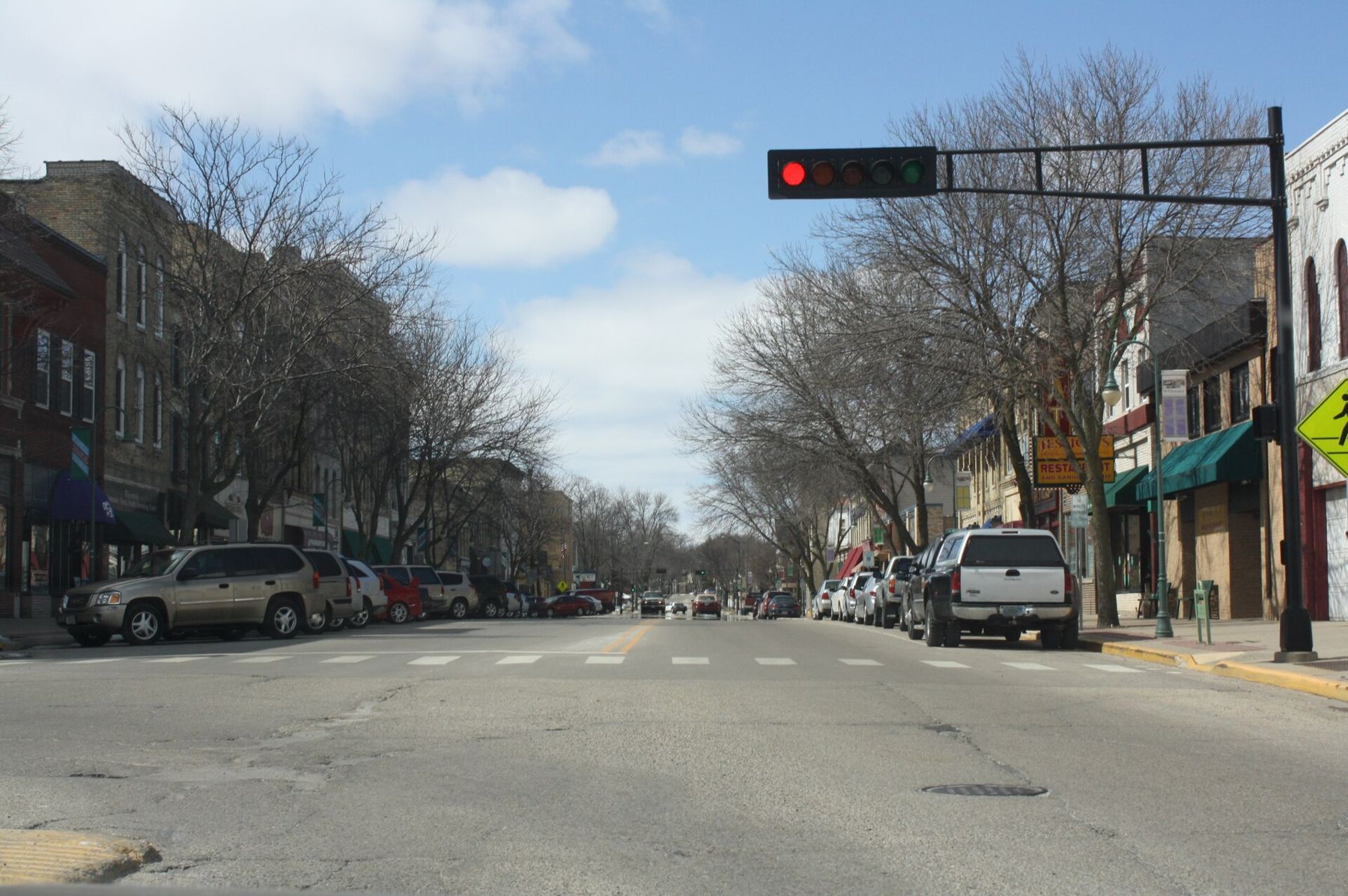
The downtown is a few blocks of 19th-century brick commercial buildings, with cafés, bars, restaurants and shops that lean toward the student trade. Walk the main street end to end, then cut down to the lake.
The town grew as a mill town and railroad stop in the 1800s, and the residential streets near downtown and campus have old houses and churches worth a slow look on foot.
The effigy mounds
On the south side of the city, the Whitewater Effigy Mounds Preserve protects a group of earthworks built by Native people many centuries ago. The mounds are low, grass-covered shapes, some long and straight, some in the forms of animals, set among trees in a park surrounded by houses. You need to look carefully: the shapes are clearest in early spring and late fall, when the grass is short and the leaves are off the trees.
Walk the paths, read the signs and do not climb on the mounds. These are burial and ceremonial places, sacred to Native nations today, and they are protected by law. Our page on effigy mounds in southeast Wisconsin explains the shapes and where else to see them.
Whitewater Lake and the Southern Unit
A few miles southeast of the city, Whitewater Lake and its smaller neighbor Rice Lake sit at the southwestern end of the Kettle Moraine State Forest's Southern Unit. The Whitewater Lake area has a campground, a swimming beach and a boat launch; Rice Lake has a quieter picnic area and fishing. The land around them is rugged moraine country with oak woods and steep hills.
Whitewater Lake is largely ringed with cottages and homes, but it is a popular fishing and boating lake with public access. Our page on Whitewater Lake and Rice Lake covers the beaches and launches. From here, the Kettle Moraine Scenic Drive winds northeast through the forest toward La Grange and Eagle; follow the acorn signs.
Walking and riding near town
The nearest long trails are in the forest northeast of the city. Off County H near La Grange, the John Muir and Emma Carlin trail systems have loops for hiking, mountain biking and, in winter, skiing; see the John Muir and Emma Carlin page. The Ice Age Trail also crosses this part of the forest, and you can walk sections of it between road crossings.
Closer in, the campus itself is pleasant to walk, with broad lawns and tree-lined paths, and the residential streets around it are quiet outside class hours. The county roads south and east of town climb quickly into the hills; they make a hard but rewarding bike ride, with steep pitches and little shoulder. Ride early on weekends, when traffic is light.
Underfoot, the forest trails here are sand and gravel, with loose stones on the climbs and soft sand in dry summers. Mountain bikers should ride only the trails open to bikes and stay off them when they are wet.
When to go
Late spring and early fall are the best seasons for walking around town and in the forest. Summer is quiet in town and busy at the lakes; swim at Whitewater Lake on a weekday if you can. In late October the oaks on the hills east of town turn a deep rust. In winter the town's lakes freeze, and ice fishermen go out once the ice is thick enough; the forest ski trails off County H at La Grange are a short drive northeast.
Plan around the academic calendar. Move-in weekend in late summer, home football games in the fall and graduation in spring all fill the town's hotels.
A day from Whitewater
Start with a walk around Cravath Lake in the early morning while the geese are still on the water. Have breakfast downtown, then visit the effigy mounds before the day warms up. Drive southeast to Whitewater Lake for a swim or a picnic, then follow the scenic drive northeast into the forest for a late-afternoon hike. Come back west on WIS 59 at sunset, with the moraine behind you and open farm country ahead.