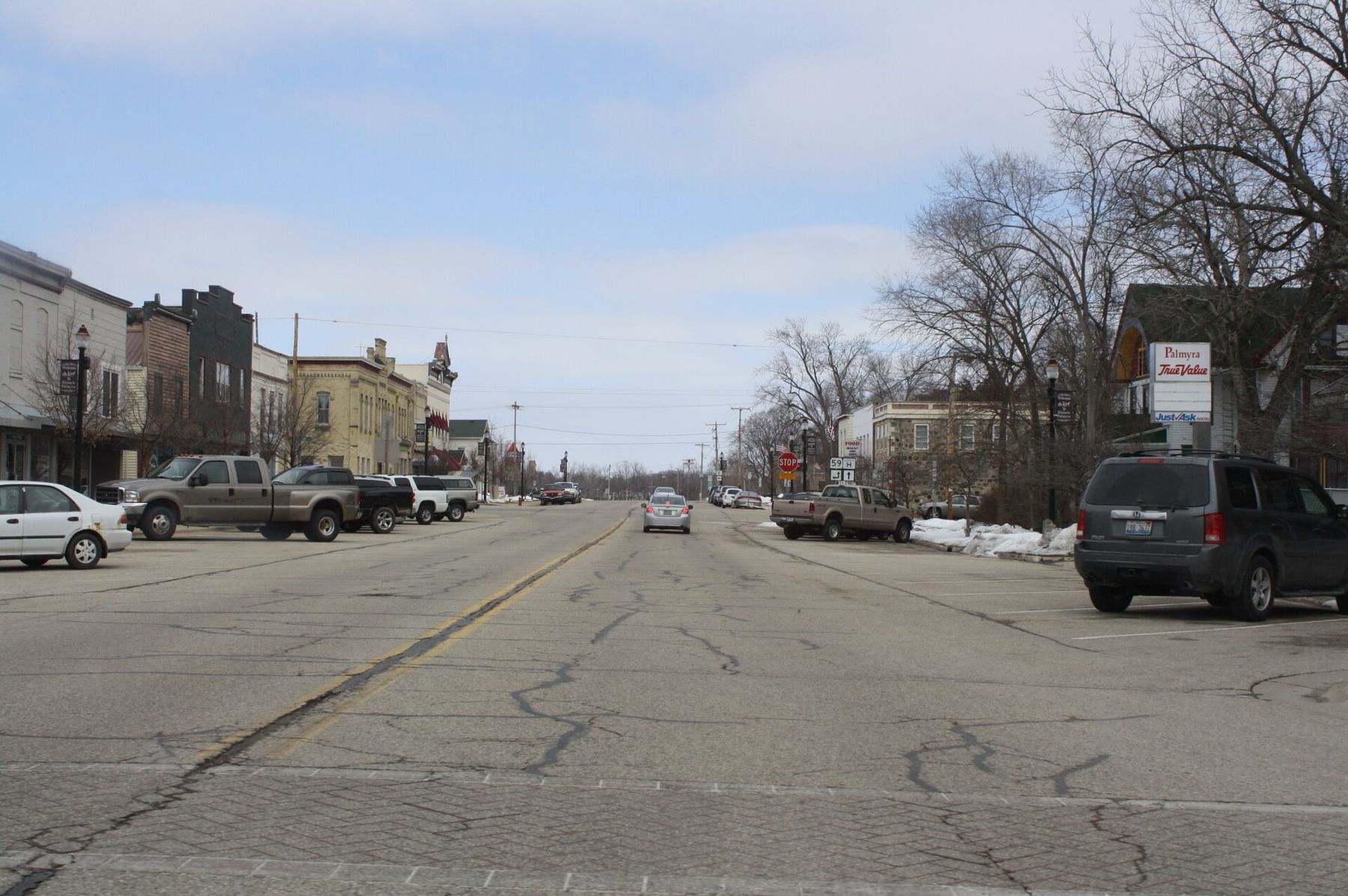
Nine miles west of Eagle on WIS 59, the road comes out of the hills and into Palmyra, a village of under 2,000 people in the southeast corner of Jefferson County. It sits on the western edge of the Kettle Moraine's Southern Unit: east of town the land is steep, wooded and protected; west of town it opens into flat farmland and wetlands that stretch toward Whitewater and Fort Atkinson.
Palmyra is not a destination in itself. It is a small farm village with a downtown of a few blocks, a couple of churches, a school and a handful of places to eat and drink. What it gives you is a quiet base on the less-traveled west side of the forest, with springs, marshes, lakes and long trails within a 10-minute drive.
How to arrive in Palmyra
WIS 59 is the main road through the village. From Eagle, drive west about 9 miles; from Whitewater, drive east about 9 miles. From Milwaukee, take I-94 west to WIS 67, south through Dousman to Eagle, and west on 59; allow about an hour and a quarter. From Madison, drive east on I-94 and cut south on county roads, or follow US 12 to Whitewater and WIS 59 east; either way, plan on about an hour.
There is no public transport. Park on the street downtown; it is free and rarely busy.
The forest at the village edge
The Southern Unit of the Kettle Moraine State Forest begins only a few miles east of Palmyra. From the village you can reach:
- The John Muir and Emma Carlin trails, south and east toward La Grange, with long hiking and mountain biking loops through oak woods and over steep moraine ridges. See the John Muir and Emma Carlin page.
- The Ice Age Trail, which runs north and south through the forest east of the village. Pick it up at a road crossing and walk an out-and-back.
- The forest's horse trails, which wind through the hills between Palmyra and Eagle; our page on horse trails in the Southern Unit covers the riders' camps and loops.
Most trailhead parking lots require a state forest vehicle pass. Bring water and food; there are no stores in the forest.
Springs, marsh and Blue Spring Lake
The country around Palmyra is wet. Groundwater that soaks into the sand and gravel of the moraine comes back out at its western foot as springs, which feed creeks, marshes and small lakes. Blue Spring Lake, just east of the village, is a spring-fed lake surrounded by homes in a wooded setting; most of its shore is private, so enjoy it from the roads unless you know of a public access point.
North and east of the village, the Scuppernong River drains a broad marsh before winding west. The river's headwater springs and the surrounding prairie and wetland are protected as part of the state forest, with a short trail past the springs themselves. The water there runs clear over pale sand and marl; you can watch it bubble up from the ground.
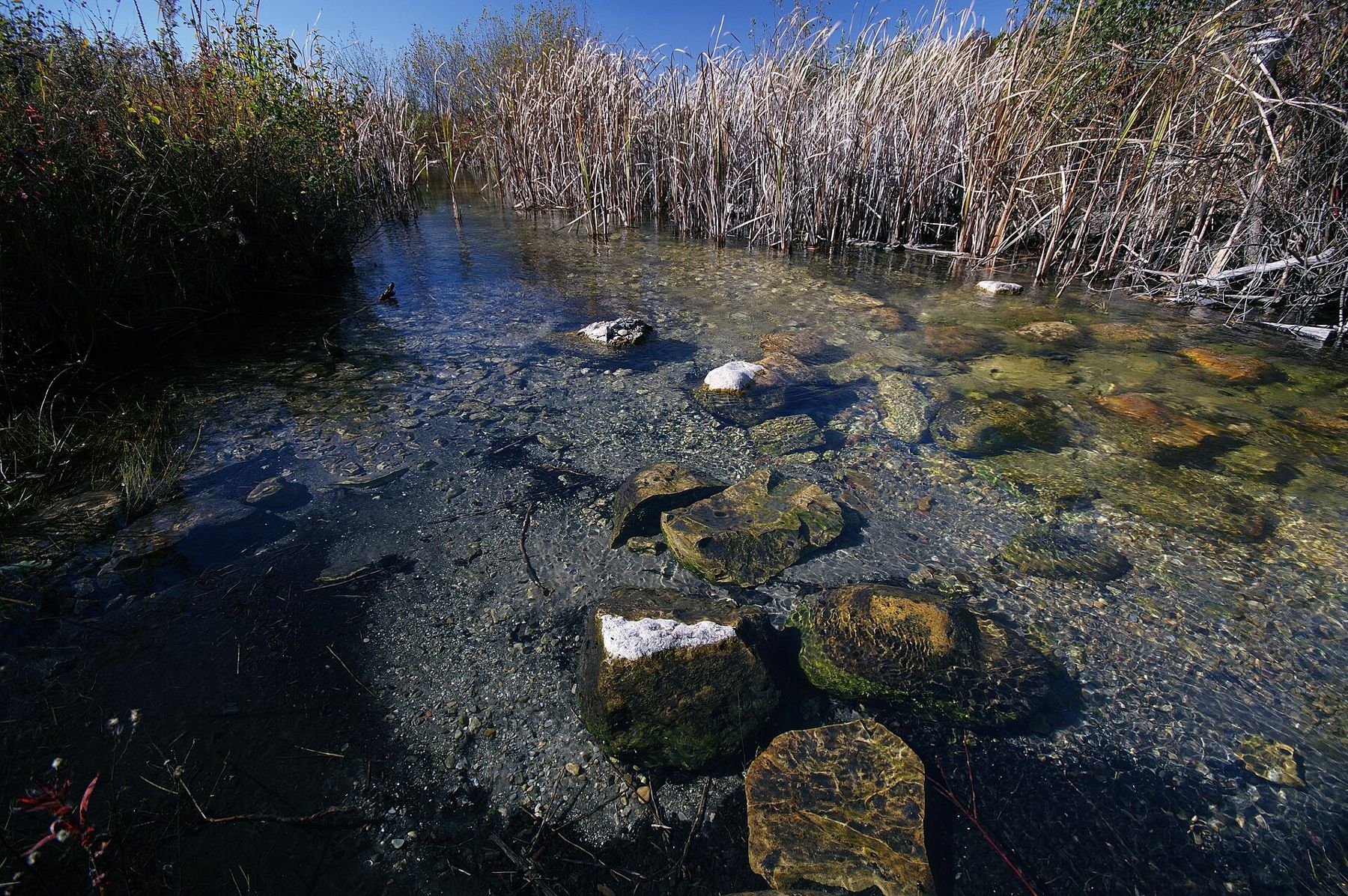
These wet places are rich for wildlife. Sandhill cranes nest in the marshes, and in spring the frogs are loud at dusk. Mosquitoes are a fact of life from June into August.
Reading the land
Palmyra sits on the line between two landscapes the glacier left behind, and you can see the change from the car. East of the village is the moraine itself: a jumble of sand and gravel dumped where two lobes of ice met, now steep ridges, deep kettle holes and cone-shaped hills. West of the village lies flatter ground built by meltwater, where rivers spread out sand and gravel and later filled low places with marsh.
Watch the fields as you drive. On the moraine side, they are small and broken by woods and piles of glacial stones picked off the land by generations of farmers. On the western side, the fields are larger and flatter, cut by drainage ditches through old marsh. For the full story, see how the glaciers made the Kettle Moraine.
The sandy moraine soils drain fast, so the forest trails east of town dry out quickly after rain. The marsh edges do not; expect mud there into June.
Driving and riding the back roads
East of Palmyra, the Kettle Moraine Scenic Drive runs through the Southern Unit, marked by green acorn signs. It follows narrow county roads over the ridges and past kettle lakes and oak woods. Drive it slowly, in either direction, and stop at pull-offs rather than on the road.
The same roads are popular with road cyclists for their climbs and their light traffic. West of the village, flat farm roads make easier riding. Wherever you ride, wear something bright; drivers do not always expect bikes on these roads, and many have no shoulder.
In the village
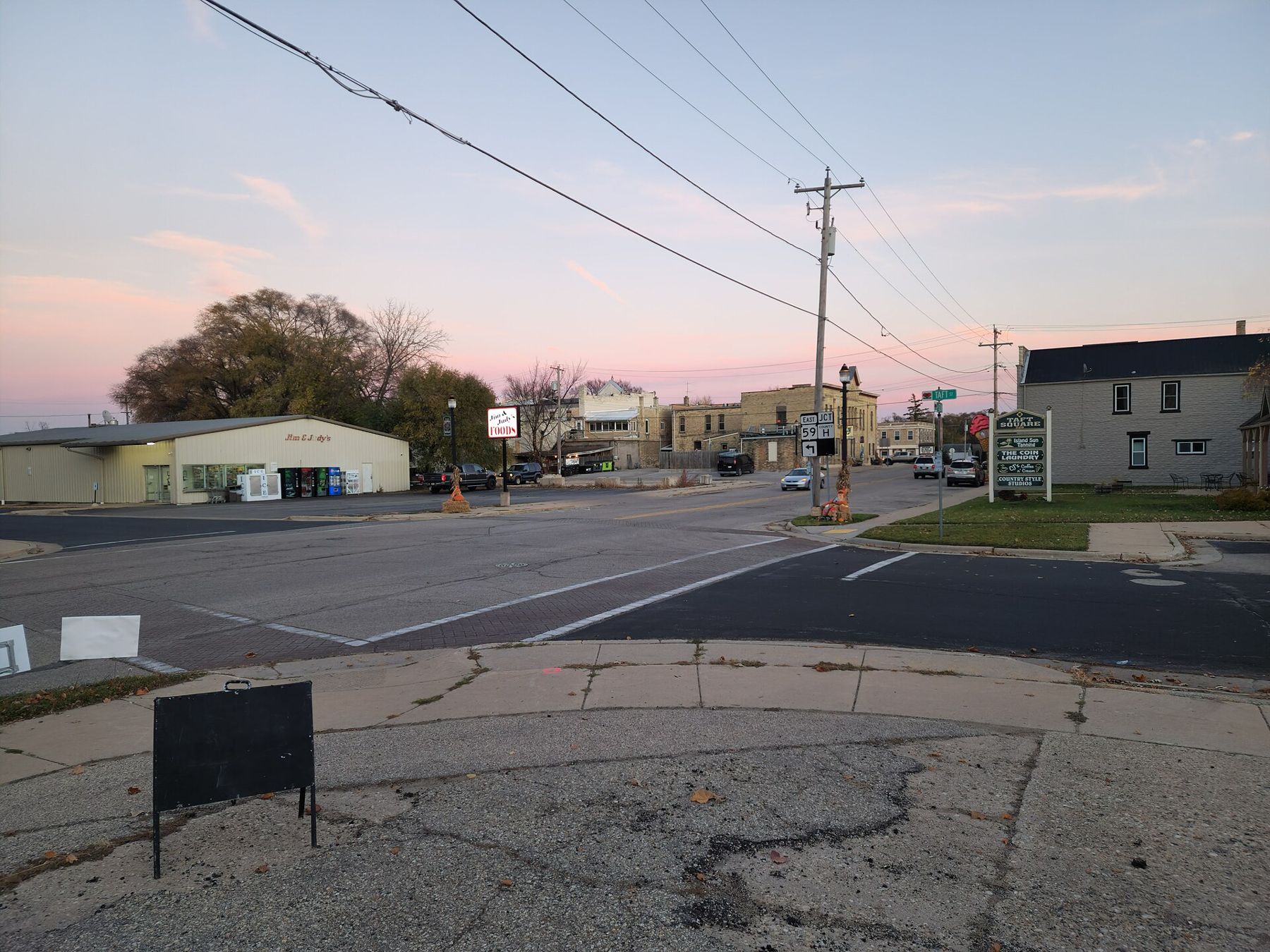
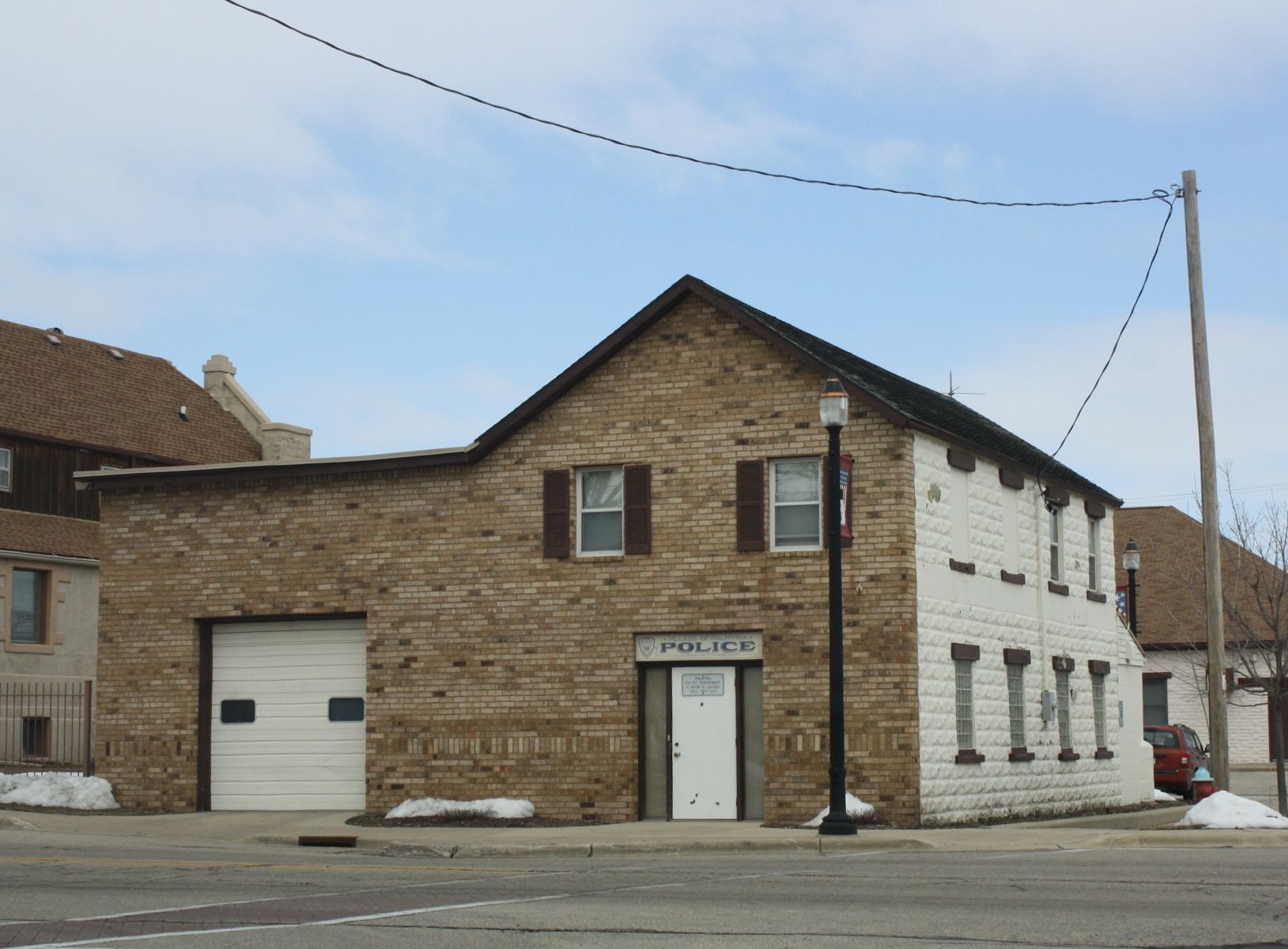
The village center has a few blocks of older commercial buildings, a post office, places to eat and the village offices and police station. Stop for a meal and to buy supplies. Friday nights bring the Wisconsin fish fry to local taverns and restaurants; see our fish fry guide for what to expect.
When to go
Late spring is the best time for the springs and marshes, with cranes calling and the woods turning green. Summer is good for swimming at the forest's lakes nearby and for early-morning rides before the heat. Fall brings color to the oak ridges east of the village, peaking in the middle of October. In winter, with enough snow, the forest's ski trails toward La Grange and Eagle are a short drive away.
Whenever you come, drive east out of Palmyra on WIS 59 in the late afternoon. The road climbs out of the flat land and into the first wooded ridge, and in a mile you are in the forest.